What produces the pancreas

correct synthesis of hormones is important for human health becauseIs a guarantee of normal energy exchange. This body produces glucagon, insulin and somatostatin.
Approximately 70% of pancreatic cells are called beta cells that produce insulin, and 22% are alpha cells responsible for producing glucagon.
Insulin
Beta cells that are present in pancreatic islets are responsible for the formation of insulin. It is a protein hormone, whose molecular mass is about 6000 Da. It consists of two polypeptide chains connected by disulfide bridges.
Insulin under the influence of proteases is produced from its predecessor - proinsulin. The transformation of one hormone into another is also carried out in beta cells, which are present in the pancreas.
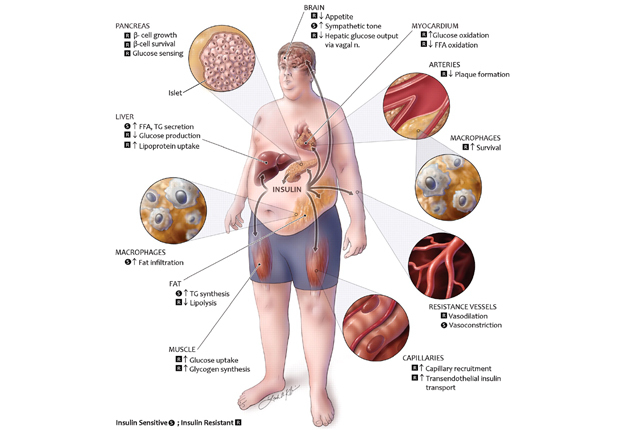
The main function of this substance is to reduce the sugar content in the blood. This can be achieved through simultaneous action in several directions. First of all, insulin stops the formation of glucose in the liver, which leads to an increase in the amount of sugar metabolized by the tissues of the body due to the permeability of cell membranes.
In this case, under the influence of this substance, the decay of the glucagon entering the polymer chain from the glucose molecules stops. If this relationship is broken, the glucose content in the blood begins to grow. At various failures in an organism deficiency of an insulin which allocates a pancreas is observed. It is for this reason that the development of diabetes mellitus. In the absence of adequate treatment, this disease can lead to death.
Glucagon
This hormone is produced in alpha cells. Glucagon is a polypeptide with a molecular weight of about 3500 Da, consisting of a single chain. In addition to alpha cells, it is produced in the intestinal mucosa, but its function is slightly different from the hormone that synthesizes the pancreas.
Glucagon is responsible for increasing glucose levels. This problem can be solved by stimulating its synthesis in the liver. In addition, this substance provides a cleavage of lipids in fatty tissues.
As a result, it can be concluded that the hormones that secrete the pancreas perform opposite functions. However, in order to provide a normal level of sugar, these hormones are few. In order for the body to work properly, we need other compounds that are produced by the endocrine system - adrenaline, cortisol and growth hormone.
Deficiency of insulin and glucagon
If the pancreas produces very little glucagon or insulin, the glucose content constantly fluctuates. If insulin is present in insufficient quantities, a person develops diabetes mellitus. Deficiency of glucagon leads to the appearance of hypoglycemia.
In the case of diabetes mellitus, the islets of Langerhans are damaged and lose the ability to produce insulin. Sometimes the human body just stops responding to this hormone - that's why the glucose level rises.
With the development of hypoglycemia, alpha-cell damage is observed. Deficiency of glucagon leads to a lack of glucose, which, in turn, is fraught with damage to the brain and internal organs. In such situations, patients have to consume glucose solutions, as well as drinks with high carbohydrate content.

Other hormones
In addition to these substances, the pancreas also produces somatostatin. This term means a polypeptide hormone, which is responsible for suppressing other hormones that are produced by this body.
So, somatostatin, which secretes the pancreas, stops the production of hormones such as somatotropin, insulin, glucagon. Also, it is able to suppress the synthesis of thyrotropic and other hormones, which are synthesized in the digestive organs.
In medicine, somatostatin-based drugs are used to treat acromegaly, a disease that is associated with excessive production of growth hormone. It usually manifests itself in a pathological increase in the bones of the feet, skull, etc.
Hormones, which synthesize the pancreas, are of great importance for the normal functioning of the human body. Insulin, somatostatin, glucagon are responsible for the normalization of sugar levels and ensure normal energy exchange. That is why it is so important to monitor the synthesis of these substances.