Treatment of kidney disease: nephritis
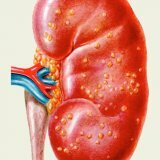
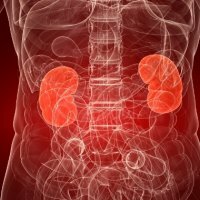
Nephritis is a diffuse bilateral inflammatory process in the kidney area with a predominant lesion of the glomeruli. According to the clinical course, a chronic and acute form of nephritis is distinguished.
Acute form of the disease.
In the origin of the acute form of jade, the so-called. Streptococcal infection( scarlet fever, tonsillitis).The disease is not infectious-inflammatory( because it can not be found in the urine, or in the kidney tissue or blood of a microbial pathogen), and allergic post-infection. This is clearly demonstrated by the fact that the development of the disease occurs 2-3 weeks after the infection was transferred.
Huge importance for the further development of the acute form of nephritis has the process of producing autoimmunity inside the body;It is believed that an infectious agent that leads to kidney damage, promotes the formation of antibodies to its own kidney tissue. Cooling causes the development of jade, leading to reflex disorders of nutrition and blood supply to the kidneys. And leading to changes in the protective-adaptive characteristics of the body.
Most often, the acute form of nephritis occurs in people at a young age, begins in an acute form and can be characterized by hypertension, edema, and pathological changes in the urine. Patients often develop pain in the head, dyspnea, which occasionally turns into asthma attacks( asthma cardiac), sudden decrease in urine output, occasionally until complete anuria and the rapid development of edema. Puffiness is mainly located in the area of the face and, in relation to the pallor of the skin, form a characteristic appearance of the sick person. In the future, swelling spreads over the entire surface of the body, and occasionally fluid accumulates in the cavities of the pericardium, the pleura, and also the abdominal cavity. Often, hypertension is a precursor of other painful symptoms, often of a transient and moderate nature, and significant increases in pressure in the arteries( 200/120 mm Hg) are also possible. In nephritis, hypertension is the reason why pronounced insufficiency of blood circulation develops( hemoptysis, shortness of breath, asthma attacks of the heart).In the case of examination of patients, the expansion of the heart is determined, on the aorta the accent is of the second tone, at the tip systolic murmur, in the lungs stagnant rales, bradycardia. At high indices of arterial pressure, edema of the brain, jade eclampsia can grow. Eclampsia can be manifested by sharp pains in the head, nausea, bouts of cramps with biting of the tongue, darkening of consciousness, dilated pupils, involuntary withdrawal of feces and urine.
Treatment of acute nephritis.
In the case of acute nephritis, hematuria and proteinuria can be observed. Microhematuria can be observed from the first day of the onset of the disease, occasionally it passes into the macrohematuria( urine has the color of "meat slops").In the urine sediment can be found leached red blood cells of 100-200 in the field of vision, and in addition leukocytes, kidney epithelium and cylinders. The amount of protein in urine often can not exceed 1-3%.Renal function in the case of acute kidney nephritis is slightly impaired. The diagnosis of acute forms are not complicated, if there is swelling, proteinuria, hematuria, hypertension, is characterized by a rapid growth of the disease after a recent infection or hypothermia.
In the absence of typical signs of the disease, a diagnosis can be made in the case of systematic measurement of blood pressure and studying the composition of urine. In those situations where pronounced is one of the most characteristic symptom of the disease, it is necessary to carry out a differential diagnosis with chronic nephritis, hypertension, nephritic syndrome.
In the case of the acute form is favorable prognosis nephritis, most of the symptoms disappear after 1-2 months after treatment was carried kidney disease, and recovery comes.
Nutrition for the acute form of jade.
In certain special situations, it is possible to observe deaths from cerebral hemorrhage or acute form of heart failure. Possible is also the transition of the acute form of jade to chronic in those situations when the symptoms of the disease do not pass through the year. Consider how the treatment of kidney disease: jade. The main condition of therapy is the strictest bedding. In acute form with edemas, changes in urine and hypertension, the "thirst and hunger regime" is shown in the first 1-3 days, that is, the exclusion of any food and the restriction of the liquid to 300 ml( Borzhom, Morse).Next for "hungry" days are assigned 1-2 "sugar" days( drink 1-1.5 liters of 10% sugar solution per day).Then add different carbohydrates along with the vegetable protein, limit the salt to 1-2 grams per day. After 1-2 weeks, the diet expands due to the addition of milk, potatoes and sour cream. The daily diet includes 40 g of protein, 70 g of fat, 450 g of carbohydrates and 3 g of table salt. Further, the diet is expanded by fats, proteins and carbohydrates, it is allowed to add 5 g of table salt, keep cooking without salt. In case of full recovery, they return to normal mode of food intake. Alcohol is excluded for a long period.
Medical treatment of the disease.
If treatment of the disease is considered medically, then the desired intravenous infusion of 20-40 ml of 40% glucose solution in combination with 1-2 ml of a 5% solution of ascorbic acid. To lower blood pressure and raise diuresis - reserpine 0.1-0.25 mg three times a day. In case of asthma attacks, 0.5-1 ml of 0.05% solution of strophanthin with 11 ml of 40% glucose solution( very slowly!), Under the skin - camphor oil and propromedol, caffeine of 1 ml. In case of eclampsia - inside the muscles 2-25 ml of 25% solution of magnesium mulphate 1-2 times per day, papaverine in the veins 1 ml of 2% solution( injected slowly!), Chloral hydrate 1.5-2.0 g in microclysters, morphine 1, 0 ml 1% solution under the skin.