
Therapeutic massage for osteochondrosis
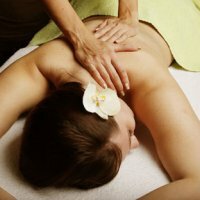
One of the most common ways to combat osteochondrosis is massage. Especially often it is used as a key element in a set of measures directed against osteochondrosis and used in folk medicine. This article describes the main methods of massage, used as the most effective measures for restoring the functions of the spine in osteochondrosis, besides, massage is an excellent means of prevention.
Before proceeding directly to medical massage, a person suffering from this disease should independently prepare the cervical spine, having worked it out a little. Such preparation is done in two steps.
The first step takes place in the "lying on the side" position, the essence of it is the gradual raising of the head from the pillow, with the fixation in this position for several seconds.
The second step also occurs in the supine position, but already lying belly down.
Only after this preparation should proceed to the main part of the massage. Therapeutic massage is performed not by the patient himself, but by someone from his relatives or relatives.
- The patient lies down on his stomach, and the producing massage begins to prepare his back to the main load. This is done with a calm, gentle stroking the back from the bottom up, stroking should continue for about two to three minutes. Stroking should not only touch the vertebral area, they should be evenly distributed on both parts of the back and shoulders. This kind of warm-up ends with a small increase in pressure by hands massaging on the diseased area.
- To continue the massage the patient will need to sit down. In the sitting position, the large pectoral muscles of the patient are warmed up.
- Then the patient lies down on his stomach. To start the massage is necessary from the neck, more precisely from the line of the beginning of hair growth. The presence of osteochondrosis can manifest itself as a painful sensation during a massage. If the massage does not cause pain, you can increase the pressure on the massaged areas on both sides in the cervical region( massage should be done within two to three minutes).Then massage smoothly passes into the near-vertebral region. Here, you should already make sure that the massage is gentle, without any special physical effort from the "masseur".It will be optimal to produce from four to six "squeezing" movements on both sides of the near-vertebral region, which gradually transform into a stroking process that captures the entire upper back of the patient. After two or three minute strokes of the back, we move in the same way to the region of the shoulder-blades, which are prepared for the main load in the course of two or three minutes in the form of the same "squeezing" movements, produced in about two minutes. Then again we return to the neck area, which we massage as follows: six strokes are replaced by six gentle kneading, after which there are three to four "squeezes", ending with the next stroking.
- The patient remains lying, but turns over on his back. After this, we proceed to massage the large muscles of the chest. The massage is done as follows: start and finish it with light strokes( about six to seven times), after the first stage of stroking, four to six "squeezing" movements occur, passing into an easy warm-up.
- The patient takes a sitting position. Optimum in this situation will be the presence of a massage chair. The patient should be relaxed with the head tilted forward. Massage in this case will also correspond to the scheme: stroking - warm-up - squeezing - warm-up - stroking. Proceed to him follows from the occipital bone to the shoulder blades, the whole upper region of the back should be massaged in a circular motion.
To achieve maximum effect and a positive result in osteochondrosis, it is best to massage not only the upper back and neck.
Before proceeding to the next stage of massage with osteochondrosis, the patient should rest a little.
The final part of the massage touches the upper back first to the area of the shoulder and neck, and ends in the area of large pectoral muscles. The essence of the massage remains the same as that described above. The only thing that the second stage of massage is not done from the top down, then into the chest area, and vice versa, from the bottom up and into the chest area.