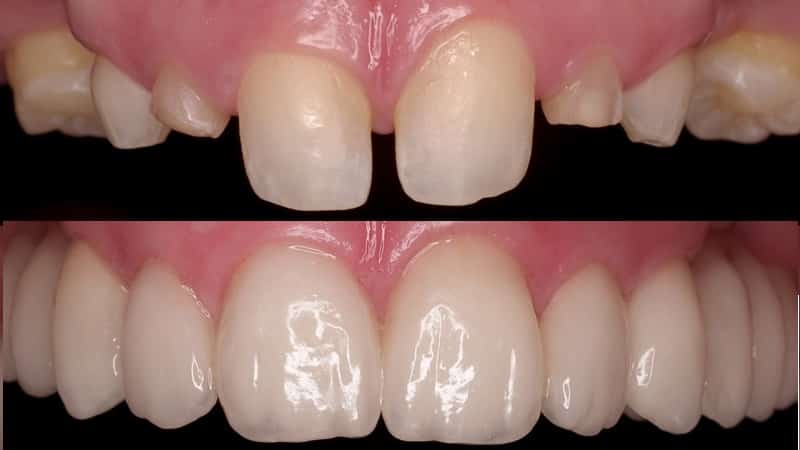
How to kill a nerve in the tooth, depulpation of the tooth
Nerve removal or depulpation of the tooth becomes necessary with a deep development of caries, when the carious cavity reaches the pulpit chamber.Why is it necessary to remove the nerve in this case?And how to kill a nerve in the tooth?
When and why should I remove the nerve?
Any crown( incisor, canine, premolar or molar) has the following structure:
- outer enamel( protective layer);
- dentine - medium fabrics;
- pulpit chamber( internal soft tissue).
In soft tissues of pulp there are nerve endings and blood vessels.They provide food for hard tissues and sensitive tooth surfaces.
The development of caries begins, as a rule, with the destruction of enamel.Further, the carious cavity is deepened into the dentin.With a deep spread of caries, the hole reaches the pulp, pulpitis occurs.You can not treat such a tooth with an ordinary filling.Why?The nerve, when in contact with cement, will form pain signals.Therefore, pulpitis is treated by removing the opened nerve, followed by filling the pulpit chamber and the carious cavity.
Another possible variant of the emergence and development of caries: Under the enamel a carious cavity is formed.It expands and deepens, reaches the pulp, there are sharp pulpy pains.At the same time, the surface of the enamel remains intact, there may be a darkening in the location of the carious cavity.When closing
caries seal with a chemical hardener( before such treatment is often used now - rarely) below the installed seal is often continued development of cavities.In this case, a person may not suspect that his condition is approaching pulpitis and expensive dental treatment.That is why periodic examinations of the dentist are necessary.According to the existing changes in color and shade of the enamel, the dentist diagnoses the condition of your oral cavity and warns of impending diseases.
Signs pulpit
How does it feel when a patient experiences a pulpit?

The second sign is shown if the carious cavity is wide enough and straight.When chewing food, particles of food get inside on the surface of the pulp, causing a strong sharp pain, "to the mind."

The photo - deep caries, in which the camera was revealed pulpitnaya
How to treat pulpitis
Current treatments involve anesthesia gums and subsequent removal of the nerve.This operation is called "depulpation of the tooth."Why?Because during treatment a pulp is opened - a cavity in the middle of solid chewing tissues.Perform the treatment as follows:
- expand the channel;
- the nerve is removed;
- channel in the root and a carious hole is sealed.

The photo - nerve removal process using a special tool - helix.It is inserted into the channel, wind on his nerve and nerve ending torn
How to kill the nerve in the tooth as painlessly as possible?This question was asked by patients and dentists many times.And the way out was found: was replaced by traditional anemic arsenic with an anesthetic( ultracaine, ubestesin).
The depilation of the tooth begins after the injection of the anesthetic.After injecting an anesthetic, numbness of the gums and a decrease in the sensitivity of the dental tissues occur.As a result, it becomes possible to remove the nerve from the pulp without involuntary patient jerking.
After removal of the nerve, the dead pulpit chamber must be sealed.Then fill the filling material with a carious cavity.An important feature of the treatment of pulpitis is dense root filling.Why?If there are no voids inside, the tooth will exist for a long time.If inside the bent roots there are emptiness, then the inflammation of the root of the tooth begins with the subsequent painful sensations, sometimes with an abscess and the need for removal.
Modern treatment control
The availability of X-ray or digital images allows you to check the depulled tooth for the presence of voids in the roots.X-ray image before treatment specifies the shape and number of roots in molars.As a rule, lateral molars often have branched deep roots.Thus, the tooth X-ray is performed twice during the period of its treatment - before and after the termination of the canal filling.

In these photos, is an x-ray of the roots.Solid white color looks like a filling material in the tooth and roots
Why and how long does the tooth ache after nerve removal?
The depulpated tooth begins to ache after two to three hours after the operation.At this time, the anesthetic begins to "depart" and painful sensations appear.If everything is normal, then the sensations are small and last for one or two days.
If the tooth is very painful after removal of the nerve - the doctor's help is necessary.Why can a distant nerve be sick?
Complications after removal of
Modern methods of removal significantly reduced the number of complications after pulping( compared to "arsenic" treatment).However, secondary pain and inflammation are possible.Why do they arise?
- Low-quality treatment, the presence of voids in the root.
- Penetration of infection as a result of insufficient cleaning of the carious cavity.

Complications of pulpitis are periodontal inflammation( gum tissue).It is accompanied by swelling and aggravated pain.Sometimes there is a purulent abscess( inflammation with the formation of abscesses - cysts).It is necessary to re-open the depulled tooth and carry out treatment( clean, disinfect and seal again).As a last resort, two surgical operations are used - resection of the apex of the root and complete removal of the tooth.
An analysis of the sensations when the tooth hurts after removal of the nerve, helps to diagnose the development of the dental process.
Dental depulsing is a common dental surgery, often caused by old caries.After depulpirovaniya tooth becomes dead and accelerates destroyed.There are a number of recommendations that mention the need to close the depulpated chewing surface with a metal or polymer crown.However, we must remember that the living tooth is always better than the pulp.It is necessary to visit the dentist on time and qualitatively treat caries, without saving on the price of the filling material.