Laryngeal edema: symptoms, treatment, causes of edema and how to recognize it on time, photo
 Laryngeal edema occurs due to inflammation in the pharynx or larynx.The presence of such a symptom indicates the presence in humans of a number of diseases, such as laryngopharynitis, tuberculosis, influenza and others.Often, this syndrome occurs due to a burn of the larynx after an X-ray, prescribed to patients with neck tumors.
Edema non-inflammatory series can occur with diseases of internal organs, in particular, liver and kidney diseases, as well as with certain cardiac ailments.In addition, they can be a consequence of allergies.
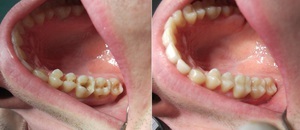
How the swelling of the patient's throat looks like, you can see on the attached photo.
Differences in inflammation from non-inflammatory manifestations of the symptom

Laryngeal edema is not an independent disease and always indicates the presence of a more serious ailment, the consequence of which it is.However, one can not treat this manifestation lightly, because if a person does not give timely help, he can suffocate and die.
Inflammatory edema can accompany such diseases and ailments as:
- oral disease;
- guttural angina;
- phlegmonous laryngitis;
- epiglottis abscess;Suppression of the root of the tongue.
Unlike inflammatory edema accompanied by painful sensations, non-inflammatory can pass absolutely without the symptoms of , and only if it is very strong, then the patient can feel discomfort when swallowing, and also breathes heavily.
Non-inflammatory laryngeal edema may be symptoms of such ailments as:
- heart disease;
- kidney disease;
- liver disease, including cirrhosis;
- is an allergy to a medical product or food product;
- circulatory disturbance in the larynx region when the lymph vessels are squeezed.
Among other causes of this symptom is mechanical damage to the larynx by foreign objects , postoperative condition or the reception of hot food in children.
What are the swelling of the larynx?
Depending on the disease that is accompanied by edema and other causes of its appearance, they are divided into the following:
- infectious - the most common form.The infection can be primary or secondary.The cause of swelling is hypothermia, a "torn" voice or chronic laryngitis;
- swelling, appearing against the background of damage to the larynx by a foreign body.They can be caused due to mechanical, thermal or chemical damage to the mucosa, they also appear due to injuries, inhalation of hot steam or poison gases;
- toxic;
- symptomatic - developing against a background of kidney diseases, tumors and other diseases;
- vasomotor.
What is Quincke's Edema?
 Quincke's edema, or in other words, angioedema, is a condition in which other parts of the body begin to swell.It develops immediately and is an allergic reaction to the following phenomena and products:
- iodine-containing preparations;Drugs based on vitamin B;
- aspirin;
- penicillin;
- pollen of insects;
- products with the addition of emulsifiers or dyes;
- release of histamine;
- chemical substances contained in cosmetics, paints or household chemicals.
This syndrome can also be caused by infectious diseases, such as giardiasis or hepatitis or endocrine diseases.
It can occur when the release of histamine, which contributes to the use of alcohol.Also, a person can have a hereditary predisposition to Quincke.
Laryngeal edema: symptoms
This ailment can be identified by the following symptoms:
- hoarse voice;
- cough in the form of a so-called barking;
- asphyxiation having an increasing form;
- appearance of cyanosis on the face.
Patient with puffiness in the larynx is extremely difficult to inhale, and then exhale.There is swelling of the soft palate, celestial tonsils and tongue.Also, the syndrome can be determined by chest whistling during breathing.
In the presence of Quincke edema, all of the listed symptoms are supplemented with edema on the face and hands, lips, fingers and other parts of the body can swollen.


How to provide first aid?
Naturally, if there is any of the symptoms of the laryngeal edema, should be called up as soon as possible in order to prevent the suffocation of the patient in time.Before the ambulance arrives, the following actions should be taken;
- facilitate the patient's breathing, for example, unfasten the scarf, remove the tie, etc.;
- when exposed to an allergen, do not allow its continued use or exposure;
- dip the patient in a hot bath or at least lower his hands or feet into a basin of hot water;
- Rinse mouth with epinephrine hydrochloride;
- with a nasal spray of strong action;
- if possible - to introduce an intramuscular anti-histamine drug ( eg, suprastin or diphenhydramine).
In cases where swelling is caused by an insect bite in the arm or leg area, or by the administration of the drug to which the allergy has gone, should immediately apply the tourniquet just above the wound.
Treatment methods
Treatment of this ailment involves the elimination of the effect of an allergen or treatment procedure for a key disease, against which it appeared.If the swelling is inflammatory, the abscess should be opened and therapeutic actions performed.
 Asphyxiant edema is the most dangerous, and in this case everything should be done very quickly, alone can not take serious measures alone , but you need to speed up the doctor's arrival.
A medical examination of a patient with this symptom is primarily aimed at identifying the cause of the occurrence, so the doctor is obliged to find out if the person is ill with something else, if he has chronic diseases, is there an allergy.
When edema of the palatine tongue, shortness of breath or loss of the voice ligament, the patient is immediately hospitalized.
Treatment at home or in the hospital includes the following:
- penicillin injections and inhalations;
- is warm around the neck;
- hot foot bath;
- cans and mustard plasters;
- food intake in liquid form;
- swallowing the ice;
- Novocain blockade under the skin and inside the nose;
- solution of glucose intravenously.
Regardless of what caused the swelling, it should be identified as soon as possible and take all necessary measures to save the patient from possible consequences.