Allergy to chocolate
 Chocolate allergy is a type of food allergy that is quite common today, which most often affects children, because they are the biggest consumers of this very tasty food product. The answer to the question what exactly causes the development of this disease lies on the surface: almost all the components of chocolate are obligate allergens with a very high sensitizing activity.
Chocolate allergies - the causes of
Despite the fact that the main ingredient of chocolate is cocoa, With an allergy to this particular component can be quite rare, although those suffering from allergies to chocolate are much more. This is due to the fact that chocolate is a multicomponent complex confectionery product, which although produced on the basis of cocoa fruit, but it has many additional ingredients that are used in the food industry. These additives often cause the development of the allergic reaction of the body to chocolate.
For a more visual representation of which additives can cause allergies, below we will look at the composition of chocolate and the technology of its preparation.
The basis of any kind of chocolate shops sold on the shelves is cocoa. Its content in milk chocolate is up to 35%, in black chocolate - more than 40%, and in bitter more than 50%.Cocoa butter and cocoa powder are 55% composed of vegetable fats and 10% protein structures. The human body often responds to these components with sensitization, manifested as an allergy to chocolate. Despite this, in the list of allergens to the components of chocolate, these ingredients occupy one of the last places.
The modern food industry to reduce the cost of the product and, accordingly, increase profits, has learned to change the initial recipe of products, substituting expensive components for cheap analogs. To date, most manufacturers of chocolate to significantly reduce the cost of using such cheap vegetable oils as peanut, coconut or palm. In this list, the most powerful allergen is peanut butter!
According to the conventional technological process of chocolate production, all its grades are supplemented with dry milk, which often provokes the development of an allergy to chocolate, although in fact it is an allergic reaction to the milk protein. Allergy to both milk itself and its components is a fairly common reaction of the child's organism to milk protein-containing foods, so if a predisposed to this type of child allergy after eating a piece of chocolate, allergic manifestations appear - it is not particularly surprising.
The tile of almost any chocolate in its composition necessarily contains nut oils, nuts( peanuts, almonds, hazelnuts), soy lecithin, vanillin, coffee, raisins, preservatives, stabilizers, dyes and fragrances. The most dangerous allergens from this list are nuts and soy protein, although on all other nutritional supplements the body can react with the development of an allergy to chocolate.
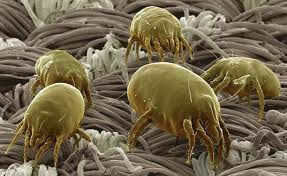
Another allergen contained in all the chocolate bars, without exception, is chitin, which, paradoxical as it sounds, is the main component of the exoskeleton of arthropods. Where does the given polysaccharide come from? In fact, everything is very simple - cocoa beans are a favorite delicacy of cockroaches living in all corners of the globe, which, despite all the obstacles erected before them, still find an opportunity to get to the places where fruits are stored. Enterprises producing cocoa powder and cocoa butter simply can not separate cocoa beans from cockroaches and other penetrated insects, so their shell particles invariably fall into the final product in the form of chocolate. Most allergists are chitin is referred to the main component, which develops an allergy to chocolate. Unfortunately completely to get rid of chitin it is not possible, as even in elite grades of chocolate a priory there are particles of insects
Allergy to chocolate - symptoms
After accumulation in the body of a sufficiently large amount of an allergen in a person predisposed to this allergic reaction, often there is an itchy red rash, sometimes turning into blisters. Symptoms of chocolate allergy most often develop within half an hour from the time of eating chocolate, but in most cases, the systematic use of this sweetness is necessary to develop an allergic reaction. The most common symptoms of allergy to chocolate:
• Skin rashes. These symptoms are manifested in the form of a red small itchy rash on the abdomen, back, arms and legs of
• Urticaria. On the skin integuments appear accompanied by itch raspberry blisters, combining when combing into large areas. Usually hives appear on the abdomen, back, arms and legs, however sometimes red spots can be seen on the face. Usually, urticaria symptoms go away without leaving a trace for twelve hours, and after taking an antihistamine drug within an hour
• Quincke's Edema. This allergic manifestation is the most dangerous, as it develops rapidly, it is accompanied by swelling of the tissues. Laryngeal edema is the most dangerous, since it can sometimes lead to asphyxia and subsequent death of
. In case of severe disease, an allergy to chocolate can lead to breathing problems, and if a person has such a disease as bronchial asthma, an allergic reaction to chocolate canProvoke her serious attack. In rare cases, it is possible to develop an anaphylactic shock
Chocolate allergy - treatment of
During the debut or exacerbation of the disease, symptomatic treatment is performed while taking the necessary measures aimed at removing the provoking allergen from the gastrointestinal tract. Typically, the treatment for chocolate allergy lasts no more than a month and includes:
• Cleansing of the intestines and blood. In some cases, the allergic reaction develops due to dysbacteriosis or slagging of the body. To eliminate these factors, sorbents are assigned, the most common of which is ordinary activated carbon. However, despite the fact that the sorbents cleanse the intestines, often due to a violation of microflora, their administration can lead to constipation. Therefore, the second stage is the reception of normal lactobacilli that normalize the gastrointestinal tract. Purification of blood with plasmapheresis is performed only in extremely severe cases of
. • Taking antihistamines. These medications are used to reduce the production of histamine and the removal of local itching. In the case of an extensive clinical picture, with the presence of such manifestations as conjunctivitis, rhinitis and enterocolitis, the systemic application of these drugs is indicated. In the case of the presence of only allergic dermatitis, it is possible to exclusively use topical antihistamines in the form of ointments or creams
• Diet. An important stage in the treatment of chocolate allergies is the diet chosen for each individual patient, excluding the consumption of sugar, chocolate, red fruit, strong tea and coffee for the entire period of treatment.
The chocolate allergy in children is treated according to the same classical scheme, only antihistamines should be takenTake in minimal dosages. In addition, during the period of exacerbation, the child should be protected from any sweets, even if they consist of natural ingredients.
Patients with an allergic reaction to chocolate, outside the exacerbation period, to determine the body-sensitizing component of this product, should be examined at a specialized allergic center. After revealing the provoking allergen, the patient undergoes a specific hypo-sensitizing immunotherapy, which in most cases relieves a person from refusing this treat. Children usually develop this ailment on their own, without conducting any specific treatment.