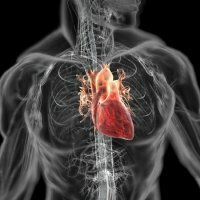
Aortocoronary bypass surgery
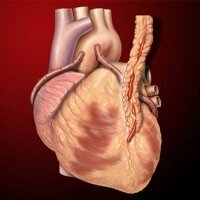
The operation, after which the blood supply of the heart resumes below the narrowing area of the vessel - is called aortocoronary bypass. A narrowing of the vessel creates a new pathway for blood supply to the heart area, which was not supplied with blood before.
To access the heart, an incision is made in the middle of the sternum. The second or several incisions are made on legs. A piece of vein for shunting is collected from there. The veins from the legs are used, since they are less affected by atherosclerosis, they are also longer in length and larger in diameter, compared to the rest of the veins.
Radial artery, thoracic artery - are more commonly used and better suited for shunting. Since they create the necessary conditions for the functionality of the shunt. The internal thoracic artery is located in the sub-chest region. A check for atherosclerotic lesions and a diameter of the vein, is possible during coronary angiography.
The radial artery of the hand is located in the forearm, its inner surface.
If this artery of the human body is used for aortocoronary bypass surgery, the doctor will prescribe additional examinations necessary to exclude the development of problems associated with taking this artery. If the radial artery of the arm is used, one of the incisions will be on the arm.
The choice of the type of surgical intervention will be determined after coronary angiography and the study of lesions of the arteries of the heart.
If there is a multifocal lesion of the arteries, cardiac pathologies: heart disease, left ventricle aneurysm, the operation will be using artificial circulation.
Types of bypass
- Operations with a minimum number of incisions, including endoscopic operations.
- Shunt without cardiopulmonary bypass. Shunting using artificial circulation.
Coronary bypass with artificial circulation
Performed with a cut in the middle of the chest. For the time of surgery, the heart can be stopped. To maintain blood circulation in the whole body of the patient to the heart, attach tubes connected to the apparatus of artificial circulation.
CABG with artificial circulation. At the time of creating artificial circulation, the doctor creates an anastamosis between the artery( below the stenosis) and the vein. After the cardiac work is restored. The filtration of blood and the preservation of the desired temperature of the patient, the gas exchange of blood and its saturation with oxygen - occurs in the apparatus of artificial circulation. The time of the operation depends on several factors: the patient's health features and the complexity of the surgical intervention. Usually the operation time is from three to six hours. The more arteries to be bypassed, the longer the surgical intervention will be.
Advantages of operation with minimal incisions
Less blood loss occurs. After intervention, the patient is easier to breathe and do coughing movements. After operative discomfort decreases, the patient quickly restores physical activity of the body. Less risk of infection.
Operations performed without the use of artificial circulation
The latest technology and modern surgical equipment create the possibility of performing aortocoronary shunting with a working human heart. The operation is dispensed with the creation of artificial circulation, as in traditional types of surgery of the coronary arteries of man.
Special devices reduce the vibrational movements of the heart at the time of shunting arteries. To create an anastomosis, the surgeon applies the internal artery of the chest or vein.
In such cases, the use of artificial circulation is eliminated. Recently, quite often, operations are performed with a minimum number of cuts.
Advantages and benefits of aortocoronary bypass without cardiopulmonary bypass
This type of surgery results in less traumatization of human blood, reducing the risk of harmful effects, as with artificial circulation. The human body returns to normal physical activity much more quickly.