The main causes, symptoms and treatment of endocarditis
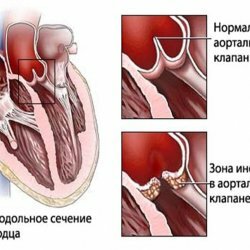 By endocarditis is meant inflammation of the parietal or valvular endocar, developing, as a rule, during rheumatism. The endocardium is the inner layer of the human heart. Sometimes endocarditis occurs with a septic or fungal infection. In some cases, it also occurs with diffuse connective tissue diseases and intoxications.
The main causes of
Most often, endocarditis is a consequence of other diseases. The disease is often formed with the already existing pathology of the heart. Inflammation can develop at almost any age.
There are more than 128 species of bacteria that are the causative agents of this disease. Among them are enterococci, staphylococci and streptococci. Many people do not pay much attention to the appearance of the first symptoms and do not go to the doctors. Most come to the doctors only 2 months after the manifestation of symptoms.
As a rule, only the endocarditis bacterial caused by streptococcus is manifested itself. This form is less common than endocarditis, which has arisen against other diseases.
More chances to "catch" this disease in those who have a weakened immune system and those with chronic infections. Also, of course, people with congenital or acquired heart defects can become infected with endocarditis. A tendency to this disease is also experienced by the furuncle and chronic tonsillitis.
How does infection happen? For example, an infection can penetrate with a current of blood in the heart. It should be noted that mainly the development of inflammation occurs on previously changed valves. A person can have rheumatic or congenital valve changes.
With valves, the infection can get on the endocardium, which will cause its inflammation. The valves are melted, lose their properties and flow the blood in the opposite direction. As a result, this leads to the development of serious heart failure. In this case, the vegetation grows on the valves. The mitral and aortic valves are the most affected. In some cases deformity of the pulmonary and tricuspid valves may occur. Platelets and fibrin strands also settle on them. When the valve flaps stop closing, the formation of a valve defect, which can cause heart failure, begins.
It should be noted that the main danger from the growth of the number of harmful microorganisms is that the particles of proliferation can be removed from the inner surface of the heart at any time with the bloodstream. Then other organs and tissues can get infected. Infection will lead to blockage of large vessels, which will lead to a violation of the circulatory system in different organs. Endocarditis can flow in subacute or acute forms. According to statistics, from 5 to 20% of patients with congenital heart disease are infected with secondary endocarditis.
Symptoms of endocarditis
Symptoms of endocarditis primarily depend on its shape. For example, endocarditis infectious can occur without the slightest manifestation or with minimal symptoms. Symptomatic of this disease is similar to pericarditis( inflammation of the outer shell of the heart), inflammation of the lungs and kidneys. Therefore, often people suffering from endocarditis are diagnosed with an incorrect diagnosis.
In general, the following symptoms are observed: chills, sweating, fever, accompanied by pain in the spine, muscles, joints, general weakness, weight loss, headache, and a worsening of appetite.
Also in patients with endocarditis, certain signs of inflammation of the heart muscle may appear. These symptoms include conduction disorders, arrhythmia, symptoms of heart failure. With the involvement of blood vessels in the inflammatory process, there may be an increase in blood vessels, inflammation of the vessel walls, the appearance of bruises on the skin, thrombosis, infarcts of the kidneys and spleen. Frequent signs of endocarditis are also signs inherent in diffuse glomerulonephritis. The patient is enlarged liver, spleen and some other organs. Symptoms of slight jaundice can also occur. Blood tests show an increase in ESR and a decrease in hemoglobin, as well as in the level of leukocytes.
The flow of endocarditis can be complicated by the formation of cardiac malformation, rupture of the valves, impaired renal function, and further development of heart failure.
Diagnosis of endocarditis
If symptoms such as thromboembolic complications, chills with fever, defects in the heart valves are observed, then endocarditis can be diagnosed. During the diagnosis to determine the causative agent of the disease should be carried out bacteriological study. Endocarditis treatment depends on this measure.
To detect signs of an increase in the left ventricle, an electrocardiogram is prescribed. When a tricuspid valve or pulmonary artery valve is damaged on an electrocardiogram, signs of hypertrophy of the right ventricle can be determined. With the help of ECG, endocarditis can also be detected in its early stages. So that to successfully cure of endocarditis, you need to see a doctor as soon as possible. This will greatly increase the chances of successful and rapid treatment of endocarditis. For the purpose of examining and detecting the slightest deviations in the work of the heart, it is best to use a cardiovisor.
If there is a suspicion of infectious endocarditis in diagnosis, as a rule, it is mandatory to prescribe a sterility for the sowing of blood. With this type of diagnosis, the method of blood sampling in the patient is of great importance. For maximum reliability, it must be carried out at least two or three times.
In addition, endocarditis is diagnosed with echocardiography. It is desirable to conduct it to anyone who has a suspicion of having an endocarditis infectious. When the diagnosis is made, it is necessary to determine what form the disease has.
Treatment of endocarditis
As a rule, treatment is accompanied by the intake of antibiotics. At the same time they are taken for quite a long time and in rather large quantities. Also different types of immunotherapy are used. Treatment of endocarditis is accompanied by the use of T-activin, T-imilin and other immunomodulators. If necessary, the patient can appoint hemosorption, heparin, antiaggregants, ultraviolet irradiation of blood, and also a course of hormones glucocorticoid. If treatment with antibiotics does not bring results, then another blood test is performed and other antibiotics are prescribed that take into account their sensitivity. If antibacterial therapy does not work, then the question of surgical removal of the affected valve and the installation of a prosthesis instead can be raised. That, in fact, and all the treatment of endocarditis.
Monitor your health, do not forget that the prevention of endocarditis and other heart diseases is always much easier and cheaper than their treatment. Be healthy!