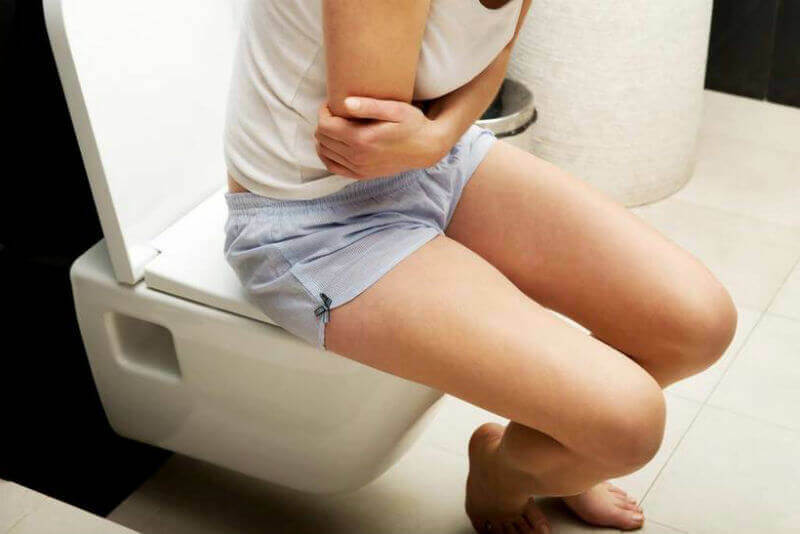
Constipation: what to do to eliminate this symptom
The modern way of life is characterized by a shortagePhysical activity and malnutrition. Therefore, so many people are interested in what to do with constant constipation. Most people associate this symptom with infrequent defecation, hard stool, straining with bowel movement, feeling of incomplete emptying after defecation. Infrequent bowel emptying is sometimes called constipation - it is a synonym for constipation, what to do in this case, will be described below.
From a medical point of view, constipation is called the presence of less than three bowel movements per week, severe constipation - less than one bowel movement per week. It is important to distinguish between acute and chronic constipation. With acute constipation, the patient's condition worsens suddenly, he needs urgent medical attention. With a chronic problem develops gradually, and treatment is not so urgent.
action tactics constipation
Many people are first confronted with intestinal constipation, do not know what to do, and panic even in the absence of the chair for two to three days.
The tactics of the appearance of this problem, there are 3 basic principles :
- first principle - need to distinguish between chronic or acute constipation is to know urgently whether it is necessary to do something, or you can wait. With acute or worsening constipation, you need to see a doctor as soon as possible in order to find out the reasons for it in time and not miss a serious illness( for example, an intestinal tumor).
- The second principle of is early treatment with the use of drugs that have the least health hazard. This helps prevent the worsening of symptoms and avoid potential damage to the large intestine, which can be caused by frequent use of stimulant laxatives.
- The third principle of is to know when and what to do with prolonged constipation. To consult a doctor and undergo a checkup with chronic constipation is necessary, if the usual methods of its elimination did not help.
It should be noted that the purpose of treatment of constipation is not to reach a daily bowel movement, and the presence of bowel movement every 2-3 days without the need for a voltage.
If constipation lasts less than a week
What if the constipation lasts 3-4 days to a week?
First, you need to try to correct its most simple methods:
- should not suppress the desire to visit the toilet. When it occurs, you need to look for the restroom.
- should try to increase their physical activity - for example, take short walks or any other moderate intensity exercise every day, which is very useful for intestinal motility and eliminating even severe constipation and bloating.
- Make sure you are drinking enough fluids. Most adults need to drink 8-10 glasses of water during the day. Do not consume alcoholic and caffeinated drinks, as they increase dehydration.
- It is necessary to include in your daily diet more vegetables, fruits and fiber-rich foods.
- It is important to try to develop a habit of emptying the bowel at the same time - for example, after breakfast.
- Sitting on the toilet, you can place a small stand under your feet( about 10-15 cm tall).This will help bend the hips and position the pelvis in a more convenient position for bowel movement.

If constipation lasts longer than a week
Many people with constipation, subject to a high fiber diet and other tips described above having a bowel movement problem disappears within 3-5 days. But what to do for those who have constipation lasting more than 7-10 days?
So people need:
- Start taking fiber in the form of dietary supplements.
- You can try drugs that soften the stool.
- Rectal suppositories with glycerol are permitted.
If the constipation has not passed within 5-7 days of such treatment, you need to see a doctor who will tell you what to do next.
If constipation is more than 2 weeks
What if the adult has a duration of constipation that exceeds 2 weeks? If the changes in the diet, the level of physical activity are ineffective, you should consult a doctor for advice. He will help determine the cause of the violations and appoint appropriate treatment aimed at its elimination and alleviation of symptoms.
If constipation is permanent
So what should I do for chronic constipation in adults?
First, you need to identify the possible causes of its development, which include:
- Insufficient fiber content in the diet. Sedentary lifestyle and lack of physical activity.
- .
- The use of water in insufficient quantities.
- Drinking alcohol and caffeinated drinks.
- Admission of certain medicines( eg, antacids, antidepressants, antiepileptic drugs, narcotic painkillers).
- Addiction of the intestines to the action of laxatives.
- Stress.
- Obesity.
- Pregnancy.
- Diabetes mellitus. Irritable Bowel Syndrome.
- Hypothyroidism.
- Spinal cord injury.
- Multiple Sclerosis.
- Inflammatory bowel disease.
- Large intestine cancer.
- Parkinson's disease.
In each of these cases, the doctor's recommendations for treating constipation vary. However, almost all patients need to follow a diet high in fiber and maintain physical activity.
What if the constipation is severe?
Strong constipation is the presence of 1 emptying of the intestine in 7-10 days. In such cases, a doctor's consultation is needed in order not to miss a dangerous disease - for example, colon cancer.

most cases, physicians prescribe laxatives, belonging to one of the following groups:
- laxatives, stool bulking ( Methylcellulose, sterculia, psyllium).Delay in the lumen of the intestine water, softening the stool and facilitating emptying. Can be used for long-term treatment of constipation.
- Laxative, softening feces ( Dokuzat).Delay the fluid and fats in the stool, softening them and facilitating defecation. They are used for short-term treatment of constipation.
- Osmotic laxatives( Lactulose, Sorbitol, Polyethylene Glycol).Increase the amount of fluid in the lumen of the digestive tract. They are used for prolonged treatment of constipation in patients who are not helped by laxatives, which increase the volume of fecal matter.
- Stimulating laxative ( Senna, Bisacodyl).Directly affect the intestinal mucosa and nerve fibers, causing an increase in peristalsis. From the long-term use of these drugs should be refrained because of the risk of developing the intestinal addiction to the action of laxatives.
Some patients may develop fecal impaction, in which accumulates in the rectum hard and dry stool, blocking its lumen and complicating defecation. In such cases, doctors first prescribe osmotic laxatives, and if they are ineffective for 7-10 days - stimulant.
If this does not work, apply:
- rectal suppositories with bisacodyl.
- Mini-enema with docusate.
- Cleansing enema.
Constraints after operations
Any surgical intervention is a stress for the body. That is why in many patients after surgery, constipation immediately makes itself felt, and they are wondering what to do to normalize bowel functions. The development of constipation is facilitated by the action of narcotic drugs and anesthetics, eating disorders, decreased physical activity and a direct effect on the gastrointestinal tract.
Prophylaxis and treatment of constipation after surgery is as follows:
- Early activation of the patient.
- Restriction of the use of narcotic analgesics.
- Receiving laxatives, softening feces( Dokuzat).
- Sufficient water intake before and after surgery( if the doctor permits).
- In severe cases, stimulant laxatives, rectal suppositories or enemas are used.
In addition, the nature of the treatment depends on which surgical procedure was performed. For example, when answering the question about what to do with constipation after removal of the gallbladder, you can advise to follow a diet with a gradual increase in the amount of fiber in the diet and a reduced content of fatty foods.
For prolonged normalization of digestion, doctors after operations recommend a balanced diet, physical activity and nutritional supplements with fiber.
Constipation in pregnant women
Constipation develops in pregnant women very often, so they need to know what to do about it. The fact is that the digestive tract should be set up without harming the child.
Therefore, doctors initially recommend that future mothers change their diet, increase fluid intake and maintain physical activity. If these measures are ineffective, osmotic laxatives may be prescribed.
Constipation in infants
Many parents face constipation in their babies. It should be noted immediately that in children with breastfeeding this problem appears extremely rare, since the mother's milk is ideal for the baby in its composition. With artificial feeding in infants, constipation occurs more often.
What to do with constipation from the mixture? The market of artificial feeding is rich enough, therefore at this problem it is necessary to gradually pass to other mix.
Other tips for controlling constipation in toddlers recommend:
- Gently and gently massage the tummy.
- Try adding some plum juice to the mixture.
- Consult a physician about the use of laxatives.
Constipation after use of medicines
Many cases of bowel evacuation disorders develop after treatment of other diseases. For example, patients are often treated by patients with the question of what to do with constipation that occurs after taking Imodium or antibiotics for 7-10 days. Also, constipation can develop in people taking antacids, often prescribed for gastritis.

Doctors in these cases recommend rational nutrition with increased fiber content, physical activity. In addition, some patients are helped by probiotics and prebiotics, whose action is aimed at restoring the intestinal microflora.
Constipation in diseases of the digestive tract
Constipation is sometimes a symptom of various diseases of the digestive tract - for example, gastritis. Recommendations on what to do at home with constipation caused by gastritis, irritable bowel syndrome, inflammatory bowel diseases include adherence to a diet with sufficient fiber content, physical activity, adequate fluid intake and treatment of the underlying disease.
It should be remembered that to increase the amount of fiber you need to gradually, because with a sharp increase in a person can swell belly and develop flatulence.
Constipation is a very common disorder of the digestive tract. They are most often caused by the peculiarities of modern life - the consumption of foods that are poor in fiber, caffeinated and alcoholic drinks, a sedentary lifestyle, stress, obesity. To combat constipation, first of all, these factors must be eliminated, that is, patients need to make changes in nutrition, be physically active, and normalize weight.
Author: Taras Nevelichuk, doctor,
specially for Moizhivot.ru