Pulmonary heart
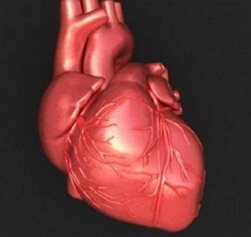 Pulmonary heart is a dilatation or an increase in the volume of the ventricle located on the right side of the heart, which arose as a consequence of pulmonary arterial hypertension. This is all due to pathologies that affect the structure and function of the lungs, not associated with anomalies of the left side of the heart or congenital heart defects.
Pulmonary heart can be formed, while having pathological changes in the lung, the mechanisms of the violation is not pulmonary respiration, which provide processes of lung ventilation, and various vascular lesions in the lung.
This disease, since 1964, is classified into an acute heart, subacute and chronic.
For acute pulmonary heart disease characterized by the development of the sharp increase in blood pressure in the lung and forming right ventricular failure that may be caused by large vessels thromboembolism of a pulmonary artery or the main trunk.
The subacute course of the disease is characterized by recurrent thromboembolism of small vessels of the pulmonary artery.
The main sign of pulmonary heart is the appearance of increasing dyspnea and insufficient work of the right ventricle in the shortest possible time. In addition, there are a number of other reasons for the development of subacute course, such as neuromuscular etiology, as well as pulmonary tuberculosis in miliary form and severe bronchial asthma. Very often, the pulmonary heart develops as a consequence of lung, gastrointestinal, and mammary oncology, as well as the squeezing of the vessels by the spreading tumor and the subsequent formation of thrombosis.
In 80% of the chronic form of the pulmonary heart arises as a consequence of broncho-pulmonary changes in general, and is characterized by slowly increasing hypertension in the pulmonary artery for a long period.
Pulmonary heart causes
In the development of this disease bronchopulmonary form, the primary role is played by various lesions of the respiratory system. Among them are chronic obstruction resulting from bronchitis, bronchial asthma, tuberculosis, bronchiolitis, emphysema, diffuse pulmonary fibrosis, cystic disease, bronchiectasis, and others. About 80% of bronchial diseases, and also light can trigger this form of heart disease.
The causes of the development of the thoracodiaphragmatic cardiac abnormality are various lesions of the diaphragm and thorax, which disrupt the processes of hemodynamics and ventilation in the lungs. Among them, marked disease, which is subjected to the chest deformation( Bechterew syndrome, kyphoscoliosis, and many others), neuromuscular pathological diseases of the pleura anomalies, as well as the diaphragm( fibrosis, phrenic paresis, torakopastika, Pikvicha syndrome background obesity et al.).
The pulmonary heart of the vascular type is formed as a result of the destruction of the lung vessels for the first time. Among them, diseases such as pulmonary hypertension, vasculitis, PE, aortic aneurysm, atherosclerosis and mediastinal tumors can be distinguished.
Among the main reasons affecting the development of pulmonary heart disease in acute form, emit massive pulmonary embolism, a heavy degree of occurrence of asthma, pneumothorax, valves, acute pneumonia. The formation of the pulmonary heart is strongly affected by repeated thromboembolism, cancerous lymphangitis of the lungs, myasthenia gravis, botulism and poliomyelitis.
In addition, pulmonary arterial hypertension has a primary effect on the formation of the pulmonary heart. At the beginning of the disease, it reflexively increases cardiac output, responding to increased respiration and tissue hypoxia, which develops as a result of poor function of the respiratory system.
Pulmonary symptoms
Symptoms Clinical manifestations may increase at different rates, so the symptomatology of the pulmonary heart is composed of the acute course of the disease, as well as the subacute and chronic course.
For a pulmonary heart with a sharp current is characterized by a very rapid development. For a subacute may take weeks or months, but the chronic course of the pulmonary heart is formed slowly, with the available pathology such as respiratory failure.
In the formation of the pulmonary heart with its chronic course, several stages are considered. These include: preclinical stage, which is characterized by transient hypertension and symptoms of stress of the function of the right ventricle;Compensated stage, which is manifested by an increase in the ventricle in the right side of the heart and stable hypertension without signs of circulatory disturbance;Decompensated stage is characterized by symptoms of insufficient right ventricular function.
For the chronic course of the pulmonary heart, there are signs of compensation: compensated heart and decompensated heart.
All clinical symptoms of such a disease as the pulmonary heart is based on the phenomenon of insufficient function of the heart in the presence of hypertension in the pulmonary artery.
An acute pulmonary heart is formed with the appearance of spontaneous chest pain and a sharp shortage of air in the form of dyspnoea attacks. Then, blood pressure is very low, which can cause collapse. In patients, cyanosis is noted from the skin, cervical veins swell, and tachycardia increases. In addition, the liver with characteristic pains under the ribs on the right increases markedly in its enlargement and psychomotor agitation increases. Epigastric and precardial pulsations are also noted, the heart is broadened to the right, a gallop rhythm over the xiphoid process is heard at the auscultation, and an electrocardiogram is visible at the right atrium overload.
With a very extensive PE in a short time in a few minutes, shock and pulmonary edema may develop. Quite often coronary insufficiency of an acute form is attached, which is characterized by a violation of the rhythm of the heart and the appearance of pain syndrome. In 35% of cases, a lethal outcome is observed.
The symptomatology of the subacute course of the pulmonary heart can manifest itself in the form of sudden, mild pains, shortness of breath, rapid heartbeat, fainting, the appearance of blood upon coughing and signs of pleuropneumonia.
The compensatory phase of the pulmonary heart is observed with the symptoms of the underlying pathology, in which the hyperfunction gradually develops and further the hypertrophy of the right side of the heart. Sometimes in some patients pulsation in the upper abdomen is determined, which is formed as a result of an increase in the right ventricle.
The decompensation stage is characterized by symptomatology of right ventricular failure. In this case, there is difficulty breathing( shortness of breath) after a physical load, inhalation of cold and in a lying position. Then there are pains in the heart, cyanosis, a frequent heart rhythm, veins in the neck begin to swell strongly, but do not change with inspiration, hepatomegaly and peripheral edema that are resistant to therapies.
Diagnostic examination of the pulmonary heart is marked by the deafness of the tones in the heart. Blood pressure may remain normal or decrease. And also there is an increase in pressure with a stagnant form of insufficient function of the heart.
Signs of the pulmonary heart become much more pronounced when the pneumonia of the lungs worsens.
In a later period of the disease, edema is much worse, hepatomegaly is progressing, neurological symptoms appear, such as drowsiness, apathy, headaches and dizziness, and daily urine output decreases.
Acute pulmonary heart
This is a symptomatic complex that occurs as a consequence of PE, as well as many diseases of the respiratory and cardiovascular systems.
In recent decades, there has been a strong jump up the increase in such a pathology as the acute pulmonary heart, which is associated with a more frequent development of PE.A high percentage of embolism and thrombosis is observed among patients with IHD, hypertensive disease, atherosclerosis, cardiac malformations of rheumatic etiology, and phlebothrombosis.
One of the underlying causes of the acute course of the pulmonary heart can be referred to valve pneumothorax;Massive PE( pulmonary artery thromboembolism);An attack of a protracted character against the background of bronchial asthma and an acute form of pneumonia.
With relapsing thromboembolism, lymphangitis of malignant etiology, botulism, myasthenia gravis, an acute pulmonary heart can be formed, characterized by a subacute course of the disease. There are many factors that contribute to the formation of PE.These include pulmonary hypertension, microcirculation disorders in a small circle, vasculitis and atherosclerosis, hypodynamia, surgical operations on the veins of the extremities and pelvis.
The pathogenesis of the formation of the acute pulmonary heart includes reflexes that form a diffuse narrowing of the capillaries into the lungs and bronchopulmonary anastomoses, develop bronchospasm, and cause a decrease in pressure in a large circle. All these mechanisms of a pathophysiological nature, as a rule, increase the pressure of a small circle and increase the overstrain of the right side of the heart. At the same time, the permeability of capillaries in the lungs, the appearance of fluid in the tissue with the further formation of pulmonary edema.
Symptoms of the acute pulmonary heart develop rapidly, accompanied by the phenomena of cardiac decompensation. Slightly more slowly develops a disease with subacute syndrome.
As a rule, the symptomatic complex of the acute course of the pulmonary heart arises quite suddenly with absolute well-being, and sometimes with exacerbation of chronic thrombophlebitis. In this case, dyspnoea appears in a sharp form, then the skin becomes cyanotic, starts to hurt behind the sternum and the patient becomes very excited at this moment. But PE of the main trunk for a short period, about half an hour, can cause a shock and death.
The subacute pulmonary heart is characterized by increasing dyspnea followed by cyanosis, shock and pulmonary edema.
During listening you can find a lot of wheezing wet etiology, as well as dry and scattered. Pulsation is detected between the second or third rib on the left. In addition, the veins on the neck swell, the liver progressively increases, which is very painful on palpation.
Sometimes, when the pulmonary heart develops coronary insufficiency in an acute form, which is characterized by pain syndrome, a violation of the rhythm of the heart and on the electrocardiogram the signs of myocardial ischemia are determined, usually in patients with IHD.In this case, there is a shock, squeezed your veins as a result of an increase in the ventricle in the right side of the heart.
Subsequently, the acute course of the pulmonary heart is due to the formation of an infarct of the lung and part of the perifocal inflammation of the lung. At the same time, chest pains are renewed or intensified, as a rule, during breathing, dyspnea and cyanosis continue to exist, but to a lesser extent. After this, a dry cough develops, sometimes even with the separation of sputum. In addition, most patients have hemoptysis with an increase in temperature, which is not amenable to antibiotic treatment.
During the examination of patients with this form of the disease there is a persistent increase in heart rate, very low respiration with wet wheezing of the affected part of the lung, as well as dry, scattered rales. Very often, the severity of the course of the disease with minor physical lesions of the lungs does not correspond.
Laboratory diagnostics reveals leukocytosis of a non-permanent nature, SDE indices have been significantly increased for a long time, a number of biochemical analyzes( fibrinogen, globulins, reactive protein, sialic acids, etc.) are increasing, and the activity of isoenzyme LDH3 is increased. Studying the system of blood clotting, hypercoagulability and inhibition of fibrinolysis are noted, and later hypocoagulation develops in connection with the activation of anticoagulation processes.
X-ray revealed an enlarged shadow of the lung root only on one side, as well as increased transparency of the lung walls. Also immediately determine the high location of the diaphragm from the side of the affected lung, dilated venous vessels and the enlarged right side of the heart.
Acute pulmonary heart disease is diagnosed on the basis of clinical symptoms, electrocardiogram data and X-ray examination. In addition, it is necessary to take into account thrombophlebitis on the lower limbs. An important diagnostic site in the definition of PE is pulmonary angiography, which allows you to determine the location of the affected area and the prevalence of pathology.
At the time of shock and clinical death, intubation, cardiac massage, and artificial ventilation are performed. After the onset of positive dynamics, a thrombus from the pulmonary artery is urgently removed or thrombolytic drugs are injected into this artery with a probe.
In addition, the pain syndrome is stopped by analgesics, drugs of neuroleptanalgesia and drugs;Reduce the pressure in the pulmonary artery by Euphyllinum, and in the absence of hypotension prescribe ganglioblokatory. Heart failure and shock are treated with sympathomimetics, glucocorticoids.
To treat thromboembolism, an early anticoagulant therapy is carried out, starting with intravenous administration of Heparin at 20,000 units, and then it is injected intramuscularly or subcutaneously, controlling the coagulation of the blood. Simultaneously appoint Streptokinase, Fibrinolysin, etc.
Chronic pulmonary heart
As a rule, this is an increase in the ventricle of the heart located on the right side as a result of diseases that disrupt the functioning of the lungs and their structure. An exception in this case may be primary lung lesions, for example, postinfarction cardiosclerosis, as well as heart defects.
For the chronic course of the disease is characterized by a gradual and slow onset of pulmonary heart development and hypertrophy of the prostate. This indicates a compensated form of cardiac pathology. At the time of the formation of right ventricular systole dysfunction( RV) as a result of increased pressure in the lung artery, a decompensated form of the chronic course of pathology is formed.
The risk factors for chronic pulmonary heart include those that correspond to the patient's underlying pathology, but the stressful situation and physical stresses can cause acute deterioration.
The primary cause of the development of chronic pulmonary heart disease can be attributed to alveolar hypoxia, in which the signs of respiratory failure predominate. The increase in carbon dioxide in the blood or hypercapnia also provokes the formation of the pulmonary heart. The delay of this gas in the body reduces the ventilation work of the lungs and causes pulmonary vasoconstriction.
Chronic pulmonary heart is classified into such basic forms as thoracodiaphragmatic, bronchopulmonary and vascular.
Vascular chronic course can occur on the background of pulmonary vasculitis, primary hypertension, thromboembolism, which has relapses and after surgical intervention in the lung. Diffuse lesions of the lung parenchyma and bronchi promote the appearance of a bronchopulmonary form of the chronic course of the pulmonary heart. First of all, it can be chronic obstructive bronchitis, as well as severe bronchial asthma, bronchiolitis, emphysema, pulmonary fibrosis, diffuse pneumosclerosis, granulomatosis, sarcoidosis and pneumoconiosis.
The thoracodiaphragmal form is characterized by its development against the background of significant violations of ventilation in the lungs and blood flow in them after various deformations of the thoracic region in the form of kyphoscoliosis. In addition, if there is a pathology of the pleura and diaphragm, manifested by massive fibrotorax, Bechterew's disease, after thoracoplasty, and also at night apnea.
Chronic pulmonary heart in its development is divided into three stages. The first preclinical stage manifests itself in the form of transient hypertension of the lungs, in which the function of the right ventricle is strained, which can only be determined with the help of instrumental research. The second stage is characterized by right ventricular hypertrophy and stable pulmonary hypertension without circulatory failure. The last third stage( decompensated) of the pulmonary heart manifests itself from the time of the appearance of the first clinical symptomatology of insufficient functioning of the right ventricle.
One of the characteristic subjective manifestations of pulmonary heart is shortness of breath, which at the beginning of development of pathology is sometimes perceived as respiratory failure, characteristic of chronic inflammation of the lungs. It should also be borne in mind that dyspnea does not always appear as a consequence of severe arterial hypoxemia, pressure in the artery of light and hypercapnia.
Sometimes, with a chronic pulmonary heart, tachycardia appears as a manifestation of insufficient breathing.
In addition, there are heart pains that are due to a relative coronary insufficiency, which is due to an increase in the right ventricle, inadequate capillary development, coronary artery spasm in the right side of the heart.
Also in patients with chronic pulmonary heart weakness is observed with increased fatigue and heaviness in the legs. This all develops as a result of violations of the passage of blood through peripheral organs and tissues, as well as as a consequence of hypoxemia.
With decompensated pulmonary heart, patients develop edema on their legs. Initially, they appear in the evening with localization on the ankles and feet, and closer to the morning pass. As the pulmonary heart progresses, edema passes to the thighs and lower legs and persists throughout the day, becoming stronger in the evening.
Quite often, patients complain of heaviness in the right hypochondrium, which is due to increased liver and stretched glisson capsule. In addition, it should be borne in mind that such abdominal disorders can be associated with abdominal atherosclerosis. In very severe cases, the abdominal enlargement is observed due to developing ascites.
Sometimes, patients with a chronic pulmonary heart exhibit disorders of the nervous system in the form of severe encephalopathy. Such patients are very excited, aggressive, sometimes they experience euphoria and psychosis. But another category of patients, on the contrary, languid, depressed, they have drowsiness during the day and insomnia at night, they are suffering from headaches and dizziness. For severe cases of chronic pulmonary heart is characterized by loss of consciousness with convulsions. Sometimes a collapoid state develops with severe weakness, dizziness, rapid decrease in blood pressure, the appearance of profuse cold sweat and tachycardia.
In patients with pulmonary heart decompensation, cyanosis is additionally observed, which is considered the most important sign of this form of the disease. Cyanosis is observed on the lips, fingertips, nose, ears and chin. Edema appears in the lumbar region as a result of bed rest. Also, the cervical veins swell, especially with a painful low-yield cough in patients diagnosed with obstructive bronchitis or bronchial asthma. But in severe forms of the disease hepato-ugular reflux is noted after pressing on the abdominal wall.
The terminal stage of the chronic pulmonary heart is characterized by cardiac cachexia. In addition, there is emphysema of the lungs.
Diagnosis of the pulmonary heart
A prerequisite for the diagnosis of the pulmonary heart is differential diagnosis with an increase in the right ventricle in the primary cardiac abnormality.
The diagnostic criteria of the pulmonary heart include the patient's existing diseases, that is, causal factors. Such patients are assigned a consultation of a cardiologist and a pulmonologist.
primarily conducted a thorough examination of the patient and to pay its external features, the presence of he cyanosis, impaired respiratory symptoms, pain in the heart, and others. The electrocardiogram determine various features increases right ventricle.
An X-ray examination reveals an enlarged shadow of the lung root only on one side, its transparency, high diaphragm lift from the side of the affected lung, expansion of the artery trunk and an increase in the right side of the heart.
For diagnostic purposes, a spirometer is used to determine the degree and type of inadequate respiratory function. Echocardiography makes it possible to determine the hypertrophy of the right side of the heart, the pulmonary heart. And pulmonary angiography is used to diagnose PE.To determine cardiac output, the movement of blood flow with its velocity, the volume of blood involved in circulation, and the pressure in the veins, use a radioisotope method of investigating blood circulation.
Pulmonary heart treatment
All the therapeutic method of the pulmonary heart is aimed at active treatment of patients with underlying pathology( bronchial asthma, PE, pneumothorax, etc.).
For symptomatic treatment, bronchodilator and mucolytic drugs, respiratory analeptics, oxygen therapy are used. The pulmonary heart in a decompensated form of the flow with bronchial obstruction requires the constant use of glucocorticoids.
For alignment of arterial hypertension in chronic form appoint Eufillin, first of the disease - Nifedepin, Corinfar, Adalat. For the decompensated course of the pathology, Nitroglycerin, Nitrosorbit, with mandatory blood control, is used to rule out hypoxemia.
With clinical symptoms due to heart failure, cardiac glycosides and diuretics are used. To correct hypokalemia, use Panangin, Potassium Chloride. Among diuretics, preference is given to Aldaktonu, Triampura and others, since they possess potassium-sparing properties.
When expressed erythrocytosis resorted to bleeding with the further administration of intravenously Reopoliglyukin. In addition, patients with pulmonary heart disease are recommended to prescribe prostaglandins, which have such actions as antiplatelet, antiproliferative and cytoprotective.
Also a significant place in the treatment of pulmonary heart is the preparation of Bozantan, which is an antagonist of endothelin receptors.
When a patient develops acidosis, he intravenously injected a solution of sodium hydrogencarbonate. To treat violations in the right ventricular type of circulation, Veroshpiron, Triamteren, etc., and left ventricular - intravenous administration of Korglikona from 0.5 to 1 ml.
To improve metabolic processes in the heart muscle, Mildronate, Potassium Orotate or Asparcum( Panangin) are recommended.
In addition to medical treatment of pulmonary heart use in the complex respiratory exercises, massage, exercise therapy and hyperbaric oxygenation.
Pulmonary heart forecast
Predicting diseases complicated by a pulmonary heart is always serious. PE is an immediate threat to the lives of patients. If thromboembolism does not lead to death, then the symptomatology of the pulmonary heart regresses within a week, and in the treatment - within two days.
The same dynamics will be observed against pneumothorax and asthmatic status.
The subacute course of the pulmonary heart is characterized by an unfavorable prognosis in terms of patient capacity for the next months and several years. This is explained by the impossibility of curing the underlying disease, as well as its progression.
The chronic form of pulmonary heart in the presence of chronic nonspecific pathology of the lungs is characterized by a constant progression of the disease, thereby worsening its prognosis. Very rarely, in severe cases with the constant use of glucocorticoids, the patients feel better, which leads to a decrease in the right ventricular enlargement over several years. Thus, the pulmonary heart does not progress.