Drugs for pancreatitis, treatment of the disease
pancreatitis is any inflammation of the pancreas. This is a serious disease that can be acute and chronic. Depending on the form of the disease, various medications for pancreatitis are used to treat patients, including analgesics, antispasmodics, antacids, enzymes, herbs and other medicines.
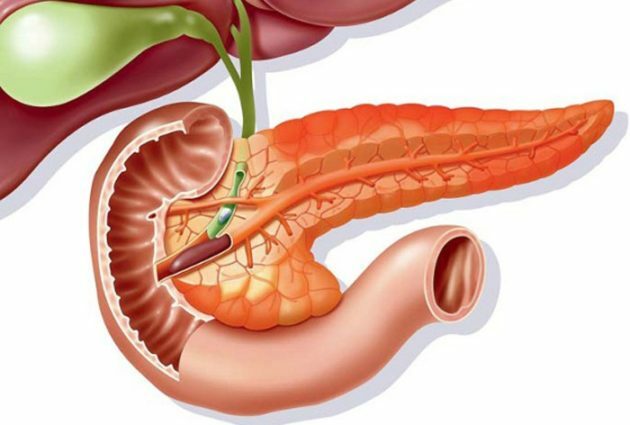
Acute pancreatitis has a sudden onset and short duration, whereas the chronic form of the disease develops gradually deteriorates with time, leading to a permanent lesion of the pancreas.
Analgesics
Pain relief is an integral part of the treatment of acute and chronic pancreatitis. In pain syndrome of moderate severity, non-strong analgesics are used, but many patients require powerful painkillers or narcotic drugs.
Slack analgesics
In most cases, when an attack of acute or chronic pancreatitis with mild pain medication following apply:
- Paracetamol .A drug for the treatment of mild pain in inflammation of the pancreas, which is taken orally in the form of tablets or syrup. This medicine can be used in pancreatitis in both adults and children. Care should be taken not to exceed the recommended dose of paracetamol, since in this case there is a risk of damage to the liver.
- Non-steroidal anti-inflammatory drugs( NSAIDs) .This is one of the most common pain killers in the world. These include Aspirin, Ibuprofen, Ketoprofen and other drugs. Most patients who take these drugs with pancreatitis in the recommended doses do not develop any serious side effects. The most common complications of their reception are problems with the digestive tract, gastritis and ulcers. Therefore, with prolonged intake of NSAIDs, it is also necessary to drink drugs that protect the gastric mucosa, most often proton pump inhibitors.

strong analgesics and narcotic drugs
In case of failure of paracetamol and the NSAID pain relief patients prescribed stronger analgesics:
- Codeine.
- Tramadol.
In very severe attack of pain the patient may need narcotic pain relievers, which include :
- Morphine.
- Omnipon.
Side effects of these drugs include constipation, nausea, vomiting and drowsiness. Constipation occurs with long-term use of narcotic drugs, for their elimination, laxatives are often consumed. If the patient, having taken one of these painkillers, becomes drowsy, he should not drive the car or perform any activity requiring vigilance.

Spasmolytics
These are medications that relax smooth muscles. Such drugs are widely used for treatment of pancreatitis, especially if the disease is combined with cholecystitis and dyskinesia of the bile duct.
Most commonly used:
- Drotaverin( No-shpa) .The most commonly used antispasmodic for the treatment of pancreatitis and cholecystitis. It helps to alleviate the pain caused by the spasm of the smooth muscles of the biliary and pancreatic ducts. Side effects of drotaverina include headache, dizziness, nausea.
- Mebeverin. One of the most effective antispasmodics. Side effects of this drug include heartburn, dyspepsia, constipation, dizziness, insomnia, worsening of appetite.

Antacids
Preparations that neutralize gastric acid. Due to a decrease in acidity with the help of these drugs, the gastric contents when ingested into the duodenum do not cause active secretion of pancreatic enzymes, which contributes to the physiological dormancy of the pancreas in pancreatitis.
To this group belong:
- Preparations based on aluminum.
- Preparations based on magnesium. Although these drugs, due to inactivation of the acid, and reduce the activity of the pancreas, they are practically not used for pancreatitis, since there are more effective means - H2 blockers of histamine receptors and proton pump inhibitors.
H2-blockers of histamine receptors
This is a group of drugs that block the action of histamine on receptors in stomach cells that produce acid. Due to this action, pancreas medications reduce the synthesis of acid in the stomach, which is necessary in the treatment of pancreatitis.
These belong to:
- Famotidine.
- Cimetidine.
- Ranitidine.
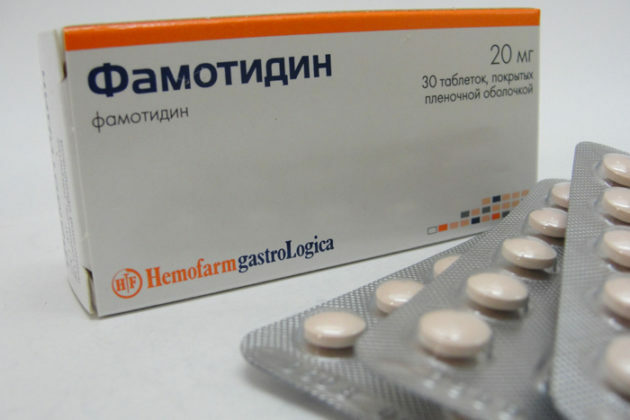
Despite their effectiveness, these drugs are gradually being pushed out of the practice of treating pancreatitis with proton pump inhibitors.
Inhibitors of the proton pump
PPI is a group of drugs that irreversibly block the synthesis of acid in gastric cells. They most effectively reduce the acidity of the contents of the stomach.
These belong to :
- Omeprazole.
- Pantoprazole.
- Rabeprazole.

The most common side effects of proton pump inhibitors are headache, diarrhea, constipation, abdominal pain, flatulence, nausea and vomiting. Long-term use of these drugs in a high dose may increase the risk of bone fractures associated with osteoporosis.
Enzyme preparations
In many patients with chronic pancreatitis, the pancreas does not produce enough digestive enzymes. In such cases, doctors prescribe artificial drugs to replace pancreatic enzymes, which can improve the work of the gastrointestinal tract and promote the absorption of nutrients.
These preparations include:
- amylase;
- lipase;
- proteases( pepsin, trypsin, chymotrypsin).

The most famous preparations of pancreatic enzymes are Creon, Mezim, Pancreasim. Side effects of these drugs include diarrhea, constipation, nausea, vomiting and abdominal pain.
Antiferment preparations
Antiferment preparations are agents that inhibit the activity of pancreatic enzymes. These drugs are most often included in the treatment of acute pancreatitis.
These belong to:
- Counter.
- Gordox.

Currently, these drugs are used in pancreatitis rarely, as their effectiveness has not been confirmed by clinical studies. Side effects of Gordox and Contrikal include allergic reactions, nausea, vomiting and diarrhea.
Octreotide
This is an artificial analogue of the somatostatin hormone. It suppresses the secretion of the stomach and pancreas, which, according to many doctors, is useful in pancreatitis, especially when it is acute. However, it was not possible to finally prove its effectiveness in this disease, so the expediency of using Octreotide remains in question.

Sedatives
In the case of pronounced chronic pain patients are sometimes prescribed sedatives, which include:
- Amitriptyline.
- Doxepine.
These drugs are included in the scheme of treatment of chronic pain. They not only alleviate depression in patients, but also enhance the action of pain medications.

Hormones
If chronic pancreatitis caused by an autoimmune process, corticosteroids are used( e.g., prednisolone).However, long-term use of these drugs can cause serious side effects, including osteoporosis and weight gain.

Antibiotics
Assigned only for infectious complications of acute pancreatitis. Since in these cases the patient's condition is usually severe, strong antibiotics are used( Meropenem, Doripenem).

Herbs
Herbs with pancreatitis often used as part of combination therapy. They can be used only in uncomplicated cases of chronic form, and even then only in the stage of remission.
As a rule, in pancreatitis, medicinal herbs are used to stimulate the regeneration of pancreatic tissues, as well as having antispasmodic and anti-inflammatory properties. The most common form of herbal medicine is the use of herbal teas and decoctions.
Herbs pancreatitis pancreas can be divided into several groups:
- herbs that enhance the regenerative properties of the pancreas - chamomile, yarrow, plantain, horsetail, St. John's wort, calendula.
- Herbs that have antibacterial properties - St. John's wort, yarrow, tansy, calendula, horsetail field.
- herbs, helps to eliminate toxins from the body - valerian, geranium, elecampane, St. John's wort, Ivan-tea, centaury, plantain, mint, chamomile, yarrow.
- Herbs with sedative and spasmolytic properties - motherwort, valerian roots, mint flowers.
Before treating pancreatitis or cholecystitis with herbs, you need to consult a doctor. Despite its naturalness, herbs can have a pronounced effect and lead to equally strong side effects.

Regimen pancreatitis
Regimen pancreatitis using folk remedies, medicines and non-drug methods is made solely by the attending physician based on the clinical picture of the disease. Before you start to treat pancreatitis, it is necessary to conduct a survey to help determine which medications need prinimat. Chasche only during the exacerbation of chronic pancreatitis prescribe proton pump inhibitors, antispasmodic and pain medications. With a shortage of enzymes of the pancreas, enzymatic agents are used.
Treatment of acute pancreatitis is carried out only in a hospital setting, since this disease can be life-threatening to the patient.
Drugs for chronic pancreatitis
Most patients with chronic pancreatitis in the remission phase need only compliance with the diet. Drug therapy is performed with exacerbation of the disease.
The treatment regimen most often includes:
- Anesthetics and antispasmodics.
- Enzyme preparations.
- Drugs that suppress the production of gastric acid( proton pump inhibitors or H2-blockers of histamine receptors).
Pancreatitis is a common disease, for the treatment of which drugs from various groups are used. To choose the best medicine for pancreatitis, doctors need to take into account the form and stage of the disease, the symptoms and causes of inflammation of the pancreas, the results of laboratory and instrumental diagnostic methods. Whatever medication a doctor may prescribe for pancreatitis, it is impossible to cancel their administration alone.
Author: Taras Nevelichuk, doctor,
specially for Moizhivot.ruUseful video about the treatment of pancreatitis