After a colonoscopy: diet, stool and complications of the procedure

Colonoscopy is a diagnostic minimally invasive examination of the large intestine with the help of an endoscope. During the procedure, the doctor examines the body wall for inflammation, polyps, tumors and other pathological conditions. Colonoscopy requires proper preparation for the procedure and compliance with recommendations for recovery after it. Especially important after colonoscopy is proper nutrition.
The recovery period includes, in addition to diet, phytotherapy and an adequate regime of physical activity. This takes into account the diagnosis of the patient, its functional and physical characteristics, the presence of concomitant diseases, the development of complications.
Consequences of colonoscopy
Negative effects of colonoscopy of the intestine appear extremely rarely, since this procedure is considered a relatively safe diagnostic method. More information about other methods of diagnosing colon diseases →
A list of possible consequences of a colonoscopy
:- Intestinal perforation is rare, in 1% of cases. Complication after colonoscopy of the intestine in the form of perforation requires an urgent operation, during which the damaged tissue of the organ is restored.
- Development of complications associated with a prior anesthesia, for example, respiratory disorders, the treatment of which requires resuscitative measures.
- Intestinal bleeding occurring in 0.1% of cases. Blood after a colonoscopy may appear immediately after the end of the procedure or during it. Complication can also occur a few days after the examination. If the bleeding has appeared during the colonoscopy, the help consists in the introduction into the damaged site of the organ of injection of adrenaline or cauterization of bleeding vessels, the procedure of investigation is completely stopped. If bleeding after a colonoscopy appears after a few hours or days, surgical intervention with general anesthesia is necessary.
- Infection with hepatitis B and C virus, syphilis, HIV and salmonellosis.
- Pain after colonoscopy of the intestine and temperature increase due to the involvement of inflamed tissue, polyps and other pathological changes.
- Very rarely there is a rupture of the spleen.
It is important to seek medical help immediately if several hours or days after the procedure the following signs of trouble appear: :
- the temperature rises to 38 ° C and above;
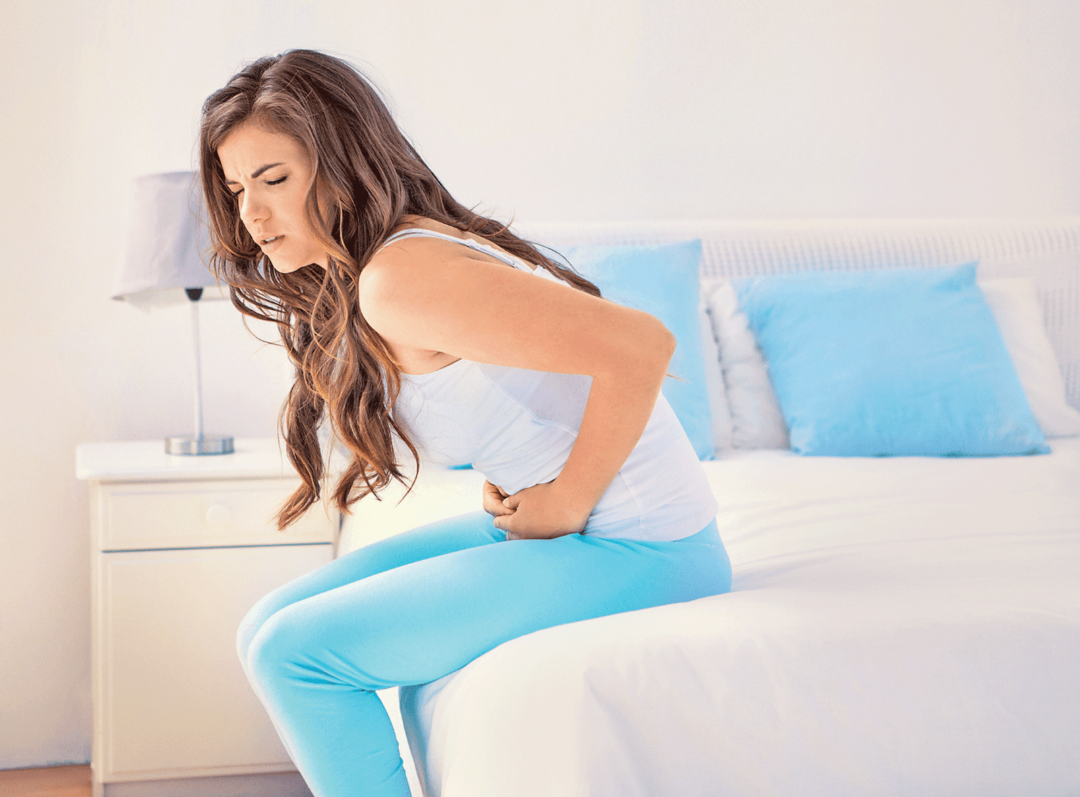
- after a colonoscopy sore stomach;
- appeared nausea and vomiting of unknown origin;
- there are discharges with blood from the rectum;
- after a colonoscopy appears diarrhea with blood;
- feels weakness, dizziness, a general decline in strength.
Prophylaxis of
The main method of preventing complications of a colonoscopy is performing diagnostic manipulation according to strict indications. If it is possible to diagnose the disease without using endoscopic equipment, then the colonoscopy is not assigned.
In addition, a preventive measure is the refusal to perform the procedure in the presence of the following contraindications:
- infectious diseases of the intestine and other organs in acute form;
- acute course of ulcerative colitis of nonspecific origin;
- hernia pathology of any location;
- of the blood coagulation system;
- complicated ulcerative or ischemic colitis;
- severe cardiac or pulmonary insufficiency.
After the appointment of a colonoscopy to the patient in order to prevent possible consequences, it is important to prepare it correctly for the procedure. Before the procedure, a person is examined in a comprehensive manner to detect concomitant pathologies that can cause subsequent complications.

patient should be informed about the possible consequences of this kind of research and on how to prepare for it, such as when and what to eat after a colonoscopy, etc.
Preparing for a colonoscopy involves :.
- Compliance besshlakovoy diet for 7 daysBefore the procedure.
- Refusal to eat 12 hours before the procedure.
- Cleansing of the intestines with an enema the day before - in the evening and in the morning before the colonoscopy.
- Allergy tests for drugs used for anesthesia.
Since there is the risk of infection pathologies such as hepatitis B and C, HIV and other infectious agents, it is necessary that the tools used for specialist procedures was sterilized and tested for the presence of pathogens of various diseases. In addition, the study should be performed in a sterile environment.
Intestinal injury is the most common consequence of a colonoscopy. To prevent this and other complications, an experienced skilled doctor should be engaged in the manipulation.
power after colonoscopy
diet after bowel colonoscopy is the primary point in the prevention of the effects after the procedure, which begins in the preparatory phase - subject to special besshlakovogo power and conduct a cleansing enema. As a result, during the study, the intestine will be maximally pure and free from products of putrefaction, toxins and other infectious-inflammatory complicating factors.
Eating after colonoscopy of the intestine should be as gentle and fractional as possible to exclude an increased load on the digestive tract, particularly the intestine. Food should be easily digestible, saturated with minerals and vitamins, which is an excellent preventive tool for infectious diseases and bleeding of the large intestine. Overeating and the use of heavy indigestible food after the procedure is excluded.
So what can you eat after the intestinal colonoscopy:
- based soups vegetable broth;
- boiled eggs;
- fish of low-fat varieties, boiled or steamed;
- fresh and thermally processed vegetables and fruits.
How to eat after a colonoscopy is not recommended?
The ration should not include :
- fried meat and fish dishes;
- smoked products, sausages, preserves;
- whole-grain cereals;
- fresh pastry and bakery products, confectionery products.
How to eat after a colonoscopy of the intestine, the treating doctor should tell the patient in detail, starting from the root cause of the disease and the state of health of the patient.
Another important aspect - to determine how to restore the gut after colonoscopy in terms of microflora, which was seriously damaged during the manipulation of the endoscopic equipment and during administration of medication.
What can I eat after a colonoscopy to normalize the state of the intestinal microflora? This may be milk products( e.g., yogurt, cottage cheese, yogurt), receiving probiotics required( Bifidumbacterin et al.), Which are desirable to use in soluble form, and not in the form of tablet formulations.

Such a diet after colonoscopy has a positive effect on the restoration of the intestine.
What can not be done?
After a colonoscopy, the patient can not leave the hospital immediately - within a few hours he needs to be supervised by medical personnel, especially if general anesthesia has been used as an anesthetic. If the anesthesia was local, after 1 hour the patient could go home.
There are no restrictions on the intake of food and liquids after the procedure. But that the patient did not have a reason to ask the question what to do with constipation after a colonoscopy, it is important to follow the recommendations on nutrition, using in the first days after the procedure mostly digestible food in small portions.
Usually, the chair after the procedure appears on day 2-3, with the condition that the patient takes into account what can be eaten after colonoscopy of the intestine, following the recommended diet. If you eat foods with insufficient fiber, then complaints like "after a colonoscopy I can not go to the toilet" are quite understandable - the time of appearance of the chair may be postponed for another 1-3 days.
If the intestine hurts after a colonoscopy and signs of flatulence, abdominal pain and bloating are clearly felt, this may be a result of the air pumped into the intestines that is used during the procedure. Usually it is pumped back with a colonoscope.
But what if you are concerned about the symptoms of flatulence, and your stomach hurts after a colonoscopy? You can take Activated Carbon in the calculation of 1 tablet per 10 kg of the patient's weight. It is impossible to take laxatives with the goal of getting rid of flatulence and do an enema after the procedure without consulting with the doctor.
It is prohibited before and after colonoscopy to take iron preparations, antiplatelet agents such as Aspirin( inhibit the functional significance of platelets) - it is important to stop taking them after an initial full-time conversation with the doctor who prescribes these medications.
The same goes for anticoagulants, for example, Kumadin, Warfarin. Drugs that dilute blood are dangerous before and after any intervention on the body. If necessary, you can replace them with the drug Clexane - heparin, characterized by a low molecular weight.
Any medication should be discussed with your doctor at the stage of colonoscopy preparation.
Colonoscopy as a diagnostic minimally invasive procedure involves the examination of the walls of the large intestine with a prophylactic goal for the search for pathological conditions in the organ.
Manipulation is highly informative, performed by local or general anesthesia. Every fifth procedure becomes therapeutic and diagnostic, because during this procedure the doctor removes the detected polyps of the large intestine. Restoration of the colon after a colonoscopy requires mandatory compliance with dietary guidelines.
Author: Olga Rogozhkina, doctor,
specially for Moizhivot.ru