Causes of constipation in women and their treatment, useful tips
Intestinal congestion in women can appear due to gastrointestinal diseases, nervous stress, poor nutrition and a strict diet, hormonal changes, hemorrhoids and other reasons. The causes of constipation in women, their treatment and when to see a doctor - all this can be found below.

Causes of constipation in women and their treatment
Content
-
1 For what reasons there is a stool retention
-
1.1 For young women
- 1.1.1 Features of the menstrual cycle
- 1.1.2 Pregnancy
- 1.1.3 Natural childbirth
- 1.2 Problems in older women
- 1.3 General reasons
-
1.1 For young women
- 2 Consequences and complications
-
3 What are the symptoms of constipation?
- 3.1 When to go to a specialist
- 3.2 When can you heal yourself
-
4 Treatment: diet, folk and medication
- 4.1 Diet
- 4.2 Folk remedies
- 4.3 Medications
- 5 Tips for young, pregnant and older women
For what reasons there is a stool retention
The classification is presented according to the age of the woman.
For young women
In young women, delayed bowel movements may be due to the following reasons.
Features of the menstrual cycle
In addition to headaches, swelling, bloating, changes in eating habits and mood changes, there may be delays in bowel movements before menstruation. This is due to an increase in progesterone in the second phase of the cycle and especially before the onset of menstruation. This hormone lowers intestinal motility and causes constipation.
In the absence of problems with the digestive system, symptoms go away with the first day of menstruation due to a decrease in progesterone concentration and estrogen production.

Synthesis of progesterone
Pregnancy
An increase in progesterone also plays a role here: the body increases its concentration for the successful bearing of a child. Stool retention can also cause psychological instability, lack of mobility and enlargement of the uterus as the fetus grows. The latter leads to squeezing of the intestine, a decrease in its peristalsis and, as a result, problems with defecation.
Do not take this symptom for granted, as if left untreated, it can lead to anal fissures and hemorrhoids.

At the first problems, you should consult a doctor and get recommendations for treatment
Natural childbirth
In the first week after giving birth, the mother is more likely to be constipated due to pain. Especially if there were injuries to the vagina during the process. However, once breastfeeding begins, stool returns to normal as the hormone oxytocin begins to form in the body. It normalizes the assimilation and digestion of food. Provided that there were no complications and no diseases of the digestive system.
Fact: women often suffer from stool delays, who change their diet dramatically, exhaust themselves with hunger strikes in order to quickly lose weight, drink water to a minimum to minimize swelling.
Problems in older women
Here, the reasons are associated with hormonal changes and aging of the body. The intestines no longer form enough bacteria to break down food and excrete faeces, resulting in a delay. It can also be related to:
- with genital prolapse. This is the prolapse of the internal organs - the bladder, uterus, vagina and rectum. To determine the presence of a disease, you must consult a doctor;
- with weakened ovarian function. Typical for women over 50 years old. Decreased ovarian performance directly affects the slowdown in the production of estrogens, which help the intestines to function normally. After the onset of menopause, hormonal changes occur, and the stool is normalized;
- with no sex life. Poor sexual activity contributes to the development of stool retention.

According to statistics, women are twice as likely to suffer from constipation than men.
General reasons
You can also identify common reasons that can lead to stool retention in both young and elderly women:
- passive lifestyle directly affects the functioning of the intestines and other internal organs. Lack of physical activity leads to a weakening of intestinal motility and stagnation. To improve the situation, it is recommended to do abdominal exercises or engage in physiotherapy exercises. For older women, a special massage is well suited;
- wrong diet. In case of disturbances in the diet, lack of trace elements, long breaks between meals, constipation is possible. Also, stagnation can be due to the use of spicy, fried and fatty foods, fresh baked goods, strong coffee or tea, alcohol and chocolate;
- lack of fluid in the body. Drink at least 1.5 liters of clean water daily;
- long-term use of medications. Constipation can be caused by antidepressants, diuretics, antipsychotics, and drugs high in calcium or iron.
- neurological and psychological problems. We are talking about depression, stress, mental fatigue, lack of normal sleep;
- rectal diseases - hemorrhoids and anal fissures;
- diabetes;
- hormonal disruptions.
Fact: Overuse of laxatives also harms the gut as it gets used to artificial activation.
Consequences and complications
Constipation is not just psychological discomfort and pain. They can lead to serious consequences and complications:
- Intestinal obstruction.
- Hemorrhoidal bleeding.
- Fecal ulcers in old age.
- Prolapse (prolapse) of the rectum.
- Chronic intoxication of the body.
- The flow of constipation into a chronic form.
- Diverticulosis (bulging) of the colon.
- The appearance of tumors in the colon or rectum.
Therefore, in no case should you postpone the solution of the problem.
What are the symptoms of constipation?
The course of treatment and the period during which you need to seek professional help depend on the symptoms.
When to go to a specialist
In addition to constipation itself, the presence of general symptoms should become a cause for concern: fever, headaches, skin rashes, weakness and fatigue. This condition can signal:
- dysbiosis;
- pancreatitis - pancreatic disease;
- pathological processes in the intestine or colon;
- neoplasms on the walls of the colon or intestines;
- dysfunction of the adrenal glands, thyroid gland, or ovaries;
- diseases of the liver, stomach and other internal organs of the digestive system.
All these diseases can significantly harm health, therefore, if you have general symptoms, you should immediately consult a doctor.
Fact: the same applies to cases when feces change their consistency or color, have impurities of blood, pus.
When can you heal yourself
If constipation is not caused by the above diseases and is associated only with nutrition, then they are accompanied by other symptoms. This is bloating, mild nausea, poor appetite, rare urge to defecate, which either end in vain or with changes - the stool becomes very hard and dry.
To get rid of the problem, you can try using the folk remedies or medicines presented below. However, in the absence of results or deterioration of health, it is better to get qualified help.
Treatment: diet, folk and medication
Constipation treatment directly depends on the cause that triggered the stool retention. If a woman has problems with the endocrine system, then hormonal drugs are required. If we are talking about inflammatory processes in the internal organs of the digestive system, then you need anti-inflammatory drugs.
The main rule in treating stool retention is complexity. It is necessary not only to take medications, but also to maintain a certain diet, engage in physical activity, avoid stress and maintain a sleep schedule.
Fact: When treating constipation, there is a high risk of dysbiosis, which can translate the ailment into a chronic stage. Medicines with live bacteria, which are prescribed by a doctor during and after taking antibiotics, will help to avoid this.
Diet
It is necessary to include in the diet foods high in fiber. Vegetable oil will help soften feces and improve intestinal motility. You can add a couple of drops to cooked food. General dietary guidelines:
- drink abundantly;
- do not eat in large portions;
- maintain a balance in trace elements, carbohydrates, fats and proteins;
- fragmentation - food intake every 3-4 hours;
- maintain the optimal temperature of food, especially in case of gastrointestinal diseases.

Product Recommendations
Folk remedies
With a stool retention for three days, sorbents must be taken. They will remove toxins from the body and help avoid intoxication. From plants and folk remedies that can help with stool disorders, one can single out:
- aloe;
- senna;
- plantain;
- buckthorn bark;
- a glass of kefir before bedtime;
- dried apple and cherry teas;
- pickle of sauerkraut or cucumbers;
- three rhubarb stalks with apple juice. You should grind rhubarb to the state of gruel, mix it with juice and a spoonful of honey. You can add a couple of drops of lemon juice to the mixture. The resulting product should be drunk at a time and wait for the laxative effect;
- dried apricot, black plum (250 mg each) and a tablespoon of alexandrian leaf. Mix them and add a teaspoon of honey, a tablespoon of vegetable oil. Mix the resulting mixture well and leave in the refrigerator for ten days. After that, drink a spoonful before bedtime.

Prunes - a proven remedy for removing feces from the body
Medications
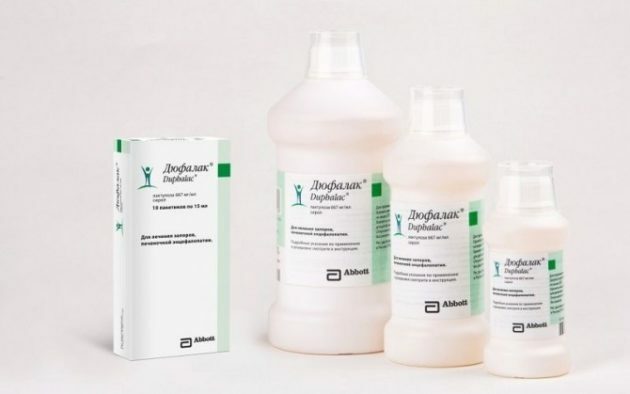
As a last resort, laxatives can be used. The main thing is not to abuse them, otherwise it can cause addiction of the intestines and make it difficult for its natural work. Probiotics have the greatest safety among laxatives. They restore damaged microflora, are less addictive and work in slow motion. Examples of such drugs: Lactobacterin, Duphalac, Prelax.

"Prelax"
However, it is best not to prescribe a laxative for yourself, but to get a full consultation with a doctor. Because even probiotics have side effects and contraindications. Not to mention the more dangerous drug categories.
Important: in no case should a laxative be taken if the constipation lasts more than three days. The absence of a stool during this time can lead to the formation of fecal congestion. Artificial activation of the intestines will damage the walls and cause bleeding.
Tips for young, pregnant and older women
Table 1. Tips to Avoid Stool Retention
| Young women | Pregnant women | Elderly women |
|---|---|---|
| Increase physical activity | Do not use enemas or laxatives as they can harm the body | Do a colonoscopy |
| Add psyllium or bran to your diet | Wait patiently for the urge to have a bowel movement, as constipation during pregnancy is common | Check the endocrine system |
| Eat right and eat foods high in fiber | Do not sit after childbirth if the vagina has been torn. Healing takes place within 2-3 weeks, during which it is necessary to feed the baby lying down. It is also not recommended to eat vegetables, bread, fruits in the early days. | Get tested for diabetes |
| Monitor your health and do not trigger diseases of the digestive system | On the third day after childbirth, an enema should be given. Then gradually return to normal nutrition | Assess the need for medication that can lead to constipation - diuretics, antidepressants, pain relievers |
| Have a regular sex life | Avoid excessive physical activity. If you carry bags of groceries, and even with your child in a stroller, you can earn a prolapse of the pelvic organs. | Conduct colporrhaphy (the procedure is relevant for women aged 70 and over) - plastic surgery to suture the walls of the vagina |
General tips for improving your well-being and preventing constipation include:
- plentiful drink;
- gymnastics to strengthen the muscles of the pelvic floor;
- an increase in the time spent in the fresh air;
- control of food and avoidance of long breaks between meals;
- adding to life at least minimal physical activity in the form of daily exercise.
If the delay in bowel movement lasts longer than three days, and folk remedies and dietary changes do not help, then the best solution would be to see a doctor.