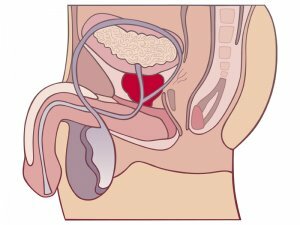
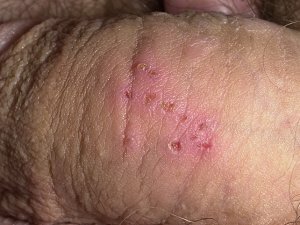
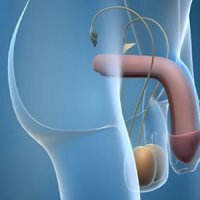
Oligoasthenozoospermia: Symptoms and Treatment
Oligoasthenozoospermia Grade 3: diagnosis, or a sentence?

When a doctor makes a diagnosis man oligoasthenozoospermia third degree, it is a long name scare most couples. They think that it is difficult for the utter term lies something terrible and incurable.
Content:
What is oligoasthenozoospermia
To understand oligoasthenozoospermia need this name translated from Greek: Oligo - a little, insignificant; asthenia - impotence; zoo - a living; sperm, sperm - a seed.
Thus, it turns out that oligoasthenozoospermia - a small, relaxed living seed in the male ejaculate. The disease, which is diagnosed male infertility. Depending on the number of live sperm, the disease is divided into several stages:
- Grade 1 - slightly manifested. Diagnosed in the presence of 20-40 million. spermatozoa in 1 ml of semen. The presence of active sperm is not less than 50%; In this step, pregnancy disease occurs in 25-30% of couples.
- 2nd degree - moderately manifested. 5-20 million observed in this state semen. sperm, if 35-40 percent of live cells.
- 3rd degree - manifested. To this extent, in 1 ml of semen accounts for only 5 Mill. sperm are active no more than 12-25 percent. The probability of conception naturally decreases to 2 percent.
- 4th level is the most critical. When this is detected degree of not more than 10 percent of spermatozoa in 1 ml of semen. And almost zero chance of conceiving naturally.
The disease has severe symptoms, and does not manifest itself. Suspicion of this pathology occurs in the absence of pregnancy. Oligoasthenozoospermia diagnosed only by semen analysis, after the testing.
Unfortunately, most men are so sure of themselves that they refuse to go to hospital for examination. In this case they are accused of infertility women. Meanwhile it observed that in 60% of cases pregnancy does not occur because of the low activity of spermatozoa of these 60 percent accounted for half of pathologies oligoasthenozoospermia.
The reasons for the emergence and development
Andrology all over the world are studying the causes of oligoasthenozoospermia and triggers this disease factors. But some of them are today.
The most common cause of pathology are transferred once infectious, in particular, sexually transmitted diseases. We can not exclude that some heavy antibiotics triggered deformation in the testes that produce sperm.
Oligoasthenozoospermia accompanies following diseases related to sperm structure or affecting the quality of semen:
- Klinefelter syndrome. This is - a genetic disorder associated with the violation of the number of chromosomes. 1 occurs in the case of neonates 500-700. Klinefelter syndrome is accompanied by erectile dysfunction, gynecomastia, infertility.
- Turner syndrome - another chromosomal abnormality associated with the absence of Y-chromosome. The disease is accompanied by impaired physical development and sexual infantilism.
- Dysplasia (development violation) fiber membranes of the sperm tail.
- Mitochondria.
- Mutations in DNA.
- Testicular atrophy.
hard data pathological processes to treat and require sophisticated medical equipment, as occurs at the intracellular and even molecular level. The consequence of genetic disorders in the body is oligoastenospermiya that the disease shows irreversible infertility, doctors prefer to "ethical reasons" to keep silent.
But not limited to the above reasons create the preconditions for infertility. There are others. Some of them can be treated:
- Undescended testicle into the scrotum - cryptorchidism.
- Overheating of the ovaries related to wearing tight underwear passion sauna, especially hot tubs.
- Fascination with alcohol, smoking cigarettes, drugs.
- Diseases that weaken the immune system.
- Veins uviform plexus of the spermatic cord - varicocele.
- Twisting of the testicle.
- Hormonal disruptions pituitary and hypothalamus.
- Erectile dysfunction, caused by long-term abstinence.
- Long-term lead poisoning organism. This problem is connected with the professional activity; And if a man wants to be a father, perhaps he would have to change jobs.
- Sressy, increased stress.
- Old age men.
From all this it can be concluded that oligoasthenozoospermia - secondary disease that occurs as a result of other pathologies. Therefore, such a diagnosis, the doctor prescribes a variety of other tests to identify the true cause of failure in the body.
testicular atrophy
Not the last role as a semen plays a male lifestyles. If he wants to conceive healthy children, he would have to give up bad habits associated with alcohol or cigarettes, possibly from receiving anabolic steroids, as they also contribute to hormonal dissonance band at organism adrenal.
Testicular atrophy occurs as a result of:
- injuries
- inflammation
- Blood disorders
- Time is not diagnosed cryptorchidism
- obesity
- Hormonal imbalance
Circulatory disorders can cause also tekstikulyarnuyu atrophy.
Oligoasthenozoospermia, treatment is carried out in complex, able to retreat a step or two and give positive results in the fight against sterility. But in this process it is important to the desire of both spouses, mutual support and respect, the creation of a favorable and peaceful atmosphere in the family.
Testicular atrophy from steroids:
Infection, inflammation
Some inflammatory and sexually transmitted diseases are prone to relapse, so reassess the presence of inflammatory processes. If the result of analyzes, treatment is prescribed, supplemented tonic and preparations which increase immunity. Upon completion of the therapeutic course of a repeated laboratory tests.
Male reproductive function are controlled by complex hormonal system, a control center which is located in the pituitary and hypothalamus. The word hormone also has a Greek origin, means - stir. These biologically active substances control metabolism and other physiological functions, in particular, sex.
Endocrine system can be compared with an orchestra in which all the instruments sound harmoniously and smoothly, if properly configured, and directs a good conductor. One has only to dissemble one instrument, as in music there is discord, disharmony sound. In this example, the role of musical instruments perform organs of the endocrine system. Conductor in it the man himself.
He is powerless, if upset, or even more so, the tool is broken. And on the other hand, if all the tools are configured correctly, but the conductor asks them wrong pace their way of life, good music will be spoiled.
Thus, the hormone testosterone is produced from cholesterol in the testes, and in small quantities in the adrenal glands. In the male body in small quantities are present and estrogen - female hormones responsible for the production of "good" cholesterol, and sex drive. The balance of these same hormones greatly affect the number and activity of live sperm.
Klinefelter's syndrome is also appointed by the hormone testosterone therapy. But this is done in order to maintain the physical condition of the body. However, it is not necessary to wait with the diagnosis of natural conception.
It is theoretically possible in vitro fertilization, but in practice, this method is still under study and development. The same can be said of Turner's syndrome.
pathologies
cryptorchidism treatment begins in early childhood, around age nine with the administration of human chorionic gonadotropin. This is - a hormone produced by the pituitary gland of human. A child with a diagnosis of cryptorchidism is under the supervision of child andrologist throughout the development period and puberty.
At the age of one to two possible surgical intervention with the aim of bringing down the testis into the scrotum. Surgical treatment is also used if there is:
- torsion
- testicular infringement
- inguinal hernia
- testicular ectopia
If, before the age of two is possible to bring down the testicle in the scrotum, the risk of complications is greatly reduced. Infertility motivated oligoasthenozoospermia further develops in 20% of patients with unilateral cryptorchidism, and in 70-80% of patients with bilateral undescended testes.
Male reproductive apparatus is not less complicated and vulnerable than women. Therefore, take care proverb dress nova, and his youth honor, can be paraphrased as in youth health. And, as if the men did not want to deny it, but man's polygamy does not make them healthy, courageous and prolific. Draw conclusions, gentlemen.
A source: http://PlusHealth.ru/blog/oligoastenozoospermiya-3-stepeni-diagnoz-ili-prigovor.html
What is oligoasthenozoospermia? | Problems of male and female infertility and methods of their solutions
oligoastenoozoospermiya
Oligoasthenozoospermia - this is not a separate nosological unit, not a disease and not a diagnosis, it is the conclusion of a laboratory doctor who performed ejaculate analysis and to identify any failure sperm count (oligozoospermia) and impaired mobility (Asthenozoospermia).
This disease is the cause of 50-70% of cases of male infertility.
On oligozoospermia in question in the case of detection in 1 ml of semen 5 - 30 million sperm cells (in the presence of 20 million active sperm in a semen 1ml pregnancy does not occur), of which the movable proportion is 30% and less.
Number of full-morphological forms of sperm no more than 10% of normal. Microscopic analysis of testicular tissue thus shows an increased amount in 40% of cells in spermatogenesis and maturation of sperm in the tubule lumen only reaches step spermatids.
Asthenozoospermia - is often an isolated symptom, and almost always accompanies oligozoospermia. Diagnosed when motionless spermatozoa constitute more than 30% of the total number of germ cells in the ejaculate.
The causes of the inferiority of sperm
All causes oligoasthenozoospermia not revealed, but highlighted conditions in which the reduction in the number and motility proved experimentally. It:
- Transferred severe infection.
- Cryptorchidism.
- Nicotine and alcohol intoxication, marijuana use.
- Abuse of hot tubs, saunas, wearing too tight underwear.
- Protracted uncompensated illness, lowering body endurance pool (chronic organ failure, cancer, tuberculosis, AIDS).
- Chronic inflammatory and other diseases of the urogenital tract (oligoasthenozoospermia cause 50-55% of cases).
- Varicocele.
- Testicular torsion.
- Radiation therapy of the pelvic organs.
- STDs (especially chlamydia, trihomonaz, gonorrhea).
- Hypothalamic-pituitary disorders (hypogonadotropic hypogonadism, pituitary adenoma, hyperprolactinemia).
- Adhesions in the lumen of the excretory tubules of the testes.
- Diseases characterized by congenital abnormalities sperm structure: Kartagener syndrome, mutation of mitochondrial DNA, fibrous dysplasia shell tail of the sperm, primary ciliary dyskinesia, Klinefelter's syndrome, Turner.
- Autoimmune reaction of the organism in relation to their sexual cells (immunological infertility causes oligoasthenozoospermia in 13-40% of cases).
- Erectile dysfunction is the long period of abstinence.
- Prolonged ingress of lead compounds and other heavy metals.
- Post-traumatic atrophy of testis / testes.
- Complete or partial obstruction of the vas paths.
- Cystic fibrosis with high acidity sperm.
- Atresia epididymis and / or seminiferous tubules (congenital or lack thereof imperforate).
- Reduced sensitivity of cells to androgens in spermatogenesis.
- Elderly age
See also:What tests for men shall be the presence of infection in the genital organs
oligoasthenozoospermia cause may also be medications:
- Cytostatics.
- Hormonal treatments and medications directly affecting spermatogenesis (steroids, digoxin, spironolactone, cimetidine, anabolic steroids, progesterone).
- Drugs against epilepsy.
- Sulfasalazil.
- Amantadine, colchicine.
- Psychotropic and antihypertensive drugs.
- Antibiotics.
- Nitrofurantoin.
- Diethylstilbestrol.
- Aspirin and NSAIDs in high doses.
symptoms
The only symptom oligoasthenozoospermia - lack of successful fertilization at a regular sexual life without contraception for at least six months. If diagnosed genetic syndrome (Turner, Kartagener et al.), The state may act by one of its symptoms, but is detected only by laboratory methods. Outwardly manifested.
treatment inadequate
Myths about treatment oligoasthenozoospermia
The treatment should be used oligoasthenozoospermia data, methods and medicaments effectiveness has been confirmed by clinical studies and the results of routine consumption. In practice, the often used methods that do not bring improvement. These include:
- The use of androgen therapy. According to the principle of antagonism inhibit spermatogenesis and cause actually «rebound»-effect (retroactive effect principle). Used in idiopathic short oligoasthenozoospermia for raising the level of testosterone, which increases the chance of pregnancy in infertile marriages.
- Gonadotropins. Drugs that stimulate androgen partially increase the blood testosterone level at a reduced concentration. However, their use does not make sense, since abnormality is detected in the normal amount of male hormones in the blood.
- Vitamin therapy. No experimental evidence of efficacy in oligoasthenozoospermia correction.
- Antibiotic therapy (broad spectrum) with unrecognized infectious agent adversely affects the sperm motility.
- Massage prostate, seminal vesicles and vas deferens of other sites has absolutely no positive effect on the state of the sperm.
- Steroids (prednisone and others.) Have no effect on the autoimmune infertility, although often prescribed.
- Antioestrogens successfully used to treat hyperestrogenemia men. Ineffective in other forms of infertility including when oligoasthenozoospermia.
Treatment
directly treatment
The first step is to discover the underlying disease (gonococcal, chlamydial and other infections, endocrine pathology, post-traumatic changes, congenital anomalies, psycho-emotional overload, etc.) caused by disorders of male fertility and opportunity to cure it. Treatment should be continued for at least 3 months even if the improvement noted above.
If the infectious nature oligoasthenozoospermia excluded, and the role of external factors has not been confirmed, it is necessary conduct a search for the genetic causes of infertility (primarily to exclude ciliary dyskinesia syndrome and Kartagener).
Along with the treatment of the underlying disease conducted general activities:
- Normalization of work and rest.
- Providing a balanced diet - the quality, quantity and nature of food intake, frequency of administration.
- Exclusion of domestic and occupational exposures.
- Improving mental stress, the elimination of stress.
In some cases only one of these activities lead to an improvement in sperm parameters (number and increases sperm motility) in the absence of common diseases.
Carnitine and acetyl-L-carnitine has been used successfully for the treatment of:
- idiopathic oligoasthenozoospermia
- Infectious form of the disease in conjunction with antibiotic therapy
- Men with varicocele after surgery
- State that arose in connection with exposure to high temperatures and due to obesity
Assisted reproductive technologies
Assisted reproductive technologies (ART) for oligoasthenozoospermia
IVF (in vitro insemination) - artificial fertilization of an egg outside the woman's body. To this end, the egg is fertilized by sperm taken, taken from his father, and left in a incubator for 2-7 days. The resulting embryo is placed into the uterus for development.
ICSI (intracellular sperm injection) - introducing sperm into the oocyte by using a glass microneedle thinnest.
Isolated most mobile and morphologically normal sperm immobilize, taken with a needle through the wall of the egg and placed in its internal environment.
Further processes occur naturally. Sperm can also be withdrawn from a donor rather than husband
VRT allow to reach a positive effect in most forms of male infertility, including oligoasthenozoospermia.
Surgery
It is used when diagnosed varicocele, congenital anomalies of testicular structures, post-traumatic pathologies of sex glands and ducts semivyvodnyh. In other cases, operations brings obvious improvement.
A source: http://narozhaem.ru/muzhskoe-besplodie/chto-takoe-oligoastenozoospermiya.html
Oligoasthenozoospermia Grade 3: diagnosis, or a sentence?

Infertility - is the absence of a wanted pregnancy for a year, provided regular and unprotected sexual intercourse. The cause of this condition can be both female and male disease.
To assess male fertility conduct various diagnostic procedures, considered the main performance of semen analysis.
Different conclusions can be issued on the basis of research results, including oligoasthenozoospermia, which reduces the risk of pregnancy.
Oligoasthenozoospermia: what it is
Oligoasthenozoospermia - a deviation of semen due to changes in motility and concentration of spermatozoa in the ejaculate. According to statistics, this pathology is the cause of infertility in 50-70% of cases.
The pathology is diagnosed on the basis of the results of semen analysis, but rather a change of certain indicators. Oligoasthenozoospermia confirmed by finding 5-30 million. spermatozoa in 1 ml of ejaculate, from which an active mobile is only 30-40%.
It also revealed a large number of abnormal spermatogenic cells, which were unable to complete the ripening process, in large quantities (more than 40%).
It is worth noting, in the preparation of the negative results of semen, a study carried out again through 14 days, to obtain objective and accurate data.
Oligoasthenozoospermia not exclude the possibility of pregnancy, but in a real situation fertilizing ability of sperm is greatly reduced, so no correction pathology achieve pregnancy almost impossible. This is due to the fact that the female sex secret aggressive towards sperm.
Once in the vagina, most of them killed immediately, but they protect other gametes, which are gradually moving into the cervical canal.
Part of the sperm has already killed in a cervical region, only the most viable moving into the uterus and reaching the egg, located in the fallopian tube.
Therefore, to realize conception requires a high concentration of active and correctly formed sperm, or sperm does not reach its goal and will die in the genital tract, which is what happens when oligoasthenozoospermia.
Oligoasthenozoospermia except formation of infertility, does not manifest itself, other complaints and clinical signs caused by the underlying disease, which led to the formation of pathology. Therefore, this pathology is often detected by chance during the diagnosis for the purpose of planning a pregnancy.
Reasons oligoasthenozoospermia
Scientists do not know the exact causes of the violation of semen, including the causes of oligoasthenozoospermia, but a number of factors released, which may trigger the development of diseases:
- Infectious diseases;
- sexually transmitted infections;
- Developmental abnormalities (cryptorchidism, hypogonadism, and the like);
- Hereditary diseases;
- Alcohol, smoking and drugs;
- Intoxication chemicals and drugs;
- Abuse hot procedures, wearing tight underwear;
- Chronic comorbidities;
- Urinary infections;
- varicocele;
- Testicular torsion;
- Radiation exposure;
- Hormonal disorders;
- Adhesions;
- Autoimmune pathology;
- Prolonged abstinence;
- Traumatic injury;
- Obstruction of the vas deferens;
- Advanced age and other factors.
classification oligoasthenozoospermia
Identify several levels of severity oligoasthenozoospermia:
Grade 1: mild severe pathology in which the detected about 20-40 million. spermatozoa in 1 ml of ejaculate, but preserved motor activity of only 50%;
2nd stage: moderate pathology manifested content of 5-20 million. spermatozoa in 1 ml of semen of these are active 30-40%;
Grade 3: strongly expressed pathology, in which 1 ml of ejaculate is detected not more than 5 Mill. sperm, of which 10-20% are active.
Of course, the severity of the impact on the likelihood of pregnancy. According to statistics, even with 1 degree of the likelihood of fertilization is equal to 25-27%, which is quite low levels. But do not despair, even in advanced and difficult situations as opportunities of modern medicine are great.
oligoasthenozoospermia treatment
Oligoasthenozoospermia treatment is treatment of the underlying disease, reproductive function and elimination of adverse symptoms.
When determining the cause of the inability oligoasthenozoospermia perform a number of common therapeutic manipulation, which often lead to the appearance of a positive result.
It should be noted that the treatment oligoasthenozoospermia should be long (at least 3 months) to get a stable effect of therapy, otherwise excluded recurrence of disease.
First of all, excludes the impact of genetic damage to rectify the situation is almost impossible in this situation. Infertility is the use of assisted reproductive technology (ART).
Upon registration of inflammatory and infectious diseases is assigned a set of procedures:
- drugs: antibiotics, NSAIDs, vitamins, agents stimulating spermatogenesis, etc .;
- physiotherapy activities.
See also:Prostatitis - what is it and what are they?
If the cause oligoasthenozoospermia steel endocrine disorders, hormonal therapy is prescribed. When obstructive processes, tumors and other diseases shown surgery.
Often the reason oligoasthenozoospermia are autoimmune disorders that lead to the appearance of ACAT (antisperm antibodies). In normal testicular tissue is surrounded by a barrier, so contact the circulatory system and the reproductive glands occurs. Various diseases and injuries lead to disruption of the barrier, which causes formation of ACAT.
They attack the sperm, are attached to the various structural elements of the cell. If they are attached to the tail and body of the sperm, then it causes a change in the mobility and speed of movement. If they are attached to the head, it prevents the release of the genetic material and the acrosome, significantly reducing the likelihood of fertilization.
Treatment of autoimmune diseases is complex and carried out over the years, so in these cases resort to assisted reproduction.
In addition to treating the underlying disease, which led to the formation of oligoasthenozoospermia, you must carry out a number of general measures:
- Normalize the power supply: the role of nutrition in sperm quality can not be underestimated. According to studies, only the normalization of food can improve semen parameters in the early stages. The diet should include fruits, vegetables, proteins, vitamins and minerals, especially vitamins E, B6, folic acid, C, zinc, magnesium and others;
- Restore daily routine, work and leisure: inadequate sleep, excessive work can have a negative effect on spermatogenesis;
- Ensuring the normal physical activity: excessive physical activity, as well as a sedentary lifestyle have a negative impact on the quality of sperm;
- Limiting stress, etc.
If therapeutic measures have not yielded the desired result, you need to use ART. Most often resorted to perform IVF (in vitro fertilization), which consists in artificial fertilization oocyte and transferring the formed embryos into the uterine cavity. To begin the procedure after pre-selection of sperm processing.
If IVF protocol did not bring the desired result, you may need to execution ICSI - cytoplasmic sperm injection. Thus experts selected best quality sperm and artificially introducing it into the egg. Of course, this does not guarantee pregnancy, so it is necessary that the embryo is firmly implanted in the endometrium.
Of course, if pregnancy does not occur, it is possible to use donor material. But decide to use not just sperm. In this situation, the problem on the part of men disappear completely, so the probability of pregnancy is increasing dramatically.
The effectiveness of VRT against different forms of infertility is quite high. This also applies to therapies oligoasthenozoospermia even advanced forms of pathology. Be screened to identify the cause of infertility, and the rate of change of semen, as well as undergo a course of therapy can be in the "Center for IVF" Kaliningrad.
Make an appointment by phone
+7 (4012) 92-06-76
http://www.ivf39.ru
- What causes contribute to the development oligoasthenozoospermia?
- Symptoms and Treatment oligoasthenozoospermia
Most men, after asking a semen analysis results, it is oligoasthenozoospermia.
The disease is a disease where the ejaculate lacks active sperm for successful fertilization. It violated not only the number of sperm, but also their mobility, which is important if you want to conceive a child.
This disease is almost always accompanied in 70% of cases of infertility in men.
Determination oligoasthenozoospermia occurs when tests show that of the 30 million active sperm spermatozoa are only 5 million.
For comparative characteristics noted that even with 20 ppm of active sperm pregnancy will not occur. Therefore it is very important to diagnose the disease in time.
What causes contribute to the development oligoasthenozoospermia?
The exact causes of disease progression is not yet known, but it is proved that the following factors greatly reduced activity and sperm motility, which leads to diseases such as oligoasthenozoospermia:
- The presence of the transferred serious infectious diseases.
- Cryptorchidism.
- Wearing tight underwear, the constant circulation in the sauna, taking a hot bath.
- Use of drugs.
- Excessive alcohol consumption and cigarette smoking.
- Diseases that can undermine the immune system.
- Varicocele.
- Testicular torsion.
- Sexually transmitted diseases: chlamydia, gonorrhea.
- Hypothalamic-pituitary failure.
- Diseases that can affect the state of sperm structure: Klinefelter's syndrome, Turner, mitochondrial DNA mutations, fibrous dysplasia shell sperm tail.
- Failures erectile dysfunction as a result of the long refusal of sexual intercourse.
- Prolonged entering the body lead.
- Atrophy of one or both testicles.
- Older men.
- Cytostatics.
- Hormonal agents that have the ability to influence the structure of spermatogenesis.
- Antiepileptic drugs.
- Sulfasalazila.
- Psychotropic pills.
- Aspirin in high doses.
- Nitrofurantoin.
Depending on the number of active sperm, there are 3 main extent oligoasthenozoospermia:
- Low content of spermatozoa in 1 ml of semen (20-40 m). The number of active spermatozoa is 50%, but no more.
- Moderately expressed motile spermatozoa (5-20 million), whose activity is 30-40%.
- Severe condition where in 1 ml total 5 million sperm cells, the activity of which is only 10-20%.
A source: http://healthwill.ru/fiziologiya/lechenie/7953-oligoastenozoospermiya-3-stepeni-diagnoz-ili-prigovor
Oligoasthenozoospermia: Causes, Symptoms, Diagnosis and Treatment

Oligoasthenozoospermia is a pathological process associated with impaired sperm in men, due to which semen is not enough active sperm to conceive a child.
Almost 70% of cases of male infertility occurs it is this pathology. Oligoasthenozoospermia detected in the event that the results of the analyzes show that in the whole volume of ejaculate (which is 30 million sperm cells) are active only 5 million germ cells that can in no way ensure the successful fertilization. What should be the treatment discussed below.
Classification
Oligoasthenozoospermia has its own classification, which includes three degrees of pathology. Each degree is dependent on the concentration of male sex cells dysfunction:
- I degree. Has a weakly pronounced in 1 milliliter of semen contains 20-40 million gametes, the number of active sperms does not exceed 50%.
- II degree. Moderately expressed in 1 ml of ejaculate is from 5 to 20 million gametes, not more than 30-40% active.
- III degree. Strongly expressed in 1 ml of ejaculate is not more than 5 million gametes, and are active only 10-20%.
Upon detection of pathology do not despair and think that pregnancy does not occur. Even with the III level are the chances of successful conception in a natural way, even though they are minimal. I leaves a degree of 25-27% probability of natural pregnancy.
What caused the pathological process
The most common risk factors include unhealthy lifestyle and the carry-forward of sexually transmitted diseases.
The exact causes of the pathological process is not currently installed. However, the factors identified in which the activity and mobility of male gametes is greatly reduced, and whereby oligoasthenozoospermia progresses. These factors include:
- previously transferred infectious diseases of the genitourinary system;
- venereal diseases;
- congenital abnormalities egg location;
- varicose veins cord;
- testicular torsion;
- atrophy of one or both testicles;
- diseases that have a negative impact on the immune system;
- disruptions to the endocrine system;
- diseases affecting the state of ejaculate structure;
- failure of erectile function;
- occupational hazards, particularly long lead entering the body;
- abuse of alcohol, taking drugs, smoking;
- wearing tight underwear;
- overheating;
- older men.
Causes of oligoasthenozoospermia may lie in taking certain medicinal drugs. These tools include:
- hormones that affect the structure of spermatogenesis;
- anticancer drugs;
- antiepileptics;
- sulfasalazil;
- psychotropic substances;
- nitrofurantoin;
- aspirin in high doses.
As expressed by the disease
The pathological process is not clear-cut signs. The only and the main symptom oligoasthenozoospermia is that pregnancy is not for six months or more. The disease does not manifest itself outwardly.
The main manifestation of the disease is a problem of conception in her partner's at full health.
Diagnosis and Therapy
Diagnosis is carried out by research oligoasthenozoospermia semen. After detection of the disease and to determine its degree physician prescribes treatment, considering the individual characteristics of the patient. Also, before a doctor's appointment shall be determined by factors that could cause oligoasthenozoospermia got its development. Treat pathology must be at least three months.
means medicamental treatment may be carried out by means of such drugs:
- Androgens are used for short-term raising of the level of male hormone;
- antibacterial agents administered in the event that causes the disease lie in infectious diseases;
- vitamin complexes.
Along with drug therapy is performed and the overall character of the event. Primarily the doctor must tell the patient about the need to rationalize the power of normalization of work and rest. It should also be excluded occupational hazards, stress and negative mood.
If the treatment is conservative manner does not bear fruit, to solve the problem may be assisted reproductive technologies. To this end, treatment may be carried out by applying the method of IVF - artificial fertilization oocyte is the female body.
See also:semyaispuskaniya rapid treatment of men at home
It may also be used the method of ICSI, wherein the sperm is introduced into a female egg finest needle. Assisted reproductive technology in most cases have positive results.
If oligoasthenozoospermia was caused varicocele, congenital anomalies testes, vas deferens pathologies and gonads, the patient may be prescribed treatment surgically.
A source: http://EgoSila.ru/fertilnost/spermatogenez/oligoastenozoospermija
Oligoasthenozoospermia what it is and how to treat video

The diagnosis indicative of infertility can be supplied not only women but also men. In case, if couples present desire to have a baby, and during the year of their attempts were not successful, then in that case we can talk about infertility or in the presence of her husband or his wife.
In order to test which of the pair has a health problem, doctors carried out various analyzes and tests. For men the most basic test is spermogram. After completing this analysis a doctor can tell for sure whether the causes for infertility are and what they are. Semen has the possibility to identify the deviation as a oligoasthenozoospermia.
Which constitutes a violation of motor activity of sperm?
Under adverse sperm test indicators man can detect violations of sperm activity and number of a certain volume of ejaculate.
If the sperm are fixed, and their content is too small compared to ejaculate, in which case it serves as the basis for the inability of conception.
Statistics show that oligoasthenozoospermia is the most common cause of infertility in men.
To identify such a breach, man must pass his sperm for laboratory studies on semen analysis method.
If in the analysis, it was found that sperm contains no more than 40% of active sperm, then in that case we can talk about diagnosing oligoasthenozoospermia.
Also taken into account that in a normal, healthy sperm in 1 ml of ejaculate should contain more than 30 Mill. spermatozoa.
If after reviewing the man received a negative result, then the mandatory follow-up study is conducted. In order to get more accurate results after 14 days of data for analysis are taken again.
Such lack of pathology as the activity of sperm is not the primary reason that the pair can not have children. However, it is for reasons of low activity of spermatozoa can be significantly reduced the ability of sperm to fertilize an egg.
Process for the fertilization of spermatozoa associated with overcoming different obstacles, namely - passing through the female sex a secret, which is able to destroy the weak and inactive individuals spermatozoa. According to statistics, more than half of the sperm do not reach the uterus and die, nearly hitting on a woman's vagina.
And only the most tenacious enter the department, where is the egg. For the purposes of conception of a man should be strong and healthy sperm with high activity and vitality. Otherwise, the achievement of the egg will not happen.
Oligoasthenozoospermia peculiarity is the fact that it is only with reproduction problems. No additional clinical signs of pain, complaints from patients is not observed. A man may be quite unaware of the fact that it has a pathology, as he feels perfectly healthy.
So when the couple had problems with conception, doctors recommend to undergo tests and investigations for both partners. So you can be more sure of the reasons for the lack of pregnancy and prescribe the correct treatment.
Why is there a violation of sperm activity?
As shown by empirical studies, no specific causes of disease activity revealed no sperm. However, the designated base physicians and researchers in which sperm norm performance may be degraded.
These include:
- of infection by viruses, and genitals;
- venereal diseases;
- birth defects in the development of the genital organs;
- genetic and hereditary predisposition;
- excessive alcohol and nicotine;
- overabundance in the body of toxic chemicals;
- overheating of the testicles;
- jamming of the testicles to wear tight clothes;
- hormonal disorders in the body;
- abstinence from sexual intercourse for a long time;
- testicular damage by physical contact;
- age-related disorders;
- disease varicocele and testicular torsion;
- other diseases and abnormalities.
All these factors may serve the basis for the temporary or the permanent reduction in the number of active sperm. In some cases, these factors can be cured, thereby changing the state of the sperm for the better.
What are the stages oligoasthenozoospermia?
As with any other disease, impaired sperm activity can have time to heal and significantly improve performance. However, the chances of recovery and restoration of reproductive function depends on the stage at which there is a complication. Provided all grade 3, which has a certain disease worsening.
Three stages of development of violations:
- In the first step breach is manifested in the weak form. Determine that the sperm have lost activity can be seeing that on 1 ml of ejaculate is present only 30% of the total number of spermatozoa corresponding to the norm. With half of them has the proper activity and persistence to reproduction.
- In the second stage characterized by a breach in 1 ml of ejaculate not more than 20 Mill. spermatozoa, of which only 30% can be able to take action and conception.
- In step 3 disorders are characterized by parameters 1 ml. ejaculate not more than 5 Mill. spermatozoa. Thus such spermatozoa in the majority do not have adequate activity and survival, and only 10% of them have the ability to reach the oocyte.
In fact, these three steps are in any case basis for diagnosis of infertility. So at the first of the three probability of a favorable conception of the child is not more than 25%. But do not despair, because modern medicine can help restore the activity and the number of sperm vitality, and restore them to normal admission to the female egg.
How is the treatment oligoasthenozoospermia?
The whole process of treatment of this pathology muzhchkogo the body is divided into three components, namely:
- Conducting therapeutic procedures to treat disease.
- Removal of concomitant disease and abnormalities affecting the activity of the spermatozoa.
- Restorative procedures for male reproductive function.
The entire treatment process takes place in the form of a complex course of treatment lasting at least three months. The purpose of the doctors - not only to improve the performance of the activity of sperm, but also to eliminate the likelihood of recurrence of such violations.
The whole course of treatment carried out with the use of assisted reproductive technologies. However, these actions are not able to eliminate the genetic causes of sterility emerged. Therefore, doctors immediately ruled out the base of the genetic predisposition to avoid undue and unnecessary cost to the patient.
Patients who received the diagnosis oligoasthenozoospermia, doctors prescribe the following treatments:
- antibiotics, vitamin complexes, drugs aimed at stimulating spermogeneza;
- physiotherapy;
- in some cases, the testimony of treatment is prescribed hormonal therapy;
- in rare cases, complications can be applied to a surgical method of exposure.
If the base violations of sperm activity was an autoimmune disease, in this case, the male testes appear antibodies that prevent the emergence and development of healthy sperm. This disease appears when there is a contact of sexual glands to the circulatory system.
Emerging antibody or alter the activity of sperm or eliminate its function as fertility by blocking genetic code. If a man was found to autoimmune disease, then he should be preparing for a long and difficult treatment of infertility.
In addition, the doctors sent to all forces to eliminate the ground on which sperm movement was broken, they recommend the patient to carry out common activities. These actions help to significantly improve the health of the patient and deal with complications.
The patient is first recommended to the correct mode and diet. What a man eats, greatly affects the structure of the sperm.
Therefore, it affects the power to change the first indicators of sperm activity.
meals each day should contain the necessary elements for sperm - namely fruits, vegetables, protein foods, mineral components, vitamin components.
Also, a man is important to maintain a normal sleep. It is no less than eight hours a day, a man needs to sleep. In addition, for the male body exercise is important, because without it, all the physiological processes in the body slows down and stimulates blood circulation.
During the treatment the patient is important to avoid a variety of stress and anxiety, only then can will talk about the improvement of sperm activity and increase the likelihood of fertilization egg.
In the most extreme cases, couples can be offered to the procedure of artificial insemination. It consists in the fact that from the tube, where previously added male sperm are selected most active and viable spermatozoa which are introduced into the female ovule. Through careful selection of the probability of conception in this case it reaches almost one hundred percent.
##
A source: https://AnnaHelp.ru/zabolevaniya/oligoastenozoospermiya.html