Reasons for recurrent varicocele
What if again? relapse of varicocele after surgery: can testicular disease recur?

A man who was operated on for varicocele is not immune from a relapse of the disease.
The disease can manifest itself again even if surgery was performed using the latest techniques.
Therefore, no one will give a guarantee against recurrent varicocele. Let's try to figure out whether varicocele can recur.
…
In most cases, recurrence of varicocele after surgery occurs in children. 20% of boys who have undergone surgery are returned to the operating table. The relapse rate in men is just over 9%.
According to statistics, if the operation was carried out on modern equipment using a microscope, the recurrence of the disease is minimized. Also, in order to prevent relapse, it is necessary to undergo a full diagnosis before performing a surgical intervention. the body to identify the weaknesses of the patient, determine whether there can be a recurrent varicocele and prevent the causes.
IMPORTANT! Repeated varicocele is also performed with the help of surgery. If a man or boy re-found symptoms of the disease, it is necessary to consult a surgeon. But the most ideal option is to visit the doctor who performed the operation.
The patient will undergo a spermogram, and only on the basis of its indications will they decide whether to do another operation. In very rare cases, a relapse can happen a third time. In general, the recurrence of the disease is observed in 10-40%.
Preventing relapse
There are several rules for avoiding recurrent testicular varicocele after surgery.
- It is forbidden to wear too tight underwear.
- It is recommended to lead an active lifestyle or exercise daily to prevent stagnation of blood in the pelvic organs.
- In case of inflammation or infection, be sure to see a doctor.
- Men over 40 years old should visit a urologist at least 2 times a year for diagnosis and examination.
Reasons for relapse
Recurrence of the disease most often occurs due to the health characteristics of the man, as well as improper adherence to the regimen after the operation. Recurrent varicocele may reappear on the operated side, but there is a high likelihood that it may occur on the healthy side as well.
The main reasons for the appearance of a relapse include:
- Congenital features of the location of veins and arteries.
- The presence of duplicate veins.
- If valves are missing.
- Genetic predisposition associated with the special structure of the venous walls.
- Weakness of the venous wall.
- In rare cases, slow blood flow is the cause.
- There is a possibility that the surgeon missed the ducts during the manipulation.
- Insufficient distribution of the substance is possible if the patient underwent sclerotherapy.
Very rarely, relapse can provoke manipulation during laparoscopy. The most common reason is the traditional method of surgery. This is due to the fact that collateral veins from the anastomoses begin to develop rapidly after testicular surgery.
Due to their small diameter, it is impossible to carry out an operation on modern equipment using specialized instruments.
Problematic imaging occurs, which promotes relapse.
Errors of a technical nature occur, which are the impetus for a new appearance of the disease.
IMPORTANT! There are no effective methods of treatment other than surgery.
There are no global differences in symptoms between primary and recurrent varicocele. This disease is generally characterized by a smoothed state without pronounced symptoms. For this reason, men do not always seek help from a doctor at the initial stage of the development of the disease.
The most common symptoms of varicocele recurrence include:
- After physical exertion or walking for a long time, there is little pain.
- Heaviness in the testicular area during intercourse.
- A slight increase in the scrotum is possible.
- Constant pulling pain.
In most cases, the patient seeks a doctor, noticing an enlargement of the scrotum and persistent pain that is not pronounced. Is it possible to treat the disease with medicines? Despite the fact that most doctors are inclined to surgery in the treatment of varicocele, there are still non-surgical methods that can be used if the disease is not severe launched.
Taking medications can slightly relieve symptoms without eliminating the cause of the disease. Medicines can only be prescribed by a doctor.
The patient can do the following procedures:
- Testicular massage. It can be performed if the disease is grade 2 or 3.
The patient should lie on his back and raise the pelvis, placing a pillow under it.
This is necessary in order to establish blood flow in the pelvic area. The massage should be done carefully so that no pain occurs.
- Phytotherapy. Pour a liter of boiling water with a mixture of herbs, which includes: chamomile, chestnut, raspberry root, willow bark and yarrow. Take a tablespoon of each herb. The broth is infused for 30-40 minutes and taken 3 times a day for 150 g.
- Compress. Fresh wormwood leaves are mixed with a spoonful of fatty sour cream. The mixture is applied to gauze or bandage and applied to the testicle.
- Bath. Pour boiling water over oak, chestnut and willow branches. In total, you should get about a kilogram of branches. The broth is poured into a bath and taken for 30 minutes. The water should have a temperature not higher than 40 degrees.
Surgical treatments
Surgery is the most effective treatment for varicocele. Before using any method, the patient is tested to find out whether a man is fertile or infertile. Only after this and collecting other necessary tests, the patient is operated on.
There are several types of surgical treatment, which include:
In case of relapse after varicocele, the most effective method is microsurgical intervention, in which a special composition is administered to the patient, which qualitatively glues the lumen of the veins. After this type of operation, the patient is discharged the next day.
The peculiarities of the treatment of relapse is the use of such techniques in which the effect will be maximum, and the recovery will take a minimum amount of time.
All surgical methods for the elimination of secondary varicocele consist in ligation of blood vessels for a high-quality distribution of blood flow to healthy arteries.
Several more effective and safer methods of treatment can be distinguished.
These include:
- Laporoscopy
Manipulations are performed using a stethoscope, which is inserted into the abdominal region to block the vein. This is the safest method with the shortest patient recovery time. - Vein ligation and excision
The operation has a high percentage of positive results, a low rate of complications after it and a high probability of cure. - Ivanissevich's technique
This is the most common treatment for varicocele. Its disadvantages are a high percentage of subsequent complications and low efficiency. - Bypass surgery
After this operation, a complication in the form of blood clots in the created shunt is possible. - Sclerotherapy
The recovery effect is 97% after this method of treatment. At the same time, the operation is distinguished by the minimum percentage of injury. - Embolization
For recurrent varicocele, this is the most effective surgery with minimal side effects. The only drawback is possible scarring and blockage of the vein, which will cut off blood flow to the diseased testicle.
If a varicocele is found, a man should consult a urologist. Timely started treatment will allow you to cure the disease without surgery or carry it out with minimal complications.
Source: https://samec.guru/zabolevaniya/andrologiya/varikotsele/recediv-posle-operacii.html
Why does varicocele recur and how is it treated?
- Signs
- Causes
- Treatment
- How to avoid relapse
Relapse of varicocele is a re-manifestation of pathology after surgical or other treatment, when the already defeated disease returns, which causes particular concern. Such a phenomenon is rare, but it occurs and can be triggered by various reasons.
Relapse of varicocele is a re-manifestation of pathology in a patient after the correct treatment.
Signs
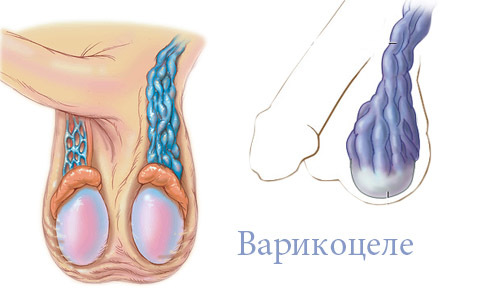
Such a purely male disease as varicocele is caused by varicose veins surrounding the spermatic cord. As a result of this pathology, varicose nodes and blood flow reflux appear in the scrotum. A decrease in sperm vitality and male infertility are associated with the negative consequences of pathology.
By means of surgical intervention, it is possible to eliminate the problem, however, in almost 15% of cases, the recurrence of varicocele is recorded.
The disease does not return immediately. Symptoms of relapse may appear several years later (not earlier than 10-12 months) after healing.
They are practically no different from the primary varicocele, localized in the scrotum and touching the gonad.
As the relapse progresses, signs such as a slight increase in the size of the scrotum reappear, edema (most often on the left side), pulling pain syndrome with increased walking and physical load.
Gradually, the symptoms of varicocele become more pronounced, and pain in the affected testicle is already noted at rest, even in the supine position. The pain syndrome can be of different intensity - from slight discomfort to pain and burning sensation of an acute nature.
There are 4 degrees of severity of repeated exacerbation of varicocele:
- symptoms are poorly expressed, and pathology is detected only by instrumental methods;
- symptoms begin to appear while standing and walking;
- signs of varicocele are noted at rest and in the supine position;
- a change in the affected organ can be determined without the use of instruments.
During the examination, the urologist can detect pathological changes in the production of sperm. The development of varicocele leads to a quantitative and qualitative disruption of the sex gland.
An important role in such disorders is played by an increase in the local temperature of the testicles, which causes damage to spermatozoa and makes them unable to fertilize.
In advanced cases of varicocele development, testicular atrophy begins, manifested by a decrease in their size.
Causes
The only effective way to treat grade 3-4 varicocele is surgery. At the same time, it is not uncommon for a secondary varicocele to appear after the operation.
Most often, this phenomenon occurs due to errors in the operation, but the characteristics of the organism and the severity of the course of the disease can affect. Most of all adolescents are prone to relapses, which is associated with age specificity.
Complications that can cause relapse can be triggered by testicular atrophy, leading to dysfunctions of the testis, and hydrocele, when in the postoperative period inside the membrane of the scrotum accumulates liquid.
Most of all, adolescents are prone to relapses with varicocele, which is associated with age specificity. The most common recurrent disease is observed during such a traditional operation as varicocelectomy.
In the area of intervention, there is a large number of small anastomoses and collateral veins, which are often damaged during surgical procedures. Surgeon errors are sometimes caused by insufficient venous ligation or incomplete removal of the affected veins.
Read also:The reasons for the development and treatment options for the disease phimosis
Poor sclerotherapy can be caused by a small amount of injected substance.
Relapse may be associated with the characteristics of the body.
Congenital abnormalities such as weakened venous walls or slow blood flow in pelvic veins, some time after the operation can provoke damage to others plots.
Treatment
Treatment of secondary varicocele does not differ from the treatment of the primary type of pathology - surgery. The following methods are used:
- Laparoscopy - such a minimally invasive operation is carried out with the minimum size of the soft tissue incision with the introduction of a special apparatus - a stethoscope.
- Ivanissevich's operation is considered the most common technology of surgical treatment. The disadvantage is the frequent occurrence of relapses of the disease.
- Microsurgical revascularization is an improved version of the previous technique using a special adhesive.
- Bypass surgery is performed to form bypass pathways for the blood flow.
- Endovascular sclerotherapy - the method consists in the introduction of a sclerosing composition using an angiographic technique. As a result, the walls of blood vessels stick together.
Treatment of secondary varicocele does not differ from the treatment of the primary type of pathology. The doctor may recommend that the patient, for example, undergo endovascular sclerosis.
How to avoid relapse
The return of the disease is largely due to the quality of the operation. An important role is played by the professionalism of the surgeon and the availability of specialized equipment in the clinic. All manipulations must be carried out under constant control with devices that meet all international standards. Before the operation, the doctor must conduct a full range of studies to identify the characteristics of the body.
Early physical activity, especially associated with weight lifting, is strictly prohibited. You should not return to sex life ahead of time. Abstinence lasts at least 25-30 days after surgery. In the postoperative period, it is necessary to completely abandon alcohol and preferably refrain from smoking.
Why does varicocele recur and how is it treated Link to main publication
Source: https://varikoz.online/pah/muzhchini/varikotsele/lechenie/operatsiya/reabilitatsiya/retsidiv
Varicocele cause recurrence

Varicocele or venous enlargement in the scrotum is a disease of the male reproductive system, which can lead to infertility and a number of other dangerous diseases.
Table of contents:
This disease is treated exclusively by surgery.
However, there is always a risk of its recurrence.
Today the topic of our article is varicocele: can a relapse of varicocele be operated on or not?
Reasons for recurrent varicocele
Practice shows that the largest percentage of recurrent varicocele is 20% and is observed in adolescents. The main reason for the reappearance of the disease is considered to be incomplete elimination of varicose veins due to the peculiarities of the operation.
Endoscopically, not all branches of additional veins can be detected in a timely manner, therefore, after a while, varicocele reappears.
Equestrian sports and frequent cycling are also potential causes. Long-term physical activity can also provoke varicocele again. However, the first symptoms usually appear about a year after surgery.
Sometimes a relapse of the right side is masked by a tumor of the right kidney with germination, a violation of the geometry and compression of the renal vein, which prevents venous outflow. Therefore, it is necessary to conduct a thorough examination and find out the cause of the deformation of the veins. Otherwise, an unnecessary operation can be performed.
The main signal that errors occurred during the operation are pain in the testicle and swelling of the scrotum after surgery. It is necessary to immediately consult a doctor in order to understand that this is not a protective reaction of the body to external influences.
Symptoms of recurrent varicocele
Symptoms are the same as in the primary disease. That is, the patient has a pulling pain in the scrotum, the affected veins stand out noticeably and are well visualized at the later stages of the development of the disease and are palpated at 1-2 stages.
With a strong development of relapse, male infertility is not excluded. For a second operation, you will need to collect all the necessary tests again, including a spermogram.
What to do in case of relapse?
If you find similar symptoms some time after the operation, you should immediately consult a doctor. It is best to visit a urologist and a surgeon at once. You will need to additionally undergo a spermogram and do an ultrasound of the testicle with the Doppler effect. The decision on the advisability of a second operation will be made by the surgeon.
If the disease is at the first stage of its development, then doctors may recommend waiting a year to see the dynamics of development. If there is no progress, then it will be possible to leave the disease without treatment, but in this case it will be necessary to undergo scheduled examinations annually.
As a rule, the patient is offered to do exactly microsurgical surgery in case of recurrence of this disease. This allows you to remove all deformed veins in which blood flow is impaired.
Can it be treated with medication?
One of the medical treatment methods is aromatherapy. However, one must be aware that such treatment cannot completely solve the problem. It can only slow down the development of the disease, and in some cases completely stop it. It is used only for 1 and 2 degrees of severity.
The use of a large amount of essential oils is recommended. Lemon and cypress are especially beneficial, as well as neroli, lemon balm, sandalwood and tea tree oils. They are used in the form of inhalation or while taking a bath.
For inhalation, 3-5 drops of essential oil are required. It is recommended to use 5-7 types at once. The same amount can be used for bathing, but the dosage can be increased if desired.
There are also several folk remedies that can stop the progress of the disease. One of them is a decoction of apples. Boil three apples in an enamel bowl and take the resulting liquid 3 times a day. A bath of oak, chestnut and / or willow branches and a compress of silver wormwood have a positive effect.
To improve blood flow in the veins and try to solve the problem without surgery, it is worth trying special massages and exercises. In about 2% of cases, there is indeed a positive trend.
Vitamins and various antioxidants are used as medicines. It is also worth taking drugs that improve blood circulation in parallel. Such treatment can cure about 10% of recurrent varicocele diseases at an early stage.
Are there any special features for reoperation?
No, it goes the same way as the first one. Therefore, after its implementation, the same precautions are required, namely three weeks of sexual rest, the exclusion of heavy physical exertion and heavy sports, try to do without sudden movements, see a doctor, do not wet the bandage and do not take a shower for 5 days after the operation, or bath.
Thus, the risk of varicocele a second time is quite possible. Therefore, doctors and recommend to observe the prevention of this disease. If the symptoms of its development have appeared, then it is worth trying to treat with medication at the first stage, and then it is necessary to resort to surgery if the medications did not help.
It is best to use a microsurgical method of intervention to exclude the development of the disease a third time. However, the use of other types of operations also does not contribute to recurrence. Practice shows that less than 1% of patients experience varicocele for the third time.
Source: http://allsports62.ru/varikocele-recidiv-prichiny/
Recurrent varicocele

Varicocele is a purely male disease. It is expressed in varicose veins around the spermatic cord. At the beginning of the disease, the man does not experience any symptoms, the disease begins to manifest itself only later.
The reason to see a doctor is the appearance of pain in the scrotum, not only when walking, but also in a supine position.
Varicocele syndrome is a complication after surgery, during which varicose veins on the testicles were eliminated.
Untimely access to a doctor threatens with serious complications:
- The possibility of infertility;
- The resulting pain in the scrotum;
- Testicular ischemia;
- The emergence of problems in intimate life, decreased potency.
The causes of varicocele
Varicocele is one of the most common diseases of the male genitourinary system. The disease appears for two reasons:
- Congenital defect of the vascular wall. It occurs in most cases due to a genetic predisposition. Most likely, some of the relatives had varicose veins of the lower extremities and other diseases caused by a lack of connective tissue in the body.
- Constant increased blood pressure in the pelvic area. This can occur during exercise, chronic constipation, etc. In these cases, the ovarian vein intertwines with other vessels, kinks and becomes heterogeneous.
Blood flows through the vessels of the scrotum towards the heart, against gravity. In a healthy body, a special valve located on the venous wall prevents the reverse movement of blood.
With venous enlargement, the valves cease to perform their function, and the blood begins to perform pendulum movements. Blood flows slow down and the genitals begin to receive less blood.
The less blood enters the scrotum, the less oxygen its tissues receive. The testicles gradually heat up.
Most often, the disease affects the left testicle, less often bilateral disease occurs. On the right, varicocele practically does not develop. Doctors distinguish 4 degrees of the disease:
- Vein enlargement is found only in the standing position.
- Varicose veins of the seed canal can only be detected by ultrasound.
- Enlarged veins are found in sitting and standing positions.
- Dilated veins stand out from the scrotum and are visible without special equipment.
Symptoms of the disease
Many men are unaware of the presence of varicocele. The disease can be asymptomatic and show up already when complications arise, for example, infertility.
Some males complain of pain in the scrotum, discomfort. Pain syndrome is not permanent, pain occurs after intercourse, physical exertion, long sitting in a chair.
Read also:Reasons for the lack of a morning erection
Patients describe the pain sensation as heaviness in the scrotum, without sharp lumbago.
Diagnostics
The first degree of the disease can be present in a person all his life, and he will not be aware of its presence. The first degree can be revealed only by accident, since a man will not suffer from infertility. Starting in the second degree, the doctor can determine the presence of varicocele on examination.
An additional diagnostic method will be ultrasound. An ultrasound examination is performed while standing or lying down. Doppler ultrasonography will show the most accurate research result. In addition to the above studies, a man needs to have a spermogram.
Treatment
The only way to get rid of the disease is surgery. If the patient is offered a medication solution to the problem, it is most likely just money-taking.
If the disease is in the first and second degrees, most likely, the man will not show symptoms, and will lead a normal life.
If the disease is in the third and fourth stages, there are painful sensations, the man has problems with potency and conception - surgical intervention cannot be avoided.
There are two types of surgical intervention:
- The varicose vein is removed completely. Before the operation, blood flowed through it slowly, and after removal, the blood supply was completely cut off. In this case, the blood flow begins to look for new paths, and most often they are located on the surface of the scrotum. The advantages of this type of operation include low cost, quick recovery. But there is one big drawback - the possibility of a relapse of varicocele. The testicle ceases to receive the required volume of blood and its functionality is sharply reduced. In this case, the risk of infertility increases.
- Microsurgical organ revascularization. The essence of the operation is as follows: the enlarged vein is removed and an artificial vein made of plastic is installed in its place. The blood supply is restored and the testicle functions normally. The disadvantages of this type include the high cost of the procedure and a long recovery in the hospital. The plus is getting a completely healthy organ.
Reasons for recurrent varicocele
The dilated veins of the spermatic canal are removed surgically.
During surgery, the doctor, using special equipment, examines not only the main vessel, but also its branches, and blocks them.
In this case, there is a high probability that there will be no complications in the form of a relapse of varicocele. The operation must be carried out on high-precision equipment by a competent specialist.
If during the operation, the surgeon looked at the discrepancies of the vein, a relapse of the disease is possible. Endoscopic equipment allows you to view in detail the passing vessels before the operation and thereby reduce the risk of complications. Unfortunately, not all clinics are equipped with high-tech equipment, and then the patient can only rely on the qualifications of a doctor.
Similar posts
Source: http://GormonOff.com/zabolevanija/reproductive/recidiv-varikocele
Details about the symptoms and causes of varicocele recurrence

Relapse of varicocele is a repeated expansion of the venous vessels of the testicle, as well as the spermatic cord, an unpleasant complication after a surgical operation in men for this. Most often, symptoms suggestive of a relapse of varicocele can be found shortly after surgery. Let's take a closer look at why this is happening.
Why is the trouble coming back
According to statistics, varicocele is congenital due to hereditary venous valve failure.
Usually, such a failure can be found in other areas of the body (on the lower limbs, arms).
Sometimes such people have a pathology caused by dysplasia (inferiority) of connective tissue (valvular heart disease, flat feet). Factors "help" the development of varicocele:
- Increased intra-abdominal pressure (prolonged standing posture, lifting weights).
- Causing blood flow to the genitals (infectious diseases, hormonal disruptions with a decrease in testosterone levels in the blood).
Relapse of varicocele is almost always associated with the technique of the operation. There are several reasons for this, the type of intervention is often chosen incorrectly. The operations offered to patients are of two main types:
- Tie up, cross, remove a large vein of the testicle, which gives a picture of varicocele. This is an intervention with a wide dissection of the skin or the use of endoscopic techniques. The disadvantage of the operation is that the veins that form the varicocele may have additional branches connected to other vessels that were not noticed during the manipulation.
After the operation to ligate or remove a part of the trunk of the altered vessels, blood comes from the "connecting" branches (anastomoses). A relapse of the disease develops, all its symptoms (unpleasant pulling pains of the testicle, its slight swelling, visible to the eye or palpable varicose veins). Interventions of this type give the greatest number of varicocele relapses - 10-40%.
Relapse of varicocele is often associated with the wrong choice of the type of surgery.
They have another disadvantage: the removal of the main vein of the testicle forces the blood to look for outflow pathways, which are gradually restored.
This manifests itself in the recovery period after the manipulation of testicular pain, its swelling for about a week. The advantage of this kind of intervention is only in the speed of its implementation, relative simplicity.
- Other operations involve the immediate restoration of the normal outflow of venous blood after varicocele removal. Technically, they are much more complicated, last long, and their cost is high. These are microsurgical technologies for restoring blood flow. This technology is recommended for male infertility, even in the absence of any complaints, if the presence of varicocele is detected.
Benefits of complex manipulations
After such an intervention, the patient does not experience pain, there is no testicular edema. The technical complexity requires high qualifications and experience of a surgeon. The patient is monitored for a long time in a hospital setting; relapse of the disease after this type of intervention is rare.
The need for these complex manipulations arises if the patient wants to have children (25% of operations are performed for male infertility, if the probable cause is varicocele).
Therefore, they suggest doing such interventions to young, mature men in the absence of children.
To prevent recurrence of varicocele after the planned operation, surgeons pay great attention to the preliminary examination of the patient. The features of the blood flow of the testicular vein are carefully studied using ultrasound with a Doppler study.
Evaluate the symptoms that were an indication for surgical intervention, specify the degree of vasodilation, study the spermogram (to determine the presence of possible complete infertility; if it is present, the operation is not performed).
Varicocele grades 4:
- It is determined only during examination by ultrasound as a vasodilation of the testicle more than normal.
- Testicular varicose veins can be felt in a standing position, this symptom disappears in a lying position.
- The enlargement of the veins is determined while standing, lying down.
- The presence of visible altered testicular vessels.
To reduce the chance of relapse, you need to undergo a thorough examination of the body.
After six months of postponement, such a conscript is issued a military ID. After receiving a military card, a young man can undergo surgical treatment at his own request. In this case, he is not subject to a call, even with an excellent result of manipulation.
Relapse is only treated with surgery. The method of choice for the treatment of recurrence is laparoscopic manipulation, in which the main trunk, branches of the testicular veins are clearly visible. Sometimes in case of relapse, a complex microsurgical technology with sclerotherapy is used.
Source: http://helpsosudy.ru/varicocele/recidiv-simptomy-i-prichiny
Relapse of varicocele after surgery in adolescents and adults: causes, symptoms, treatment

Varicocele is a varicose vein in the spermatic cord. As a result of such a pathology, nodes are formed in the scrotum and blood flow is disturbed.
In the later stages of development, varicocele provokes severe pain and swelling in the scrotum. Particularly pains begin to bother patients while walking.
Pathology can be eliminated through surgical treatment, but it often recurs.
Recurrent varicocele
Relapse of varicocele involves the re-development of varicose veins of the spermatic cord in patients who have previously been treated for this pathology.
According to statistics, repeated varicose veins of the testicular veins occurs in 15-40% of patients.
Moreover, experts warn that adolescent patients are much more likely to experience recurrent varicocele than other categories of patients.
For this reason, adolescents are operated on very rarely, they wait until the young man completes puberty. Usually, recurrent conditions form rather slowly and secretly. The symptomatic picture may appear in a year or more after surgical treatment. Usually, the symptomatic picture of relapse is identical to the primary pathology.
Reasons for the return of pathology
The recurrence of varicose veins of the testicular veins is usually formed due to the characteristics of male health or against the background of non-compliance with medical recommendations after surgery. Recurrent varicocele can occur on the testicle that has already been operated on, but it also occurs on the healthy side.
The main factors for the re-development of the disease include:
- Genetic predisposition to venous pathologies;
- Congenital features of venous and arterial location;
- Lack of venous valves;
- The presence of duplicate venous canals;
- Weakness of the venous walls;
- Ducts missed during the previous surgical intervention;
- Slow blood flow;
- Sclerosis, in which the injected substance has not sufficiently spread through the tissues;
- Relapses often occur in adolescents;
- After surgery using the Ivanissevich or Marmar method.
Sometimes relapses occur during laparoscopy, the most common relapse factor is traditional surgery, which experts associate with the development of collateral veins after surgical manipulations.
These wreaths have a small diameter, so it is impossible to carry out surgery on them using specialized instruments. As a result, visualization problems arise, which contributes to relapses.
There are no effective methods of therapy other than surgery, so surgical intervention for varicocele is inevitable.
Recurrent varicose veins of the testicular veins are no different from the primary pathological form in terms of clinical manifestations. Long-term latent development without pronounced symptoms is typical for pathology. That is why men very often do not pay attention to such erased manifestations.
The most common signs of pathology include:
- Feeling of heaviness in the testicles during and after intercourse;
- Painful symptoms and aches in the testicles after physical exertion or prolonged walking;
- Constant pulling pain syndrome;
- Slight swelling of the scrotal tissues.
Usually, men turn to a urologist when the pain becomes permanent, and the swelling of the scrotum becomes pronounced.
Read also:How to treat gardnerellosis in men: symptoms and diagnosis
What to do
Most experts are inclined to believe that surgery is considered the most effective method, however, if the disease is not started, conservative treatment is quite acceptable.
The main thing is to consult a specialist in a timely manner, then, perhaps, it will be possible to do with non-surgical methods of therapy.
Drug therapy will help stop pain symptoms, but it does not eliminate the root causes of the pathological process.
The patient can also carry out self-treatment through several methods:
- Massage. It is necessary to massage the testicles, but only on condition that the pathology has a 2-3 degree of development. The man needs to lie on his back and raise the pelvic region by placing a pillow. This will improve blood flow in the low-basal area. It is necessary to massage the testicles gently and carefully to prevent soreness.
- Compresses. You can apply crushed wormwood leaves mixed with fat sour cream to varicose areas. This mixture is applied to gauze and applied to the varicose testis.
- Phytotherapy. Mix herbs: yarrow and raspberry root, chestnut and willow bark, chamomile. All over a big spoon. Pour boiling water over the grass (1 l) and leave for half an hour. The drink should be taken 150 ml three times a day.
- Bath. The bark of willow and chestnut, oak is poured with boiling water. The total amount of bark should be 1 kg. The broth is poured into the bathroom. This procedure is taken for half an hour, while the water temperature should not exceed 40 degrees.
If the pathology recurred with pronounced symptoms, then conservative methods of therapy will no longer help here, an operation is necessary.
Treatment methods
Surgical intervention is considered the most effective treatment for varicocele of any form, be it primary pathology or recurrent varicose veins.
Doctors conduct a thorough diagnosis, find out the fertility of a man and select such a surgical a technique in which the effectiveness of therapy will be maximum, and rehabilitation will take a minimum of time.
As a rule, recurrent testicular varicose veins are treated by ligation of the vascular canals.
This procedure is carried out in several ways:
- Bandaging and excision of the venous canal. This technique has a fairly high percentage of positive results, and the frequency of complications is minimal.
- Laparoscopy. The procedure is performed using a stethoscope inserted into the peritoneum. This method is considered the safest, and recovery from it is the fastest.
- Bypass surgery. After this type of intervention, the development of blood clots in the shunt is likely.
- Ivanissevich's method. The most common type of surgical treatment for varicocele, but it has a drawback - low efficiency and frequent complications.
- Sclerotherapy. According to statistics, recovery reaches 97%, and trauma is minimal.
- Embolization. With recurrent varicose veins of the testicular veins, such an operation is considered the most effective, and the side reactions after it are minimal. But there is also a minus - blockade of the vein, which blocks the blood flow of the diseased testicle, as well as scarring.
If a varicocele is detected, the patient should consult a urologist. If the necessary measures are taken in a timely manner, then the disease can be eliminated with minimal complications.
Among the common complications are distant postoperative miles. Postoperative ones consist in redness and hyperedema, hematomas and seals, short smearing discharge from a postoperative wound, etc. These are completely normal phenomena that will soon pass on their own.
As for the long-term complications, they are associated with dropsy of the testicle, which occurs against the background of damage to the lymphatic vessels during the operation. Occurs in about 10% of cases. Painful sensations that persist for many months.
Also, as a complication, atrophy or hypertrophy of the testicle, spermatogenetic disorders can occur. They rarely occur, but still occur. Also, during surgery, damage to the femoral nerve tissues or disturbances in the production of testosterone hormone is possible.
But the most common type of complication is the recurrence of testicular varicose veins.
To minimize the risk of complications, you need to strictly follow medical prescriptions, then rehabilitation will pass without consequences.
In the video about the causes and treatment of recurrent varicocele:
Source: http://gidmed.com/urologiya/zabolevaniya-urolog/moshonki/recidiv-varikocele.html
What to do if varicocele recurs?

A relapse of varicocele can develop due to the characteristics of the patient's body or be the result of poorly performed surgical intervention. Timely detection of pathology and the implementation of the necessary treatment allows you to avoid the development of dangerous consequences of the disease.
Reasons for the reappearance of the disease
The development of varicocele after surgery in most cases is caused by poor-quality vascular ligation. The likelihood of recurrence of varicose veins of the testicular veins depends on the type of intervention:
- The classic method. The lack of a complete preliminary diagnosis or treatment of loose varicocele can cause the branches of the affected vein to be missed. Re-development of the disease can be caused by excessive attention of the surgeon to the cosmetic component of the operation, which is often accompanied by an insufficient depth of the incision. When performing an operation according to Ivanissevich, an inexperienced doctor may make a mistake and tie up the wrong vessels.
- Sclerotherapy method. Secondary circulatory disorders in the vessels of the scrotum can be caused by displacement of the sclerosant, which causes a gradual restoration of blood flow in the affected veins.
- Laparoscopy. The probability of relapse during treatment with this method does not exceed 2%. The reasons for the recurrence of the disease are considered to be the passage of clips, weak ligation.
The risk of re-developing varicocele is higher in adolescents, which is associated with the active restructuring of all body systems. At this age, the patient may have a dysfunction of the venous canals and weakness of the vessel walls, which reduces the effectiveness of the classical abdominal surgery.
Symptoms
Signs of pathology may appear a few days after surgery or after 1-1.5 years. A symptom of the ineffectiveness of the operation is the appearance in the patient's rehabilitation period of complaints about:
- persistent pain in the area of the wound, which tends to gradually increase;
- swelling of the wound, itching;
- the appearance of cloudy discharge from the wound;
- an increase in veins in the problem area.
With repeated expansion of the veins 1-1.5 years after treatment, the patient is worried about constant moderate pain of a pulling nature. The unpleasant sensation can increase with walking, physical activity, sex.
Diagnostics
The patient needs to undergo a medical examination, which provides for an external assessment of the condition of the scrotum and an examination using the palpation method.
The doctor determines the size and condition of each testicle, the presence or absence of seals in the problem area. Additionally, a functional test of Valsalva is used.
On palpation, the patient is asked to push or cough in order to detect the presence of increased pressure in the plexus plexus.
To identify reverse blood flow, vascular resistance, their condition, diameter, instrumental examination methods are used. Ultrasound and USDG of the male genital organs are often prescribed. The procedure is carried out in a vertical and horizontal position.
Diagnostic measures may include an examination using a Prader orchidometer to assess the condition of the testicles, their size according to the patient's age.
Treatment methods
With mild symptoms of the disease and the absence of a tendency towards further development of pathology, the patient can be assigned conservative treatment, including medication and regular testicular massage to normalize blood circulation in problem area. This approach is rarely used; the basis for the treatment of recurrent pathology is repeated surgery.
With the repeated development of varicocele, it is recommended not to use the method of open abdominal surgery, preferring endovascular treatment, laparoscopy or microsurgical intervention. During surgery, the affected veins are re-tied to restore natural circulation to the pelvic area.
The choice of the technique of the operation is influenced by the general condition of the patient, the degree of the disease, the presence or absence of contraindications. Popular techniques include:
- Operation Marmara. Differs in high efficiency. The intervention can also be carried out using local anesthesia. The advantages of the technique are a short rehabilitation period and the absence of cosmetic defects.
- Bypass surgery. Manipulation with the introduction of the shunt provides the ability to change the direction of the blood flow. The disadvantage of the technique of limited access to the affected vessels is considered to increase the risk of blood clots.
- Percutaneous embolization. The method is highly effective, but it is used only in patients who do not focus on the cosmetic side of the intervention.
- Laparoscopy. During manipulations, the surgeon is able to see all the branches of the affected vein. For the intervention, small skin punctures are made, which ensures quick recovery in the rehabilitation period and the absence of scars.
The earlier treatment is started, the lower the likelihood of developing complications of the pathology.
Possible complications
The consequences of the intervention may be the development of a hydrocele in the postoperative period. Signs of pathology are a feeling of heaviness in the scrotum, its enlargement. An ultrasound scan can confirm the accumulation of fluid in the testicular membrane.
Compliance with bed rest can trigger the formation of an internal hematoma, which is associated with the accumulation of blood in the intervention area. Other complications include azoospermia and testicular atrophy. In adult patients, such complications are rare; adolescents are at risk.
During the rehabilitation period, the patient may notice increased sensitivity or moderate pain during exertion in the area of the operated testicle.
Preventive measures
Doctors cannot give an unambiguous answer to the question about the cause of the recurrent development of the disease, therefore to prevent the recurrence of pathology, it is recommended to follow all the surgeon's recommendations before and after operations. During the recovery period, the patient should stop drinking alcohol and smoking because of their negative effect on blood circulation.
Upon discharge from the clinic, a man receives a list of recommendations regarding nutrition, permissible loads and what to do undesirable until the body is fully restored.
During the rehabilitation period, the patient should switch to a protein diet, but not abuse foods that can provoke indigestion in the form of constipation or diarrhea. A man needs to lead an active lifestyle, do yoga, perform physiotherapy exercises, but not allowing physical overload.
It is important to regularly visit your doctor for preventive examinations. It is recommended to consult with a urologist before taking medications if they can affect blood clotting.
If the disease is diagnosed in a child, parents are advised not to rush into the operation. At the first stage of a pathology that does not have complications, conservative treatment is used until puberty is completed. The young patient needs to undergo regular examinations, follow a diet and give up excessive physical exertion.
Source: https://venerologia03.ru/yaichki/retsidiv-varikotsele.html