Azoospermia: treatment of the disease at home and by surgery
 Azoospermia is a male pathology characterized by the absence or small amount of motile spermatozoa in the ejaculate, that is, impaired spermatogenesis. The disease does not have pronounced symptoms and, as a rule, the man does not feel its presence in any way. Azoospermia is diagnosed by taking a spermogram to find out the causes of infertility. According to statistics, pathology becomes the cause of male infertility in 2% of cases.
Normally, before being released outside, the sperm must mix in certain proportions with the seminal fluid in the ducts of the reproductive system. If this process is not carried out due to their blockage, then the sperm does not come out and are absent in the ejaculate. This is a direct cause of male infertility.
Previously, it was believed that the problem of infertility in most cases is caused by disorders in the female body. But, today, more and more often men are “to blame” for the inability to conceive a child. At the same time, a man may not even be aware of such a problem. Male infertility does not directly depend on sexual function and sperm production. That is why, to understand what is the reason, you can only after passing the tests.
How to recognize azoospermia
This disease is not very common, it accounts for only 2% of all cases of male infertility. However, you shouldn't rely on the fact that you will not fall into these two percent. In order not to suffer with the exhausting process of treatment, you should first of all stay away from anything that can lead to it. But you should also be examined for its presence now, if there are suspicions in this regard.
The diagnosis of azoospermia consists of several methods, consisting of a number of steps.
- The first step is to see the surgeon.
- On a medical examination, he will reveal whether the testes are enlarged, whether there is a fact of increased hair growth, excess weight, and then examines the prostate and other organs.
- After that, if a medical examination gives cause for concern, blood should be donated for analysis.
- It is necessary to conduct both clinical and biochemical examination of it, since they can show different results.
- Another method for detecting azoospermia, and along the way and other diseases, is a testicular biopsy.
- For those for whom this word is new, we will give an explanation.
- A biopsy is a partial excision of a piece of tissue from a living organism, followed by microscopic examination.
In this case, a biopsy should be understood as either a puncture of the patient's testicle with a very thin needle, or a small incision in the scrotum to gain access to the biomaterial. He will later be taken to the laboratory for further histological examination. In the course of this study, it will become clear whether the testicles are producing sperm in the required quantities. In addition, a genetic examination should be carried out, the task of which will be to identify non-standard particles that can cause infertility.
- To detect all sorts of problems that interfere with male reproductive performance, there is magnetic resonance imaging (tomography), which can also detect the presence of azoospermia.
- Duplex examination of the testicles reveals abnormalities in the condition of the blood veins in the scrotum.
- For a similar purpose, ultrasonography is performed, which is carried out using ultrasound.
- The main task of ultrasonography is to find tumors and other diseases in the testes.
 How is this disease treated?
Azoospermia is not an easy disease, it is divided into two types.
- The first is called obstructive azoospermia and is much more treatable than secretory azoospermia.
- Secretory azoospermia is the second type of disease, the most complex and consists either in a reduced sperm production in the testicles or in its complete cessation. It is difficult to deal with it, and every action must be coordinated, or better even dictated by a doctor.
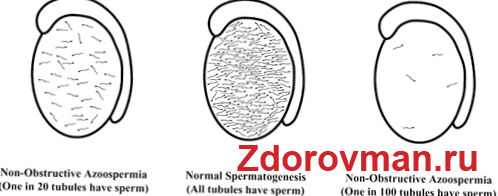
Obstructive azoospermia is an abnormality in the passage of sperm through the vas deferens to the male penis. In people with this form of this disease, the spermogram will show alkaline acid, fructose, and a standard sperm count. However, cells antecedent to sperm cells will not be found. The size and shape of the testis will also appear normal, but the epididymis, or epididymis, will be enlarged. In most cases, treatment with folk remedies will help against the podomatous form of azoospermia.
The scientific approach suggests that there are only two treatments for azoospermia.
- The first of them is called conservative and implies the fight against the disease with the help of a course of medications. Such a method can be delayed, since no one can say exactly when it will be completed. In addition, conservative treatment includes taking hormonal drugs and regular consultation with your doctor.
- The next method can be called extreme, although the very fact of the presence of azoospermia can already be called emergency. This extreme path is an operative surgical intervention that will remove all the obstacles standing in front of the sperm on the way to the shaft of the penis. Surgical intervention will most effectively and quickly relieve the patient of the problems arising from this disease. However, for safety, you should be regularly monitored by your doctor for some time.
Both of these methods can help if obstructive azoospermia is detected. Due to the problem of transfer of sperm from the testes producing them to the uterus, the disease can be overcome with the help of endocorporeal fertilization. IVF will help conceive a child without intercourse and does not depend in any way on the presence of obstructive azoospermia. However, there is also a secretory disease that cannot be circumvented even with the help of endocorporeal intervention. People with secretory azoospermia cannot conceive their own child. The only way out for them would be to use donor sperm.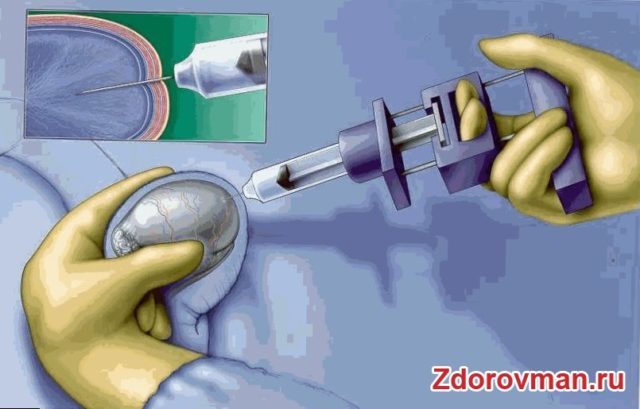
Treatment with folk remedies
It is not so difficult to treat azoospermia with folk remedies. If you think that traditional medicine will work more effectively than special remedies such as, for example, spermstrong, then you will be helped by tips on what to do to cure azoospermia folk means. So, the first of the recipes has the following composition: wormwood seeds should be carefully measured in the amount of one teaspoon and filled with boiled water. From the broth, make a tincture (that is, leave it to infuse for one day), and then strain. Drink this infusion at least 3-4 times a day, one tablespoon. The process of such treatment should take you at least one to two weeks.
In addition, treatment with folk remedies can take place with the help of crushed plantain seeds, which should also be measured in the amount of one teaspoon.
- Then the seeds should be poured with water and boiled over low heat.
- Strain the broth and cool.
- The boiling process should take you 10 minutes, after which the broth will need to be drunk 3-4 times a day, one tablespoon at a time.
- The course of taking the medication should take about two weeks, after which you can again consult a doctor for a second examination.
Where does this disease come from?
For the occurrence of azoospermia, the reasons can be different, they surround us everywhere. It would be nice to know and understand these reasons in order to be able to avoid this danger. However, some of these problems, subsequently capable of causing this disease, cannot simply be taken and avoided. Those that you have the opportunity not to touch with, be extremely careful. So, for example, to prevent your wife from getting pregnant, maybe what you smoke or drink, take all kinds of antibiotics and steroids, which, although useful for achieving a specific goal, are still dangerous for your organism.
So, the above described those reasons, the occurrence of which directly depends on yourself.
- However, azoospermia can also occur if you once transferred syphilis or other diseases of the genital organs.
- People with any genetic disorder are also at risk, along with diabetics and people who have had hormonal disorders.
- In any case, even if you are not one of the above people, you should know that you need to do an examination if pregnancy does not occur in any way.
- Azoospermia is caused by the presence of other painful abnormalities, and therefore, in some cases, treatment of these diseases can lead to the return of your fertility.
- In a disease like azoospermia, treating it may simply be to prevent the underlying cause.
 What to do if azospermia occurs?
A drug like Spermstrong will be able to overcome the disease and lead you to finally get your wife pregnant. This medicine is a dietary supplement to your daily diet and is not a medicine.
However, it effectively helps to improve the quality of sperm, its concentration, sperm activity, their quantity and the ability to fertilize a female egg.
In addition, the drug Spermstrong will promote blood circulation in the genitals and spermatogenesis.
- Spermstrong itself is not a pharmacological drug, but the results of fertility treatment in men taking it will be significantly improved.
- By the way, it is worth taking it not only for those who are not able to conceive a child.
- Indeed, in addition to restoring the sexual and reproductive abilities of the body, the use of spermstrong helps to improve a person's well-being, his mood and reduces irritability, irascibility.
- Working capacity, perseverance increase, memory increases, as well as all brain activity in general.
- The volume of sweating decreases, the metabolism of biological substances stabilizes, and immunity improves.
Spermstrong
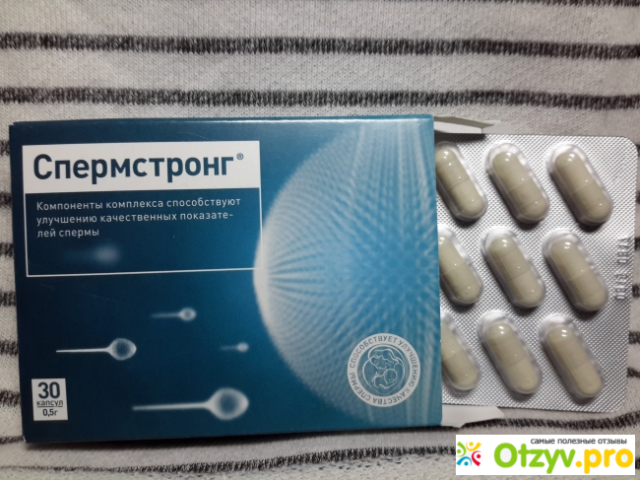 Spermstrong, due to the content of L-arginine, improves spermatogenesis and helps to fill the genitals with blood. Qualitatively affects the improvement of well-being, the condition of the prostate gland and increases the volume of sperm produced by the body. The benefits of all this are obvious: improved blood circulation helps to increase blood flow to the penis, which increases the duration of an erection and the health of the organ as a whole.
- Due to the increase in the concentration of sperm in the semen, it will consist of 80% of protein material, the absence of which led to infertility.
- And the L-carnitine contained in this food supplement contains a similar protein material in abundance, because promotes the process of building and maturation of spermatozoa and has a qualitative effect on improving reproductive performance.
Using research by scientists, manufacturers have come to the conclusion that the content in food supplementation with L-carnitine will greatly improve the quality of sperm and help the process of eliminating the causes of infertility men. Here they turned out to be right, and today the drug spermstrong is widely prescribed for people deprived of reproductive capacity.
So, answering the question of what to do when infertility occurs, we advise you not to lose heart. Any disease can be cured with enough effort and enthusiasm. Exceptions include secretory azoospermia, but even it, in some cases, does not interfere with conceiving a child. You should not lose hope and continue to look for ways to cure your ailments with the help of modern medicine or folk remedies.
hochurodit.ru/muzhskoe-besplodie/azoospermiya.html
Symptoms and Signs
By itself, this disease is a severe form of male infertility, due to the complete absence of sperm in the ejaculate. Upon hearing this diagnosis, couples lose faith in having a complete family. However, one should not give up hope. First you need to figure out what type of azoospermia a young man has.
Consider the symptoms of the disease
If you have been living a normal sex life, not using contraception, for a year now, and there are no children, by medical standards - in pairs, someone is sterile. To find out who is sick, see a specialist doctor.
In the case when the reason lies in male infertility, only with the help of tests it can be established that this is azoospermia. Outwardly, the pathology can be asymptomatic, and it manifests itself as follows:
- the man shows edema, pain, swelling of the scrotum
- the shape of the testicles is normal, but appendages increase due to the delay in them of sperm
- the sexual life of a man is not disturbed at the same time, however, in some cases, it is still observed decreased libido (lack of male activity in terms of sex)
- sometimes a young man cannot achieve erections
- in addition, secretory azoospermia can be accompanied by endocrine disorders: small penis (erect penis less than: 9.2 centimeters), gynecomastia (breast augmentation), poor body hair
Read also:Methods for the treatment and prevention of erectile dysfunction
Causes of azoospermia
In the case of an asymptomatic course of pathology, only a doctor can detect it. And it will be possible to effectively treat an ailment only after establishing the root cause of its occurrence. Sources of disease are of three categories: testicular, post-testicular, pretesticular.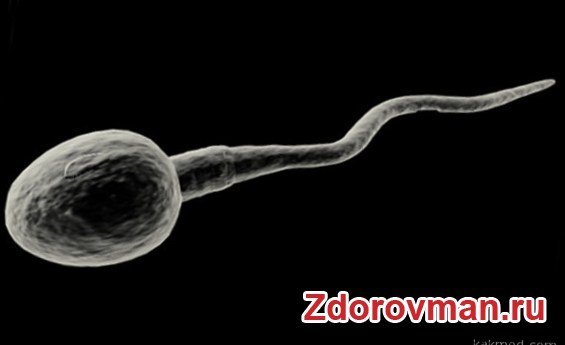
To the first category (testicular) include the following sources of disease:
- genetic, chromosomal anomalies
- disturbed structure seminiferous tubule
- cryptorchidism (prolapse of the testicles)
- orchitis - acquired or congenital infection
- congenital lack of testicle, or his amputation for any reason
- inflamed reactionsflowing in the testes
- them trauma
- acquired diseases due to intake strong drinks, chemical attack, drugs, nicotine
- disorders in the hormonal environment (decreased synthesis male sex hormones)
Post-testicular sources of infertility:
- blockage of the passage of the male semen due to congenital anomalies (cystic fibrosis)
- past illnesses (tuberculosis, gonorrhea, chlamydia)
- resection of the prostate
- diabetes
- spinal cord injury, after such a diagnosis often occurs retrograde ejaculation (throwing semen into the bladder)
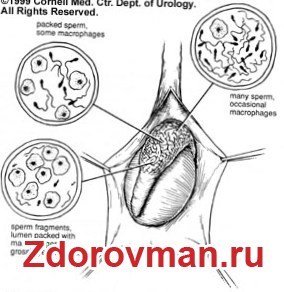
Pretesticular sources of the disease:
- diseases of the brain, or rather one of its departments - hypothalamus, as a consequence: there is an incorrect production of male sex hormones (gonadotropins, luteinizing hormone, follicle-stimulating hormone)
- pathology of another section of the brain - pituitary, happens when tumors different etiology, hemorrhages, toxic effectsand (drugs, alcohol, chemical exposure), etc.
Diagnostics: how to get tested?
There are three types of azoospermia in total: excretory (obstructive), secretory (non-obstructive), reversible (transit). To establish the type of disease, the andrologist will recommend to undergo laboratory tests multiple times. A one-time diagnosis will not give answers to all questions.
What should the patient do on the eve of the diagnosis?
- Avoid hot saunas, do not take hot baths a week before taking laboratory tests. This may give incorrect results.
- You can not engage in sexual relations three to five days before the diagnosis.
- Adhere, at least one month before the diagnosis, to a correct eating regimen
- Get rid of harmful habits that directly affect childlessness (alcohol abuse, smoking, drugs)
IMPORTANT: If the andrologist expresses doubts about the presence of azoospermia, then centrifugation of your semen sample will need to be done. In the presence of even single cells of the male semen, the verdict "azoospermia" will not be confirmed.
Obstructive azoospermia
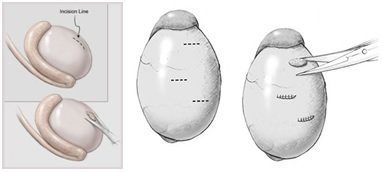 Excretory childlessness in men, it manifests itself against the background of dysfunction of the vas deferens. During normal sexual intercourse, sperm are transported directly from the testicles to the genitals. In obstructive azoospermia, this process is disrupted. This happens due to previous injuries in this area, operations, congenital ailments, various kinds of infections.
IMPORTANT: With the excretory form of azoospermia, external changes in the size of the testicles, a violation of the production of male hormones is not detected.
Secretory azoospermia
The non-obstructive type of azoospermia occurs when spermatogenesis does not originate and does not occur in the body at all. Sources of the disease:
- irradiation
- chemotherapy
- a very long-term harmful effect on your body of radiation, chemicals, alcohol
- advanced syphilitic infection
- inflammation of the reproductive systems
- diabetes
- heredity
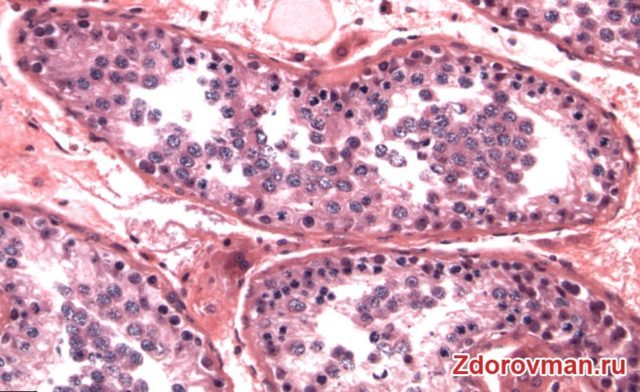
Is pregnancy possible?
- Even in the case when the man's treatment did not lead to a positive outcome, this diagnosis is not yet a verdict. If, with regular sexual intercourse of partners, it is not possible to conceive a baby, then there is an effective method after which you can become parents
- Thanks to aspiration biopsy and subsequent procedure in vitro fertilization you may be lucky. Chances are high if it is not secretory azoospermia
- The biopsy itself in men is done under general anesthesia. Sperm are removed through a small incision or with a hollow needle (puncture)
Can azoospermia be cured?
- It all depends on what type of azoospermia the patient has
- If the pathology was transmitted from ancestors according to the gene type with many-sided symptoms, which is rare, then it is almost impossible to cure the disease
- The obstructive form can be cured by surgery. Non-obstructive - hormonal drugs
Drug treatment
- Secretory azoospermia complicated by varicocele should be treated with this particular ailment.
- Only after that do they begin to prescribe stimulating therapy.
- If secretory (non-obstructive) azoospermia occurs against the background of hypogonadism, then it is treated with gonadotropins and other stimulants
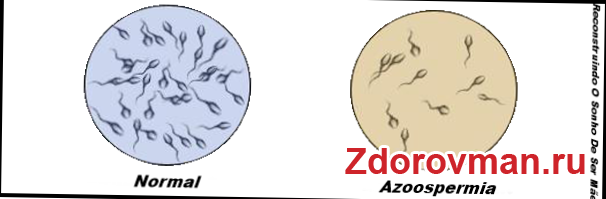
Since ancient times, the people have known methods of treating infertility in men. For this, various herbs, hirudotherapy (treatment with leeches) were used. See below recipes for medicinal decoctions for this ailment.
Wormwood for the treatment of azoospermia
Take the seeds of the plant - one small spoon, pour a cup of boiling water. When it cools down, take a third of a glass before meals - three times a day.
Grind one large spoonful of hawthorn fruit, pour a cup of boiling water, as the broth infused, drink three to four times a day, 50-65 grams at a time.
babyben.ru/zdorovie/muzhskoe-besplodie-azoospermiya-vozmozhna-li-beremennost-pri-azoospermii-lechenie-azoospermii.html
What you need to know about sperm
Sperm is the fluid that a man secretes during orgasm and contains a large number of sperm that can fertilize an egg.
- For a woman to become pregnant, the ejaculate must contain a certain amount of viable, active sperm of the correct shape.
- There are several forms of male infertility, before giving an answer to the question of what to do with azoospermia, you need to understand them.
Forms of azoospermia
Secretory form - for some reason, the testicles of a man do not produce the amount necessary for fertilization sperm that remain, may have poor motility or some structural defects that make fertilization impossible.
- The cause of this infertility is always a problem with the testicles, for example varicose veins - varicocele. Overly dilated veins impede the outflow of blood from the testicles, it stagnates, as a result of which the functions of the testicles are impaired.
- The whole process can initially occur only in one testicle, but after a while the other is affected. The man develops secretory infertility.
- Obstructive form - when the advancement of sperm is difficult or completely impossible. Impaired patency can be observed in the vas deferens only on one side, or it can be on both sides at once.
- In the latter case, there are absolutely no sperm in the semen, and in the first case, a small amount of them can be observed. There are many causes of the disease, but the main one is inflammation of the epididymis.
- After the inflammation has subsided, the ducts of the epididymis stick together tightly and remain clogged. Now the passage of spermatozoa through them is impossible - the man becomes infertile.
A variety of injuries to the testicle or groin area, which have not been given due attention, can lead to obstructive infertility (the man decided not to seek help from a doctor).
Possible reasons for the development of male infertility
The causes of azoospermia concern many men who have been diagnosed with infertility by a doctor. There are a lot of options, the problem can develop from the following sources:
- Diseases of organs and systems that have led to infertility.
- Abnormalities in the work of the testicles.
- Problems in the work of the vas deferens.
If the source of infertility is No. 1, problems in the work of the brain, the hypothalamus, which is responsible for the production of sex hormones in humans, can be identified in the man's body. The use of drugs, toxic substances can damage the pituitary gland.
Reason number 2 - abnormalities in the work of the testicles, can be triggered by such factors:
- A man has genetic or chromosome abnormalities.
- Missing testicle (congenital or due to amputation).
- The seminal duct has an irregular structure.
- Sexual infections.
- An inflammatory process has occurred or is occurring in the testes.
- Nicotine, alcohol or drug addiction, as well as the effects of radiation, can render a man infertile.
- The synthesis of sex hormones in the stronger sex is reduced.
- Undescended testicles.
Reason number 3, why azoospermia develops as a result of problems with the delivery of sperm to the ejaculate, arises from:
- Various congenital anomalies of the vas deferens.
- If a man is sick with cystic fibrosis.
- Infections such as gonorrhea, chlamydia and after tuberculosis.
- Diabetes mellitus.
- A variety of spinal cord injuries, due to which sperm got into the bladder.
Often, several factors from different groups affect a man's body at once, so the doctor can prescribe treatment only after a comprehensive examination.
As a result, it is possible to determine the cause of the disease and whether there is a need to use the achievements of reproductive medicine so that he can become a father (artificial insemination).
 The main signs
The symptoms of azoospermia are varied, often a comprehensive examination is required to make a definitive diagnosis. But a man himself may notice some signs that may indicate an illness. Among them:
- The testicles are soft and small to the touch.
- Veins on the scrotum are swollen, twisted.
- The ejaculate appears as a clear, watery discharge.
- Excessive body hair (evidence of hormone problems).
- Infertility.
Typical symptoms may not always be observed, but if a healthy partner does not have a long pregnancy, it is possible to suspect male infertility and a man needs to undergo a complex examination.
How to diagnose the disease
In order to exclude all possible health problems, it is advisable for the future father:
- Pass a spermogram, according to which the specialist will determine the presence of sperm in the ejaculate, their mobility, the number of those that can potentially fertilize an egg and immature.
- Donate blood for hormones.
- Undergo a genetic examination (to identify possible hereditary factors that have caused infertility).
- Determine if the semen contains antibodies to its own cells.
- Get tested to find out if there are sexually transmitted infections in the body.
- Examine the scrotum and prostate gland with ultrasound, if necessary, do a biopsy.
We treat the disease correctly
The choice of method directly depends on the reason for which this pathology has developed. Treatment of azoospermia can be medication, with the help of alternative methods or surgery.
Medicinal antibacterial drugs are usually used in cases where the cause of the disease is an infection that has affected the male reproductive system. Antibiotics of several groups are prescribed by a specialist and the treatment process takes place strictly under his control.
Surgical interventions are sperm aspiration, the surgeon restores the patency of the vas deferens, performs embolization, etc.
The latter is necessary if the treatment of azoospermia due to varicocele does not bring the desired result. As a result of the operation, the dilated veins are blocked, the blood flow is restored and the pathology is eliminated.
The most promising treatment methods today are:
- Aspiration of sperm from the testicles - MESA.
- Sperm extraction - TESE.
- Aspiration of sperm from the epididymis through the skin - PESA.
Traditional methods
If for some reason you do not trust doctors, you can try to treat azoospermia using traditional methods. This will be most effective if male infertility has a secretory cause. If infertility is excretory, there is a sense of surgical intervention, only in this case it is possible to eliminate the reasons why sperm do not enter the ejaculate.
Treatment of azoospermia with folk remedies involves the use of a variety of herbal infusions, teas, etc. Therefore, it is advisable to consult with your doctor before starting treatment in order to eliminate the likelihood of an allergy to one of the components of the collection. Prescriptions for the treatment of azoospermia:
- Measure out a teaspoon of wormwood seeds and pour boiled water over it.
- The mixture should be infused for one day, after which the broth is filtered.
- It must be drunk at least 3 times a day, a tablespoon at a time.
- The course of treatment with such herbs is two weeks.
Grated plantain seeds can be used for treatment. A teaspoon of seeds is poured with water, the mixture must be boiled over low heat for 10 minutes. Then the broth is filtered and cooled, you need to drink it in a course (2 weeks), use 1 tablespoon 4 times daily.
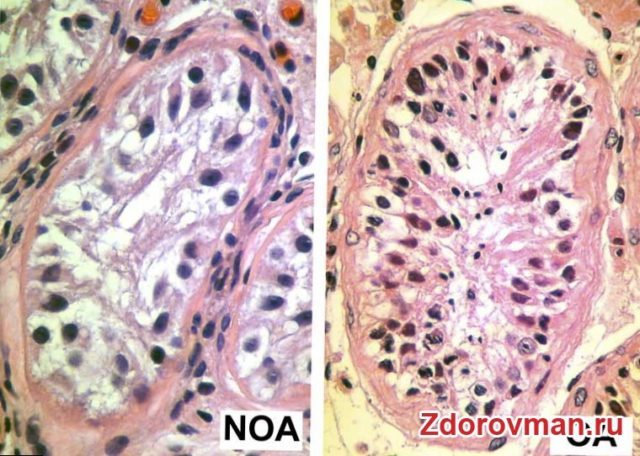
What if diagnosed?
The drug Spermstrong will help you solve the problem and make your beloved finally get pregnant. It is a special non-drug supplement to your daily diet.
- It will help improve sperm quality, sperm activity in the ejaculate and positively affect their ability to fertilize an egg. As a result of the intake, blood circulation in the genitals will significantly improve, which has a positive effect on spermatogenesis.
- Spermstrong cannot be classified as a pharmacological drug, but it can be used to quite successfully cure infertility in men. This fact is confirmed by special studies.
- Experts recommend taking it not only to those of the stronger sex who, for some reason, are unable to conceive a child, but also to all other men.
- As a result, reproductive abilities increase significantly, the man's mood rises and a general improvement in well-being can be noticed. Efficiency and perseverance also increases, the same can be said about the general brain activity of a man. In addition, you can see the following effect of the drug Spermstrong on the body:
- Metabolism returns to normal.
- Immunity is strengthened.
- Irritability and nervousness disappear.
- Today, azoospermia is not very common and only a small part of men cannot become fathers for this reason. Approximately 20% treat infertility caused by various factors, and only 2% of this figure are sick with azoospermia.
- In order not to regret that such a fate befell you after the diagnosis is made, it is better to prevent the development of the disease in advance. A healthy lifestyle, giving up alcohol, drugs and smoking can save you from long and not always effective treatment.
- Taking some types of antibiotics and steroids is not always justified (it can be the reason that the pregnancy of your beloved woman does not occur in any way). Azoospermia can occur from previous infections of the genital organs, which are very easy to catch by having unprotected sex with casual partners.
- People with a variety of genetic and hormonal disorders are also at risk. Even if you do not belong to any of the listed groups, it is possible and necessary to do an examination in order to timely identify and cure the disease or prevent its possible development.
- On the other hand, if you have even the slightest suspicion that a man is infertile, it makes sense to get tested right now. After that, the specialist will select a competent, suitable treatment for you, so that you, too, can experience the joy of fatherhood.
Read also:Major diseases of the penis
beremennost-eco.ru/male-infertility/lechenie-azoospermii-narodnymi-sredstvami-i-drugimi-sposobami
Conservative and operational way
Depending on the type and reasons that caused azoospermia, its treatment will be different. There is a conservative and operational way of treating azoospermia.
A conservative method of therapy is resorted to for obstructive and non-obstructive forms of the disease.
- If the cause of azoospermia is an infection of the genitourinary system, then broad-spectrum antibiotics are prescribed.
- As a rule, in this case, azoospermia is treated for a long time (from 3 to 6 months) with the simultaneous administration of antibacterial drugs of several groups.
- When the cause of azoospermia is a lack or excess of any hormone, the doctor prescribes either a substitution hormone therapy or medications that shift hormone levels to a level that is favorable for improvement spermatogenesis aside.
- If azoospermia was provoked by general endocrine disorders, for example, diabetes mellitus, then drugs are prescribed to treat the underlying disease.
The operative method of treatment is resorted to in the obstructive form of pathology. Of surgical interventions, the following is used:
- Embolization of varicocele, a minimally invasive procedure in which the dilated testicular veins are blocked, as a result of which blood circulation is restored and spermatogenesis is normalized;
- Vasovasostomy and vasoepididymoanastomosis, during these operations, restore the patency of the vas deferens, by imposing an anastomosis.
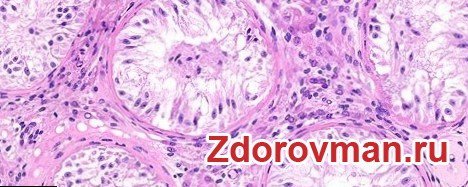 The modern and most promising treatments for azoospermia are reproductive medicine methods:
- Artificial insemination;
- In Vitro Fertilization (IVF);
- ICSI;
- IMSI.
For the treatment of azoospermia by reproductive methods, it is necessary to obtain sperm.
The method of sperm collection depends on the type of azoospermia.
With a non-obstructive form of pathology, sperm can be obtained surgically only from testicular tissue:
- PTSA - percutaneous (percutaneous) aspiration of sperm from testicular tissue. This is a minimally invasive procedure in which a thin needle is inserted through the skin into the testicle and the sperm is removed.
- TESE - testicular sperm aspiration. During surgery, a small incision is made on the testicle membrane and a piece of tissue is excised for subsequent extraction of sperm from it.
- Micro TESE is a less traumatic method of obtaining spermatozoa compared to the previous ones, since sperm aspiration is carried out directly through an incision in the testicular membrane.
With obstructive type
With an obstructive type of pathology, sperm can be extracted, both from the tissues of the testicles and from the epididymis.
- PESA is a method of collecting spermatozoa through the skin from the epididymis. During the procedure, the epididymis is pierced with a needle and sperm is extracted from it.
- MESA - microsurgical extraction of sperm from the epididymis. With this method of sperm retrieval, the surgeon opens the scrotum.
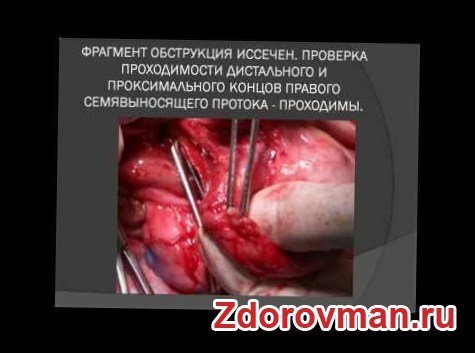 Sperm obtained by one of these methods usually has improved morphology and is suitable for IVF and ICSI.
Usually, sperm aspiration is performed on the day of follicular puncture.
Treatment of azoospermia with cryopreservation is possible only for spermatozoa that have no structural defects. Since sperm with poor morphology die after thawing. Therefore, this method of treating azoospermia is usually used for excretory type of pathology.
In the case when it was not possible to obtain any of the methods of viable sperm, donor sperm can be used for fertilization.
Patient Testimonials
Natalia
The husband was diagnosed with azoospermia. Many doctors do not even try to establish the cause of the disease, but immediately offer IVF and ICSI. After many years of searching, we found a specialist who prescribed a diagnostic biopsy to my husband. It turned out that in our case spermatogenesis was impaired due to hormone deficiency. After the appointment of a course of substitution therapy, everything returned to normal.
Rosalia
My husband had sperm aspiration. From our own experience, we were convinced that the chances of success are greater when pieces of tissue are taken from several places, for example, from the center of the testicle, the lower and upper parts. Therefore, whoever is going to have such a procedure, ask the doctor to do just that.
Lena
Perhaps someone was helped by the conservative treatment of azoospermia, but we tried everything to no avail. Therefore, we decided not to waste time and agreed to sperm aspiration and IVF. The husband said it didn't hurt.
Reviews of experts
Svetlana, fertility specialist
The causes of azoospermia can vary. In the event that the disease is caused by obstruction, surgery can help. When pathology is observed against the background of an excess or lack of hormones, then drug treatment. And if spermatozoa are not produced in a man's body, then azoospermia cannot be cured, in this case fertilization is possible only with donor sperm.
azoospermiya.ru/lechenie-azoospermii.html
The type of male infertility in question is the most severe. Going outside, the sperm in a certain place of the male body must mix with the seminal fluid. Azoospermia can develop when semen passages are blocked or when there is a problem with sperm production.
The main symptoms of azoospermia are:
- Inability to conceive a child for a long time
- Scrotal swelling, varicocele
- Transparent watery discharge from the penis
- Small and unpalatable testicles
- Increased hairiness
Factors in the progression of male infertility
There are two reasons for the development of this form of male infertility: obstructive and secretory. In the first case, the semen exit channel is blocked, and it cannot come out. The non-obstructive cause of azoospermia is problems with semen production.
IMPORTANT: Experts at Stanford University have found a link between infertility and the risk of developing testicular cancer. Studies published in the journal Medicine show that the risk of developing cancer in infertile men is several times higher than the development of this serious disease in men who are capable of conceiving.
Male infertility may increase the risk of cancer
Failure to fertilize
- As mentioned above, in order for the sperm to carry sperm capable of fertilization, it must mix with the seminal fluid before going outside.
- If the passage is difficult in the vas deferens or epididymis, the sperm may not mix with the seminal fluid. That is, when leaving the penis, it will not contain active sperm
- Within the male reproductive system, sperm and seminal fluids must pass through several channels. And an obstruction in the way of one of them can cause obstructive azoospermia. By the way, she is the cause of 40% of all male infertility problems.
Obstructive azoospermia is the most common form of male infertility.
Secretory
If the process of sperm production is disrupted in the testicles, then this is the cause of secretory azoospermia. At the same time, the channels of the passage of sperm are not clogged, and it easily comes out.
Secretory azoospermia develops as a consequence of pathologies in the development and structure of the testicles. Monorchism, cryptorchidism and other pathologies can also lead to this form of male infertility. Not infrequently, the causes of this form of azoospermia are testicular inflammation, radiation, alcoholism, hypothermia, varicocele, and a lack of certain vitamins.
Obstructive azoospermia can develop along with secretory azoospermia
The presence of obstructive azoospermia does not exclude the presence of secretory azoospermia. And vice versa. In medical practice, cases of joint development of these two forms of infertility are not uncommon.
Analyzes
- Male infertility is a rather serious problem. But, modern medicine can help even in the case of azoospermia. And in order for the attending physician to be able to identify the problem, it is necessary to pass tests
- If you suspect this form of male infertility, the doctor may prescribe a blood test (for testosterone, prolactin, LH and FSH, etc.) and a spermogram
- In order for the analyzes to show the real picture of the disease, it is necessary to properly prepare for them. To do this, it is necessary to exclude heavy physical work and sports loads one or two days before the tests. It is important to avoid stress and nervous strain.
- It is forbidden to drink alcohol before taking tests for azoospermia. You also need to give up fatty foods.
- Blood is donated 8-12 hours after the last meal. The best time to donate blood is in the morning.
To take a spermogram, you must refrain from sex for 3-7 days. It is also contraindicated to visit the bathhouse or sauna. Some medications can inaccurate this analysis. Therefore, if there is such an opportunity, they must be abandoned.
IMPORTANT: Biological material for spermogram should be collected no earlier than 2 hours after the last emptying of the bladder.
Since semen is capable of daily variation, analysis alone may not be enough. Usually, raw materials for such an analysis are handed over at least 2-3 times within 90 days.
heaclub.ru/muzhskoe-besplodie-azoospermiya-izlechima-li-azoospermiya-ili-vozmozhna-li-beremennost-lechenie-azoospermii
annahelp.ru/zabolevaniya/azoospermiya.html
Why pathology occurs
Azoospermia is a reproductive disease that is manifested by the complete absence of germ cells in the semen. It can be congenital or acquired.
The causes of the pathology:
- Intrauterine developmental disorders of the genital organs.
- Hereditary diseases (for example, cystic fibrosis, which causes damage to the CFTR gene).
- Surgical interventions in the scrotum, pelvic organs.
- The consequences of trauma.
- Genital pathology (undescended testicles).
- Inflammatory processes of the testicles, appendages.
- Infectious diseases, complications after them (orchitis with mumps).
- Disruption of the endocrine system (development of hypogonadism).
- Long-term use of certain medications, chemotherapy.

An unhealthy lifestyle, excessive alcohol consumption, vitamin deficiency contributes to the formation and development of azoospermia. In some cases, pathology occurs against the background of obstruction of the vas deferens, prolonged inflammation, and immunological disorders. Despite the severity of the disease, the patient still has a chance to conceive a child. If the possibility of spermatogenesis is preserved at least in some areas of testicular tissue, there is a 10-50% chance of achieving a positive result.
Types of azoospermia
Depending on the causes and characteristics of the course, the disease is classified according to certain indicators. There are several types of pathology:
- obstructive azoospermia (excretory infertility) - manifests itself as a complete absence of sperm, germ cells that produce sperm due to bilateral obstruction (obstruction) of the vas deferens ducts. Although the size of the testicles, the level of hormones, the number of cells remain normal;
- non-obstructive (secretory fertility) - caused by hormonal, genetic disorders;
- mixed - several forms of the disease are combined;
- functional (temporary) - occurs due to the action of a harmful factor: chronic fatigue, stress, intake drugs that negatively affect spermatogenesis (steroid hormones, antitumor funds).
It is possible to establish the exact form of azoospermia only after a comprehensive examination and analysis of the results. The effectiveness of treatment directly depends on the correctness of the diagnosis, establishing the cause of the pathology.

Signs of the disease
The most striking manifestation of the development of reproductive disorders is the inability to conceive. At the same time, sexual function remains normal. After a comprehensive examination, the doctor can identify the following characteristic signs of azoospermia:
- a decrease in the level of production of male hormones, which leads to underdevelopment of the genitals (hypogonadism);
- negative spermogram result;
- swelling of the scrotum, pain;
- abnormal size, flabbiness of the testicles (the smaller the organ, the weaker the process of formation of germ cells is).
Read also:What does the appearance of dropsy on the penis indicate?

Important! Often the pathology does not cause vivid symptoms, and the only factor that worries the patient is the absence of pregnancy.
Diagnostic methods
The diagnosis of azoospermia can be made only after two or more studies of semen with centrifugation, studying the sediment under a microscope. To accurately determine the form of the disease, the following examination methods are used:
- Ultrasound of the prostate gland, seminal vesicles, testicles;
- measuring the volume of the testicles using a Prader orchidometer, calipers;
- assessment of the index of follicle-stimulating hormone or FGS;
- spermogram (it is taken at least 2 times with a break of 2-3 weeks, the volume of biomaterial, the number, morphology and mobility of cells are assessed);
- genetic blood test (karyotype, CFTR gene, AZF factor is determined), hormonal testing of samples (checking the level of FSH, inhibin B, testosterone, prolactin, etc.);
- laboratory research to identify sexually transmitted diseases.
Non-obstructive azoospermia is diagnosed with a small testicular volume and an increase in FSH levels (more than 7.6 MF / L). The doctor necessarily conducts a visual examination, palpation, determination of the size of the organ, assesses the veins of the uviform plexus to identify signs of pathologies of the genital area.
Treatment approaches and effectiveness of folk remedies
Treatment of azoospermia is primarily aimed at stimulating the production of germ cells. A positive result can be achieved using different methods depending on the form of the disease:
- hormonal therapy (it is recommended to take estrogen, luteinizing hormone preparations for 3–6 months);
- surgical intervention (to eliminate the causes of obstruction in obstructive azoospermia - varicocele, congenital anomalies);
- biopsy for the extraction of sperm from the testicles (distinguish between traditional open TESE, aspiration fine-needle TEFNA, microsurgical microTESE). During the operation, the surgeon selects single developed seminiferous tubules, which can contain normal active cells.
Remember! Stimulation of spermatogenesis significantly increases the effectiveness of surgical extraction of germ cells.
The small size of the testicles and the absence of germ cells in the ejaculate indicate a negative response to hormonal therapy. The probability of this variant of events is influenced by the age and initial condition of the patient. Premature repeated interruptions of azoospermia treatment cycles decrease the percentage of recovery of active spermatogenesis.
If chromosomal abnormalities (microdeletion, etc.) are detected, the patient is recommended to consult a geneticist to determine the risks and indications regarding the verification of embryos prior to implantation during IVF procedures, ICSI. To increase the effectiveness of treatment tactics, it is very important to correctly correct concomitant pathologies that inhibit spermatogenesis. When detecting infectious diseases of the genital area, the patient is recommended to take anti-inflammatory drugs, antibiotics.
Often, men diagnosed with azoospermia believe that the disease can be cured on their own with the help of folk remedies. But in this case, it will be possible to obtain a high-quality result only under the condition of a competent approach to eliminating the problem, identifying the exact reason for the absence of spermatozoa. Taking into account the specifics of the disease, any folk remedies will not have a significant effect on the situation, especially with obstructive azoospermia. But taking some of them will help strengthen the body's defenses and resistance to infections, and improve the patient's morale.
To this end, you can:
- drink an infusion of wormwood (1 tsp. l. herbs are poured with boiling water, taken during the day);
- there are pomegranates (1 small fruit per day);
- take vitamin mixtures (for example, from 200 ml of natural wine, 3 yolks, 100 ml of lemon juice, 200 ml of honey - 1 tbsp each). l. in a day).
It is worth being treated with any folk remedies, including to increase disease resistance, only after consulting a doctor.
Forecasts
Normal testicular volume and the level of biologically active substances produced by the glands give a high percentage (about 83%) of successful sperm retrieval due to surgical extraction. When these criteria are unsatisfactory, microsurgical testicular biopsy techniques are generally recommended. After correct treatment, there will be a real chance to become a father - according to statistics, in the event of a successful medical intervention, the probability is at least 65%.
Important! In modern reproductive medicine, there are practically no factors that give a 100% negative prognosis for obtaining male germ cells by surgery. Exceptions are some genetic abnormalities that disrupt the production and maturation of spermatozoa (microdeletion, de La Chapelle syndrome). Many of them cease to be obstacles after undergoing hormone therapy.
If, after successful treatment, pregnancy does not occur, experts recommend using assisted reproductive technologies - ICSI (artificial injection of sperm into the egg), IVF. Despite the active development of medicine, there remains a certain percentage of patients with idiopathic azoospermia, when it is not possible to identify the exact causes of the appearance of disorders. In this case, biological paternity is impossible, and the only way out is to use donor sperm.
Features of IVF with azoospermia
When diagnosing azoospermia, in vitro fertilization is performed following a separate protocol. It necessarily includes the stage of obtaining a male reproductive cell. The method is chosen depending on the specifics, type of violation. The optimal method is a testicular biopsy (TESA, MESA) in the IVF-ICSI cycle. If necessary, prescribe hormone-stimulating therapy. For the procedure, freshly obtained or thawed sperm is used. If the germ cells are inactive, have an altered morphology, ICSI is required, during which the reproductive specialist will select the correct, healthy sperm and introduce it into the cytoplasm of the egg.
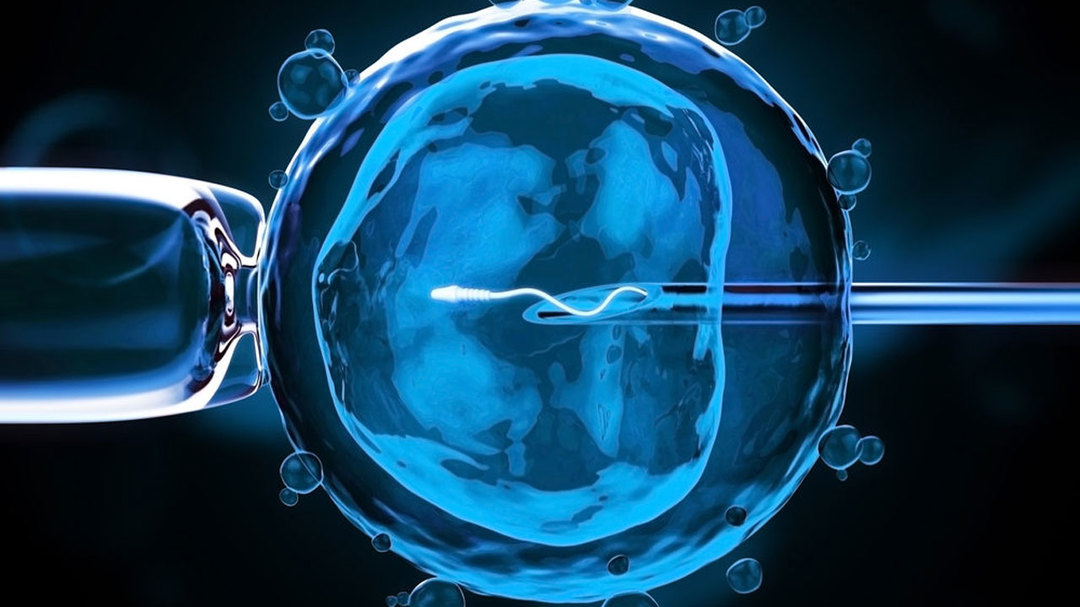
The effectiveness of IVF and ICSI technologies using sperm obtained by biopsy does not always show 100%. There is a risk of biochemical pregnancy when the fetal egg is not visualized by ultrasound. The success of the result is influenced not only by the fertile status of the husband, factors on the part of the woman play an important role: age, endometrial condition, hormonal status. According to statistics, pregnancy with the use of sperm from men with obstructive pathology is higher than with secretory. Experts attribute this to a greater likelihood of genetic abnormalities in the germ cell, which negatively affects the development of the embryo.
The prevalence of azoospermia among fertile men is quite high - 10-15%, this pathology requires timely formulation of the problem and prompt restoration of spermatogenesis, which is why it is difficult treat. The multifactorial nature of male infertility, a wide range of potential causes of the disease require a versatile and comprehensive approach to diagnosis and therapy.
https://www.2poloski.ru/poleznoe/stati/azospermia/
Causes
Given the reasons that caused the development of azoospermia, the disease can be obstructive, non-obstructive and temporary. The development of an obstructive form of violation is associated with the occurrence of obstruction of the vas deferens, as a result of which sperm do not enter the ejaculate. With this type of disorder, male germ cells are formed in sufficient quantities, while their morphology and mobility are not disturbed. The obstructive form of azoospermia can be congenital, inflammatory or traumatic. Also, the development of a pathological condition can occur with varicocele, inguinal-scrotal hernias, narrowing of the urethra, operations on the organs of the scrotum.
With the non-obstructive form of azoospermia in the testicles, sperm formation is impaired, which may be due to bilateral cryptorchidism, mumps complicated by orchiepididymitis, tumor lesions of the testicles, gamma radiation, toxic effects of heavy metal salts or pesticides. Violation of spermatogenesis by the type of secretory and obstructive azoospermia can be observed with hypogonadism, cystic fibrosis, diabetes mellitus, celiac disease, pituitary tumors, spinal injuries, syphilis.
Temporary pathology is associated with the development of transient functional disorders on the part of the gonads and can occur in acute diseases, stress, and taking medications. Sometimes a temporary impairment of spermatogenesis can be caused by frequent sexual intercourse.
Symptoms
The main specific symptom of azoospermia is the inability to conceive a child with preserved sexual function. The rest of the clinical symptoms that occur with azoospermia are associated with the underlying disease. For example, with hypogonadism in a man, an insufficient development of secondary sexual characteristics is determined - poor hair growth, a female physique and gynecomastia. The development of secretory azoospermia is often accompanied by testicular hypoplasia, the formation of a micropenis, decreased libido, and erectile dysfunction.
In obstructive azoospermia, the patient may complain of discomfort, pain, swelling, and swelling of the scrotum. On palpation in such patients, testicles of normal size and shape are determined, and the epididymis are enlarged due to the accumulation of spermatozoa in them. With obstructive azoospermia, retrograde ejaculation may occur.
Diagnostics
The causes and type of azoospermia can only be determined by specialists. When contacting a doctor, such patients undergo a comprehensive examination of the male reproductive system. When collecting anamnesis, the frequency of sexual activity and the duration of the period of infertility, past diseases, occupational hazards, the patient's lifestyle and other factors are specified. During a physical examination, the body type, the severity of secondary sexual characteristics, and the condition of the external genitals are assessed.
To exclude the pathology of the male genital organs, an ultrasound examination of the scrotal organs is prescribed, transrectal ultrasound examination of the prostate gland, ultrasound examination of blood vessels scrotum. A hormonal status study may be required, as well as a screening for the presence of sexually transmitted diseases.
Treatment

In all cases of azoospermia, treatment is aimed at eliminating the cause of the impaired male fertility. In obstructive azoospermia, a reconstructive operation is indicated to restore the patency of the vas deferens. To correct endocrine disorders that lead to secretory azoospermia, hormone replacement or stimulating therapy is prescribed. With the help of a course of treatment for male infertility of hormonal genesis, in some cases it is possible to achieve the appearance of sperm in the ejaculate.
Prophylaxis
Prevention of azoospermia is based on the timely treatment of any diseases of the male reproductive organs.
https://www.obozrevatel.com/health/bolezni/azoospermiya.htm
Azoospermia is non-obstructive. Causes
Or secretory, when sperm production is impaired. Either sperm progenitor cells are not formed, or there are obstacles to their maturation.
The most common reasons are:
- Hypogonadism due to hormonal disorders;
- Genetic diseases (Klinefelter syndrome);
- Cryptorchidism;
- Infections (mumps and its complications: orchitis, epididymitis);
- Toxic (including medicinal), temperature, radiation effects on the spermatogenic epithelium of the testicles;
- Alcohol abuse, smoking; drug use can also be classified as toxic, but stand out as behavioral factors.
Obstructive azoospermia
In this case, spermatogenesis is preserved, but difficulties arise when the spermatozoa pass through the vas deferens. Obstacles to exit in the form of cicatricial, adhesive changes in tissue, cysts can occur as a result of trauma, postponed urogenital infections, inflammation of the testicle, its appendages (orchitis, epididymitis) or prostate gland (prostatitis), or abnormalities in the development of the vas deferens (aplasia).
The diagnosis is established on the basis of a spermogram, an ultrasound examination of the scrotal organs is additionally carried out, transrectal ultrasound of the prostate, analysis of urethral discharge for infections, determination of hormone levels, genetic research.
Azoospermia. How to treat?
Non-obstructive (secretory) azoospermia is the most severe form of male factor infertility, requiring long-term treatment, if it can be carried out taking into account the established cause of the violation spermatogenesis. In case of genetic pathology and associated impairment of spermatogenesis, the use of donor sperm is recommended.
In obstructive azoospermia, there are surgical methods for restoring the permeability of the seminal ways and methods of obtaining sperm from the testicle or epididymis with further use of IVF ICSI.
In our clinic, we use the following sperm extraction methods:
- From the epididymis (epididymal sperm)
- MESA (Microsurgical Epididymal Sperm Aspiration) - microsurgical aspiration of sperm from the epididymis. Open surgery - a small incision is made. With the help of a microscope, the tubules of the epididymis are determined with areas in which there is a high probability of intact spermatogenic epithelium, and the cells are taken.
- PESA (Percutaneous Epididymal Sperm Aspiration) - percutaneous aspiration of sperm from the epididymis. A low-traumatic operation that does not require open intervention.
- From the testicle (testicular sperm)
- TESA (TEsticular Sperm Aspiration) - percutaneous aspiration of sperm from the testicle. A low-traumatic operation that does not require open intervention.
- M-TESE (Microsurgical TEsticular Sperm Extraction) - percutaneous puncture and aspiration of spermatozoa from the testicle using a thin needle.
The operations are performed under short-term intravenous anesthesia, under spinal anesthesia, or, less commonly, under local anesthesia. A few hours after the doctor's control examination, the patient can be allowed home.
The obtained sperm are used immediately or cryopreserved for the required period, and then they can be used in the IVF ICSI program (when a specially selected, the best sperm). Since mature, morphologically complete, motile spermatozoa are selected, the chances of successful fertilization increase, which means that the desired pregnancy is getting closer and closer.
If you have any questions about the treatment of azoospermia, sign up for a consultation with GMS IVF specialists by leaving a request by phone or on the website.
https://www.gmseco.ru/services/male-Infertility/azoospermiya/