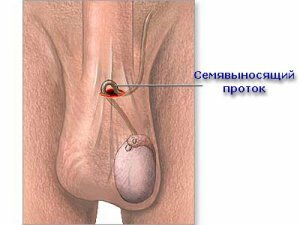
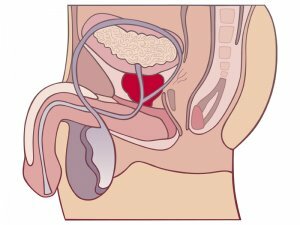
Stem form of hypospadias and features of its treatment
Stem form of hypospadias: causes, diagnosis and treatment

To date, among 200-300 newborn boys in 1-2 of them, doctors diagnose a developmental anomaly - hypospadias.
In children, this pathology begins in the embryonic position at about 7-15 weeks of gestation, which can be facilitated by various factors of negative influence.
In addition, doctors note that hypospadias is a hereditary pathology that is passed from the father to his next generation.
Hypospadias is an abnormal positioning of the urethral opening that is much more common in male children than in girls.
Due to the fact that hypospadias is easily diagnosed and in most cases a simple visual examination will be enough, the disease has every chance of a cure.
The distal stem form of hypospadias also needs treatment, after which the boy has every chance of restoring urogenital functions.
Causes of pathology
The stem form of hypospadias is an anomaly in the development of the urogenital organs in a boy, as a result of which the urethral opening will be located not on the head of the penis, but on its trunk.
Of all forms of hypospadias, doctors consider several of them to be the most difficult, including stem hypospadias, since several factors are considered her problems:
- problematic or complete inability to urinate while standing;
- curvature of the penis, which in the future disrupts the process of ejaculation and the ability of a man to have children;
- psycho-emotional discomfort and even psychological trauma against the background of such a pathology.
For reference! All existing diseases are recorded in a special official document - ICD 10 or the International Classification of Diseases. The stem form of such a disease is marked in this classification with the code Q54.
For many decades, medical specialists and scientists have carefully studied the prerequisites for the development of hypospadias, as a result of which the reasons have been established:
- genetic predisposition (most often inherited from the father);
- gene type mutations;
- hormonal imbalance of a pregnant woman;
- IVF and hormonal support for pregnancy;
- the use of estrogen-based contraceptives by a woman;
- the presence of bad habits in the mother;
- unfavorable environmental conditions for living and working;
- multiple pregnancy in a woman and frequent pregnancies;
- the presence of infections in a pregnant woman and intrauterine infection of the fetus.
A pregnant woman should pay special attention to her health exactly at 7-15 weeks of her position, since at this time the urinary system is formed in the boy.
It is important to monitor the state of the hormonal system, since sharp jumps in female hormones and a lack of male hormones can affect the development of the fetal genitals.
In addition, several factors can contribute to the development of hypospadias at once, since in the first trimester the fetus is excessively sensitive to external and internal influences.
Features of stem hypospadias
As mentioned earlier, the distal stem shape in children is presented in the form of an abnormal misalignment of the urethra, which is located on the shaft of the penis.
Normally, the urethra should exit in the middle of the head of the penis, which provides a man in the future with normal urination and ejaculation for procreation.
After birth, each child is examined by specialists for the presence of pathologies, including hypospadias.
For reference! To examine a newborn child for developmental abnormalities and pathologies, you should visit a neonatologist who is competent in such diseases.
With this form of hypospadias in a child in an upright position of the body during the emptying of the bladder, urine will have a downward direction, in other positions - at a pathological wrong angle. Curvature of the penis will also be noticeable, which is usually better diagnosed in adult patients. In addition, the pathology is characterized by a visible narrowing of the urethra.
Stem hypospadias can be of several forms:
- distal-stem - when the urethral outlet is observed closer to the coronal groove of the penis;
- central - the urethral canal is located in the center of the trunk of the organ;
- proximal form - in this case, the exit of the urethra is seen closer to the scrotum of the penis.
Also, the stem form of hypospadias should be distinguished by the severity of:
- Easy stage - there is a slight curvature of the penis or its normal shape remains. Most often, doctors observe a mild stage with the coronary-stem form of hypospadias.
- Middle stage - there will be a visible curvature of the penis, which must necessarily be corrected by surgery. This stage is often observed in boys with a proximal form of pathology.
- Severe form - in this case, doctors note the location of the exit of the urethra right next to the perineum, in addition, the strong curvature of the penis flows into its hyperplasia.
As a rule, hypospadias is not an independent disease, since concomitant diseases will contribute to it - cardiovascular pathologies, inguinal hernia, kidney disease, other abnormalities, absence or fusion of the anus, cryptorchidism.
Diagnostics and treatment
The stem form requires not only a visual examination by a doctor to establish a diagnosis, but also a complex of diagnostic measures. Namely:
- ultrasound examination of internal organs;
- urography;
- cystourethrography;
- MRI and CT for auxiliary purposes;
- genetic tests to find out abnormalities that are inherited.
The only effective way to treat this form of hypospadias is surgery to correct the external forms and structure of the genital organs, as well as restore its normal functions.
The operation is performed at an early age, when the child cannot yet identify such pathologies in himself, and also does not remember the experience.
As a rule, the optimal age for surgery is from six months to 2 years, since later the chances of developing complications increase.
To begin with, the reconstruction of the urethra is carried out, after which the plastic of the penis. The surgeon removes the disturbances in the structure of the corpora cavernosa, after which the urethral section is “added” to the head of the penis, that is, in its normal functional state. There are several types of operations that are practiced in the treatment of stem hypospadias:
- MAGPI operation - is effective in the distal-stem shape, during which the surgeon flattens the head of the penis without moving the urethra itself.
- Operation Mathieu - for any form of pathology on both sides of the urethral canal, the surgeon makes two incisions, straight from the apex of the head to the corpora cavernosa. The doctor sews the resulting flap to the urethral plate, and then connects the wings of the head.
- Operation Snodgrass - for any type of anomaly, the surgeon dissects from the external outlet of the urethra to the very middle of the head, after which this plate is sutured in diameter around the catheter.
- Operation Thirche-Dupley - any form of stem hypospadias is treated with this type of operation, when the surgeon makes a deep an incision on the sides, the urethral plate is sutured into the correct shape of the tube, covered with flaps on all sides, stitching everything between yourself.
- Plastic flap on the leg - Another universal operation, in which the surgeon forms a rectangular flap from the mucous membrane, after which it covers the urethral plate.
In each individual case, the specialist independently selects the type of operation that can solve the problem. During rehabilitation, the child spends several days in bed, urination occurs through a catheter. You need to change the catheter every 3 days, treat it with antiseptics every day. Healing of the urethra occurs 3 weeks after surgery.
In addition to surgery, the doctor may prescribe hormone therapy to increase testosterone and other steroids.
To prevent infection, which is so characteristic of surgical interventions, the doctor may prescribe the patient a course of antibiotics. Also in the postoperative period, pain relievers are used.
From all that has been said, we can summarize that the stem form requires surgical treatment in any case.
It's better not to joke with men's health, remember that! The best way to deal with illness is to make an appointment with a good doctor!
Source: http://SilaMan.ru/stvolovaya-gipospadia/
Stem hypospadias: why it occurs and how is it treated
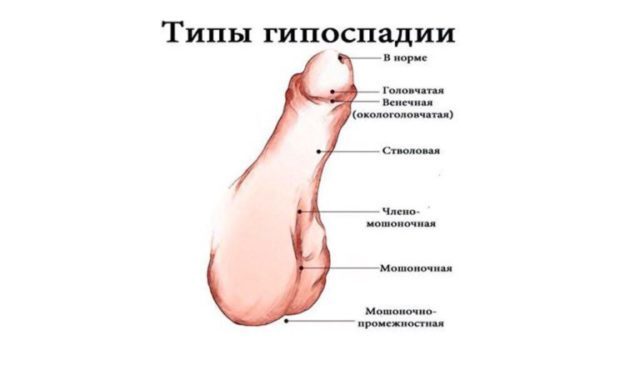
Hypospadias (Q54 - ICD 10 code) is a congenital abnormal position of the urethra in males.
Diagnosis of the disease is not difficult, but treatment should be done at an early age in order to prevent possible psychological and physiological problems. Stem hypospadias is one of the most common forms of the disease.
What this state means, why it occurs and how to restore the impaired functions, we will consider further.
Causes of occurrence
For several decades, the question of the etiological factor of the stem form of the anomaly has been studied. Doctors agreed that the causes of hypospadias are:
- hereditary predisposition;
- gene mutations;
- hormonal surges in the mother's body during pregnancy;
- in vitro fertilization;
- use of estrogen-based contraceptives;
- bad habits of the mother (smoking, alcohol abuse);
- environmental factors;
- frequent pregnancies or multiple pregnancies;
- intrauterine fetal infections.
Pathology occurs with the combined influence of several provoking factors. The establishment and development of the organs of the urinary system begins from 8 weeks of embryonic development. During this period, the fetus is most sensitive to external and internal influences.
Features of the stem shape
The manifestation of pathology is an abnormal location of the urethra. The stem form is characterized by the fact that the urethra does not open in the center of the glans penis, as it should be normally, but in any part of the stem.
Examination of the newborn determines hypospadias on the first day of his life. An experienced pediatrician-neonatologist will notice that the stream of urine during urination is directed at a pathological angle, and in the case of a vertical position of the child - downward. The penis has curvatures. This is especially evident in adults who have not been treated before.
The stem form is characterized by stricture (narrowing) of the urethra. This is observed not only at the exit point of the channel, but also along its length. Severe forms of the disease are accompanied by the formation of female genital organs in boys: a malformed penis resembles a hypertrophied clitoris, and the scrotum resembles a vagina.
Form and degree of anomaly
Depending on the localization of the urethra, several forms of stem hypospadias are distinguished:
- distal-stem shape - the outer part of the urethra is closer to the coronary sulcus;
- central - the canal is localized in the middle part of the trunk;
- the proximal form is accompanied by the location of the urethra closer to the scrotal region.
According to the severity of the pathology, three forms of stem-type hypospadias are distinguished.
The mild form is accompanied by a slight curvature of the organ or it may be absent. Typical for the coronal-stem shape. In the form of moderate severity, the curvature is significant, requires mandatory surgical intervention, combined with the proximal location of the canal. Combines with other pathologies of the kidneys, bladder.
The complex form of the anomaly is characterized by the fact that the urethra is located almost in the perineum. Severe curvature of the penis is accompanied by hypoplasia.
Accompanying illnesses
Hypospadias exists as a separate disease or as a symptom of another pathology. Developing in parallel:
- pathology of the heart and blood vessels;
- kidney disease;
- genetic abnormalities of other localization;
- hernia in the groin area;
- atresia (absence or fusion) of the anus;
- cryptorchidism (undescended testicles into the scrotum).
Source: https://oprostatite.info/urologiya/poroki-razvitiya-muzhskix-polovyx-organov/stvolovaya-gipospadiya-pochemu-voznikaet-i-kak-lechitsya
Forms and types of hypospadias: when and why should it be treated?

Hypospadias is a congenital disorder of the development of the external male genital organs, characterized by a displacement of the opening of the urinary tract.
Read also:What is prostate cancer and how is it treated?
This is the most common abnormality of the urinary tract in boys.
…
The main signs of pathology:
- the urinary tract opens slightly proximal to the tip of the penis (the urethra can open in different parts of the penis or scrotum, depending on the type of hypospadias);
- in almost all cases, the penis is curved to one degree or another;
- splitting (dysplasia) of the foreskin.
Penile hypospadias
Hypospadias of the penis in children, in turn, also differs in shape.
Capitate hypospadias
Capitate hypospadias or hypospadias of the corolla of the head (translated from English. balanic hypospadias) - the urinary tract opens within the head of the penis at the level of its corolla. The foreskin is partially split.
The penis has a slight internal curvature. A fairly common form of pathology - occurs in 3.5% of boys. It is considered a slight deviation from the norm, correction for such a defect is not required.
With capitate hypospadias patients may complain of a thin stream when urinating and a change in the shape or slight curvature of the penis.
Peri-cephalic form
Peri-cephalic form of hypospadias (coronal, perianal, crown) - the urinary tract is displaced slightly below the head in the area of the frenum, which forms the head. This is one of the most common forms of hypospadias.
The area of the frenum of the penis during intrauterine development is most affected by negative factorssuch as alcohol, nicotine and medications. The penis with this type is bent in the ventral direction.
Patients with this form of anomaly complain that the urine stream is directed at an angle towards the penis. Capitate and coronary hypospadias are classified as anterior forms of this anomaly.
Stem hypospadias
Stem form of hypospadias or hypospadias of the distal third of the penis (translated from English. penile hypospadias) - the cavernous body of the urinary tract is poorly developed or absent altogether.
Its external opening can be located throughout the corpus cavernosum.
The severity and direction of the curvature of the penis depends on the location of the opening.
Hypospadias of the middle third of the penis
The urinary tract opens slightly lower than in the previous case.
You can observe a clear change in the shape of the penis.
Hypospadias of the proximal third of the penis
The urinary canal opens even lower than with hypospadias of the middle third.
You can also observe a clear curvature of the penis.
Member-scrotal hypospadias
Translated from English. penoscrotal hypospadias - the urinary tract opens at the border between the body of the penis and the scrotum.
In this form, the penis is underdeveloped.
During an erection, the curvature is well pronounced.
Scrotal hypospadias
Scrotal form of hypospadias (translated from English. srotal hypospadias) - with this anomaly, the urinary tract opens on the scrotum. Patients can produce the act of urinating only while sitting.
The penis is severely underdeveloped, bent in the ventral direction.
In some cases, the external genitalia may look like a woman's labia and an exaggerated clitoris.
Before starting treatment for scrotal hypospadias, it is recommended to seek the advice of an endocrinologist.
Perineal hypospadias - the urinary tract opens in the perineal region. In this case, the penis has a clearly visible curvature, the scrotum is split (dysplastic).
The act of urination is carried out in a squatting position. The structure of the external genital organs is mixed.
Such patients need advice from a geneticist and endocrinologist..
Perineal hypospadias, together with scrotal and member-scrotal hypospadias, refers to the posterior forms of pathology.
Hypospadias without hypospadias (chord-type) - the urinary tract is located at the top of the head of the penis, but at the same time there is a different degree of deformation of the penis.
This may be due to dysplasia of the ventral surface of the skin, a complex of skin dysplasia and the presence of cords of connective tissue along the urethra, or underdevelopment of the urethra itself.
How to treat?
The only treatment for hypospadias is surgery.. Such operations belong to the class of reconstructive plastic surgery.
The main task of surgical intervention for hypospadias is plastic of the missing part of the urethra, creating normal size of the lumen of the urinary tract, correction of the deformity of the penis and complete removal cosmetic defects.
The optimal age for the treatment of hypospadias is considered to be the period from 6 to 18 months, since during this period the child can more easily endure both the operation itself and the course of the postoperative period. As a rule, children under the age of three who have been operated on do not remember the operation.
Reasons for the development of hypospadias
The causes of hypospadias are not yet fully understood, but among scientists there are several theories of its development.
There is the opinion that the development of this anomaly may be influenced by the ecological situation, provoking point gene mutations.
Also on the development of hypospadias may be influenced by the mother's intake of hormonal drugs during pregnancy, which are prescribed when there is a threat of pregnancy failure or hormonal contraception, which was carried out less than a year before the onset of the expected pregnancy.
Hypospadias is a disorder that affects both the urinary and reproductive systems. Usually, the urinary canal in such patients is short, which is why the stream of urine flows vertically, falling on the scrotum and inner thighs.
Thus, the boy has to urinate while squatting. After the onset of puberty, boys face sexual difficulties due to the curved shape of the penis.
Forms and types of hypospadias
Given the place where the lumen of the urinary tract opens, hypospadias is usually divided into:
- Hypospadias of the penis;
- Mosonial hypospadias;
- Scrotal-perineal hypospadias;
- Hypospadias without hypospadias.
Hypospadias of the penis, in turn, is divided into:
- capitate hypospadias;
- coronary hypospadias;
- dining hypospadias;
- hypospadias of the middle third of the penis;
- hypospadias of the proximal third of the penis;
- member-scrotal hypospadias.
Source: http://man-up.ru/bolezni/andrologiya/gipospadiya/gipos-formy-i-vidy.html
Hypospadias: stem form, concomitant diseases

Hypospadias is the most common developmental disorder of the urethra in boys. According to various sources, the pathology of the urethra among newborns is growing every year.
Currently, cases of urethral hypospadias occur in 1 in approximately 150-200 newborns. Hypospadias can take many forms. One of the most common is the stem form of the disease.
Treatment of hypospadias is operative in most cases.
Features of the stem form of hypospadias
Depending on where the external opening of the urethra is located, several different forms of hypospadias are distinguished. So, if the external opening of the urethra is placed on the coronal groove of the penis, the coronal form of the disease is diagnosed.
If the opening of the urethra is located on the surface of the penis trunk, stem hypospadias is diagnosed. The urethral opening may be located in the perineal region. In this case, the perineal form of the disease is established.
If the opening of the urethra is located in the area of the scrotum, the patient is dealing with a scrotal form of pathology. Depending on what form of the disease is present in the patient, appropriate treatment for hypospadias is prescribed and the necessary recommendations are given.
Any advice on combating pathology can only be given by a qualified doctor.
The stem form of pathology is one of the most common. In patients with a stem form of urethral hypospadias, the external opening of the urethra can be located in different places of the penis shaft.
The most common complaint of these patients is difficulty urinating in vertical position, because due to the peculiarities of the location of the urethra, the jet goes down.
You have to empty the bladder while sitting on the toilet or lift the penis upward so that the stream comes out of the external opening of the urethra in the normal direction. The penis is often curved.
In many patients with stem hypospadias, a narrowing of the external opening of the urethra is noted. In some situations, the urethra narrows not only at the outlet, but also in length.
Stem hypospadias can be distal or proximal. With the distal variety, the external opening of the urethra is located closer to the coronary sulcus.
In patients with proximal stem hypospadias, the urethral opening is found closer to the scrotum.
This division allows you to choose the optimal treatment for hypospadias and give the patient the most accurate recommendations.
The main causes of the appearance of hypospadias of the urethra
For decades, they have been working on establishing the exact causes of hypospadias. However, the doctors have not yet come to final conclusions. Among the main reasons for the development of urethral hypospadias are noted:
- point mutations of genes;
- the mother's use of foods containing androgenic substitutes and disruptors that contribute to a change in hormonal the status of the fetus so that its formation proceeds with impairments, including pathologies of the penis and urinary channel;
- ecological disasters.
The use of hormonal drugs, which the mother takes with the threat of miscarriage, often leads to a violation of the structure of the penis in general and the development of urethral hypospadias in particular.
A fairly high probability of giving birth to a child with hypospadias is noted with artificial insemination. In the management of such a pregnancy, female sex hormones are used. They have an adverse effect on the process of formation of children's genital organs.
Hereditary factors also play an important role: there are many cases when children with hypospadias of the urethra were born in several generations of the same family.
Accompanying illnesses
This pathology is often accompanied by other diseases and can lead to a number of complications. Therefore, it is important to undergo hypospadias treatment in a timely manner in order to avoid adverse consequences.
First of all, urethral hypospadias is accompanied by various disorders of the genitourinary system - anomalies of the kidneys and testicles, inguinal hernia, etc.
Many patients are diagnosed with anus atresia, heart problems, and various genetic abnormalities.
In some situations, hypospadias is a symptom of more severe malformations of the genitourinary system. More than 120 diseases are known to modern medicine, of which hypospadias is an integral part. Therefore, before an operation for hypospadias is prescribed, the doctor must conduct an in-depth diagnosis. The wrong treatment can lead to very serious consequences.
Occasionally, there are situations when, due to hypospadias, the sex is incorrectly assigned to the child at birth. Parents begin to raise such boys as girls.
And from the age at which the correct diagnosis will be established, not only the physical, but also the mental health of such children depends. The diagnosis of such cases is rather complicated. It requires a detailed examination with further surgical and psychological correction.
Most of these patients have to undergo gender reassignment surgery. it is no longer possible to recreate a penis of normal size and improve the human psyche.
Is it necessary to have an operation?
If hypospadias is present, treatment should be carried out as soon as possible. The older the patient becomes, the more serious the complications associated with the pathology will be. Children have difficulty urinating while standing.
At a more mature age, due to hypospadias, difficulties appear or it becomes impossible to carry out sexual intercourse. Because of this, guys begin to become very complex, many of them develop neuroses, severe chronic stress. In addition, hypospadias can lead to infertility.
Read also:Common prostate diseases and their symptoms
Modern surgical methods make it possible to carry out successful operations for hypospadias already in the first year of a boy's life. This is proven to be the best age for treatment.
The child does not yet realize that something is wrong with his genitals, he does not understand that he is in the hospital, and with age he will not remember about the treatment.
This eliminates possible physical and psychological complications.
With age, when the penis grows and secondary sexual characteristics begin to appear, problems associated with the previous operations may arise.
Deformation of the penis is quite often noted due to preserved embryonic scars on the corpora cavernosa or limitation of the growth of the created part of the urethra. If the skin of the scrotum is used to create the urethra, hair may begin to grow in it.
Uric salts will settle on the hair, from which stones will begin to form. This will disrupt the urination process.
It is important to have regular genital examinations in the hospital. If more than 10 years have passed from the moment of the operation to the moment of examination, the specialist can recommend modern effective methods of correction. Often, such treatment does not require surgery.
At the age of 16-18, it is recommended to take a semen analysis. This will make it possible to timely detect violations of the development of the reproductive system, if they are present, to assess the boy's ability to conceive and to prescribe effective treatment, if necessary.
The main goals of surgery
The operation, which is performed in the presence of hypospadias, belongs to the category of reconstructive plastic. Surgeons are working to eliminate the curvature of the corpora cavernosa, create the missing section of the urethra, position the opening the urethra in the right place, maximally eliminate all cosmetic defects, which allows the patient to adapt to society.
In the treatment of this pathology, more preference is given to one-stage methods. Currently, modern methods of operations are used.
In good clinics, they work with special suture material, magnifying equipment and microsurgical instruments.
During treatment, surgeons try to do everything possible so that after the operation there are no complications and the best cosmetic and functional result is obtained.
The operation is performed using combined anesthesia. Modern drugs can eliminate pain for 5-8 hours. Thanks to local remedies, the dosage of general action drugs and the load on the nervous system are reduced.
It is important that the clinic's specialists provide an individual approach to each patient. The main components of success are delicate microsurgical techniques, modern and effective methods, high-quality instruments and suture material, experience and qualifications in such operations and scrupulous control after operation.
Modern techniques allow you to achieve the most functional and cosmetic treatment results.
One of the most difficult stages of such an operation is the creation of the capitate part of the urethra and, in particular, the external opening of a natural appearance.
What should a doctor do before surgery?
Before prescribing treatment, a detailed diagnosis is required. It starts with a close inspection. At this stage, most of the questions are removed.
To check for narrowing in the urethra, uroflowmetry is performed - determining the volumetric rate of urination. If the rate of urination is reduced, an examination of the entire urinary system is performed.
Further treatment is carried out taking into account the existing accompanying deviations.
If one or both testicles are missing in the scrotum, a number of difficulties may arise in the diagnosis process. Such patients are necessarily assigned a genetic analysis, a study of the internal genitals, kidneys, and bladder is carried out.
In rare cases, magnetic resonance imaging may be prescribed. In conclusion, laparoscopy can be applied. Patients with severe forms of pathology are referred for treatment to specialized multidisciplinary centers.
Based on the results of the studies carried out, the possibility of surgical intervention is determined. This allows you to make the operation as safe as possible and minimize the likelihood of complications.
In the case of the stem form of pathology, the operation can be performed in 1 or 2 stages. First, the penis is straightened and the urethra is restored.
At the site of the opening of the urethra, scar tissue is excised, which makes it possible to provide conditions for the development of the corpora cavernosa. Plastic surgery of the missing part of the urethra can be performed using the skin of the foreskin or forearm.
In recent years, the use of tissue grown from stem cells has been practiced.
Surgical procedures are performed under general anesthesia. Surgeons evaluate the individual characteristics of the patient and select the most suitable plastic technique. The result largely depends on the experience and professionalism of the surgeons.
How is the recovery going?
After the operation, the patient should be kept in bed. A urine catheter will be inserted into the urethra. Thanks to him, the normal restoration of the tissues of the new section of the urethra will be ensured.
If there are no complications, the urethra will heal in about 2 weeks. In the case of a one-stage intervention, patients usually recover within a few months. During the rehabilitation period, you need to regularly visit a doctor.
He will assess how the recovery is proceeding, make adjustments if necessary and give accompanying recommendations.
Source: http://1lustiness.ru/ochishchenie-organizma/sovety/87860-gipospadiya-stvolovaya-forma-soputstvuyushchie-zabolevaniya
Male troubles: hypospadias and methods of its treatment
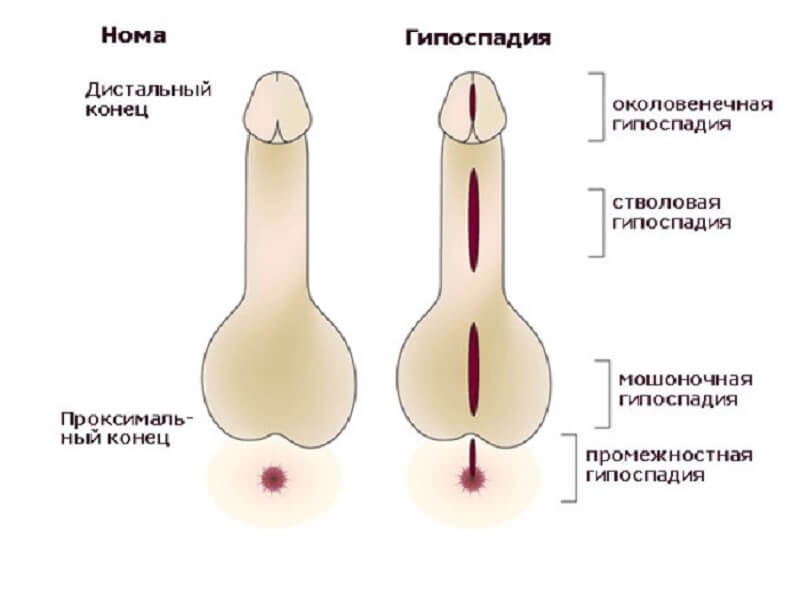
Hypospadias is considered one of the most common abnormalities of the urethra, which is observed in boys, less often in girls. According to the latest data, out of 125 children, this defect occurs in two or three males. These are all hypospadias. What is it, what are the symptoms, what is it associated with and how is it treated?
Hypospadias is characterized by an unnatural displacement of the urinary opening to unsuitable parts of the body, such as the perineum, scrotum, or the lower surface of the penis.
In the presence of this defect, a complete violation of the urination regimen occurs, skin irritation, discomfort and deformation of the penis occur.
Hypospadias occurs not only in boys, but also in girls. But this is extremely rare. In this case, there is a visible deformation of the opening of the urethra. Most often, it opens directly into the vagina. At the same time, the virgin film itself, or the hymen, also has a characteristic cleavage.
Hypospadias in children has a number of characteristic features. In particular, one of them is the presence of a hole in an unconventional place for it. Among other symptoms, there are frequent urge to urinate and difficulties associated with this.
In adults of the stronger sex, complete sexual apathy towards their sexual partner and pronounced deformity of the penis can occur.
In the absence of any help from hypospadias specialists (a photo of this deviation can be seen below) leads to very unattractive consequences.
In most cases, one or two dropsies appear in the area of the testicles, called hydrocele in the medical environment.
They are a small sac formed as a result of excessive accumulation of fluid in both shells of the testicles.
In turn, this phenomenon further leads to the occurrence of an inguinal hernia and excessive accumulation of lymph.
In addition, dysplasia of the foreskin and the development of chronic diseases can be observed. However, their manifestations directly depend on the type of the identified deviation. This is what hypospadias leads to. We will consider its forms below.
In women and girls, the consequences of hypospadias can be infections such as cystitis, urethritis, vulvovaginitis, less often such patients have pronounced signs of pseudohermaphroditism and hermaphroditism.
There are the following forms of congenital abnormalities:
Capitate hypospadias is considered the mildest and most common form of abnormality. In such patients, as a rule, the narrowed urethral opening is slightly displaced from the center of the head of the male genital organ to the coronary groove.
With such anomalies, men may experience discomfort due to pressure on the narrow channel of the urinary stream. The process of urination is difficult and looks like a thin stream. The curvature of the male genital organ at this stage is practically not observed.
Capitate hypospadias is usually found in 65-80% of men and boys.
Coronal or peri-coronal deviations are characterized by a displacement of the hole closer to the groove. In the process of urination, patients notice a redirection of the jet at an angle to the penis.
In patients with this form of anomaly, the foreskin is pronounced, which acquires several new folds and forms a kind of pocket.
Coronal hypospadias usually leads to a curvature of the penis, which subsequently acquires a ventral direction.
For the stem form of the anomaly, the location of the urethra on the genital trunk is characteristic.
In such patients, over time, severe deformation of the penis occurs, and the process of urination itself causes enormous problems. The fact is that during the process the jet is directed downward.
Therefore, with every urge to go to the toilet, people with a similar diagnosis have to literally pull their manhood to the abdomen.
Scrotal hypospadias (a photo of this ailment can be found in our article) provides for a congenital displacement of the canal either to the scrotum itself or to the line of its delimitation with the trunk of the organ. Patients with this form of anomaly subsequently develop severe deformity of the penis and can defecate exclusively while squatting.
The perineal form of deviation involves the displacement of the canal directly into the perineal zone, the presence of a strong deformities of the genital organ, splitting of the scrotum and difficulty urinating (again the process is carried out sitting).
The chord form differs from all previous ones in that it has an insignificant deviation from the norm. So, the opening of the urethra is located at the very top of the penis. However, male dignity itself is deformed, which is due to the presence of cutaneous dysplasia.
You are now familiar with the concept of hypospadias. What it is and what types this anomaly is, we described above. However, you should be aware of the possible reasons for this deviation.
Little is known for certain about the causes of hypospadias. However, the following factors can lead to the occurrence of the above anomaly:
- abnormal development of the fetus at a period of 7-15 weeks (it is during this period that the genital organs of the unborn baby are formed);
- genetic or chromosomal abnormalities in the body of a woman in labor;
- complications caused by viral diseases of a pregnant woman (rubella, flu);
- inappropriate intake of hormonal drugs by a woman in labor;
- intrauterine infections;
- frequent stressful situations;
- lack of food;
- alcohol abuse of a woman in labor and much more.
This entire list of negative factors, and sometimes a combination of several of them, lead to such an undesirable deviation as hypospadias (what it is, is described in this article).
It is possible to identify the patient's abnormalities by conducting routine diagnostics. It is thanks to her that an experienced doctor can easily determine the presence of a defect already on the first day of a baby's life. The very same diagnosis and method of recognizing the disease include the following actions:
- a thorough visual examination of the genital organ of a child or adult;
- genetic research (allows you to identify sex chromatin);
- performing ultrasound examination of the urinary tract and organs;
- carrying out urography (allows you to study the structure and function of the urinary system).
Read also:Falloprosthetics and classical methods of treating impotence
If hypospadias is suspected, it is advisable to consult a specialist such as a urologist and a surgeon. However, it should be understood that standard treatment is not enough here. Eliminates such a visual anomaly as hypospadias, surgery.
At the same time, it is advisable to resort to surgical intervention at a suitable age for this. For example, children are best operated from six months to one and a half years old.
It is at this time that all physical procedures (taking into account the subsequent rehabilitation) are most effective and are easily tolerated by the child.
Some doctors believe that it is best to operate on a baby before the age of one year, since little patients still do not quite know the situation and quickly forget about the illness they have suffered.
If hypospadias was not eliminated in childhood, it can be eliminated at any age.
The presence of signs of an illness does not always mean that the patient needs surgery. According to experts, this should be done only in case of severe deformation of the genitals and in the presence of a narrowed urethral opening.
In order for the anomaly not to happen to your child, it is necessary to take preventive measures to prevent it. To this end, the expectant mother is recommended to follow the following expert advice:
- completely abandon bad habits;
- exclude self-medication and the use of unreasonable drugs;
- try to avoid stressful situations;
- register with a gynecologist on time and visit him regularly;
- consult a urologist in a timely manner in case of suspicion of hypospadias in a child (under the age of six months).
In short, hypospadias is not a death sentence. This problem can be quickly resolved. The main thing is to contact specialists in time.
Source: http://vekoff.ru/bolezni-i-lechenie/khronicheskoe/18173-muzhskie-nepriyatnosti-gipospadiya-i-metody-ee-lecheniya
What is hypospadias in boys and how to cure the disease

Ruslan Tagirovich Batrutdinov, urologist-andrologist, candidate of medical sciences
What is hypospadias?
Hypospadias is a condition in which the outer opening of the urethra is located on the underside of the penis rather than at the top.
What characterizes hypospadias?
- The opening of the urethra (urethra) is located below the apex of the head of the penis
- Unusual appearance of the glans penis
- Incomplete foreskin (surrounds only half of the circumference of the head of the penis) - the so-called "hood"
- Chorda (curvature of the penis during erection)
- Hidden penis
- Unusual placement of the scrotum in relation to the penis (sometimes)
Do all children with hypospadias have a hooded foreskin?
Due to the peculiarities of the embryological development of the penis and urethra, the skin the foreskin of almost all boys with hypospadias remains incompletely closed along the lower surface. Rarely, hypospadias with a large external urethral opening (megameatal hypospadias) there is an unchanged foreskin, and the diagnosis is usually made in circumcision time.
How common is hypospadias?
In terms of frequency of occurrence, this is the second disease after cryptorchidism in boys. The incidence of hypospadias ranges from 5.2 to 8.2 per 1000 male newborns, or about 1 case per 200 newborns.
What Causes Hypospadias?
Hypospadias occurs due to incomplete development of the urethra. The exact reason is unknown. In some cases, the development of hypospadias is due to a genetic factor, but in most patients, the hereditary history is not burdened.
It rises to 19% if another family member has hypospadias, such as a cousin or uncle, and up to 26% if the father and brother have hypospadias.
Do boys with hypospadias need a urologic examination for other abnormalities?
Only boys with severe hypospadias and undetermined sex who have testicular malformations (eg, cryptorchidism) need evaluation.
Up to 25% of these patients have an enlarged prostatic uterus or other female formations.
What problems can arise from hypospadias?
- Hypospadias can cause your son to deflect the urine stream when urinating, especially when standing, which can be difficult
- Cosmetic / psychological problems: An unusual appearance of the penis can have a negative impact, in particular on peer relationships. There may be problems with sex life in adulthood.
- Curvature of the penis during an erection can negatively affect or limit sexual function
Can hypospadias be cured?
Yes. There is no medication in this situation and your child will not "outgrow" hypospadias. Correction of hypospadias is performed only by surgery.
Provided that the operation is performed by a urologist experienced in genital reconstruction, the result of the operation is usually successful. We prefer to perform these operations between 6 and 18 months of age.
In most cases, the operation is performed in 1 stage and lasts from 1 to 4 hours (depending on the severity of the hypospadias). In some severe cases, the operation is performed in 2 stages.
What is the Best Age for Hypospadias Surgery?
It is believed that the ideal age falls between 6 and 15 months, when the factors of sexual awareness are clarified, followed vigilance regarding gender determination, the technical aspects of the operation are determined and it is easier to carry out activities in postoperative period.
The fact is that caring for a patient at this age is greatly simplified compared to the age of 2-4 years. Secondly, the size of the penis practically does not change from 1 year to 3 years.
Thirdly, the diversion of urine in the baby is performed with a tube (catheter) between 2 diapers, and therefore, the child does not commits, unlinks, etc. And most importantly, a child under 15-18 months of age does not remember events related to operation, etc.
How to perform hypospadias surgery for a small penis?
What is a hypospadias disabled?
“Hypospadias disabled” is an old term used to refer to a boy or man who has undergone multiple surgeries to repair a hypospadias defect. Previously, such cases were encountered quite often, but recently the number of such patients has decreased significantly, which is associated with an improvement in the technique of operations and a better understanding of the essence of the disease.
Wondering why my boyfriend doesn't call me by name.
What is the principle of hypospadias surgery?
Reconstruction can be conditionally divided into 3 key stages:
- Creation of a straight penis (orthoplasty)
- Reconstruction of the missing part of the urethra (urethroplasty)
- Plastic surgery of the head of the penis and the external opening of the urethra (meatoglanuloplasty)
The operation is performed under general anesthesia. After the operation, the penis will look like a normal penis (as after circumcision). In some cases (at the request of the parents), we recreate the foreskin (prepucioplasty). After surgery, a catheter (a 100% silicone tube) is usually inserted into the bladder, which drains urine for 7-10 days.
If surgery for hypospadias has been performed multiple times and failed, what else can be done?
A failed operation for hypospadias is most often a rebuke to the surgeon, since all the difficulty with subsequent treatment consists of severe scarring of the penis and lack of skin for plastics.
Skin grafting is often required to create the urethra. Although previously used skin grafts, nowadays it is preferred to use other tissues, such as the buccal mucosa.
List the most important technical factors for the success of hypospadias surgery.
- Application of well-perfused tissues
- Delicate tissue manipulation
- Tension-free anastomosis (tissue suturing)
- Avoiding tissue overlap when suturing
- Thorough hemostasis
- Thin, absorbable suture
- Adequate urine diversion
What are the complications of hypospadias surgery?
A whole range of complications, ranging from cosmetic and up to complete tissue divergence in the area of operation. These include the formation of urethral fistulas, strictures of the urethra, stenosis of the external opening urethra, urethra diverticulum, excess or deficiency of skin, persistent curvature and hypospadias.
Is urine diversion required during hypospadias surgery?
In most cases, urinary diversion is a desirable component of treatment. It allows for tissue healing and reduces the risk of urethral-cutaneous fistula formation.
Despite the fact that some authors suggest not using urinary diversion during operations for distal hypospadias, urinary diversion provides advantages and, in theory, contributes to a lower incidence of complications, especially in complex reconstructive operations.
The duration of urine diversion is approximately from 1 to 12-14 days (on average, 5-7 days, depending on the form of hypospadias).
What is the best surgery for hypospadias?
There is no single best surgical treatment for hypospadias. More than 150 types of operations have been described. Currently, the most commonly used operations are the Snodgrass (TIP) operation, the advance operation urethra, onlay operation, Bracka operation, reconstruction using free mucous membrane grafts cheeks.
After surgery for hypospadias
- Usually the child is given antibiotics while the urinary catheter is standing
- To prevent pain in the postoperative period, analgesics are prescribed
- Sometimes, due to standing of the catheter, your child may experience so-called bladder spasms (usually at night). In these cases, the drug Driptan (oxybutynin hydrochloride) is prescribed. These spasms are not as dangerous for the child as they are uncomfortable. After removal of the catheter, Driptan is canceled
- During the operation, we perform the so-called "penile block" (block of the nerves of the penis) with the drug Markain (Bupivacaine) to prevent pain in the early postoperative period. This block lasts 4-6 hours
- After the operation, we put a special bandage on the penis, which is removed 3-5 days after the operation.
Today, in our clinic, hypospadias correction is performed according to the most modern standards and techniques adopted in Europe and North America (operations Snodgrass, Mathieu, Bracka (using the buccal mucosa), urethral advancement surgery, etc., using grafts (grafts) for extremely severe curvatures penis. We use suture material and instruments from the world's leading manufacturers, optical magnification (magnifiers, microscope).
Source:
Hypospadias: causes of the development of pathology classification and methods of treatment
Hypospadias is the most common disorder of the urethra structure in male patients in clinical practice. Due to a congenital disturbance in the structure of the urethra, the meatus urinarius (external opening of the urethra) is located in an atypical place, i.e. not on the head, but on the back of the penis or in the scrotum.
In the past few decades, this pathology has become recorded with alarming frequency. If half a century ago, hypospadias in newborn boys occurred on average in one case out of 500, now it is observed four times more often (1: 125)!
Source: http://pochk.ru/bolezni/gipospadiya-u-malchikov.html