Drugs for cardiac tachycardia: a review and comparison of popular drugs

Content:
- List of medicines
- Differences between drugs
Drugs for tachycardia are prescribed when the heart rate changes, rapid pulse.
This is a healthy reaction of the body to physical activity, as well as to extreme situations.
However, if the heartbeat does not return to normal within ten minutes, there is a need to be tested for tachycardia.
Diagnosis of cardiac abnormalities is performed by a cardiologist, or a cardiac surgeon-arrhythmologist.
Prescribing pills for tachycardia, doctors take into account the identified pathologies: heart failure, coronary artery disease, which provoke a high heart rate.
Among the common means of assessing cardiac arrhythmias are:
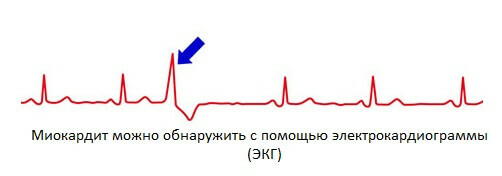
- ECG (electrocardiogram) - reveals tachycardia.
- Echocardiography (Ultrasound of the heart) - allows you to detect myocardial pathology.
- Chest X-ray.
- Bicycle ergometry is the study of ischemia.
Heart problems are treated using various techniques, including antiarrhythmic therapy (accompanied by medication) and electrophysiological (pacing and defibrillation).
If there are too many heartbeats, then the work of the heart is impaired. This can lead to heart failure.
Diagnostics should be carried out by a doctor, after studying the cardiogram, he will prescribe drugs for tachycardia. The patient can control his health condition himself, taking the indicated antiarrhythmic drugs for tachycardia and heart palpitations.
There are several types of drugs used to change your heart rate. The most popular and commonly prescribed are beta blockers.
Beta blockers slow the heart rate, lower high blood pressure, and shorten the duration of action of epinephrine and norepinephrine on the heart. Also, beta blockers help to cope with migraines, anxiety attacks.
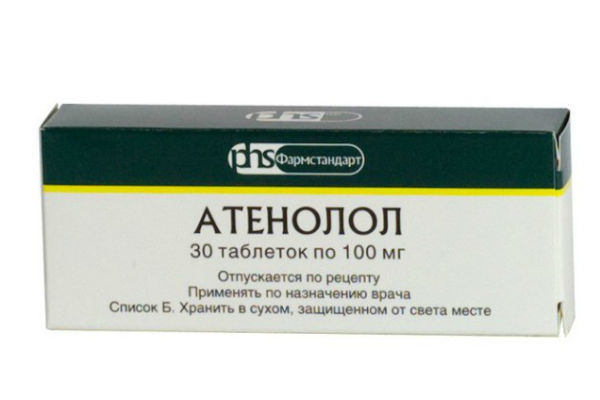
Some beta blockers have medical names: Acebutalol, Atenolol, Carvedilol, Celiprolol, Metoprolol, Nadolol, Nebivolol, Oxprenolol, Bisoprolol, Pindolol, Propranolol and some others.
Calcium channel blockers - this type of blocker also lowers the heart rate, has a vasoconstrictor effect and affects smooth muscles.
Calcium channel blockers remove arrhythmias, have a sedative, antiarrhythmic and the following effects:
- Antiischemic - limiting the flow of calcium into the heart, the blocker normalizes the mechanical work of the heart, reduces oxygen consumption by the myocardium.
- Hypotensive - expressed by a decrease in the level of blood pressure.
- Cardioprotective - reducing the load on the walls of the myocardium and restoring its diastolic function.
- Nephroprotective - improves blood circulation in the renal vessels, increases the rate of filtration.
- Antiplatelet agent - a decrease in platelet aggregation is caused by a violation of the synthesis of proaggregant components.
The most effective calcium blockers are verapamil hydrochloride and diltiazem hydrochloride. Show one of two drugs.
Also, for the treatment of heart failure, the doctor may prescribe Digoxin (a glycoside from the natural medicinal plant digitalis) - it reduces the frequency of transmission of electrical impulses. Potassium and sodium drugs are taken for tachycardia for at least a month, the correct treatment regimen and the correct dosage will help to completely get rid of tachycardia.
Medicines for tachycardia: a list of essential medicines
 Medicines for tachycardia are prescribed for violation of the heart rhythm caused by the chaotic work of the heart. To calm and normalize the ventricular and atrial rhythm, sodium channel blockers are used. These include: Disopyramide, Mexiletine, Quinidine, Procainamide, Propafenone and Flecainide. The active ingredients of these drugs are aimed at normalizing electrical activity in the muscles of the heart and heart rate.
Potassium channel blockers, regulate heart palpitations and blood pressure. List of potassium blockers: Amiodarone, Dronedarone, Sotalol Sandoz.
At the same time, Dronedarone (trade name Multac) is prescribed to patients with repeated symptoms of arrhythmia and tachycardia attacks; it cannot be used for treatment for the first time. And Sotalol Sandoz, being at the same time a beta-blocker, is effective for the prevention of disease.
Particular attention should be paid to the blood thinning medicine for tachycardia, which the cardiologist prescribes to avoid the formation of blood clots. These drugs are antiplatelet agents and anticoagulants. The appointment of such funds by a medical professional indicates that it is necessary to avoid in every possible way various injuries, surgical intervention and visits to the dentist associated with the formation of wounds.
Medicines for tachycardia purposefully affect the work of platelets in the blood. These are the types of cells that promote blood clotting by sticking together and creating a blood clot.
Antiplatelet synthetic agents:
- Clopidogrel (Plavix).
- Prasugrel.
- Tirofiban (Aggrastat).
- Dipyridamoli.
Anticoagulants work by increasing the time required for blood to clot. When a medical worker prescribes these pharmacological agents, it will be necessary to pass an analysis to determine the time interval for blood coagulation more than once. It is important to do this in order to be sure of the benefits of the drug.
Anticoagulant drugs:
- Warfarin.
- Marcumar;
- Dabigatran (Pradaxa).
- Rivaroxabanum (Xalerto).
They come in tablet form or injectable form. The second is intended to increase the dose of the drug, they are carried out only on an outpatient basis, but there are exceptions for a short course.
Anticoagulants injections:
- Enoxaparin (Clexane).
- Dalteparin sodium.
- Arixtra.
Drugs for cardiac tachycardia: the differences between drugs for low, high and normal pressure
Drugs for cardiac tachycardia and high blood pressure are prescribed individually by the attending physician. An increase in the rate of cardiac work in hypertension is rare.
With a joint increase in pressure in the arteries and an increase in cardiac activity, a stressful situation is created and there is a release of catecholamines, which contribute to the formation of high rates in the vessels and pulse.
What to drink with tachycardia in such a situation:
- Enap is prescribed for hypertension. It has a beneficial effect on cardiac activity and normalization of blood pressure.
- Diroton, expands the walls of blood vessels, lowers the digital data on the tonometer.
- Corinfar, Veropomil, Normodepine - these drugs are also used by specialists as medicines and have similar properties previously voiced.
You need to know that you cannot take drugs for high blood pressure with tachycardia, this contributes to the appearance of a depressive state, benign formations and a decrease in vitality.
An increase in heart rate and a decrease in blood pressure, usually occurs in pregnant women. It is also possible with: bleeding, vascular dystonia, loss of fluid by the body, heart and thyroid diseases.
In such a situation, drugs are prescribed for cardiac tachycardia, which have a long-term effect:
- Valocordin normalizes nervous activity and contraction of muscle spasms.
- Mezapam, relieves various types of excitability, in particular from the nervous system.
- Phenazepam, Grandaxin, valerian tincture are also popular in this area and have similar properties.
Tachycardia and normal pressure - this is possible with physiological or pathological tachycardia. With the second degree of the disease, a specialist consultation is necessary.
Medicines with a cumulative effect used for these diseases are:
- Finoptin.
- Raunatin.
- Amiodarone.
Performing regular exercises, a set of exercises with low physical activity, limiting stress, regulating sleep - reduces the occurrence of tachycardia.
Drawing a conclusion, we can say that in modern medicine a large number of medicines for cardiac diseases are used. But each drug is prescribed individually, and not every "heart pill" can help with tachycardia.
Therefore, after carefully studying all the analyzes, possible side effects, previously taken medications and much more, the final verdict is made. That is why you should not self-medicate, but rather turn to an experienced specialist.
Partial use of site materials (no more than 30% of the content of the article) is allowed only with a hyperlink on www.med88.ru, full use of the article (more than 30% of the article content) is possible only with written permission edition.