Heart disease: symptoms, how to recognize pathology at an early stage and treatment methods

Content:
- Symptoms
- Treatment
Heart disease is firmly in the leading position among the most common causes of disability, reduced life expectancy, and sometimes death at a relatively young age.
And if earlier such pathologies were more characteristic of the elderly, now these diseases are increasingly affecting people around
Doctors are looking for ways of early diagnosis, drug treatment, developing methods for safe and minimally invasive operations, in other words, make every effort to correct statistics of deaths from cardiac pathology.
Early detection of the disease can significantly improve the prognosis and increase the effectiveness of drug treatment. It is clear that the main role is played by a timely visit to a doctor.
The appearance of the following clinical symptoms is the reason for a mandatory consultation with a cardiologist:
- Dyspnea, in the overwhelming majority of cases, this is a sign of any heart disease, regardless of its cause, in the initial stages pathology, it occurs only against the background of gymnastics or under stress, after a long stay in a hot and stuffy the room.
- General weakness and fatigue, such clinical manifestations are associated with disorders of peripheral blood flow and hemodynamics in the vessels of the brain.
- Pain on the left behind the breastbone, they can be of varying intensity, from dull, arising from emotional experiences, physical exertion to acute, pressing, like angina pectoris. Sometimes the pain impulse is given to the left arm, scapula, epigastric region.
- Headaches and dizziness can be triggered by fluctuations in blood pressure, the exact cause of this condition is able to identify the doctor, since hypertension can be the result not only of heart disease, but also kidney pathology. Hypotension is often associated with bradycardia.
- Feeling of palpitations, throbbing in the ears. Similar signs are specific for cardiac arrhythmias, especially tachycardia and extrasystoles.
- Blood pressure fluctuations. Hypertensive symptoms or, conversely, manifestations of hypotension, a person can feel himself (for example, flashing "flies" in front of the eyes, nausea or vomiting) or register pressure readings using tonometer.
Certain pathologies cause stagnation in the small circle of blood circulation passing through the lungs, and large, it is also called systemic. Such phenomena are usually accompanied by a dry cough, aggravated in the supine position, sometimes with blood in the sputum, edema. However, these symptoms also require differential diagnosis.
Sometimes the life of a person with heart disease can be saved by early recognition of an attack. It rarely starts from scratch. Usually it is preceded by a certain load, both physical and emotional, overwork, prolonged stay in a stuffy room or in the sun.
The first symptom is a feeling of heaviness behind the breastbone, some people describe it with the words "like a stone crushed." Then the pain begins to grow, becomes stabbing, there is a feeling of lack of air, the person is seized by a panic fear of death. Discomfort does not go away after taking a nitroglycerin tablet or other drugs from the nitrate group.
Usually, the development of heart disease occurs under the influence of several factors at once. So, the most common causes of this kind of pathology are:
- congenital disorders of the structure of the heart and blood vessels;
- systemic connective tissue diseases (rheumatic fever, autoimmune lesions);
- a variety of chronic infections, especially those occurring against a background of weakened immunity, the ingress of bacteria into the myocardial tissue with common tonsillitis can cause microbial damage to the muscular membranes of the heart, especially streptococcus and staphylococcus;
- dietary habits, in other words, excessive consumption of fatty, fried, salty foods contribute to the development of atherosclerosis;
- endocrine regulation disorders;
- overweight;
- lack of physical activity, according to experts in cardiology, daily performance of even the most a simple set of exercises and long walks in the fresh air is an excellent prevention of diseases hearts;
- chronic overwork, disturbances in sleep and wakefulness, frequent stress;
- anemia, disorders of the hematopoietic system;
- primary and secondary tumors;
- complications after trauma, surgical or invasive diagnostic procedures;
- hereditary predisposition is not a direct cause of heart disease, but it is a serious aggravating factor.
 Depending on the etiological factor, the main groups of lesions of the cardiovascular system can be distinguished. One of the most common are pathologies that develop against the background of atherosclerosis.
The combination of an improper diet and lipid metabolism disorders leads to the formation of so-called sclerotic plaques on the inner surface of the vascular wall. Their main components are cholesterol and other low density lipoproteins, proteins.
It is clear that the narrowing of the inner diameter of the vessel cannot but affect the level of hemodynamics. When the coronary vessels directly feeding the heart are affected, myocardial hypoxia develops. It is this condition that becomes the cause of a very common coronary artery disease.
Fragments are often torn from the plaques, which can block the coronary vessel, as a result of acute oxygen starvation and cell necrosis, myocardial infarction develops.
Often there are functional heart diseases caused directly by violations of the organ. This group includes various arrhythmias and heart failure. But the long course of these pathologies also leads to systemic disorders. People with a similar diagnosis are not only not taken into the army, their physical activity is sometimes limited only to specially selected exercise therapy.
Heart diseases
- Endocarditis
- Cardiac asthma
- Cardiopathy
- Mitral valve prolapse
Rheumatic heart disease is a consequence of connective tissue diseases. These are rheumatism, rheumatoid arthritis, systemic lupus erythematosus and some others. In such cases, myocardial inflammation is secondary and usually affects all its layers.
The disease is difficult, with a high fever, severe shortness of breath and pain in the chest. The prognosis is poor, since the valves are often affected, and heart failure develops rapidly.
Congenital heart defects are the result of abnormalities in the intrauterine formation of the fetus. Some structural disorders are incompatible with life and lead to the death of the child immediately after birth.
They are usually diagnosed in the first trimester of pregnancy and are indications for termination. But thanks to the latest advances in surgery, many congenital heart diseases are corrected with surgery in infancy, and later therapy with Alprostadil.

Syphilitic damage to the cardiovascular system is currently extremely rare, since how there are effective antibiotics that can destroy the causative agent of the disease even at the initial stage.
Therefore, the development of syphilis of internal organs is noted in a socially disadvantaged stratum of the population. Symptoms of the pathology are similar to rheumatic lesions, but the inflammatory process progresses very quickly.
Currently, the diagnosis of heart disease is not difficult. The most common and accessible is a conventional electrocardiogram, although its combination with an ultrasound examination is more informative. This method is called echocardiography. The state of the vessels can be assessed using an endovascular examination technique using various catheters, and sometimes contrast agents.
Heart disease: symptoms, description of the main pathologies, drug treatment
 We list the main heart diseases, the symptoms of which are equally pronounced in both men and women:
- Coronary heart disease or ischemic heart disease. The same pathology includes manifestations of angina pectoris (popularly this syndrome is also called angina pectoris) and myocardial infarction.
- Inflammatory heart disease, namely rheumatic carditis, infectious endocarditis, myocarditis and pericarditis.
- Diverse cardiopathy. Sometimes their etiology is unknown, but most are associated with rheumatoid arthritis, sarcoidosis, amyloidosis, systemic lupus erythematosus, thyroid disease.
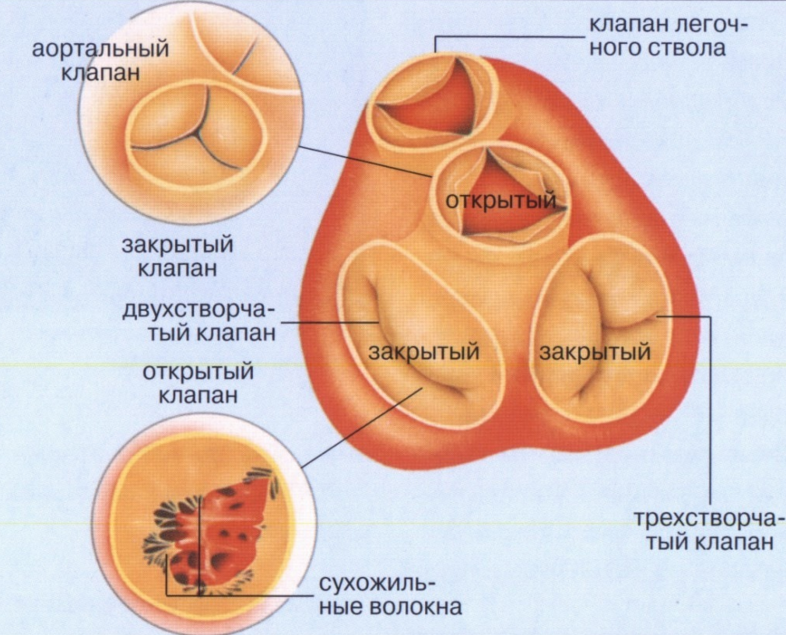
- Congenital and acquired heart defects. These are stenosis and insufficiency of the mitral, aortic and transcupid valves, defects of the septa between the atria and ventricles, the Fallot triad and others.
- Violations of the rhythm and conduction of the heart.
- Heart failure.
- Pulmonary heart, the symptoms of this disease are associated with changes in hemodynamics in the pulmonary circulation.
- Athletic heart. A similar condition is considered in textbooks on cardiology in the section of pathological lesions, however, according to specialists, is a variant of the norm, since in this way the human body adapts to intense physical loads.
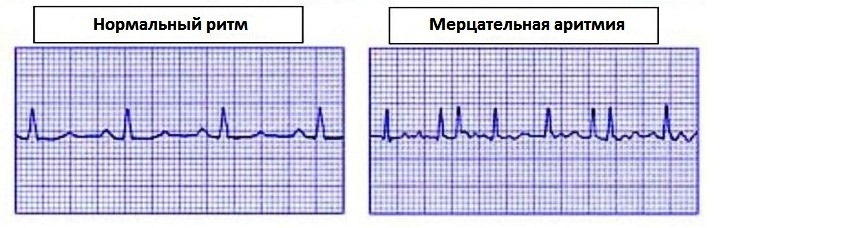
Changes in the rhythm of contractions are among the most common heart diseases; every person has experienced symptoms of such disorders at least once in their life. It is clear that if such a malfunction in the myocardium is of a short-term nature, drug correction is not required.
However, persistent changes in rhythm lead to impaired blood flow and rapid "wear" of the muscle tissue of the heart. Indications for the use of antiarrhythmic drugs are:
- severe hemodynamic disturbances, which affect the work of internal organs;
- poor tolerance of arrhythmia by the patient;
- the risk of further progression of the disease;
- severe violations of the coronary circulation;
- recently suffered a heart attack or surgery;
- even a single occurrence of symptoms such as fainting, dizziness, severe shortness of breath, and even more choking.
It is important
The decision to prescribe medications to correct the heart rhythm must be made by a doctor.
All currently existing means for the relief of such a disease can be divided into several groups:
-
Membrane stabilizing drugs (some doctors call them sodium channel blockers). Prescribed to patients without pronounced changes in the structure of the myocardium, in the presence of concomitant ischemic heart disease or cardiomyopathies, these drugs will not have the desired effect. Apply Diphenin (100 mg three times a day), Etacizin (50 mg 2 times a day), Ritmonorm (the daily dosage is
450-900 mg, it is divided into three steps). - Β-receptor blockers indicated for sinus tachycardia, extrasystoles, atrial fibrillation. Most often, Obsidan is prescribed (from 60 to 120 mg in three divided doses), Metoprolol retard (50 mg once a day), Atenolol (from 50 to 150 mg per day).
- Potassium channel blockers. In addition to extrasystole and atrial fibrillation, drugs in this group are prescribed to patients with supraventricular and ventricular tachycardia. Medicines are used strictly according to the doctor's prescription and under the control of the performance indicators of the cardiovascular system. Shown are Cordaron (600 to 800 mg per day), Sotagexal (80 to 240 mg per day).
-
Calcium channel blockers normalize the work of the myocardium in atrial fibrillation and supraventricular tachycardia. They use Cardil (the maximum daily dose is 240 mg), Isoptin (usually enough
240-360 mg in a day).
 Heart failure is a condition in which contractions of the myocardium cannot provide normal blood flow to all tissues of the body. Usually, a similar disease develops as a consequence of ischemic heart disease and myocardial infarction.
When prescribing treatment, the severity of the symptoms of this heart disease is taken into account. So, the first functional class of insufficiency is well tolerated, clinical manifestations do not occur even with physical exertion.
It is clear that in such a situation, regular examinations and lifestyle adjustments are recommended. In other cases, drug therapy is required. Its main goals are:
- elimination of the reasons contributing to the worsening of the symptoms of this heart disease (usually this is the correction of ischemia and arrhythmias);
- prevention of stagnation in the small and large circle of blood circulation;
- improving contractility and reducing the load on the heart muscle.
The first-line drugs for treating heart failure are angiotensin-converting enzyme (ACE) inhibitors. They are prescribed to almost all patients, since these drugs are effective even in the initial stages of the disease.
The use of these medications begins with a minimum dose, which is increased to a therapeutic dose for
It is important
The exact dosage of ACE inhibitors is selected individually, taking into account the characteristics of the patient's condition.
Additionally, diuretics (diuretics) are used. They help to stabilize blood pressure and remove excess fluid from the body. For small edema, Hypothiazide is prescribed (according to
Cardiac glycosides (Digoxin) have recently been used infrequently for the treatment of heart failure, which is associated with a high risk of complications. However, according to indications, it is possible to take the drug in a dosage not exceeding 0.25 mg per day. If necessary, β-blockers and calcium channel blockers are administered as a therapy regimen.
The treatment of inflammatory lesions of the heart muscle, myocardium (myocarditis, pericarditis and endocarditis) is different. When symptoms of these heart diseases appear, antimicrobial therapy comes to the fore. Given the severity of the lesion and the possible unfavorable prognosis, antibiotics are administered only intravenously, taking into account the probable causative agent of the inflammatory process.
Usually appoint:
- Ceftriaxone 2 g per day;
- Vancomycin 1 g twice a day;
- Gentamicin at a dosage of 3 mg / kg;
- Levofloxacin 0.5 g per day;
- Ampicillin 2 g 6 times a day.
Combinations of antibiotics are often used, for example, Ampicillin + Gentamicin. Long-term treatment (up to 8 weeks) is carried out only in a hospital setting. With a pronounced autoimmune nature of the disease, additional glucocorticoid therapy is required. Apply Prednisolone at 0.5 mg / kg per month in the form of tablets or 5 injections every other day in an amount
At risk of thrombosis, antiplatelet agents are indicated.. In some cases, plasmapheresis is required. With pericarditis, these treatments usually do not work. Therefore, in most cases, surgical intervention is recommended.
Coronary artery disease develops when the oxygen supply in the blood does not fully meet the needs of the myocardium. Cardiologists attach particular importance to the treatment of ischemic heart disease, since more than half of all deaths from symptoms of heart disease occur precisely in this pathology. One of the most common forms of ischemic heart disease is angina pectoris.
Usually, such a condition can be triggered by overeating, playing sports, stressful situations, and more. There is severe pain, its main focus is located behind the sternum in the region of the heart, but pain impulses spread to the left arm, shoulder, lower jaw, epigastrium, neck. Usually, acute symptoms of coronary heart disease go away at rest.
Drug therapy for ischemic heart disease and angina pectoris has the following goals:
- decrease in myocardial oxygen demand;
- improved blood flow in the coronary arteries;
- improving the rheological properties of blood, preventing thrombus formation;
- elimination of the causes provoking the progression of IHD (correction of lipid metabolism, the fight against diabetes mellitus, etc.).
 One of the main groups of drugs for treating the symptoms of this heart disease is nitrates. But in their use, special care is required, since with constant use in the form of injections, tablets or patches through
Therefore, intermittent administration of the drug is optimal, when at least
Usually doctors prescribe Nitroglycerine in capsules of 0.5 mg, it is also available in a spray. Its effect occurs quickly, after about 30 minutes, but only lasts
Medicines with cardioprotective effects are also used. Their effect is based on the improvement of metabolic processes in myocardial cells. Usually, Preductal is prescribed 60 mg three times a day.
Long-term use of the drug reduces the frequency of angina attacks and minimizes the use of nitrates. Also, in CHD, calcium channel blockers, ACE inhibitors and β-receptor antagonists, which were mentioned above, are widely used.
The main cause of coronary artery disease symptoms is atherosclerosis. Therefore, successful therapy of pathology is impossible without correction of lipid metabolism. Currently, statins are usually prescribed for this purpose.
They reduce the total concentration of cholesterol in the blood, without affecting its participation in the synthesis of sex and steroid hormones, improve the rheological properties of blood. Prescribe Liprimar, Lipostat, Krestor for a long time (at least for
Diseases of the heart and blood vessels: surgical methods of treatment, means of alternative therapy, methods of prevention
Currently, not all diseases of the heart and blood vessels are amenable to drug treatment. Sometimes the course of pathology can only be stopped by surgery.
The main methods of surgical therapy are:
- Angioplasty. This procedure is performed to restore the lumen of the coronary vessels. The manipulation does not require open access, the catheter is inserted through the femoral artery.
- Bypass surgery. Roughly speaking, this is the isolation of the affected area of the vessel and the creation of a kind of bypass path for blood flow. Such an operation does not completely eliminate the attacks of angina pectoris, however, it significantly improves the prognosis of the course of ischemic heart disease.
- Radiofrequency ablation, used for various arrhythmias to eliminate the pathological focus in the cardiac conduction system.
- Implantation of pacemakers, this technique is one of the most common way to normalize the rhythm of myocardial contractions.
- Installation of artificial heart valves or their reconstruction.

The latter type of surgery is often used for congenital heart and vascular diseases, which significantly reduced infant mortality from such intrauterine developmental disorders. These include atrial and interventricular septal defect (occurs most often), Fallot's tetrad, which covers not only the interventricular septum, but also the right ventricle, the aorta.
Less commonly diagnosed patent ductus arteriosus, atrioventricular septal defect, coarctation (narrowing) of the aorta, transposition of the main arteries. Similar pathologies of the cardiovascular system were described in detail in the cardiologist N.A. Belokon.
For the treatment of diseases of the heart and blood vessels, it is recommended to take tincture of hawthorn, motherwort, valerian. Some healers also advise drinking a tincture of nettle leaves with vodka.
You can reduce the number of angina attacks with a decoction of a mixture of adonis herb, lavender flowers and rosemary leaves (take in equal amounts). To cleanse blood vessels from cholesterol deposits, an infusion of garlic with vodka is recommended.
The first means for the prevention of diseases of the heart and blood vessels is physical activity. On a day, a healthy person is recommended to go through at least
An obligatory part of the diet should be seasonal vegetables, fruits (they can be replaced with dried fruits in the cold season), vegetable oils, nuts. Diseases of the heart and blood vessels require giving up alcohol, caffeinated drinks, fatty foods, and smoking. Also, if possible, you should limit the impact of stressful situations or change your attitude towards them.
Partial use of site materials (no more than 30% of the content of the article) is allowed only with a hyperlink on www.med88.ru, full use of the article (more than 30% of the article content) is possible only with written permission edition.