Allergy to the sun: symptoms, photo treatment in adults, children
In the summer, not everyone can sunbathe on the seashore or at the dacha, since there are people who our bright star will cause one harm, even in a short time. Photodermatitis, such an allergic reaction occurs in people with fair skin, the so-called first phototype. With the Celtic type, as it is also called, a person will burn, but will not get a tan, due to the lack of melanin pigment, which protects cells from UV (ultraviolet radiation).
According to studies, about 20% of the world's population is affected by this disease.
Content
- Root Causes of Sun Allergy
- The main signs of photodermatitis (photo)
- Solar allergy diagnostics
- How to get rid of sun allergies
- How to deal with the disease yourself at home
- Preventive methods to prevent photodermatitis
- Medical prevention of sun allergy
- Related Videos
Root Causes of Sun Allergy
In the human body, photosensitizers are present - molecules that can enhance the effect of sunlight and transfer energy to other particles.
These substances are found in various medicines, hygiene and cosmetic products that a person uses every day.
The use of these products, combined with intense exposure to sunlight, can lead to toxic reactions.
Photodermatitis can be caused by both external (exogenous) and internal (endogenous) causes. The reasons causing phototoxic reactions in the first type of disease:
- the use of skin care cosmetics based on photosensitizing substances. It is they who, in a hot period, in combination with aggressive exposure to the sun, are capable of causing an allergic reaction;
- recent body decoration in the form of a tattoo and deep peeling make the skin very susceptible to sunlight;
- taking medications and contraceptives containing substances that enhance the effect of ultraviolet radiation (amiodarone, biseptol, aspirin, ibuprofen, diclofenac and others).
Such internal factors provoke photodermatitis:
- insufficient intake of vitamins (hypovitaminosis, Pellagra);
- violation of pigment metabolism (porphyria, Gunther's disease);
- hypersensitivity to UV rays (erythroderma, pigmented xeroderma);
- various pathologies liver and kidneys;
- a general decrease in the body's immunity.
The main signs of photodermatitis (photo)
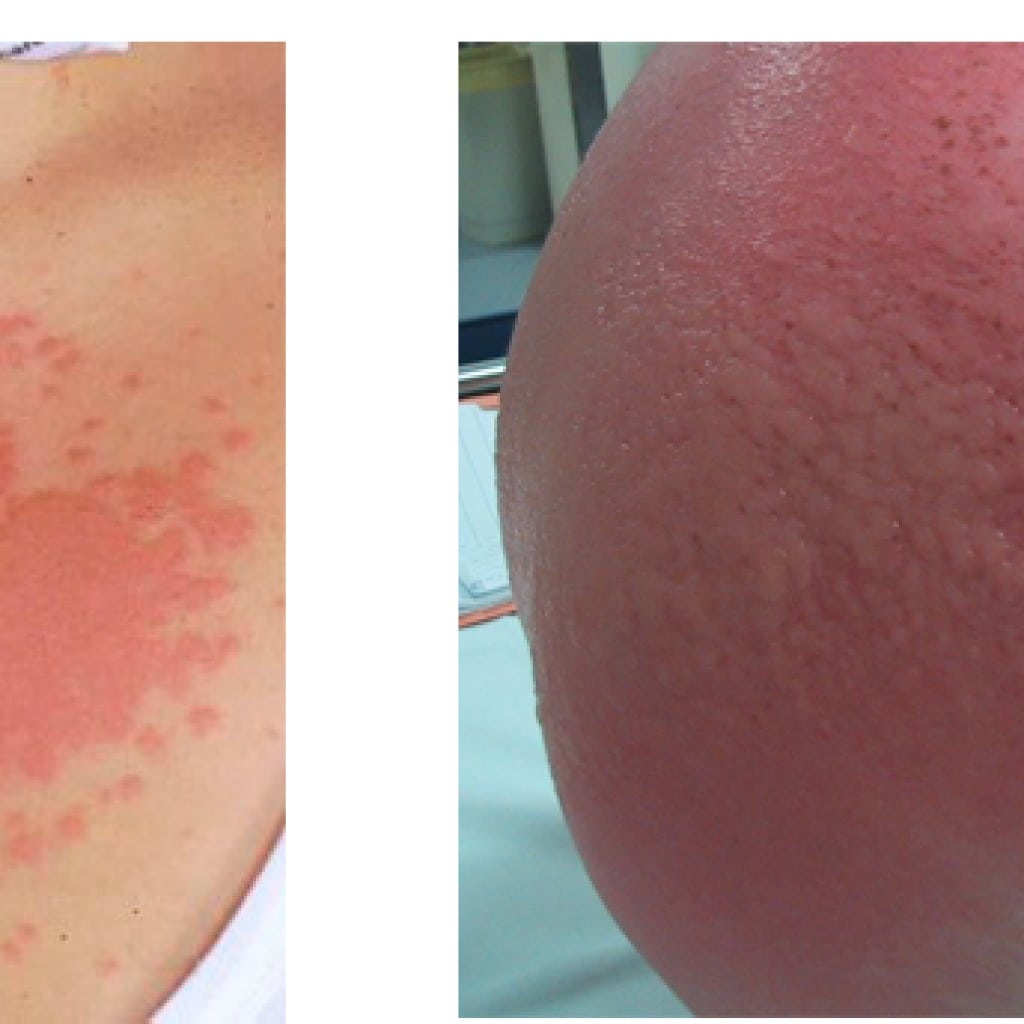
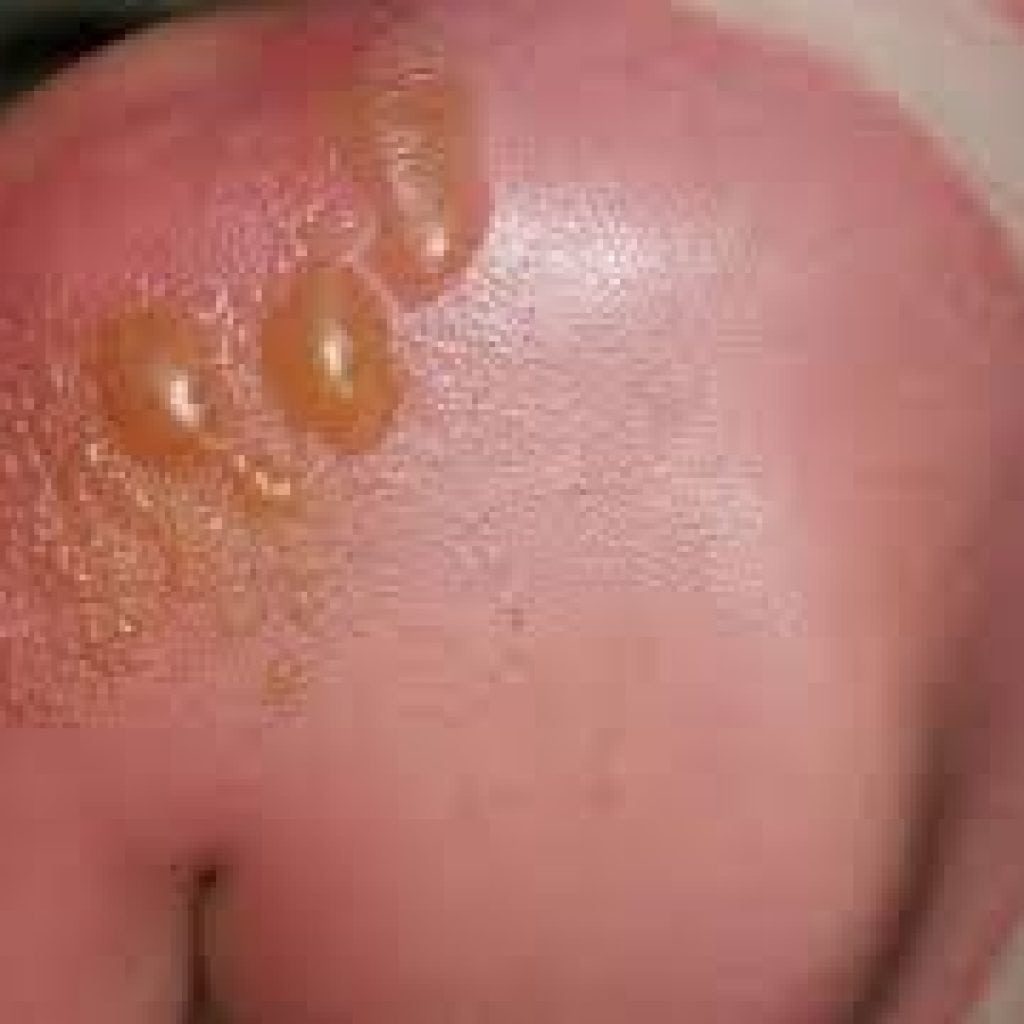
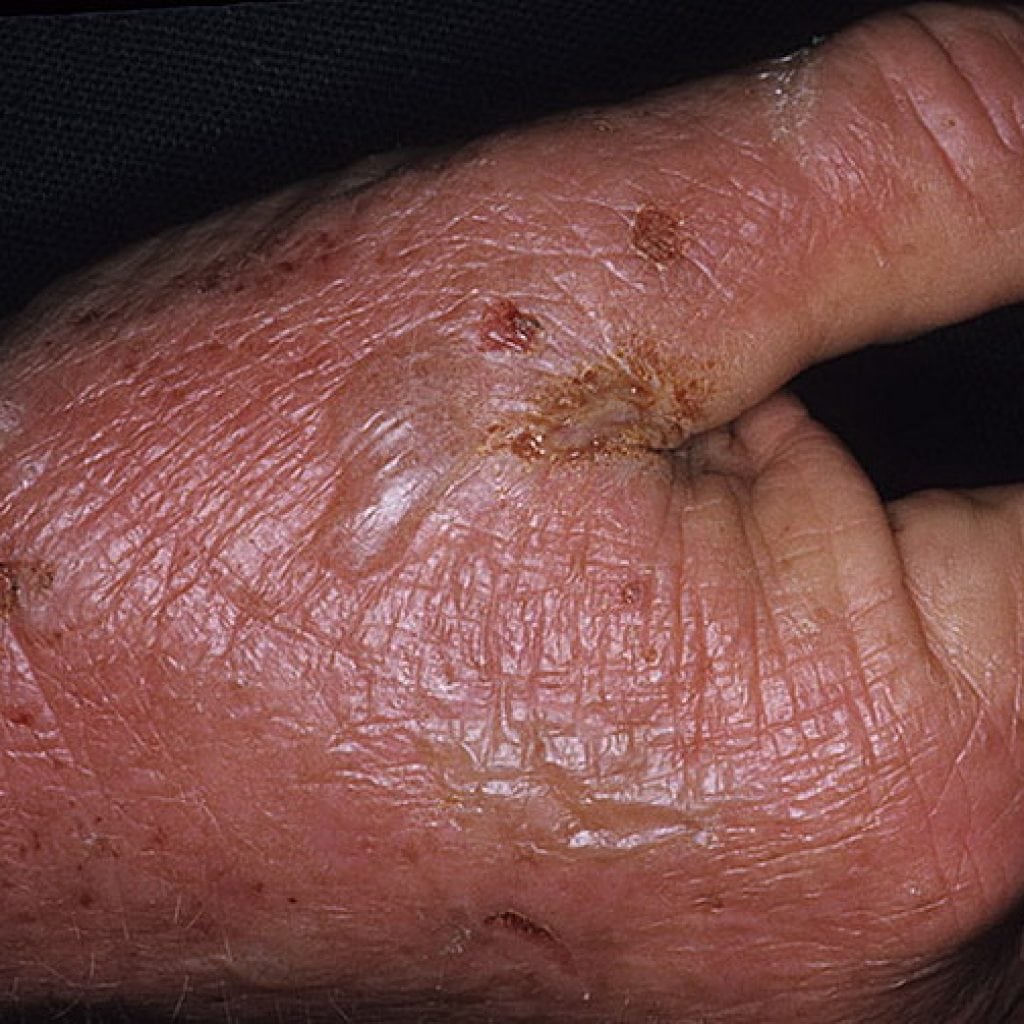
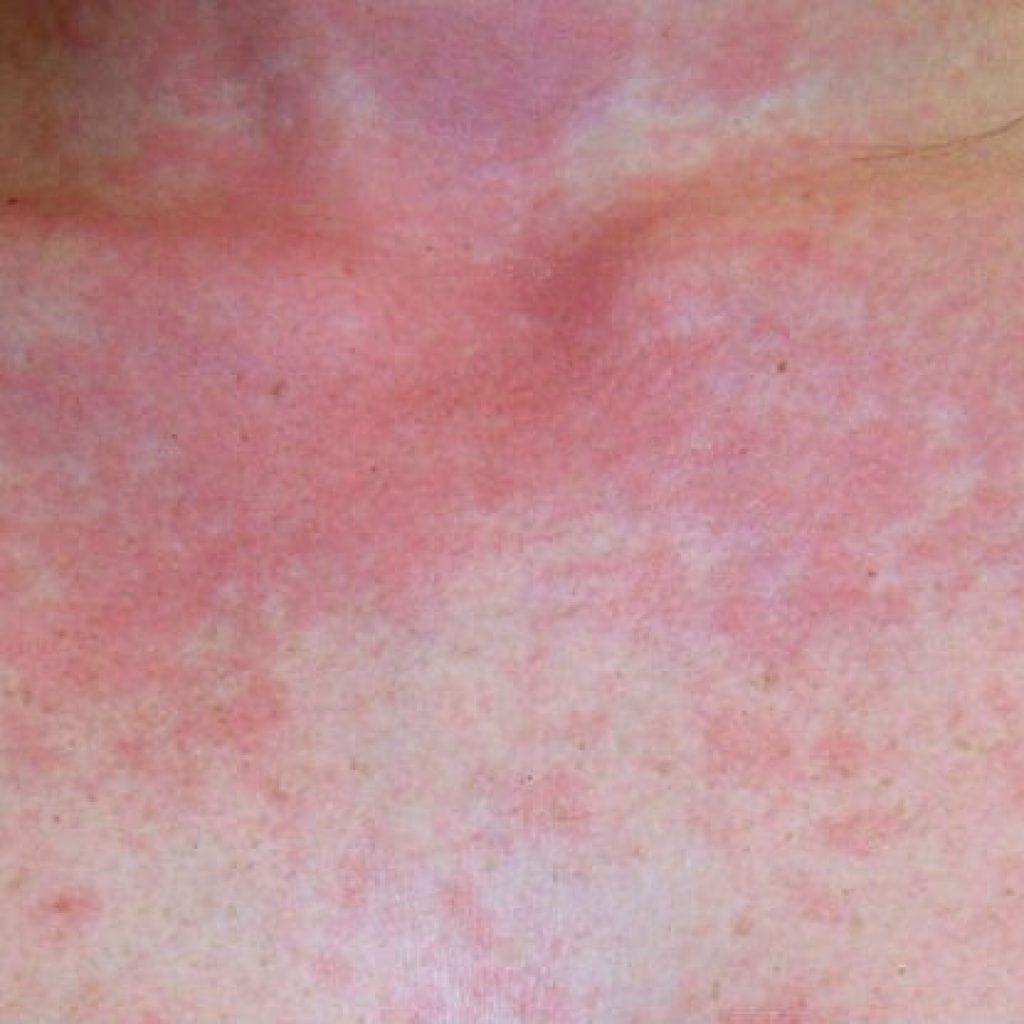
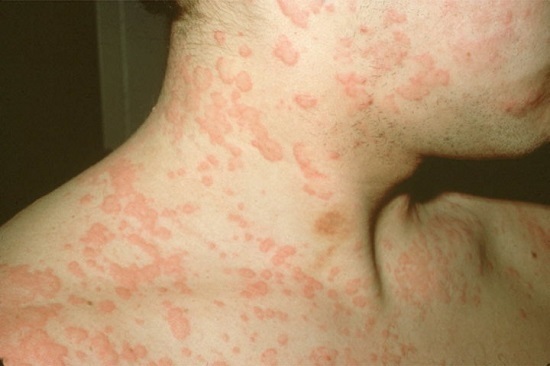
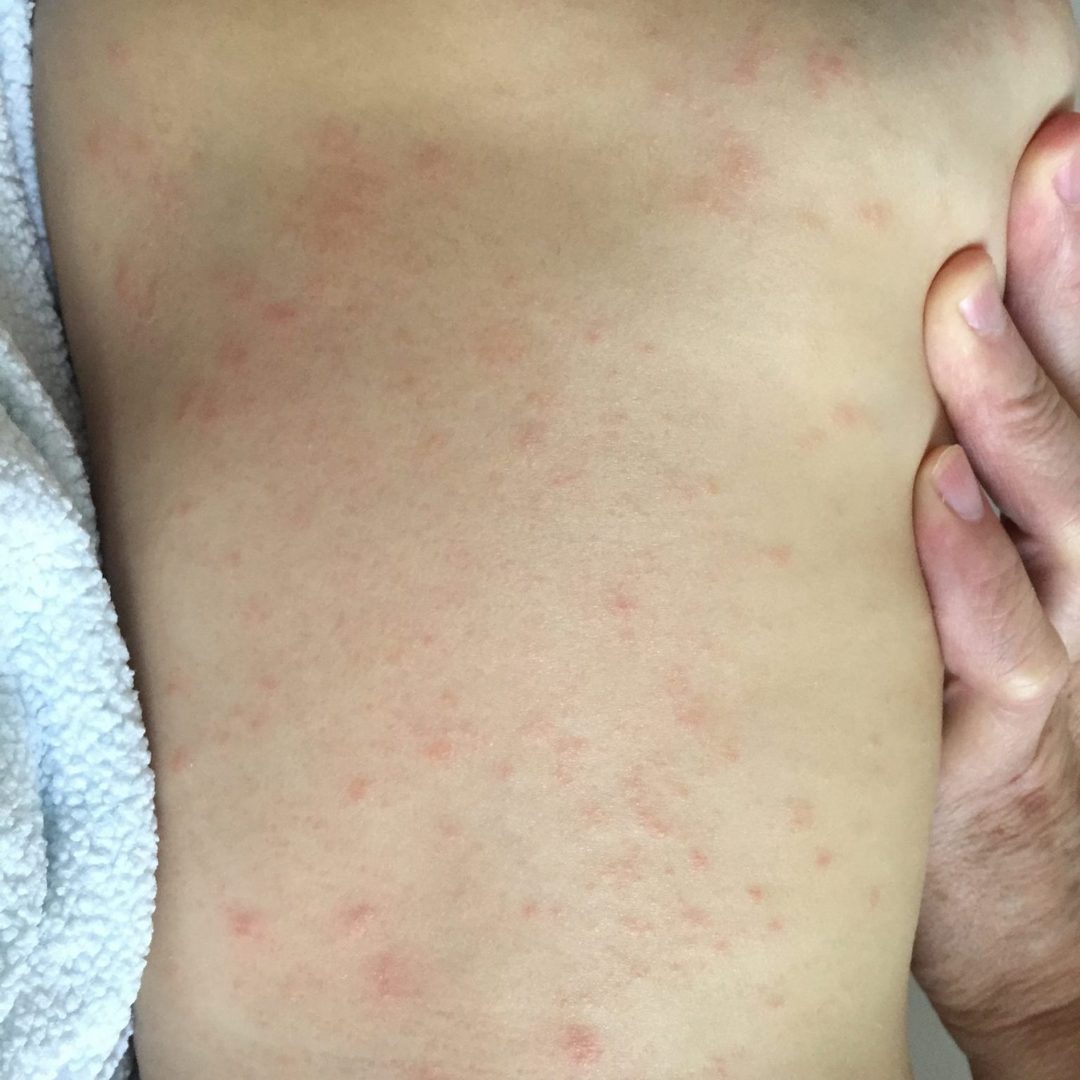
Signs of allergy will manifest themselves, both immediately after appearing in a place not protected from the sun, and after a while (2 - 3 days). The reaction to the sun is manifested by local symptoms:
- the formation of small blisters of papules, which merge with each other and form large lesions of the skin (see. photo above);
- itching, rash, pain and swelling;
- the skin turns red in the lesions that have been exposed to the sun;
- pigmentation of the skin.
Common signs of photodermatitis include:
- increased body temperature;
- dizzy and a headache;
- as a result of a drop in blood pressure, loss of consciousness is possible;
- nausea and weakness occur.
Read also:Allergy in the eyes
Solar allergy diagnostics
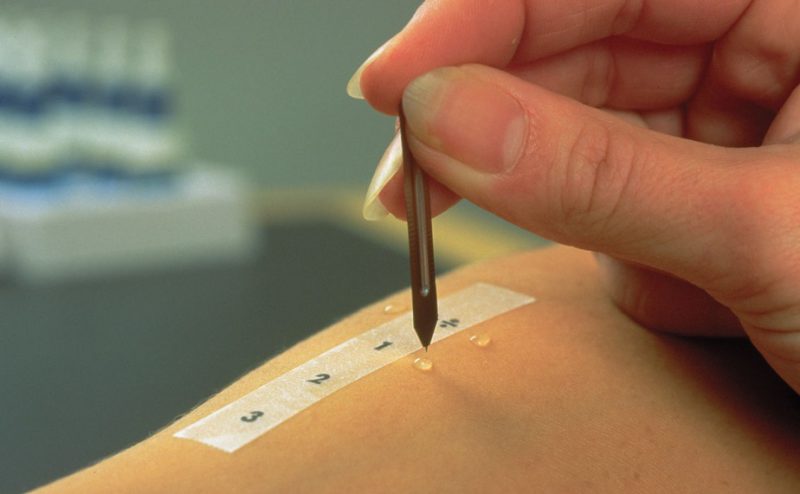
You do not need to be treated yourself, at the first symptoms of malaise, make an appointment with a doctor - a narrow specialist. The dermatologist will establish the basis for the occurrence of photodermatitis with the help of allergological tests and prescribe how to treat allergies from the sun.
At the doctor's appointment, there will be the following treatment protocol:
- the dermatologist will interview the patient. Questions will concern the first signs of allergy, symptoms of the disease. The doctor will ask about the patient's childhood illnesses, hereditary family pathologies and harmful factors in the workplace;
- examining the patient, the dermatologist will pay attention and palpate (palpates) the skin for the breadth and depth of the lesions;
- depending on the nature of photodermatitis specialist will appoint allergy testsif you suspect an allergic form of the disease.
The study of the causes of the disease involves the delivery of a general, immunological and biochemical blood test, diagnosis of the kidneys, liver, gastrointestinal tract. An ultrasound examination of internal organs will also be prescribed.
How to get rid of sun allergies
Treatment for this type of skin disease involves:
- neutralization of local manifestations of photodermatitis;
- suppression allergic reactions with drugs.
The appearance on the skin of large foci of red, itchy spots, these symptoms are allergic to the sun. The affected areas of the skin are treated with external preparations (gels, creams, ointments, solutions), which have anti-inflammatory, antibacterial and regenerating properties.
These drugs are classified as hormonal and non-hormonal.
The first category includes:
- Advantan;
- Sinaflan;
- Lorinden;
- Hydrocortisone ointment;
- Locoid;
- Flucinar;
- Ftorocort.
Hormonal drugs are used for a certain period, and if you neglect the timing, then, despite their high efficiency, they can harm the body.
The second category includes the following medicines:
- Elidel;
- Kutiveit;
- Methyluracil ointment;
- Desitin;
- Panthenol;
- Fenistil gel;
- Radevit
In terms of effectiveness, non-hormonal drugs lose when photodermatitis treatment, but they are applied for longer periods.
Having established the reason for the unhealthy reaction to the sun, doctors - specialists can prescribe a course of treatment with antihistamines:
- Suprastin;
- Zodak;
- Tavegil;
- Claritin;
- Cetrin.
Comprehensive recovery of the patient includes taking funds to strengthen the immune system and eliminating vitamin deficiencies in the body:
- Prednisolone;
- Folic acid;
- Multi - tabs;
- Centrum;
- Vitasharm;
- Vitamin C;
- Tocopherol.
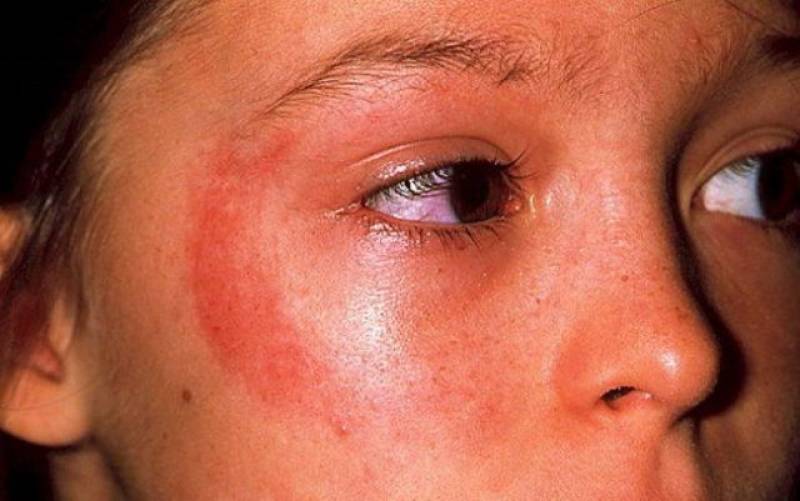
Very often, local signs of photodermatitis appear on the face (see. photo above). In these specific cases, it is necessary to be especially careful when treating with medications and to opt for creams. It is generally recommended to use Lokoid lipokrem, which contains glucocorticosteroids.
How to deal with the disease yourself at home

The use of the so-called "folk methods" should take place in conjunction with treatment by a specialist and certainly after consulting a doctor. As mentioned above, the cause of the manifestation of an allergic reaction is the use of certain medications, the use of funds with photosensitizing substances, hypovitaminosis and various pathologies of internal organs.
Read also:Dust allergy: symptoms, reasons, what to do, treatment, prevention
Traditional methods of treatment include such means and procedures as: ointments, decoctions, compresses, baths, oils, tinctures.
Ointments for photodermatitis relieve itching, have a soothing effect on the skin and heal the foci of local manifestations (burns).
St. John's wort ointment
Grind 45 g in a meat grinder or blender. (about three tablespoons with a pea) of fresh St. John's wort and mix, the substance from the plant, with one tablespoon of butter (15 grams). The cream must be applied twice during the day, in the morning when you go to bed and in the evening before going to bed.
Starch ointment
To a state of homogeneous porridge, mix: starch (rice), glycerin and milk - all the ingredients, one tablespoon. You need to use this remedy before going to bed.
Herbal collection of buckthorn and St. John's wort
Herbs such as buckthorn and St. John's wort can help relieve symptoms of allergic ailment from the sun. Ingredients of the tincture:
- a) Buckthorn bark - 75g (five tablespoons).
- b) St. John's wort - 75g (five tablespoons).
- c) Aspen buds - 30g (two tablespoons).
With boiling water (two glasses), in a ceramic or glass dish, pour the chopped and mixed ingredients and let them infuse for twenty minutes. In this case, the dishes must be wrapped in a towel. At the end of the time, the tincture is cooled and filtered. Reception, if allergic in children, take twice five milliliters, if allergic in adults - three times, during the daily intake.
Cabbage leaf compresses
A glass of boiling water and a few cabbage leaves are all you need to make a compress. The leaves of the plant are dipped in boiling water for a couple of seconds, so they soften. Chilled cabbage leaves are attached to the affected foci of the skin, then they are fixed with a bandage and left for half an hour. This treatment will help to quickly cool the skin, relieve swelling and unpleasant pain sensations.
String-based bath
To reduce itching in case of an allergic reaction, a sequential bath is used. To prepare it, you need to take a dry string (two tablespoons) and pour a glass of boiling water. Put the solution in a water bath and stand for a quarter of an hour, the main thing is to prevent boiling. Strain the solution and add to a bath of warm water. The procedure should be completed in about twenty minutes. The frequency of the procedure is daily for ten days with a break for several weeks.
Preventive methods to prevent photodermatitis
Compliance with a diet with limited intake of foods that are catalysts for allergic reactions. In the hot season, exclude such products:
- citrus;
- nuts of all kinds;
- fried, salty food;
- eggs;
- chocolate.
Read also:Eosinophilic esophagitis
The diet prescribed by a doctor-dietitian includes the use of foods based on herbs, dill and parsley, fresh cucumbers, vegetable soups, beef (not fried), boiled potatoes and porridge cooked on lean broth.
To combat immunodeficiency and the body's ability to resist disease, the diet should include: black currants, plums, cranberries, wheat germ, oatmeal so they contain a lot of antioxidants and B vitamins and E.
Medical prevention of sun allergy
The doctor will prescribe drugs, they must be used to prevent the body from photodermatitis. Most likely these will be drugs that normalize the work of internal organs, improve metabolism and promote healing of the patient's skin.
Being in the sun during the hot season
- In the sun on hot summer days, you should sunbathe in the morning until noon, and in the evening, with a time interval of a quarter of an hour. Most of the time during the day should be spent in the shade.
- Water droplets focus sunlight on the body, so you need to spend a short period of time in it. After going ashore, wipe the skin dry with a clean towel and protect in the shade.
- Drinking plenty of liquid compotes, green tea, still water also has a beneficial effect on the body in hot weather, but various sweet soda and alcohol put a person at risk.
Protective and nutritional products
In very hot weather, people with the first skin type (read above), women during pregnancy and preschool children, before leaving the house, apply a cream to protect against harmful effects. A product that protects you from the sun is applied half an hour before contact with the rays.
After a hot day, the skin needs to be moisturized and restored. Skin care products containing oils, plant extracts, vitamin E will help to make this procedure.
Photodermatitis is a disease that, in both adults and children, can be severe enough and cause dangerous complications. Immediately after the first symptoms, you need to see a doctor, and not self-medicate. Having discovered and eliminated the cause of such a negative reaction to the sun's rays, there is a high probability of defeating this ailment forever.