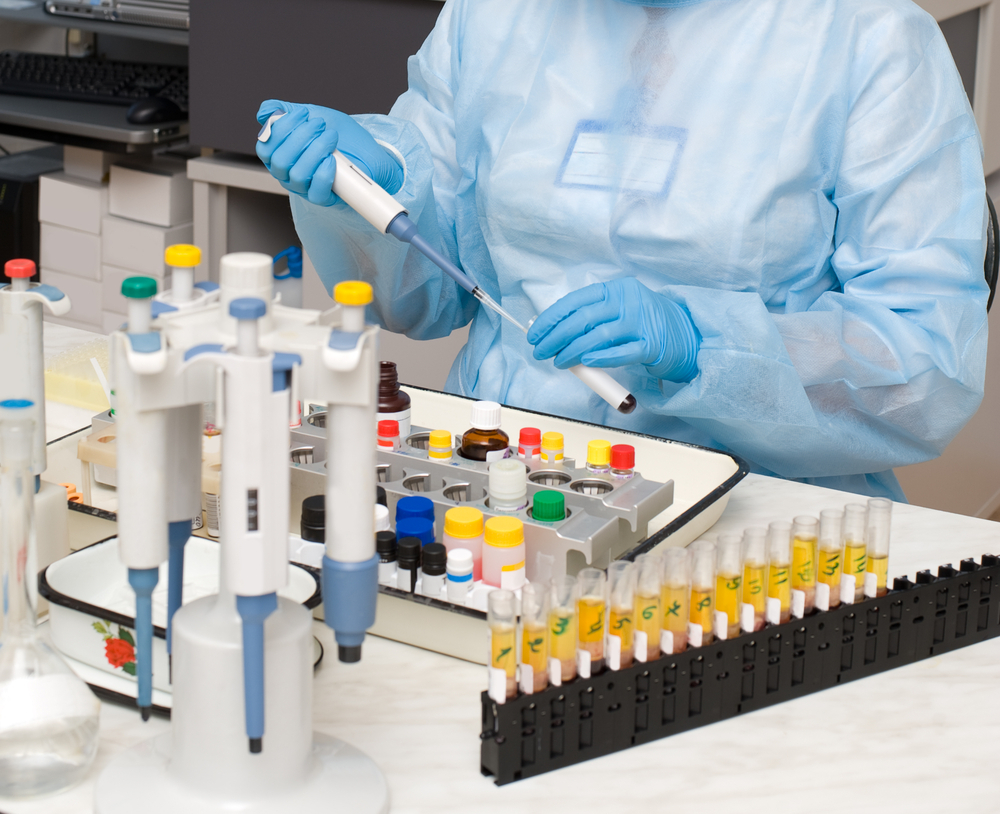
Feces for occult blood - what is it, conducting a study
Taking feces for analysis to detect the presence of occult blood is one of the modern diagnostic methods that allows you to timely identify a number of serious diseases of the gastrointestinal tract. Probably every adult knows that blood in feces is dangerous. And when bloody discharge is found in their own feces, many deliberately rush to go to the doctor. But the fact is that the stage when blood is clearly visible in the feces is by no means the first stage of the disease. And often, the success of treatment in detecting this kind of bleeding is not as unambiguous as if the blood had been detected earlier.
Many diseases of the digestive system, the entire complex digestive system, at the initial stage may not show any symptoms, and even more so - profuse internal bleeding. But microparticles of blood are already present in the body and are excreted from it along with feces. Only they are so small that it is impossible to make out them, even looking closely at their own excrement (which most people, for obvious reasons, usually do not do), is impossible. In this case, an analysis is carried out for the presence of occult blood.
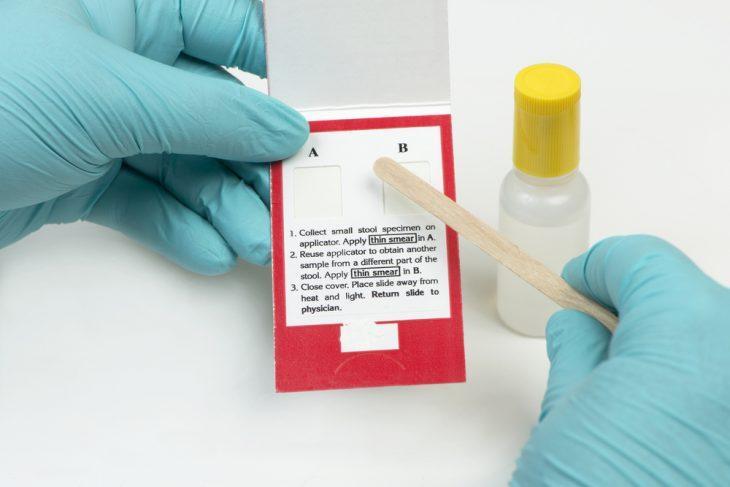
Fecal occult blood test
Today, this analysis is assigned to all patients who have reached the age of fifty, one-time, annually. Age groups under 50 take it according to indications.
Content
-
1 Why do I need a test to detect blood in the stool
- 1.1 Indications
- 1.2 How to improve research efficiency
- 1.3 Analysis sampling rules
-
2 Types of analysis for occult blood in feces
- 2.1 Specificity of preparation for guaiac dough
- 2.2 Specificity of preparation for the benzidine test
-
3 Decoding the results
- 3.1 Video - Analysis of feces for occult blood
Why do I need a test to detect blood in the stool
In what cases is this analysis assigned? For what reasons do doctors suddenly start looking for occult blood in the patient's feces? This is done when a number of diseases are suspected.
Fecal occult blood sampling is a common laboratory test, such as a complete blood count or urine test. With its help, it is possible to identify the implicit internal bleeding that is present:
- in any part of the intestine;
- in the stomach;
- in all organs of the digestive system, without exception.

Most often, blood in the feces appears with serious lesions of the stomach, intestines or duodenum, which leads to anemia and other dangerous consequences
Agree, "see" what is happening inside the digestive system, especially in the endless intestines, complete the length of which is about eight meters in an adult (five times his height), it is enough hard. Moreover, the structure of the intestines is intricate, and the arrangement is tortuous.

Human intestine
By the way. At the same time, the digestive and excretory tract is the most "risky" organ, containing a record the number of bacteria through which toxic and other waste products of the whole organism are excreted. Here, it is easiest to "hide" harmful microbes, tumors, ruptures and injuries.
Indications
Doctors prescribe a fecal occult blood test quite often. The indications for the analysis may be the following symptoms and patient complaints.
- Abdominal pain (localized in the abdomen) of unclear etiology.
- A feeling of nausea that lasts for a long time in the absence of diagnosed gastrointestinal diseases.

Constant feeling of nausea
- Recurrent vomiting.
- Persistent loose or liquefied stools.
- Lynch syndrome.

Lynch syndrome
- Diverticulitis
- Revealed helminthiasis.
- Crohn's disease.

Crohn's disease
- Weight loss for no apparent reason.
- Cirrhosis of the liver.
- Diagnosed pathologies of the gastrointestinal tract.
- Adenomatous polyposis.

Adenomatous polyposis
- Ulcerative lesions of the stomach.
- Ulcers in the intestines.
- Varicose veins in the esophagus.
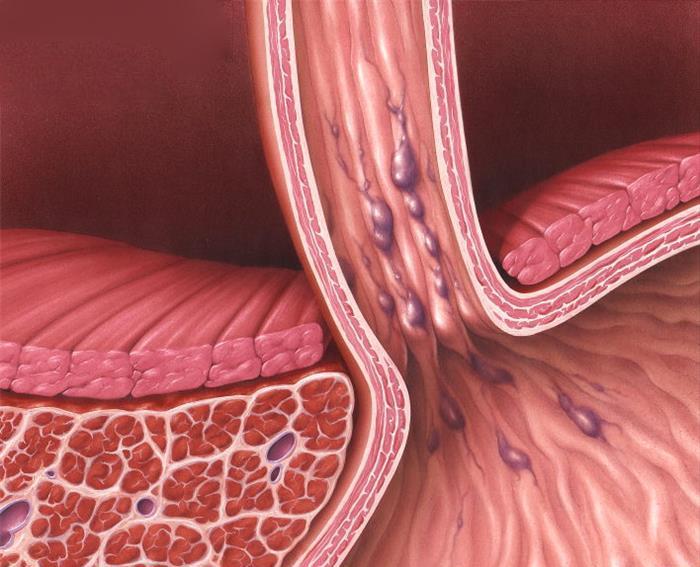
Varicose veins in the esophagus
- Bowel cancer or colorectal cancer in a close relative of the patient.
- NUC.
- Damage to the mucous membrane of the digestive organs.
Advice. If the doctor recommends this analysis to the patient, then he has good reason for this. The research is not difficult, not painful, effective, it is carried out quickly.
There are conditions under which the study of feces, revealing occult blood, cannot be carried out until the circumstances change:
- dyspepsia;
- menstruation;
- bleeding hemorrhoids;
- hematuria (when blood is found in the urine);
- periodontal disease.
In parallel with the study of feces, a leukocyte blood test, biochemistry, a general urine test, renal tests and tumor markers are prescribed.

Blood test rates

Kidney tests
Important! Colonoscopy is recommended when a positive test result is obtained in the laboratory or during a test at home. A negative result reduces the risk of most formidable diseases, but does not excludes it completely Comparison of the result with other, in parallel assigned analyzes.
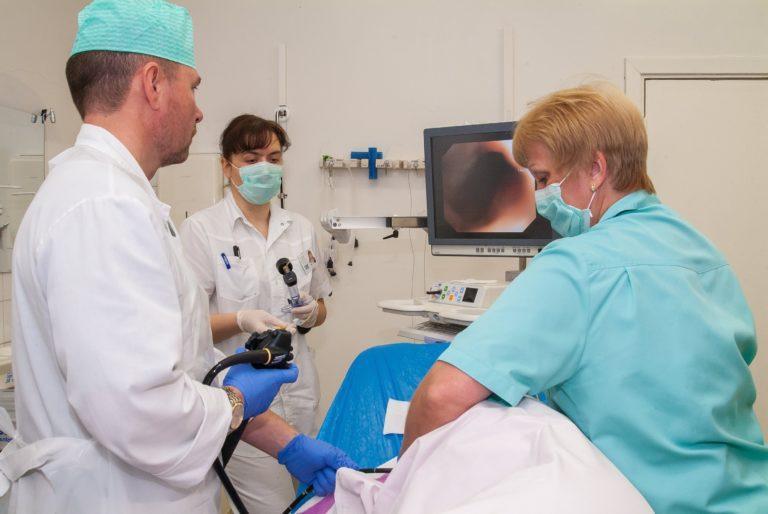
Colonoscopy of the intestine
How to improve research efficiency
The effectiveness of the study depends on how carefully the patient prepares for the test. The scrupulousness of the fulfillment of all the requirements for the patient is the guarantee of the accuracy of the result obtained.
General preparation for the donation of feces for occult blood is carried out as follows.
- Preparation begins 7 days prior to analysis. From this time on, all medications that tend to stain the feces in any color are canceled. It is also necessary to stop taking medications that affect intestinal motility.

As prescribed by the attending physician, all medications are canceled a week before the stool collection procedure.
- Three days before the delivery of feces, the following are excluded from the menu: meat, fish, offal, tomatoes, beets, peppers, broccoli, beans, spinach, apples, green onions. This is necessary to prevent distortion of the color picture.
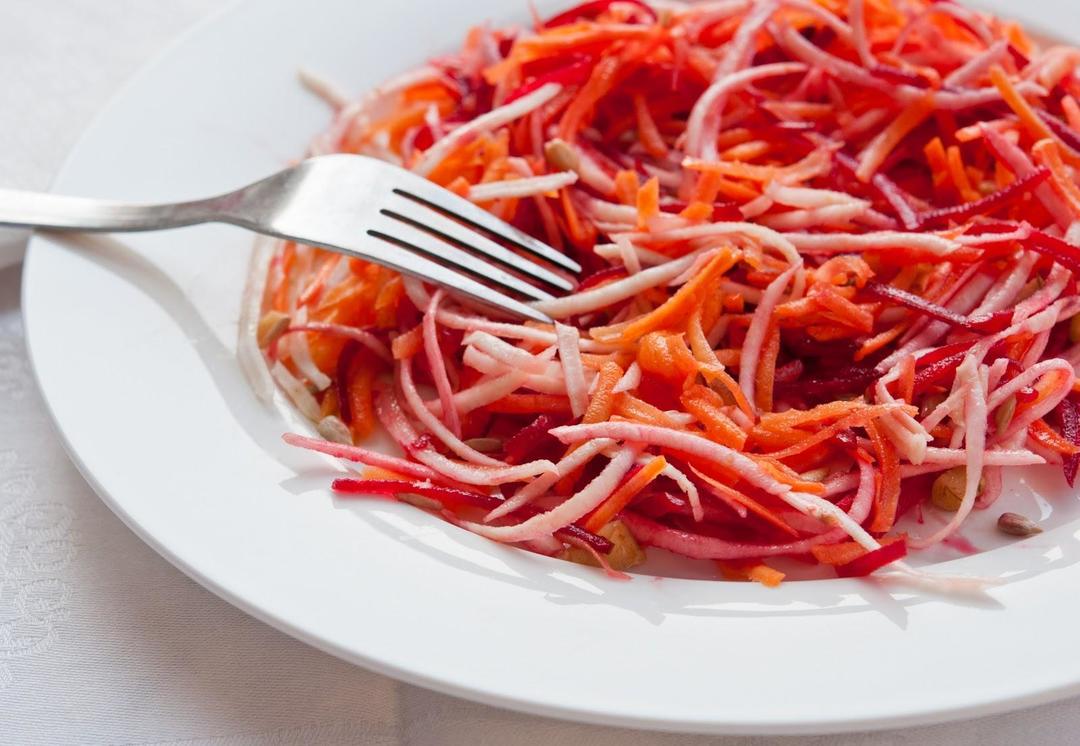
Products that can stain the intestines should be excluded from the menu, which will distort the research result
- Also, in three days, the use of vegetables and fruits, which can affect peristalsis, stops.

Vegetables, fruits, juices affecting peristalsis are excluded from the diet
- You can not take laxatives and cleanse the intestines in any other way than natural, especially with the use of an enema.
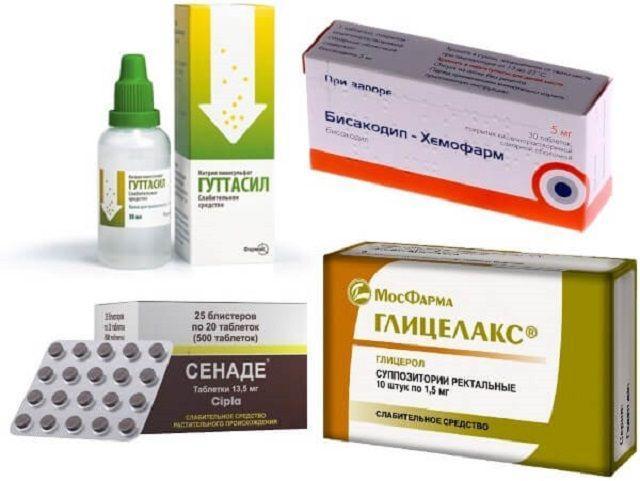
Laxatives should not be taken before the procedure.
- X-ray examinations are not carried out later than three days before the analysis, since they may use reagents that can distort the results of the analysis.

X-ray is done no later than three days before the study of feces for occult blood
- Before taking feces for analysis, women must have their periods completely finished (during menstrual bleeding, the analysis is not carried out).

Women should choose a suitable day for the examination.
- On the eve of donating feces, you should not brush your teeth so that if you accidentally damage the gums with a brush, blood fragments do not get into the feces.

Better to use a rinse aid
- Also, you can not engage in anal sex in order to prevent the formation of mechanical damage and rupture with resulting bleeding.

Before the procedure for passing the analysis, it is important to avoid any traumatic entry
Important! Blood hidden in feces is an indicator of multiple diseases, but most importantly, it can be a signal of malignant diseases. The very first warning about the appearance of cancerous tumors in the intestines throughout its area, the esophagus and the stomach. Of course, the earlier cancer treatment is started, the more likely it is to defeat it.
Analysis sampling rules
When collecting feces for analysis, a number of rules must be observed.
- Do not try to collect feces with an enema - bowel movements should be natural.
- Collect feces in the morning after waking up, preferably before breakfast.
- Before collection, urinate and thoroughly wash the genitals and sphincter.
- Use for collection a special wooden spatula and a container for analyzes with a tight lid, it can be made of plastic or glass.
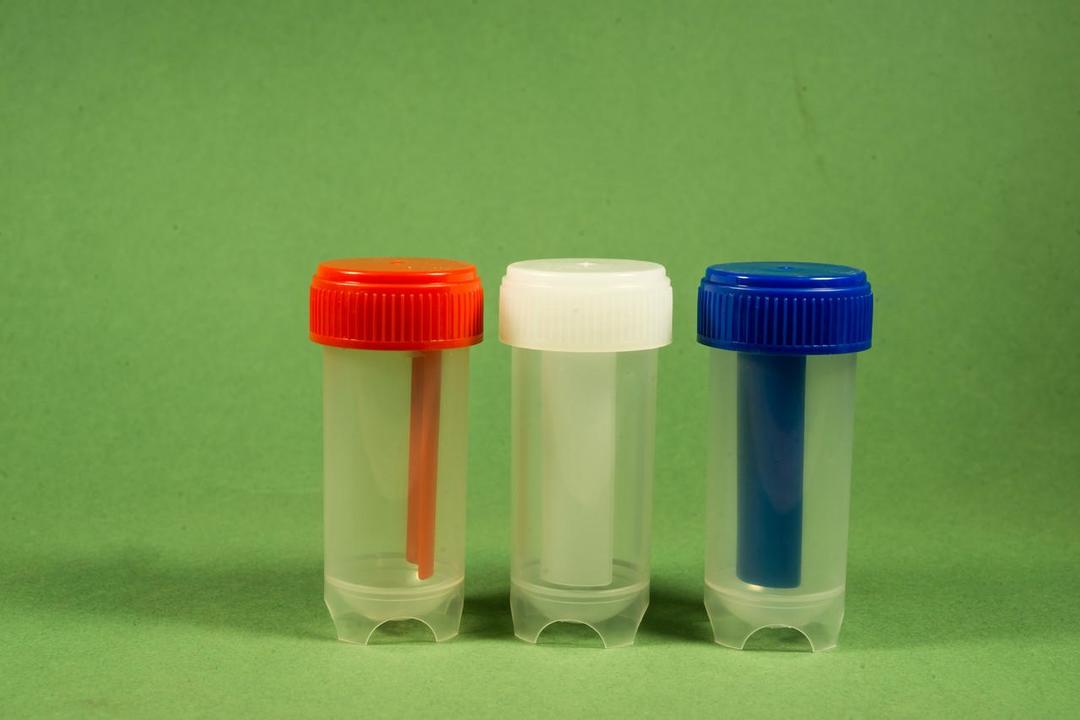
Analysis container
- Take different pieces of stool (not from one place).
- The total volume should be at least two teaspoons.
- Feces are delivered to the laboratory no later than three hours after collection.
- If the analysis cannot be delivered immediately, this is done within 12 hours, but the container with the material must be kept in the refrigerator all this time.

How to donate feces for occult blood
Important! The research is carried out over six days. The result of the norm is negative. This does not mean that there is absolutely no blood in the stool. But this means that her presence does not exceed the permissible limits. If the norm is exceeded, the result is declared positive.
Types of analysis for occult blood in feces
This test can be done in three different ways. The test material is analyzed using:
- guaiac test;
- immunological test;
- Gregersen reactions.

Fecal occult blood test (Gregersen reaction)
Table. Analysis type and description.
| View | The nature of the sample |
|---|---|
 Guaiac test |
It is carried out as a result of the interaction of guaiac gum with hemoglobin contained in fecal blood, plus hydrogen peroxide. The sample is considered positive with a total detected volume of bleeding from 30 to 50 ml. Occult blood is found flowing from any part of the digestive system. In the guaiac test, any drugs and products react with the samples, therefore, if the preparation rules are not followed, the results may be inaccurate. |
 Immunochemical test |
Testing techniques are developing, and recently scientists have developed a new method for detecting latent bleeding - an immunochemical or immunological test. The specificity of this analysis is that it can be done at home. A pharmacy buys a sample containing antibodies that interact with the hemoglobin of human blood. Likewise, an immunological test is performed in a clinical laboratory. The test for fidelity is recommended to be repeated up to three times in a row, but even if repeated, it does not guarantee a complete result. It can detect bleeding only in the lower digestive tracts. The end of the small and large intestine is the segment where the occult blood is clearly defined. But the blood from the upper parts of the sample will not show, since hemoglobin, before reacting with antibodies, enters it in the stomach and upper esophagus, with aggressive gastric enzymes, destroying it. Preparation may not be necessary because latest generation immune tests do not react with iron, blood or other reactive substances. But before passing this test, you need to ask the pharmacy or laboratory what kind of tests are used. When using a sample that reacts with other substances, the preparation is general. |
 Gregersen test |
This is the name of the benzidine test, which is a strictly laboratory test. The substance benzidine combines with acetic acid and barium (or hydrogen) peroxide. The test allows you to detect any neoplasm in the gastrointestinal tract, "see" adenoma, polyps, almost all diseases, including cancer that has not yet been diagnosed in a patient. This test, by the way, helps to detect occult blood not only in feces, but also in other bio-fluids of the body, for example, in urine. The norm is the presence of blood with a total volume of up to 40 mg. |
Specificity of preparation for guaiac dough
Before passing the guaiac test for three days, it is necessary to remove from use:
- pork and beef meat and offal;

Meat and offal
- all types of cabbage, horseradish and radish;
- iron-containing foods, which include soy and lentils, nuts (peanuts, cashews), carrots, lettuce;
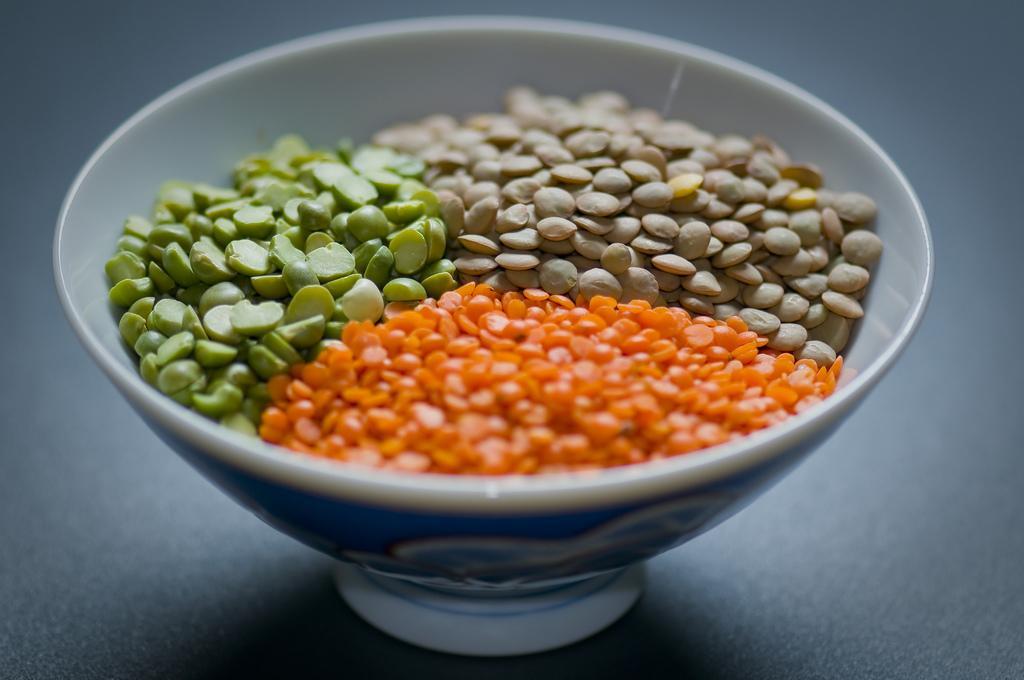
Lentils
- dried mushrooms and fresh garlic;
- mineral water, which contains iron;
- vitamin C in any form;
- fruits and vegetables, which contain large amounts of ascorbic acid;

Where is vitamin C found
- drugs - non-steroids;

NSAIDs
- derivatives of barbituric acid (sedatives);
- the anticoagulant warfarin, which affects blood clotting;
- any medications and dietary supplements containing iron.

Iron preparations
Specificity of preparation for the benzidine test
Here, too, it is important not to violate the rules of preparation and to follow them carefully.
Excluded from the menu three days before delivery:
- all types of meat;
- liver and offal;

Liver and offal
- iron legumes;
- iron-containing vegetables and fruits;

Ferrous foods
- all foods with a high content of ascorbic acid;
- aspirin, naproxen, ibuprofen.

The drug "Naproxen"
Decoding the results
The test can be positive or negative. In the second case, this means that the blood flows out normally. In any case, blood is secreted in the body of every person. It moves through the intestines, decomposing under the action of enzymes, but if its amount does not exceed 0.2 mg hemoglobin per gram of stool, the result is considered negative and blood in the stool is recognized absent.
If the result is positive, the values exceed the declared indicator, sometimes by several tens of times.
It should be borne in mind when decrypting that the sample can be both false-negative and false-positive. If there is bleeding of an intermittent nature, for example, with polyps, this analysis may turn out to be negative. For an accurate diagnosis, it is necessary to repeat the test.
And vice versa, in case of accidental injury to the mucous membrane, even if it happened during the morning brushing of teeth or nosebleeds that happened the day before, as well as with the use of foods and preparations containing iron, the result may be positive in the absence of any diseases.
Important! If the sample is negative, therefore, it must be repeated and confirmed. If the sample is positive, it is also recommended to conduct a confirmatory analysis and to prescribe the patient further examinations.
The importance of this analysis in the diagnosis of most gastrointestinal diseases is very high.
There are bleeding, open and obvious, altering the stool to such an extent that you can visually determine their presence. For example, when blood flows out of the lower segments of the colon, it stains feces in a scarlet color, can collect in large clots or wide veins. With the source of bleeding, which is located in the upper part of the gastrointestinal tract, then the feces darkens, acquires the color and consistency of tar, since blood, reacting with gastric enzymes, modifies his.

By the color of the stool, you can determine the location of the bleeding
Important! With visually detected bleeding, the situation is certainly an emergency, requiring immediate medical attention, up to and including surgery. But this does not mean that latent bleeding is less dangerous.
Traditional tests have many shortcomings and errors, however, the study of feces for the presence of occult blood helps so effectively diagnose many diseases that such a safe and painless, non-traumatic and quick alternative he doesn't.
Tests for the presence of blood are positive in 97% of colon cancer episodes, in 60% - with adenomatous polyposis (with a diameter of 1 cm) and other dangerous diseases. It has been statistically proven that the detection of cancer in the initial stages reduces the mortality rate from this disease by an average of 30%.

Colorectal cancer