Preparation for X-ray of the stomach: contraindications to the procedure
X-ray of the stomach is a common instrumental examination of the gastrointestinal tract, which acts as an alternative or addition to other methods of examination (FGDS, ultrasound). X-rays are often accompanied by the introduction of contrast, which increases the objectivity and information content of the information obtained. To obtain the most effective result from the procedure, it is necessary to comply with all the requirements for the preparation of the patient. Violation of some rules may lead to receiving erroneous data or to the need to repeat the procedure. Since unnecessary doses of X-ray radiation are undesirable, it is important to carry out the procedure correctly the first time. In this article, we will tell you how the preparation for an X-ray of the stomach goes.

Preparing for an X-ray of the stomach
Content
- 1 Indications for the appointment of the procedure
- 2 Contraindications to the procedure
- 3 General rules for preparing for fluoroscopy of the stomach for patients
- 4 Gentle diet before X-ray examination
-
5 Preparing a patient for a barium contrast x-ray
- 5.1 Video - Scopia of the stomach with barium
- 6 Preparing a patient for x-rays using dual contrast
Indications for the appointment of the procedure
Stomach X-rays are given to patients for a variety of purposes, which include:
- Statement, confirmation or refutation of the diagnosis.
- Establishing the causes of some of the symptoms.
- Evaluation of the results of surgery.
Important! It should be noted the fundamental differences between the procedures radiography and fluoroscopy stomach. The first method involves a one-step image of an organ, and fluoroscopy allows the doctor to study the dynamics of some processes, observing them in real time. In the second case, several consecutive images are taken at once.
Symptoms that can lead to the appointment of an X-ray of the stomach are:
- painful sensations in the abdomen of unknown origin;
- detection of overt or latent blood in feces;
- difficulty swallowing, impaired movement of food through the esophagus;
- loss of appetite, weight loss, sudden anemia;
- detection of seals of an unclear nature on palpation of the organ;
In addition, the methods of X-ray and fluoroscopy are used to make, confirm or refute diagnoses of all kinds of diseases, defects and unhealthy conditions of the gastrointestinal tract. For example, radiography is most effective when there is a suspicion of foreign bodies in an organ.
After the operations on the gastrointestinal tract, a fluoroscopy procedure is often prescribed in order to evaluate the results of the manipulations, to make sure that internal processes are normalized.
Contraindications to the procedure
X-ray of the stomach is a fairly safe research method, however, there are contraindications to its use. These contraindications include:
- Severe condition of the patient. When a patient is in serious condition, the introduction of contrast with fluoroscopy can aggravate the patient's condition or cause a crisis.
- Internal bleeding of any nature. Gastric, intestinal, esophageal bleeding are a direct contraindication to the procedure.
- Allergy to barium sulfate or other drugs used during the procedure.
- Pregnancy at any time. X-ray exposure is considered undesirable for pregnant women. The doctor will most likely decide on the appointment of an alternative research method.

In exceptional cases, when it is impossible to conduct other examinations, in agreement with the obstetrician-gynecologist, it is allowed to conduct an X-ray for pregnant women in the second and third trimester
General rules for preparing for fluoroscopy of the stomach for patients
The X-ray procedure of the stomach is considered simple and does not require special training from the doctor or patient. There are, however, rules that must be strictly followed in order to obtain objective data and a successful procedure:
- The patient takes the last meal at least 12 hours before the procedure.
- On the day of the X-ray, you should stop taking medications, inhalation, smoking, and the use of chewing gum.
- 2-3 days before the study, you should adhere to a sparing diet, excluding any foods that contribute to gas formation.
- On the eve of the procedure, it is recommended to do a cleansing enema.
- If obstruction of the pyloric gastrointestinal tract is established, then immediately before the study, the patient is prescribed a lavage using a probe.
- The patient should give preference to loose clothing that does not contain metal parts.
- Immediately before the procedure, you need to get rid of any jewelry, dentures, excess clothing.

Compliance with the above rules will allow you to maximize the effect of the gastric X-ray procedure
Gentle diet before X-ray examination
A sparing diet before X-ray examination of the stomach is shown to everyone, without exception. The recommended duration of the diet is 2-3 days before the study, with the last meal and drink should be no later than 12 hours before the start of the procedure.
If you follow a diet, you should exclude from the diet:
- fatty, fried, smoked, pickled and salty foods;
- spicy food and any spices, seasonings;
- dairy and fermented milk products;
- any products that cause the formation of gases;
- potato;
- flour and rich products;
- sweets.
Allowed use:
- dairy-free cereals;
- boiled eggs, lean meat, poultry and fish;
- boiled or steamed non-starchy vegetables;
- natural vegetable and fruit juices diluted with water to reduce acidity;
- lean soups.
Correct adherence to a diet involves not only eating certain foods and avoiding others, but also careful control over the amount of food and diet. It is recommended to eat 4-5 times a day in small portions. Overeating and hunger should be avoided.

A sparing diet must necessarily be accompanied by a sufficient intake of clean drinking water (at least 1.5 liters per day), the volume of which does not include the use of liquid soups, tea and other drinks
During the diet, chewing gum, smoking, and sucking lozenges should be abandoned, since all this contributes to increased secretion of gastric juice and increased acidity of the gastric environment.
If the patient feels the need, then the intake of special medications can be added to the diet to help cleanse the body and get rid of gases. These drugs include:
- Espumisan (prevents gas formation, allows you to effectively fight it).
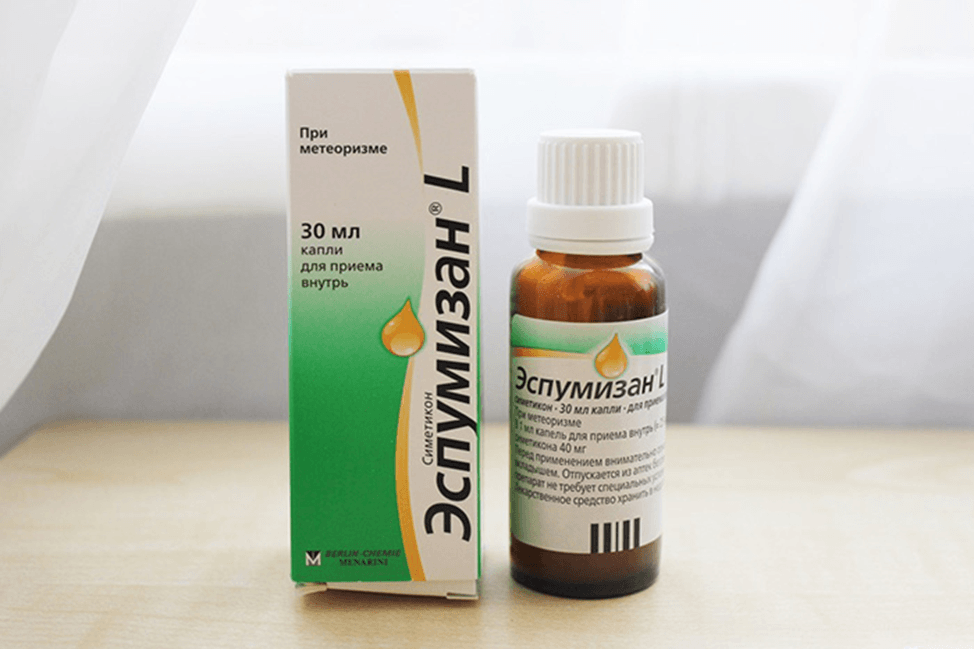
Espumisan
- Activated carbon (taken according to the instructions, depending on the total weight).

Activated carbon
- Enterosgel (a modern analogue of activated carbon, has high absorption properties).

Enterosgel
The presence of symptoms of GERD, reflux, heartburn of unknown origin in a patient allows taking antacids while adhering to a sparing diet.
Important! Remember that 12 hours before the procedure, you must stop taking any medications and even refuse water. At the time of the procedure, the stomach should be completely empty.
Preparing a patient for a barium contrast x-ray
Conducting an X-ray using contrast allows you to more accurately assess the size, shape, functional the state of the digestive tract, and fluoroscopy also allows you to trace the dynamics of the movement of substances along the esophagus, transitions.
A solution of barium mixture is a suspension that the patient drinks in small sips as directed by the doctor performing the procedure.
Table 1. Step-by-Step Preparation for a Barium Contrast X-ray
| Step | Description |
|---|---|
| 1 | The doctor prepares a solution of barium sulfate sulfate, which is a type of suspension and has a contrast function. |
| 2 | 15 minutes before the start of the procedure, the patient is given 2-3 tablets of Aeron under the tongue, which helps to relax the stomach and intestines. |
| 3 | The patient takes the first couple of sips of contrast medium and assumes a "lying" position. At this stage, the doctor is able to assess the function of swallowing, the speed and features of the movement of the contrast along the esophagus, the state of internal transitions. |
| 4 | The barium suspension is evenly distributed, and the doctor makes a series of shots that allow him to subsequently assess the reliefs of the organ under study. |
In total, the patient will have to drink up to 150 ml of liquid contrast, which will allow the doctor to objectively assess the size, shape, contours and tone of the stomach walls.

The results of a successful fluoroscopy using a solution of barium sulfate sulfate make it possible to assess the peristalsis and the general condition of the intestine, the pyloric canal
Video - Scopia of the stomach with barium
Preparing a patient for x-rays using dual contrast
When the doctor requires additional information, which can be obtained by double contrast diagnostics, he prescribes additional stretching of the stomach walls with gas. This technique is carried out in conjunction with the use of a barium sulfate solution. At the same time, a special solution is prepared, it is several times denser than that used for fluoroscopy.
Table 1. Step-by-Step Preparation for Dual Contrast X-rays
| Step | Description |
|---|---|
| 1 | The doctor prepares a solution of barium sulfate sulfate, which is more saturated and denser than what is used in a conventional contrast study. The dense contrast solution provides greater enveloping and adheres better to the walls of the stomach, in addition, it is more homogeneous in structure and does not interact with gastric juice. |
| 2 | Double contrasting in X-ray examination of the stomach involves preliminary thorough cleaning of organs from toxins and gases. To do this, use the drug "Fortrans" in a dosage of 1 sachet per 60-70 kg of the patient's weight. If you are overweight, it is recommended to use 2-3 servings. |
| 3 | When using double contrast, together with the reception of the relaxing "Aeron", a provocative allergic test is carried out. This is an obligatory stage of preparation, since a denser barium solution often causes allergic reactions in the body. |
| 4 | After consuming the full volume of contrast medium (about 60 ml of solution), the doctor takes a series of X-rays. |
| 5 | The gas-forming powder is drunk last. In this case, the patient should be in a horizontal position and strictly follow all the instructions of the doctor performing the procedure. |
The results of radiography and fluoroscopy using double contrast allow you to obtain the maximum amount of information about the condition and processes of the patient's gastrointestinal tract.
Despite the fact that X-rays of the stomach are considered safe and common research procedures, it is extremely important to take a responsible approach to preparation. Failure to comply with the doctor's recommendations, violation of the rules for the procedure may entail obtaining biased data, the need to re-conduct the study.