Green feces in babies
Young mothers are always worried about the health of their baby, even if the changes in his condition are minor. Maternal instinct takes over, and parents begin to fiercely defend their child from all adversity and possible dangers. Green feces in a child can horrify even the most experienced parents, who, it would seem, cannot be surprised with anything. In fact, the nature, quantity and quality of food affects the consistency and color of the baby's stool, the digestive system of which cannot yet function fully. More details about the causes of green stools will be discussed in this article.

Green feces in babies
Content
- 1 Disease or norm?
-
2 Main reasons
- 2.1 When breastfeeding
- 2.2 With artificial feeding
- 3 Alarming symptoms
- 4 Diagnostic features
-
5 Treatment of the gastrointestinal tract in children
- 5.1 Medication
-
6 Prophylaxis
- 6.1 Video - What to do if a child has green stools
Disease or norm?
There is no need to immediately panic when the stool color changes, even if it turns green. This is not always a sign of a serious medical condition.
. According to doctors, there are some cases in which the "greening" of feces does not pose any danger to the health of the baby.
One of the reasons for concern is green stools in babies. There may be several reasons for its appearance, and not all of them are pathological.
It is worth noting that during the first few days of a baby's life, his body undergoes serious processes that contribute to his adaptation to a new way of life. At this time, the digestive system is also reconfigured. When the baby passed through the birth canal, the remnants of tissue fell into his intestines and stomach, which, after birth, leave the body along with the feces. This type of bowel movement in medicine is called meconium. As a rule, meconium is colored green, but sometimes it can also be black. In this case, you should not worry too much, since after a couple of days the feces will acquire their natural color.

Green feces
On a note! Excess bilirubin (bile pigment) in the body can also lead to staining of feces in babies in the first days of life. When this substance is removed from the body, parents notice a change in the color of the stool. The phenomenon can be triggered by breast milk, which contains many hormones, or a slight jaundice. In general, excess bilirubin poses no threat to the baby.

Bilirubin in newborns
In the first weeks of a baby's life, discharge of an atypical greenish tint can be with a white impurity - these are undigested milk particles. The fact is that the weak digestive system of the baby cannot yet function fully, therefore there is a slight lack of necessary enzymes, which is why this phenomenon occurs.

Excess bilirubin can also lead to staining of feces in infants in the first days of life.
Main reasons
There can be many factors contributing to the appearance of a green color. As noted earlier, green stool in newborns less than 1 week old is the norm. This is how his body gets rid of meconium. A little later, the color of the stool changes to brownish or yellow, a bit like mustard. Doctors also consider such changes to be the norm, but if you have the slightest doubts about the baby's condition, then you should immediately consult a doctor. In addition, after birth, it is also necessary to follow a special diet and monitor the baby's nutrition.

Stool color in babies
When breastfeeding
Usually, the color of feces in a breastfeeding baby is yellow or brown. The stool has a mushy consistency, sometimes liquid. Has a sour smell. But sometimes the color can change, as well as the consistency. For example, small particles of foam, mucus, or blood streaks may appear in the stool.

Lactation
The main causes of green stools during breastfeeding include:
- decreased activity of lactase (an enzyme that promotes the breakdown of lactose in the body);
- accumulation of bilirubin in large quantities;
- dysbiosis;
- the consequences of taking certain medications by a nursing mother;
- the use of certain products (zucchini, cucumbers), which, when ingested with breast milk, can provoke a change in the color of feces;
- oxidation of feces on contact with air.

Green stools in babies
Most of these factors can be eliminated on your own by reviewing your diet. But in some cases, unfortunately, it is impossible to do without serious medication.
With artificial feeding
As a rule, green stool in infants with artificial feeding can occur due to the milk formula that he feeds on. In this case, just observe the child for a while, perhaps "greening" is nothing more than a reaction of the body to artificial food. Some baby food manufacturers add a lot of iron to their formula, resulting in a characteristic green stool.

Green stool in bottle-fed babies
Be sure to check with your pediatrician to choose a good mixture. He will help with the choice of a high-quality mixture, which will normalize the baby's stool.
Alarming symptoms
When do you need to immediately run to the doctor? The first and most important thing you can do is monitor your child's health. If the baby's behavior has changed dramatically and he has become more capricious or his body temperature rises, take him to the hospital urgently. The same applies to a decrease or complete lack of appetite.

Monitor the condition and behavior of the child
What kind of stool can be a threat to the health of the baby:
- with blood impurities;
- with mucous secretions;
- putrid or offensive odor;
- with regular urge to defecate.
The lack of nutrients in the child's body may be indicated by the foamy consistency of feces. If during the diagnosis the doctor did not detect the development of an infection, then the cause of the pathological deviation, most likely, lies in the deficiency of hind milk. With regular use of colostrum, the stimulation of bowel movements increases. It also contains many beneficial elements for the health of the baby.

A chair with greenery and blood streaks
If the stool has a strong and unpleasant odor, then you need to urgently seek help from a doctor, because such symptoms, as a rule, indicate the development of a purulent process or inflammation in the body. Feces with blood impurities can indicate damage to the intestinal mucosa of the baby or the presence of serious problems with the work of the digestive system.

A distended tummy in a newborn
Other symptoms should also alert parents:
- bloating, increased gas production;
- irritation on the skin and the appearance of a rash;
- increased body temperature;
- diarrhea;
- bouts of nausea;
- a sharp decrease in the weight of the child;
- loss of appetite;
- painful sensations in the abdomen;
- the baby often raises his legs to the tummy;
- moodiness, drowsiness and increased irritability. The child is crying all the time.

Poor appetite
Important! The appearance of such symptoms may indicate problems with the gastrointestinal tract, if the child is not more than 3 months old. At the age of two, such a condition, as a rule, indicates the development of an infectious disease.
Diagnostic features
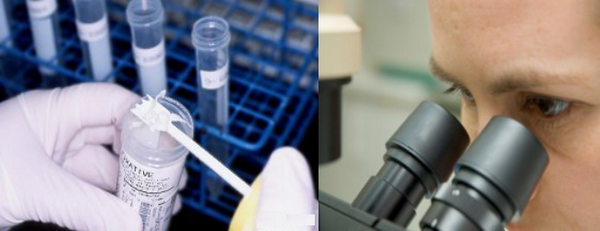
After contacting a pediatrician, the child is referred to a gastroenterologist for examination. If necessary, he can prescribe a number of laboratory tests, the main of which is a coprogram (laboratory study of feces), the task of which is to diagnose digestibility. A pathological and painful stool disorder requires a more serious analysis. For this purpose, doctors conduct the Shwachman test.

Laboratory tests
The doctor may prescribe an analysis for dysbiosis if the symptoms are very pronounced. In this case a laboratory analysis of breast milk is carried out, with the help of which doctors can study the bacterial composition of breast milk. Despite the fact that the full formation of intestinal microflora occurs only in the second year of a child's life, pathogenic microorganisms can worsen his condition as early as the first week. In such cases, medication is required.

The formation of microflora occurs in the second year of a child's life.
Treatment of the gastrointestinal tract in children
After the doctor examines the results of the tests performed, he can diagnose the baby. Depending on the development of a particular pathology, various medications can be used. It is worth noting that most problems with the work of the gastrointestinal tract can be solved with the help of a special diet and taking safe medications. But in more severe conditions, hospitalization is required.
Medication
If the stool is colored green or the child began to worry about various problems with the digestive organs, then you should immediately visit a doctor. Ignoring the symptoms will certainly lead to serious consequences. In such cases, medications are used to help normalize metabolic processes in the child's body. Below are the most effective ones.
Table. Preparations for improving digestion in infants.
| Name of the drug, photo | Description |
|---|---|
 Hilak-forte |
An effective drug that comes in the form of drops. Suitable for babies and slightly older children. This drug is incompatible with fermented milk products, which the doctor must inform the parents about when prescribing. |
 Plantex |
It is used in the treatment of various pathological disorders of the gastrointestinal tract, as well as for their prevention. Most often, the remedy is prescribed for infants, but over 14 days. Great for the transition from breast milk to artificial formula. |
 Primadophilus |
A common dietary supplement (dietary supplement) used to normalize the gastrointestinal tract. With regular use, the agent helps to improve the intestinal microflora. It has no contraindications, so it is often prescribed for children. |
 Enterofuril |
Antimicrobial medicine with bactericidal and bacteriological properties. It is used in medicine for the treatment of acute intestinal infections and other pathologies of the gastrointestinal tract. Helps deal with various types of diarrhea. Promotes the normalization of intestinal microflora. |
 Enterosgel |
An excellent detoxification medicine used in the treatment of intestinal disorders, infectious diseases, diarrhea, gastritis and other disorders of the digestive system. The action of the drug is to neutralize harmful substances that are in the stomach. Perfectly helps with dysbiosis in children. |
 Normobact |
Another remedy that contains beneficial bacteria. It is a dietary supplement in powder form. It is used for various disorders of the gastrointestinal tract (dysbiosis, prolonged diarrhea, metabolic disorders). Another dietary supplement is actively used in the treatment of infectious diseases that affect the organs of the digestive system. |
If the stool is painted in a characteristic green color in a child who feeds on formula milk or breastfeeding milk, this phenomenon can act as both an indicator of the norm and a sign of a serious diseases. What exactly the color change says in a particular case - only a doctor can say after laboratory tests. You cannot judge the health of the baby only by the color of the stool, because an integrated approach is important here, which consists in passing tests, interviewing the parents and examining the child with a doctor. Only on the basis of all the information can a conclusion be drawn.

Stool analysis results
Prophylaxis
You can prevent the appearance of green stools with the help of preventive measures. After all, it is much easier to prevent a pathological deviation than to cure it when it appears.

How to avoid potential problems
Prevention is as follows:
- visit your pediatrician regularly;
- avoid overeating, follow the diet (it is recommended to eat at the same time);
- if necessary, give your baby dietary supplements to improve the functioning of the digestive system;
- if you feed your child with new foods that he has not eaten before, be sure to monitor the reaction of his body, whether the baby has allergies;
- the introduction of complementary foods should be timely;
- when choosing milk formulas, you must follow the doctor's recommendations. In no case do not save on them;
- while breastfeeding, the mother must also follow a special diet.

The diet of a nursing mother
Ignoring a change in stool color in an infant can have serious consequences. Such deviations, as a rule, negatively affect the functioning of the digestive system. A child may suffer from dehydration caused by prolonged diarrhea in combination with green stools. If the reason for "greening" is some kind of disease, then the lack of timely medical care can lead to complete damage to the body by necrotic or putrefactive processes.

The baby's digestion needs to be given special attention.
If you value the health of your baby, then at the first suspicious symptoms, immediately consult a doctor. Remember that it is better to visit the doctor's office once again and make sure that there are no pathologies than to ignore the symptoms, which can greatly harm the child's body. What the analysis of feces shows, read on our website.