In a child's feces, black threads: what does this mean
The appearance of feces, its quantity, consistency, color are important diagnostic signs that allow evaluate the work of the gastrointestinal tract and draw a conclusion about possible organ pathologies digestion. The appearance of uncharacteristic inclusions, impurities and streaks is an alarming symptom that can be a manifestation of infectious and inflammatory bowel pathologies, as well as diseases of other organs involved in the digestion of food (stomach, pancreas, bile bubble, etc.).

What does normal feces of a newborn baby look like?
Excitement in parents can also arise if black threads, similar to worms, appear in the child's feces. In most cases, this symptom is not a cause for concern, but sometimes it is necessary to seek medical help. In what cases this should be done, and when you can not worry - this will be discussed below.

Black strings in a baby's feces can scare parents a lot.
Content
- 1 Black strings and veins in a newborn
-
2 Possible causes of black threads in feces
- 2.1 Violation of hygiene
- 2.2 Excess iron
- 2.3 Taking certain medications
- 2.4 Power features
- 3 Could the strings be black worms
- 4 Dark filamentous blotches after surgery
- 5 What to do if black threads appear in the stool
-
6 When to see a doctor
- 6.1 Video - The child has black strings in the feces
Black strings and veins in a newborn
The appearance of small blotches and black threads in a newborn baby usually occurs on the third or fourth day of life. This phenomenon is associated with physiological processes and the release of the intestines from the original feces - meconium. Meconium has a viscous and sticky consistency and a rich black color. Original feces are formed as a result of the digestion of fetal hair, amniotic fluid, mucus, cells epithelium during the period of intrauterine growth and are excreted from the body during the first 2-3 days of life baby. The baby's original feces also contain a small amount of entero- and lactobacilli, which produce lactic acid and are involved in the formation of the fetus's immune system.

Meconium
The intestines are completely freed from meconium on the third day of the child's life. During this period, the consistency of the stool, its smell and color change (the original feces has no smell). The faeces take on a bright yellow or brownish color and gruel consistency and may contain small amounts of inclusions and particles of undigested food. Black threads 3-4 days after birth may be the remnants of meconium, so in the absence of other unpleasant symptoms (swollen tummy, high temperature, etc.), you should not worry.

After a few days, the baby's stool turns yellow-orange and looks like gruel. Black blotches are the remnants of meconium
Important! If by the end of the fifth day black threads in the feces persist, you should contact your pediatrician or neonatologist. Partial excretion of meconium during this period may be associated with increased fecal viscosity, which is unfavorable clinical symptom and may indicate congenital abnormalities, such as cystic fibrosis or meconium ileus (obstruction). Depending on the results of the examination, the child is prescribed medical or surgical correction.

Meconium ileus
Possible causes of black threads in feces
In most cases (more than 80%), such a clinical symptom is not a sign of any pathology and is associated with the peculiarities of digestion in children. If parents notice any blotches, streaks, dots or threads of black color in the feces, it is necessary to carefully analyze the child's nutrition and actions over the past day: perhaps the reason for this phenomenon is completely harmless, and reasons for concern no.

When uncharacteristic impurities appear in the baby's feces, you must first analyze what he has recently eaten
Violation of hygiene
This is one of the most common reasons for the appearance of black threads in the feces in children of the first year of life (mainly from 6 months to 1 year). The development of sensory perception (sense organs) at this age occurs through direct cognition of the surrounding objects, their sizes, shapes and properties. Children are especially active in learning about the surrounding space with the help of the organs of taste, that is, they pull everything into their mouths that they can reach and grab with their hand.

Small children pull everything into their mouths, so various foreign objects can get into their stomach
Hair, threads, pieces of tinsel can get into the child's stomach. If there are animals at home, there is a high chance of accidental ingestion of wool, so in rooms in which children under 12 months old live, wet cleaning should be carried out regularly.

Care should be taken to remove animal hair
Swallowing large quantities of wool, dust and hair can cause not only changes in stool, but also functional dyspepsia, which is manifested by bloating, abdominal pain, regurgitation (less often vomiting), sleep disturbance and appetite. The amount of digestive enzymes in the infant's gastrointestinal tract is insufficient to digest foreign substances, so they are usually excreted undigested from the intestines.

Lack of enzymes in babies leads to colic and bloating, and residues of undigested food and other swallowed foreign substances can be observed in the feces
Excess iron
Iron is an essential mineral necessary for the proper growth of a child, ensuring the function of hematopoiesis and preventing anemia (anemia). The iron intake for a child is 7 to 11 mg per day. To ensure a sufficient intake of this element, it is necessary to give the child iron-containing foods every day: meat, liver, buckwheat, green apples. A large amount of iron is found in pumpkin seeds, dill, parsley, sesame seeds, eggs.

A sufficient amount of foods containing iron should be present in the child's diet.
Iron overdose can occur as a result of heavy consumption of the listed foods, and using tap water for drinking, into which the element enters along with rust (applies to houses with old pipes). To enrich the child's diet with iron, many parents include various confectionery products in which iron, hematogen and other iron-containing products are added.

Hematogen should not be given to children constantly, since an excess of iron may occur in the body.
If the amount of incoming iron exceeds the daily norm, the body cannot always digest it and split, resulting in black threadlike streaks and other characteristic symptoms overdose. These include:
- metallic taste in the mouth;

If the child is large enough, he may complain of an unpleasant taste in the mouth.
- bitterness after eating or drinking liquids;
- cramping abdominal pain;

The child has abdominal pain
- skin rash.
Note! An excess of iron in a child's diet can lead to serious illnesses, such as blockage of blood vessels by plaques of cholesterol (atherosclerosis). Children, whose diet contains a lot of foods rich in iron, are more likely to get sick, since in large quantities this mineral exhibits toxic properties and reduces the protective functions of the body. To prevent overdose, it is important to know the recommended daily iron intake for children and adults.

Against the background of an excess of iron, atherosclerosis may occur
Table. Daily iron rate
| Age | Iron intake per day (mg) |
|---|---|
| Newborn | 0,25 |
| Infants 1-6 months | 0,3 |
| Infants 7-12 months | 10,9 |
| Children 1-3 years old | 7,2 |
| Children from 4 to 12 years old | 10-11 |
| Adolescents over 12 and adults | 11-18 |
| Aged people | 8-10 |
Taking certain medications
The appearance of uncharacteristic black impurities in a child's feces can occur during treatment with certain medications, for example, iron preparations (Maltofer, Tardiferon, Sorbifer Durules "," Ferrum Lek "," Totema "), which in childhood are used to treat iron deficiency anemia, various neoplasms, as well as correction of hemostatus after heavy blood loss.

"Maltofer" is a drug that is used to replenish iron deficiency in the body of children
Vitamin and mineral supplements that include iron hydroxide can also cause similar clinical a picture, especially if such drugs were not prescribed by the attending physician, and the child objectively did not need them application.

Vitamin complexes, like other drugs, must be prescribed by a doctor.
Another group of drugs, the intake of which can cause the appearance of filamentous black blotches in the feces, are enterosorbents. In childhood enterosorbents ("Activated Carbon", "Neosmectin", "Enterosgel", "Polyphepan") are prescribed usually for the treatment of intestinal infections, allergic dermatitis and other pathologies accompanied by intoxication organism. The action of sorbents is based on the binding and removal of toxic substances, toxins and allergens that can pass through the rectum along with feces in the form of threads of dark brown or black color. This pattern can persist for 2-3 days after the end of treatment. If this does not happen, you should see a doctor.

"Activated carbon", like other sorbents, is able to remove toxins along with feces, which leads to the formation of black veins in it
Power features
A very common reason for the formation of black threads in a child's feces is an increased content of fiber-rich foods in the diet. Fiber is a coarse dietary fiber found in many plant foods and helps support digestion and cleanse the intestines of toxins.

Cellulose
Fiber is not affected by digestive enzymes, but at the same time it is a breeding ground for the beneficial bacteria that inhabit the intestinal microflora. Dietary fiber is necessary to support immunity, normalize weight, prevent heart and vascular diseases (fiber is not allows bad cholesterol to be absorbed, which can form cholesterol plaques and cause blockages in blood vessels).

The beneficial properties of fiber
If a lot of plant fiber enters the gastrointestinal tract, it can leave the intestine unchanged in the form of threads and small dark dots. Pathological reasons for insufficient digestion of coarse fiber in childhood can be:
- diseases of the digestive system (colitis, gastroenteritis, gastritis, irritable bowel syndrome);

Colitis - inflammation of the intestinal mucosa
- intestinal dysbiosis (lack of beneficial microorganisms that normally process fiber and break it down);

Fiber can be poorly processed and come out in the form of black threads due to dysbiosis
- celiac disease.

Celiac disease or gluten intolerance can cause atypical blotches in your child's stool
If the child is not yet one year old, such a clinical picture is the norm, since before this age the infant's digestive system is considered immature. Especially often black threads in feces can be found during the introduction of the first complementary foods (fruit and vegetable puree).

Black threads in feces may appear simultaneously with the introduction of the first complementary food
In order not to succumb to false panic, you need to know which fruits are rich in fiber, and if a pathological digestive reaction is detected, their amount in the children's diet should be limited.
Table. Fiber content of vegetables and fruits
| Product | How much fiber is in 100 g |
|---|---|
 Red and white beans |
2.4 g |
 Cabbage (white cabbage, red cabbage, kohlrabi, broccoli, cauliflower) |
2.0-4.4 g |
 Carrot |
2.5 g |
 Beet |
3.3 g |
 Greens (rosemary, basil, cilantro, parsley, green onion, fennel) |
2.1-2.9 g |
 Kiwi |
2.8 g |
 Oranges and tangerines |
2.1-2.3 g |
 Persimmon |
2.6 g |
 Bananas |
2.7 g |
Note! Small black threads in the feces can be the result of eating a lot of fruits and berries containing small seeds (grapes, kiwi, gooseberries, etc.). The child may also have a slight liquefaction of feces, but diarrhea and other unpleasant symptoms should not normally be present.

Black strings in feces can appear due to the use of grapes and other fruits with small seeds
Could the strings be black worms
Worms (helminths) are parasitic worms that can live and reproduce at the expense of the body of animals and humans. In children, infection with worms is the most common cause of digestive disorders. lag in weight and height, a decrease in the general immunological status, functional dyspeptic disorders. The main sources of infection in childhood are unwashed fruits and vegetables, raw water and contaminated soil.

Worms appear in children, because they do not yet have hygiene skills and they pull unwashed food into their mouth
Despite the fact that the black strings in the feces can look very much like small worms, experts deny the possibility of helminthiasis with similar symptoms, since black helminths are still known to science. unknown.

The worms are white
However, in rare cases, it is possible to stain helminths with various pigments (for example, bilirubin), including vegetable pigments found in large quantities in dark colored berries and fruits (currants, cherries, strawberries and etc.).

In some cases, the worms can become colored due to the food consumed by the child with coloring pigments.
It is possible to accurately determine whether the threads in the feces are colored helminths only after laboratory diagnostics. Parents need to see a doctor if a child periodically complains of the following symptoms:
- cramping abdominal pain;
- lack of appetite;

Lack of appetite is one of the signs of helminthiasis
- itching in the anorectal area, as well as on the skin of the face, neck and abdomen;
- rumbling and seething in the abdomen between meals or just after a meal, which may be accompanied by painful pressure and bloating in the abdomen;

The child may have periodically unreasonable abdominal pain
- headaches;
- rashes on the skin.

The toxins released by the parasites can cause a rash on the baby's skin.
It is also necessary to consult a specialist if the listed signs are accompanied by a deterioration in general well-being and a decrease in resistance the body (the child often suffers from colds, he periodically develops allergic reactions to substances that were previously transferred OK).

Parasites affect the immunity of the baby, as a result of which the child is more likely to get sick
Dark filamentous blotches after surgery
If the child has undergone surgery on the organs of the gastrointestinal tract, it is necessary to carefully monitor his health and the appearance of feces, since it is the change in the color of feces that is the first symptom of latent (internal) bleeding in the intestine or stomach. If the bleeding is intense, the blood accumulates in the stomach, coagulates and in this form enters the intestines, from where it is discharged to the outside in the form of a black, sticky, tarry mass, which some take for excrement.

Internal bleeding may cause uncharacteristic black spots in the stool
Small threads and streaks of bright black color can be a signal of opened bleeding at the earliest stages, therefore, if such signs are found, parents should immediately inform the treating to the doctor. Dark filaments in stool with gastrointestinal bleeding usually appear without any other symptoms, but the child's condition is deteriorating very quickly, and the clinical signs of pathology are rapidly progressing.

Black clots and threads in stool may be clotted blood
Symptoms of internal bleeding in the active phase may include:
- growing weakness syndrome;
- bloody vomiting;

Vomiting blood is a dangerous sign
- an increase in temperature to febrile values (above 38.5 ° C);
- severe cramping pain in the abdomen.

The child has severe abdominal pain
In a laboratory study of blood and urine, an increase in ESR and platelets can be detected, as well as an increase in urea levels against the background of normal creatinine levels.

ESR level in children
Important! For the treatment of mild forms of gastrointestinal bleeding, hemostatics are prescribed ("Vikasol", "Dicinon"), as well as a sparing diet for faster healing of mucous membranes. In more severe cases, endoscopy, surgery and blood transfusion (in case of emergency) are indicated.

"Vikasol"
What to do if black threads appear in the stool
The first thing that parents should do in such a situation is to carefully analyze what the child ate, since the products diets rich in vegetable fiber, iron or containing small bones are the main reason for this symptoms. If the child is already large enough, it is necessary to ask him in detail if he accidentally swallowed threads, hair and other foreign substances.

The child should be asked if he has swallowed any objects.
If the child is not worried about pain, nausea and other unpleasant symptoms, there is no reason to worry. The child must be provided with an adequate drinking regime: water softens the feces and promotes the elimination of foreign substances that the child may have accidentally swallowed.

The child must drink enough water
Supporting measures and recommendations
- To normalize the stool, any foods that can negatively affect work should be excluded from the child's diet. intestines or create additional stress on the digestive tract (chocolate, spices, marinades, fatty sauces, sausage, fried foods).

Various semi-finished products, sausages, marinades and other heavy foods should be excluded from the child's diet.
- For 1-3 days, all fruits and vegetables should be given in casseroles or mashed potatoes. This will avoid intestinal inflammation associated with increased fiber intake.

Fruit should be mashed
- If the child is small, the room must be ventilated daily and wet cleaned. Dust should be regularly removed from furniture and carpets, toys should be washed with soap and warm water several times a week. This is necessary to prevent re-swallowing of hair and coat.

Wet cleaning should be regular
- If there are long-haired animals in the family, it is recommended that they be regularly trimmed until the child is 1 year old and the sensory perception system is finally formed.

Animals need to be trimmed periodically.
You should also protect the child from increased physical exertion and emotional distress. If possible, it is recommended to ensure bed rest for 1-2 days.
When to see a doctor
Be sure to seek medical attention if black threads appear in the child's feces regularly. This is an unfavorable diagnostic sign that indicates a stable digestive disorder that may result from diseases of the gastrointestinal tract. A doctor's examination and consultation are also necessary if the stool has not returned to normal within 2-3 days (even if the child is feeling well and does not present any complaints).

A doctor should be consulted if stools with black threads appear for a long time.
The reasons for urgent medical attention when dark threads and streaks are found in the feces are:
- heat;

An increase in temperature against the background of an unnatural stool, requires urgent medical attention
- vomit;
- upset stool (profuse diarrhea, profuse diarrhea);

With prolonged diarrhea, you need to urgently call an ambulance
- severe sharp or cramping pains in the central or lower abdomen;
- unnatural pallor of the skin and mucous membranes;

Pale skin and general weakness are warning signs
- severe weakness, apathetic syndrome.
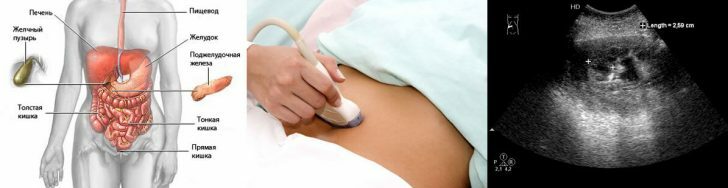
With such symptoms, the child will undergo a comprehensive examination (coprogram, coagulogram, fluoroscopy of the stomach and intestines, ultrasound diagnostics), which will help to identify the cause of pathological changes.

It is necessary to conduct a comprehensive examination of urine, feces and blood
Black threads in a child's feces are in most cases a harmless symptom that is the result of dietary habits or taking certain medications. Nevertheless, in some cases, this symptom cannot be ignored, since it may indicate diseases of the gastrointestinal tract and organs of the hepatobiliary system. Flaxseed oil for constipation, read our article.