Frequent bowel movements in a child, but not diarrhea: norm or pathology, possible causes
inflammation
The appearance of feces, its consistency, smell - all these are the most important indicators of the primary diagnosis of pathologies of the digestive system. In addition to the consistency of feces, stool frequency is also of great importance in assessing the state of health of a child. Normally, a child over three years old should have a bowel movement once a day. For infants, this rate is several times higher and can range from 3-4 to 8 times a day (depending on the age of the baby). If the stool has a liquid or watery consistency, accompanied by intestinal cramps, tenesmus (false urge to defecate), the child is diagnosed with diarrhea, which most often has an infectious nature.

Baby stool characteristics play an important role in the initial diagnosis
In some cases, it happens that the child goes to the toilet several times a day, while he has no signs of intestinal infections. Sometimes such changes are associated with the characteristics of the children's diet and the abundant consumption of certain foods, but in half of the cases, the cause of frequent bowel movements is diseases of the gastrointestinal tract and disturbances in the work of internal organs. To understand whether frequent bowel movements are dangerous in childhood, it is important to understand the causes of this condition and know their features.

Frequent bowel movements in the child, but not diarrhea
Content
- 1 The relationship between defecation and nutrition
-
2 Frequent stools with fermentopathy
- 2.1 What to do?
- 3 Hyperkinetic diarrhea - what is it?
-
4 Frequent bowel movements for diseases of the digestive tract
- 4.1 Crohn's disease
- 4.2 Video: Bєlousova O Yu Crohn's disease in children
- 4.3 Intestinal inflammation
- 4.4 Video - Intestinal infections
The relationship between defecation and nutrition
If a child empties the intestines more than 2 times a day, this condition is considered a deviation from the norm, although it can be considered as a variant of an individual characteristic of the organism. In newborns and children of the first year of life, the number of bowel movements can reach 6-8 times a day (if the child is breastfed) and up to 4-5 times a day if the child receives adapted milk mixture. Stool frequency in infants decreases slightly after complementary foods are introduced: this usually occurs at 7-8 months. After a year, the child can defecate 4 to 3-4 times a day.

The frequency of bowel movements in the newborn
The relative norm for children three years of age and older is 1-2 bowel movements per day. If bowel movements occur more frequently, the child's diet should be analyzed - possibly the child consumes a lot of laxative foods that contain fiber or stimulate the intestines peristalsis. All these products must be present in the child's daily menu, but in limited quantities that correspond to the age norm and physiological needs. Foods containing a lot of mucus, which envelops the feces and stimulates their evacuation into the rectum, can also cause increased stool.

Sources of mucus
Foods that can affect stool frequency in middle and older children include:
- some types of fruits and vegetables (zucchini, pumpkin, prunes);
- cereals with a high gluten content (oatmeal, wheat, barley);
- fermented milk drinks (bifidok, acidophyllin, kefir, yogurt, whey).
Bananas, rice, black bread, pears, rice broth, various types of meat have a firming effect.

Foods affecting stool
Frequent stools with fermentopathy
It is one of the most common causes of stool disorder in children between the ages of 1 and 7. Fermentopathy is a pathological condition in which a sufficient amount of necessary enzymes is not produced in the child's digestive tract (or they are completely absent). Enzymeopathy also includes insufficient enzymatic activity, which leads to a violation of the breakdown and assimilation of nutrients and a slowdown in their absorption.

Enzyme therapy
Signs of enzyme deficiency in children include:
- frequent stools, the consistency of which can change during the day from a watery liquid to a densely shaped sausage;
- a pungent smell of feces (due to rotting products of incomplete breakdown of proteins, fats and other elements);
- an increase in the volume of detritus in the feces (determined by a laboratory method, externally it can manifest itself as a glossy sheen on the surface of excrement);
- anemia against the background of incomplete absorption of iron (pallor of the skin, gray skin tone, dryness and peeling of mucous membranes);
- headaches, weakness, fatigue, decreased academic performance in children who attend educational institutions.

Childhood headaches
Note! Impaired absorption of vitamins, amino acids and mineral salts leads to a decrease in the overall resistance of the body and a weakening of immunity. The child can often get sick with colds and other infectious diseases (including parasitic infestations).
What to do?
If a child is diagnosed with fermentopathy, it is necessary to determine its type: drug therapy of pathology and the subsequent correction of the child's lifestyle depend on this.
Table. Types of fermentopathy in children.
| Variety | Characteristic |
|---|---|
| Hereditary | It develops against the background of genetic changes and the complete absence of one or more digestive enzymes. It is detected mainly in the first year of a child's life and requires lifelong substitution therapy. |
| Alimentary | Chronic eating disorders are the cause. Experts believe that the main factor is insufficient intake of protein from food. |
With any form of enzyme deficiency, the intake of digestive enzymes is indicated ("Festal", "Creon", "Mezim"), but only a doctor should prescribe these drugs, since not all of them are suitable for use in children age. In case of alimentary disorders, it is recommended to increase the proportion of protein products in the children's diet by about 10-15%. It can be meat, cottage cheese, eggs (protein), fish, as well as legumes (chickpeas, peas, lentils, beans).

"Creon"
Important! An increase in the volume fraction of protein products in a child's daily menu is not allowed for kidney disease, as this can lead to the appearance of protein in the urine (proteinuria).
Hyperkinetic diarrhea - what is it?
Hyperkinetic diarrhea is a condition in which intestinal motility increases and the chyme moves rapidly into the rectum. Pathology is often observed in children with diseases of the nervous system, neurological disorders, psychosis (especially in the acute stage). The frequency of stool in this category of children can reach 4-5 times a day, while the excrement has a normal consistency, and their movement through the intestines does not cause pain or discomfort to the child.

Hyperkinetic diarrhea
In adolescents, frequent bowel movements can occur with initial and secondary forms of depressive disorders - psychoemotional disorders, manifested by bad mood, impaired thinking, loss of the ability to experience positive emotions. Parents should carefully monitor their child's condition, since it is lingering depression that is the main cause of adolescent suicide.
The onset of depression can be recognized by the following signs:
- the child experiences changes in the functioning of the body (stools become more frequent, nighttime urge to urinate appears, sleep is disturbed);
- the child tries to spend more time alone, avoids communication with friends and relatives, loses interest in the surrounding events;
- heightened absent-mindedness appears (the teenager does not immediately answer the question asked, concentrates his gaze on one point, suddenly changes the topic of the conversation).

Depressive disorders in children
To correct the emotional state of the child, when the first symptoms of possible deviations appear, it is possible the use of herbal sedatives (Valerian medicinal extract, Motherwort, "Corvalol"). Young children can be given sedatives in the form of pills and syrups: "Hare", "Bayu-by", "Sibiryachok", "Help".

"Help"
Note! Hyperkinetic diarrhea, accompanied by accelerated motility of the intestinal walls, can be a manifestation of insufficient secretion of thyroid hormones (hypothyroidism) or irritable bowel syndrome. In some cases, frequent stools can be observed while taking certain medications, for example, "Magnesium sulfate", antacid drugs (Gaviscon, Rennie) or drugs used for the chemotherapy protocol ("5-fluorouracil").

"5-fluorouracil"
Frequent bowel movements for diseases of the digestive tract
If the child develops frequent bowel movements, but there are no signs of diarrhea, the cause may be disturbances in the functioning of the organs of the gastrointestinal tract. For their diagnosis, laboratory, ultrasound, hardware and instrumental diagnostics are used, which makes it possible to assess the appearance and condition of the mucous membranes. membranes, measure the acidity of the stomach and duodenum, identify ulcerative and erosive defects of the epithelial membrane and signs of tumor processes.

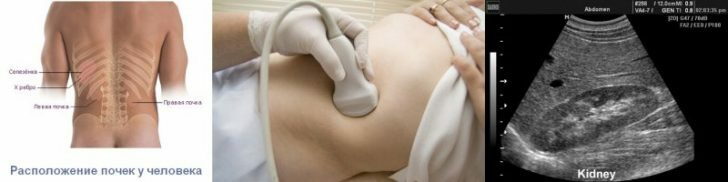
Ultrasound of the abdominal cavity for a child
Crohn's disease
This is a severe systemic lesion of all parts of the digestive tract (granulomatous type), which has an autoimmune nature. In children, the prevalence of the disease ranges from 1.9% to 7.1%. Symptoms of the inflammatory process depend on its location and can manifest as painful spasms. intestines and stomach, frequent bowel movements or, conversely, prolonged constipation, bloating, syndrome flatulence. If the larynx is involved in the pathological process, the child will complain of a sore throat when talking and swallowing.

Crohn's disease
Crohn's disease has a high risk of mortality and almost always leads to disability, therefore an important stage in primary prevention are regular check-ups with a pediatric gastroenterologist, especially if the child is registered with chronic digestive diseases systems.
Note! Disease treatment is always surgical. In advanced forms of the disease, one of the manifestations may be complete fecal incontinence, that is, the frequency of stool can reach up to 6-8 times a day.

Crohn's disease treatment
Video: Bєlousova O Yu Crohn's disease in children
Intestinal inflammation
Inflammation of the lining of the colon is called colitis. Non-infectious colitis can be the result of atherosclerosis of the vessels through which blood enters the various parts of the intestine, autoimmune disorders, blockage of the branches of the abdominal aorta - one of the largest blood vessels in the human organism. In case of poisoning with poisonous substances or prolonged use of medications, the child may develop toxic colitis.

Colitis
The manifestations of colitis in childhood can be:
- frequent bowel movements (stool may occur after each meal);
- pain in the lower abdomen;
- painful contractions of the intestinal walls (spasms);
- tension of the abdominal muscles caused by its bloating and gas movement;
- putrid smell of feces;
- fetid odor from the mouth.

Bad breath in a child
For treatment, medications, medical nutrition, detoxification therapy, vitamin therapy and physiotherapy (after stopping the acute process) are used.
Important! If the child does not receive the necessary treatment for a long time, the mucous membranes can become ulcerated. In this case, surgical therapy may be required using methods of partial bowel resection. Indications for surgery are also thrombosis and progressive ischemia (oxygen deprivation) of the vessels of the colon.

Stages of surgery for laparoscopic anterior rectal resection
Frequent bowel movements in a child are one of the "alarm bells" that may be the first symptoms that the digestive system is not working properly. Ignoring such a condition can lead not only to the progression of the underlying disease, but also to lagging behind in growth and development, as well as to a decrease in immunity. If the child's diet is balanced, contains the age norm of the necessary nutrients and nutrients, but the stool is still frequent, it is necessary to consult a pediatric gastroenterologist.