Operations on the heart and blood vessels: types and indications for their conduct

Content:
- Bypass surgery
- Stenting
Operations on the heart and blood vessels are performed by such a field of medicine as cardiac surgery.
With the help of specialist cardiac surgeons, many vascular and heart diseases can be effectively treated, thereby significantly extending the life of the patient.
Operations on the heart and blood vessels can significantly improve the general well-being of the patient.
They need to be performed only after a thorough diagnosis and preparation of the patient.
It is very important to exactly follow all the instructions of the specialist.
Regardless of what kind of disease was identified in a person, there are the following general indications for operations on the heart and blood vessels:
- Rapid deterioration of the patient's condition and progression of the underlying heart or vascular disease.
- Lack of positive dynamics from the use of traditional drug therapy, that is, when taking pills no longer helps a person to maintain his condition in normal condition.
- The presence of acute signs of deterioration of the underlying myocardial disease, which cannot be eliminated with conventional analgesics or antispasmodics.
- The neglect of the underlying disease, in which the patient hesitated to see a doctor, which led to very severe symptoms of the disease.
These procedures are indicated for patients with heart defects (regardless of whether they are congenital or acquired). Moreover, thanks to current techniques, this ailment can be treated even in newborn babies, thereby providing them with a further healthy life.
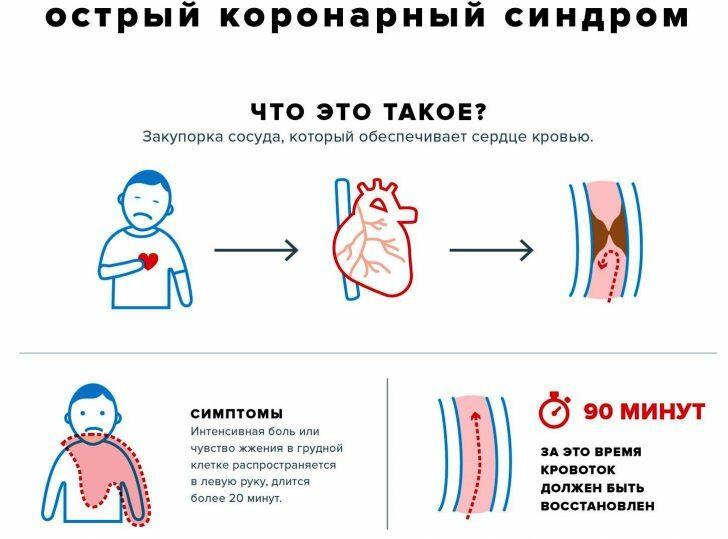
The next common indication is myocardial ischemia. In this case, surgery may be required when the underlying disease is aggravated by a heart attack. In this condition, the earlier the surgical intervention is performed, the more chances that the person will survive.
A significant indication for the need for surgery can be acute heart failure, which provokes an incorrect contraction of the myocardial ventricles. In this case, it is important that the patient prepares for the operation in advance (to avoid a postoperative complication in the form of a blood clot).
More about operations on the heart and blood vessels
- Bypass surgery
- Heart valve replacement
- Stenting
- Rehabilitation after stenting
Often, surgery is required when myocardial valve diseasethat was triggered by trauma or inflammation. Less commonly, other reasons contribute to its appearance.
A serious reason for urgent intervention by surgeons is the diagnosis of narrowing of the coronary valve of the artery, as well as endocarditis of an infectious origin.
Additional diseases in which a person may need to undergo myocardial surgery are:
- Expressed aortic aneurysmwhich may be due to trauma or be congenital.
- Rupture of the ventricle of the heart, due to which the blood flow is disturbed.
- Various types of arrhythmias that can be eliminated by introducing or replacing an already installed pacemaker. They are usually used for atrial fibrillation and bradycardia.
- Diagnosis of an obstacle in the myocardium in the form of tamponade, due to which the heart cannot normally pump the required volume of blood. This condition can occur when influenced by viral infections, acute tuberculosis and heart attack.
- Acute failure of the left ventricles of the myocardium.
It is important
Cardiac surgery is not always necessary for the above indications. Each case is individual and only the attending physician can decide what is best for a particular patient - traditional medication therapy or planned (urgent) surgery.
In addition, it should be noted that heart surgery may be required in case of exacerbation of the underlying disease, as well as if the first surgical intervention did not give the expected results. In this case, the patient may require repeated manipulation. Its cost and preparation features (diet, medication) depend on the complexity of the operation.
Surgical interventions can be practiced both on an open myocardium and on a closed one, when the heart and its cavity are not completely affected. The first type of surgery involves dissecting the chest and connecting the patient to artificial respiration equipment.

In open-type operations, surgeons artificially stop the heart for some time, so that within a few hours they can perform the necessary surgical procedures on the organ. These interventions are considered very dangerous and traumatic, but with their help even very complex myocardial diseases can be eliminated.
Closed operations are more secure. They are usually used to correct small defects of the heart and blood vessels.
There are the following most common types of myocardial operations, which are most often practiced in cardiac surgery:
- Installation of artificial valves.
- Operations according to the Glenn and Ross method.
- Coronary artery bypass grafting and stenting of arteries.
- Radiofrequency ablation.
It is important
All of the above operations have their pros and cons, therefore, for each individual patient, the doctor selects the type of intervention that will be most effective for a particular person.
The operation, called radiofrequency ablation, is a low-traumatic procedure that can achieve significant improvements in heart failure and various types of arrhythmias. It rarely causes side effects and is well tolerated by patients.
RA is done using special catheters, which are inserted under X-ray control. In this case, the patient is given local anesthesia. During this operation, a catheter is inserted into the organ and, thanks to electrical impulses, a normal heart rhythm is restored to a person.
The next type of surgery is heart valve replacement. This intervention is very often practiced, since such a pathology as myocardial valve insufficiency is extremely common.
It should be noted that in the event of a severe failure in the patient's heart rhythm, he may need to install a special device - a pacemaker. It is needed to normalize the heart rhythm.
The following types of implants can be used for prosthetic heart valves:
- Mechanical prostheses that are made of metal or plastic. They serve for a very long time (for several decades), however, they require constant human intake of drugs for blood thinning, since due to the introduction of a foreign object in the body, a tendency to blood clots.
- Biological implants are made from animal tissue. They are very durable and do not require any special preparations. Despite this, patients often need a second operation after a couple of decades.
Glenn and Ross surgery is commonly used to treat children with congenital myocardial defects. The essence of these interventions is to create a special connection for the pulmonary artery. After this operation, the child can live a long time, practically not needing supportive therapy.
During the Ross operation, the patient is replaced with a diseased myocardial valve with a healthy one, which will be removed from his own pulmonary valve.
Operation bypass grafting of cardiac vessels: indications and conduct
 Coronary artery bypass grafting is a surgical procedure on the heart, during which there is suturing an additional vessel in order to restore the impaired blood supply in the clogged blood arteries.
Operation bypass blood vessels of the heart is practiced in the case when the narrowed vessels of the patient no longer respond to drug treatment and the blood cannot circulate normally in the heart, causing ischemic attacks.
Acute coronary aortic stenosis is a direct indication for cardiac bypass surgery. Most often, a neglected form of atherosclerosis leads to its development, which contributes to the clogging of blood vessels with cholesterol plaques.
Due to vasoconstriction, blood cannot circulate normally and deliver oxygen to myocardial cells. This leads to his defeat and the risk of heart attack.
To date, the operation of bypassing the vessels of the heart can be performed both on a beating heart and on an artificially stopped one. It should be noted that if bypass surgery is performed on a working myocardium, then the probability the development of postoperative complications is much higher than during the procedure on a stopped myocardium.
The course of this operation consists in blocking the main aorta and implanting artificial vessels into the affected coronary arteries. Usually a vessel in the leg is used for bypass surgery. It is used as a biological implant.
Contraindications to this surgical intervention may be an existing pacemaker or an artificial valve in the heart, the functions of which may be impaired during such an operation. In general, the need for bypass surgery is determined individually by the doctor for each individual patient, based on the diagnostic data and the patient's symptoms.
After bypass surgery, the recovery period is usually quick, especially if the patient has no complications after the procedure. Within a week after the operation, the patient must comply with bed rest. Until the sutures are removed, a person needs to dress his wounds daily.

After ten days, a person can get out of bed and begin to perform simple exercises of physiotherapy exercises in order to restore the body.
After the wound has healed completely, the patient is advised to go swimming and take regular walks in the fresh air.
It should be noted that the wound after shunting is sutured not with threads, but with special metal staples.. This is justified by the fact that the dissection falls on a large bone, so it needs to grow together as carefully as possible and ensure rest.
To make it easier for a person to move around after surgery, he is allowed to use special medical support bandages. They have the appearance of a corset and perfectly support the seams.
After surgery, due to blood loss, a person may experience anemia, which will be accompanied by weakness and dizziness. To eliminate this condition, the patient is advised to eat properly and enrich his diet with beets, nuts, apples and other fruits.
To reduce the likelihood of re-narrowing of blood vessels, alcohol, fatty and fried should be completely excluded from the menu.
Operation of stenting of cardiac vessels: indications and features of
Artery stenting is a low-traumatic angioplasty procedure, which involves placing a stent into the lumen of the affected vessels.
The stent itself is similar to a conventional spring. It is inserted into the vessel after it has been artificially dilated.
Indications for stenting of the heart vessels are:
- Ischemic heart disease (coronary artery disease), which leads to impaired blood circulation and oxygen starvation of the myocardium.
- Myocardial infarction.
- Clogging of blood vessels with cholesterol plaques, which lead to a narrowing of their lumen.
It is important
The operation of stenting of the heart vessels is contraindicated in case of a patient's blood clotting disorder, as well as acute renal failure.
Additional contraindications to this procedure are the patient's individual intolerance to iodine, which is invariably used during stenting, as well as the case when the total size of the diseased artery is less than 2.5 mm (in this case, the surgeon simply cannot establish stent).

The operation of stenting of the heart vessels is performed by introducing a special balloon, which will expand the lumen of the diseased vessel. Further, a filter is installed in this place, which prevents subsequent blood clots and a stroke.
After that, a stent is inserted into the vessel, it will support the vessel from constriction, serving as a certain frame.
The surgeon monitors the entire course of the operation through a monitor. At the same time, he will clearly see the stent and the vessel, since at the beginning of the procedure, the patient is injected with an iodine solution, which will reflect all the actions of the surgeon.
The advantage of stenting is that this operation has a low risk of complications. Moreover, it is performed under local anesthesia and does not require a long hospitalization period.
After stenting, the patient must remain in bed for a certain time (usually within a week). After that, if there are no complications, the person is allowed to go home.
It is very important to regularly engage in physical therapy and exercise after this operation. In this case, it is worth controlling your condition and not allowing physical overwork.
Every two weeks after the procedure, the patient must necessarily go to the doctor and undergo a control examination. If pain occurs, a person should immediately inform the doctor about it.
To recover faster, the patient should take all medications prescribed by the doctor. Sometimes drug therapy lasts a long time, not one month in a row.

It is imperative that the patient follow a dietary diet after stenting.
It provides for the following:
- Complete rejection of alcohol and smoking.
- Ban on all animal fats. Also, you can not eat caviar, chocolate, fatty meats and sweet pastries.
- The basis of the diet should be vegetable soups, fruit mousses, cereals and herbs.
- You need to eat at least six times a day, but at the same time, the portions should not be large.
- You should completely limit your intake of salt and salted fish.
- It is important to drink plenty of fluids to keep your body hydrated. At the same time, it is recommended to drink fruit compotes, juices and green tea. You can also use rosehip decoction.
In addition, a person needs to control their blood pressure and blood sugar levels. This is especially important in the presence of existing hypertension and diabetes mellitus, because these diseases can impair the work of the heart.
Partial use of site materials (no more than 30% of the content of the article) is allowed only with a hyperlink on www.med88.ru, full use of the article (more than 30% of the article content) is possible only with written permission edition.