A blood clot in the heart: what it is, how blood clots form in blood vessels and how to avoid them

Content:
- How is it formed
- Symptoms
- Prophylaxis
A blood clot is a blood clot that usually occurs in the heart cavity or blood vessels.
In fact, this is a normal natural process - blood clots are responsible for stopping blood flow when capillaries are damaged.
In the event of a cut or abrasion, tiny blood clots close the injury, blocking bleeding.
But if for some reason this process is disrupted, then a terrible disease of hemophilia arises, in which the process of blood coagulation is disrupted.
Hemophilia is a chronic inherited disease. The patient has a much higher risk of hemorrhages, including internal ones.
In this case, the consequences of even the smallest injury can be very sad.
In addition, the following groups of people are at risk:
- smokers;
- women during pregnancy and the postpartum period;
- men over 40 and women over 50;
- girls taking hormonal contraceptives;
- overweight;
- leading a sedentary lifestyle;
- eating foods with excess cholesterol;
- coffee lovers;
- supporters of excessive alcohol consumption;
- patients with malignant tumors or inflammation;
- patients after operations of the abdominal cavity or on large joints;
- according to the latest data, adults with a height of less than 160 and more than 190 cm can be enrolled in the risk group.
The main danger of blood clots lies in the possibility of their movement through the body with the blood stream. At the same time, they are able to clog the vessels encountered on their way - then thromboembolism begins. It, in turn, leads to a lack of oxygen in the tissues and their subsequent necrosis.
In cases where a blood clot blocks the cerebral vessels, it is diagnosed stroke; intestinal circulatory system - intestinal necrosis; coronary artery - heart attack; if the arteries or veins of the extremities are affected, they talk about thrombophlebitis lower extremities, which can provoke gangrene.
Also, a thrombus in the process of migration tends to disintegrate into several parts - then the danger of blocking the blood flow threatens not one vessel, but several.
Blood clot problems
- Detachment of a blood clot
- Thrombophlebitis
- Blockage of blood vessels
A thrombus in the heart - what is it and how does a thrombus form
Those interested in a blood clot in the heart - what it is, how a blood clot forms - should know that the symptoms its occurrence may differ depending on in which part of the body this problem. Common to all forms of thrombosis is the appearance of swelling, venous nodes, bruising, sometimes redness and acute pain when palpating the affected area.

Most often, the detachment of a blood clot occurs in an artery, since there the blood moves faster. Much less often it happens in a vein. In this case, such catastrophic consequences do not occur as in the first case. But this situation still does not pass without a trace, due to the poor outflow of blood in the affected organ, the rapid development of pathogens occurs. As a result, at first the nearby tissues become inflamed, then it spreads throughout the body and sepsis (inflammation) begins.
Also, due to the strong rush of blood and the lack of its full outflow, hemorrhoidal thrombosis often develops.
The types of blood clots and the mechanisms of their formation are subject to the following classification:
-
By structure:
- red (coagulation) - quickly grows in the veins with a slow blood flow;
- white (agglutination) - slowly occurs with rapid blood flow in the arteries and capillaries. Their structure includes leukocytes, fibrin, and a number of platelet cells;
- mixed (mucous structure) - the places of their dislocation are veins, cavities (chambers) of the heart and aortic aneurysm due to a change in the processes of precipitation and gluing of platelets;
- hyaline - appear in the capillaries of various organs (lungs, digestive tract, genitourinary system, brain, etc.) due to the fact that the whole blood of small vessels is presented in greater quantities than plasma.
-
By type:
- parietal - with one end it is attached to the vessel shell, without interfering with the blood flow;
- continued - a variety of the previous instance, differs from it in its greater length;
- lining - covers almost the entire wall of the vessel, leaving only a small gap for the blood flow;
- central - placed in the middle part of the vessel, attached to its walls with harnesses; strongly interferes with blood flow;
- occluding - almost entirely (more than 50%) blocks the space of the vessel, significantly blocking the blood flow; usually appears on small arteries and veins in the process of increasing parietal blood clots, less often forms on large arteries (for example, carotid) and the aorta.
-
By size:
- spherical - an increasing formation of the left atrium, which has a high probability of separating from the inner wall of the organ;
- progressive - it grows in the direction of blood flow, spreads along the walls of blood vessels, reaching the veins;
- dilated thrombus - is formed in the aneurysm cavity, reaching a significant size, because of which it breaks off, blocking the blood flow.
-
By location:
- migratory (wandering);
- arterial;
- venous.
Everyone should know about a blood clot in the heart - what it is, how a blood clot forms. They most often occur with physical inactivity (sedentary lifestyle), frequent stress and nervous breakdowns, abuse of bad habits, lack of health care, excessive use medicines. Often blood clots appear due to impaired blood clotting function, which provokes a lack of platelets and damaged vascular walls.
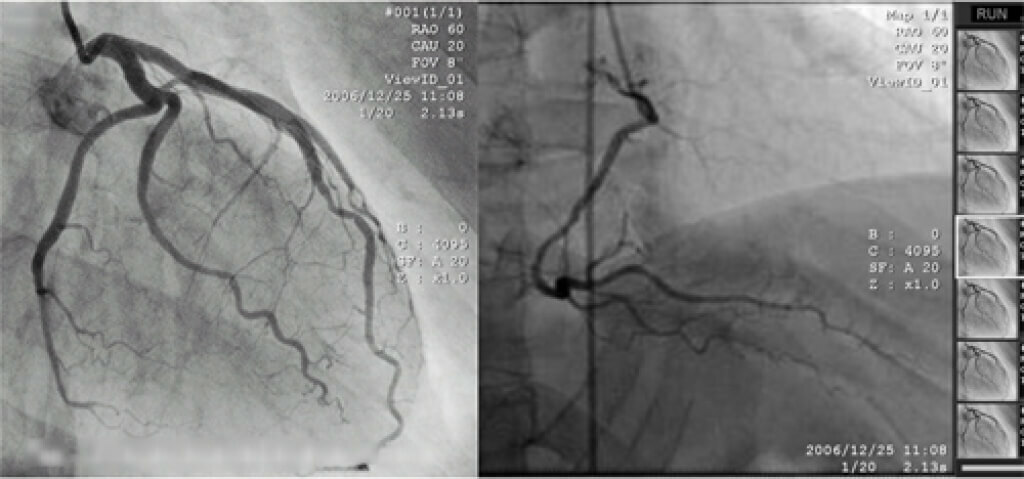
It should be clarified that a blood clot in the heart can only be talked about when the clot develops in the intracardiac cavities of the atria or ventricle. However, more often the "plug" appears in the coronary (cardiac) or cerebral (cerebral) vascular structures.
If a thrombus is detached, then complications with pronounced symptoms of impaired blood flow in different organs can be expected:
- blockage of cerebral vessels characterized by manifestations of ischemic stroke;
- embolism of one of the coronary arteries causes a sharp myocardial infarction;
- thrombosis of the arteries of the upper and lower extremities can lead to gangrene and amputation of an arm or leg.
Many do not know about the seriousness of such an ailment as a blood clot in the heart - what it is, how a blood clot forms. But such formations are the most common cause of embolism in the aorta and arteries coming from it. If the detached clot completely blocks the vessel, this can lead to a tragic outcome.
What causes blood clots in the vessels and the first symptoms, depending on the location
Recently, people are increasingly interested in what causes blood clots in blood vessels. Experts name 3 main reasons for the generation of blood clots: violation of the integrity of the vascular walls, dysfunction of blood clotting or its increased viscosity, as well as disturbances in blood flow - stagnation.
In the first case, the protective function of the body is triggered - it is necessary to "patch" any damage. With the course of certain diseases, for example, the development of atherosclerotic plaques, the walls of the vessels atrophy and become damaged. In this case, the blood clot considers it his duty to "repair" wounds and cuts. Therefore, such places pose an increased risk of thrombus formation.

Increased viscosity can also cause blood clots. It occurs due to a violation of blood clotting and dehydration of the body with autoimmune, genetic or cancer diseases.
From ignorance of the information about why blood clots form in the vessels, blood stagnation can occur. It is observed mainly in those who lead a sedentary lifestyle - due to old age, long being in bed after surgery, working conditions, and simply because of a banal laziness. Also, jumps in blood pressure can affect this - with sharp drops, the blood in the vessels moves unevenly, therefore, blood clots form on their branches.
In the head, clots form in the capillaries, arteries, venous sinuses, and veins. With thromboembolism of the cerebral vessels, there are problems with speech and breathing, swallowing food, the face is noticeable tilts, numbness of the limbs and symptoms occur, the less time remains before ischemic stroke.
Moreover, this problem may arise not only among alcohol lovers or old people. Stroke often affects young people and even newborns. Sometimes this leads to fatal consequences.
With coronary thrombosis, the blood supply to one of the three arteries initially slows down, and if untreated, it is completely blocked. This causes a heart attack, which causes myocardial infarction.
It has the following symptoms:
- sharp pain in the region of the heart, radiating to the abdomen, right or left arm, jaw, ear;
- arrhythmia;
- difficulty breathing;
- dizziness and fainting.
Complications after myocardial infarction can be left ventricular thrombosis and atrial and atrial appendage thrombosis.
When limbs are affected, they become cold to the touch, edema occurs, the affected part of the body first turns red, then turns blue. The patient in such cases feels severe pain. With the development of the disease, changes in body temperature, chills, and pressure surges are observed. Thrombophlebitis is able to add to this peeling of the skin of the affected area, hematomas, in especially advanced cases - trophic ulcers.
Also in the small peripheral vessels of the legs, hyaline thrombi are formed, consisting of plasma proteins, erythrocytes and destroyed platelets. In this case, cramps are recorded in the calves, and swelling occurs for a short time. If the disease is in an advanced state, the brown-brown color of the skin of the affected limb becomes a clear symptom.
Those who know what blood clots form from, to prevent blood clots in the lower extremities, from time to time do contrast baths for legs, walk barefoot on relief surfaces, try to swim more, regularly rest their legs, lifting them up for a reverse outflow blood. They also claim that self-massage and wearing compression underwear are very useful.

Often, a detached blood clot from the lower extremities quickly reaches the respiratory system and instantly blocks the blood flow. In this case, thromboembolism of the pulmonary arteries is diagnosed, which in most cases is very dangerous - death can occur within 10 minutes after the appearance of a blood clot in the lungs. Detachment occurs with sudden movements or injuries.
The main sign of intestinal thromboembolism is acute pain in the abdomen, radiating to the clavicle or shoulder. Vomiting, nausea, diarrhea, or, conversely, constipation are observed. If you do not consult a doctor in time, peritonitis (inflammation of the peritoneum) and necrosis (necrosis and gangrene of tissues) develop.
The main reasons for tearing off blood clots are called the acceleration of blood flow when it is freely placed in the vessel. In addition, the process can provoke inflammatory processes at the site of attachment of the substance, vascular damage, excessive physical activity.
Blood cholesterol
- Cleaning of blood vessels
How to avoid thrombosis in blood vessels: prevention and treatment measures
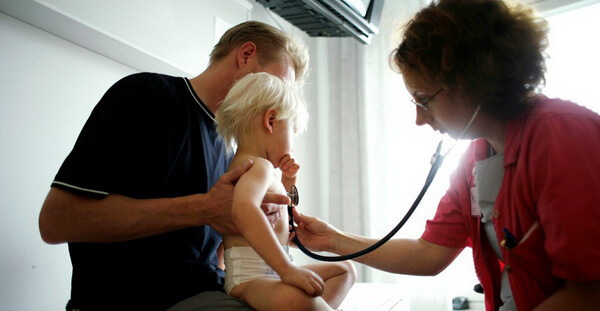
 Those who do not know how to avoid thrombosis, at the slightest suspicion of the presence of clots, should visit a doctor - let it be better if he laughs at the patient's suspiciousness than the time will be wasted when you can easily cope with disease.
Modern diagnostic methods make it possible to determine the formation of pathological clots at the earliest stages of formation.
First, the specialist will interview the patient and find out if there are primary signs of the onset of the disease.
After that, the doctor will give directions for the delivery of biomaterial for analysis:
- general blood analysis;
- coagulation studies - coagulogram;
- sowing for sterility.
It will also be necessary to conduct an ultrasound of the vessels, phlebography (x-ray examination of the veins), arteriography. In some cases, it is recommended to undergo an MRI, computed tomography, and an ECG of the heart. Only at the end of all research is the doctor able to make an accurate diagnosis and begin the treatment process.
The overwhelming number of deep vein thrombosis develops after fractures of the hip or leg bones, especially in cases where surgery was chosen as the method of their treatment.
The most dangerous doctors consider floating thrombi (attached to the vessel shell at one end), formed in the veins of the small pelvis - when they rupture, they most often become the culprits of pulmonary thromboembolism arteries.
Blood clots are treated with standard drug therapy and surgery. Therapeutic treatment includes taking thrombolytics and anticoagulants in pill form. In emergency cases, drugs are administered intravenously. These drugs contribute to the dissolution and complete destruction of the thrombus. In addition to special pills, many experts recommend that their patients over 40 take small doses of Aspirin to thin the blood.
If blood clots are found that move freely through the veins, they practice dressing it or installing special "traps" for clots - cava filters. These are devices that are placed in the inferior vena cava. They prevent the further passage of a blood clot through the body - into the vessels of the heart, lungs and other organs.
There are also non-drug ways to get rid of thrombosis - special massage and physiotherapy exercises. This also includes the bandaging of the affected limbs and the use of compression hosiery. Elastic bandage and special threads in the composition of medical wardrobe items squeeze deep veins, which improves blood circulation. It should be remembered that compression stockings and bandages should not be used during an exacerbation of pain.

Thrombosis has recently become significantly "younger", so even young people are interested in how to avoid blood clots in the vessels. Unfortunately, it often happens that thrombosis is asymptomatic, so the patient at a critical moment immediately falls on the surgeon's table. Surgery is an extreme measure, used only in the event of a sudden attack or when medical methods are ineffective.
There are several types of surgery:
- shunting - a thrombus is left in place, and to restore blood circulation, a new vessel is installed or a connection with another vessel is made bypassing the clot;
- stenting - a special drainage (stent) is introduced into the affected vessel, expanding the lumen of the artery and contributing to normal blood flow;
- thrombectomy - removal of a blood clot from a vessel.
Doctors never tire of repeating: it is easier to prevent a disease than to cure it, so everyone should know how to avoid blood clots in blood vessels.
To prevent blood clots, they recommend the following preventive measures:
- normalization of nutrition;
- increased motor activity;
- control over blood viscosity.
The first point calls for giving up fried and fatty foods rich in cholesterol. At least twice a week, fish and seafood should be present in the diet - for example, seaweed. You should eat more vegetables and fruits, greens. You need to try to eat more buckwheat, offal, citrus fruits, apples, in season - cherries and cherries. Raw onions and garlic are good for any season.
Women should stop taking birth control pills and choose other means of contraception.
In the prevention of thrombosis, smoking cessation and excessive alcohol doses are required. At the same time, no one says that alcohol should not be touched at all - 30 g of vodka or 100 g of red wine once a day are even beneficial for the body.
Those interested in how to avoid thrombosis will have to force themselves to move more. But do not be afraid - it will be so only at first. In the future, the body will get used to new loads, and will perceive them as something quite natural. It goes without saying that you should not jog 10 km on the very first day of classes. City dwellers can simply start to ignore the elevator and walk up the stairs to their apartment or workplace. Some people prefer to change their public transport stop - when leaving for work or home, they pass
 If there is a desire and opportunity, you should not neglect cycling, swimming - in a pool or pond, walking, exercising in the morning.
For those whose work duties involve long periods of being in one position - for example, with frequent flights - doctors advise the use of compression garments to prevent thrombosis. If possible, you should get up from time to time, knead stiff limbs, doing simple exercises - bending, squatting, jumping.
To thin the blood, men over 40 and women over 50 are advised by doctors to take Aspirin or similar medications (for example, Warfarin). Also, for this purpose, you should drink more liquid - at least 2 liters per day. It can be green tea, freshly squeezed juice, pure boiled water, herbal infusions. True, in the latter case, a specialist consultation is required.
It is also necessary for hirudotherapy - treatment with leeches. Their saliva has the ability to thin the blood and dissolve the resulting clots. In addition, the use of these worms renews the lymph and thereby strengthens the immune system, as well as normalizes the production of hormones.
And in conclusion: in no case should you postpone a visit to the doctor, even with the slightest suspicion of a blood clot. And under no circumstances should you self-medicate - this ailment can severely pay back for neglect.
Partial use of site materials (no more than 30% of the content of the article) is allowed only with a hyperlink on www.med88.ru, full use of the article (more than 30% of the article content) is possible only with written permission edition.