Arrhythmia of the heart: signs, symptoms, causes, diagnosis, treatment, prevention

Content:
- Classification
- Symptoms
- Fibrillation
- Home treatment
Not a single person is immune from the occurrence of CVS pathologies. Wrong lifestyle, unbalanced unhealthy diet, the presence of addictions and concomitant diseases, inactive lifestyle, drug abuse or inappropriate use - all this can provoke the appearance of malfunctions hearts.
Normally, the heart of a healthy adult is contracting.
But it happens that the rhythm of the heart is disturbed for some reason.
An ailment characterized by a violation of the frequency or regularity of the normal heart rhythm, as well as electrical conduction, is called arrhythmia.
It is important to understand that this is not a specific disease, but a group of cardiac contractions.
Pathology can be characterized by an absolutely asymptomatic course, or it can be accompanied by interruptions in the functioning of the heart (increased or slowed heart rate).
Often there are complaints of frequent dizziness, soreness in the chest, fainting, weakness, a feeling of lack of oxygen.
Treatment of pathology should be expedient and immediate, and it should begin with the treatment of a disease or syndrome that provoked a heart rhythm disturbance. Arrhythmia can provoke the occurrence of failures in the work of the CVS, as well as in the functioning of others organs and systems of the body, and can itself be a complication of various serious and even dangerous pathologies. Lack of therapy can provoke the development of angina pectoris, thromboembolism, acute heart failure, and untimely first aid can cause sudden death.
According to statistics, heart rhythm disturbances in about fifteen percent of cases are the cause of death from CVS pathologies. Any person can face arrhythmia, regardless of gender and age. The development of sinus arrhythmia in a child is not excluded. Quite often, the disease is diagnosed during pregnancy.
 Regardless of the cause of the pathology, therapy should be timely and correct. It is important to understand that this is the only way to prevent the development of complications.
Correct contractions of different parts of the heart provide specific muscle tissue of the myocardium. The driver in this system is the sinus node, but since it is less excitable, the atria contract first, then the bundle of His and the rest of the divisions and ventricles.
The defeat of this system is fraught with the development of arrhythmias, and certain parts of it, for example, the atrioventricular node, are fraught with conduction disturbances (blockades).
Arrhythmia, as already mentioned, can develop against the background of various CVD diseases. But often the onset of pathology is due to:
- high blood pressure;
- the presence of addictions: alcohol abuse, smoking;
- the presence of diabetes mellitus;
- abuse of products containing caffeine;
- excessive physical exertion;
- frequent shocks, stress, as well as disorders of the nervous system;
- irrational use of certain medications;
- myocardial infarction, as well as subsequent cicatricial changes in muscle tissue (it is the scars that interfere with the normal formation and transmission of the bioelectric impulse);
- improper blood circulation;
- significant damage or death of areas of the myocardium;
- the presence of coronary heart disease. This ailment often provokes the development of ventricular arrhythmias (ventricular fibrillation or ventricular tachycardia). Often, IHD becomes the cause of sudden coronary death;
- cardiomyopathy;
- genetic predisposition. The development of arrhythmia is more susceptible to people with congenital defects in the development of the heart muscle and coronary vessels (supraventricular tachycardia or WPW-Wolff-Parkinson-White syndrome);
- the presence of thyroid pathologies. Hyperthyroidism provokes an increase in the production of hormones, which causes an acceleration of metabolic processes and, in general, an irregular contraction of the myocardium. Hypothyroidism, on the contrary, provokes a decrease in metabolism, which becomes the cause of the development of bradycardia or extrasystole;
- electrolyte imbalance. High or low content of elements in myocardiocytes, for example, sodium or potassium, often causes cardiac rhythm disturbances;
- the use of psychostimulants.
Allocate sinus and paroxysmal (accompanied by paroxysm - an attack) tachycardia, sinus bradycardia and tachycardia, ventricular tachycardia and extrasystole, supraventricular tachycardia, atrial fibrillation, extrasystole, atrial fibrillation, heart block.
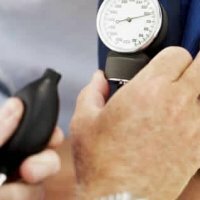
Arrhythmias are amenable to therapy. In mild degrees, the use of tablets and herbal preparations is prescribed, which help to improve the work of the CVS. In advanced cases, an operation, in particular ablation, can be performed. Minimizing physical activity, breathing exercises, adherence to a diet, taking pills and vitamins prescribed by a doctor, monitoring and periodic measurement of pressure (using a tonometer) and counting the pulse - all this will help in the treatment of pathology.
If there is a malfunction in the work of the CVS, make an appointment with a cardiologist. He, using a survey, measuring pressure and counting the pulse, as well as conducting an ECG, diagnoses an ailment and prescribes treatment.
Types of arrhythmias
- Sinus bradycardia
- Ventricular
- Cardiopalmus
Cardiac arrhythmia: classification, prognosis and complications
Cardiac arrhythmias can be atrial, ventricular, sinus and atrioventricular. Depending on the frequency and rhythm of the SS, several groups of disorders are distinguished: bradycardia, tachycardia and arrhythmia.

Arrhythmias of the heart, provoked by a violation of the formation of an electrical impulse, include heterotopic and nomotopic arrhythmias. In addition, there are sinoatrial, intra-atrial, atrioventricular block, intraventricular block of the bundle branch.
Extrasystole can accompany any ailment of the CVS, or it can be the result of mental and emotional disorders, as well as malfunctions of the ANS. Often, the ailment does not have any symptoms at all.
Atrial fibrillation occurs, as a rule, against the background of ischemic heart disease and thyroid diseases and is accompanied by a sensation "Bubbling" in the chest, malfunctions in the functioning of the CVS, malaise, shortness of breath, soreness in the chest, a feeling of fear and lack of air.
The attack of atrial fibrillation does not last long, just a few minutes. There is no need to take medications for an attack. However, along with this, the disease does not disappear by itself. He needs therapy.
As for sinus arrhythmia, its main manifestation is an irregular sinus rhythm, which can be accelerated or, on the contrary, slowed down. A respiratory form of pathology is distinguished, accompanied by a doubling of the heartbeats on inspiration, and, therefore, their decrease on expiration.
Shortness of breath, fainting, fast or slow heartbeats, and soreness in the heart are the main manifestations.
Atrial fibrillation - an increase in the SS frequency to three hundred and more beats / min. The development of the disease is caused, as a rule, by the presence of pathologies of the heart and vascular system, surgery. In healthy people, this type of cardiac arrhythmia does not occur.
Atrial fibrillation is accompanied, as a rule: palpitations, malaise, dizziness, fainting, lowering blood pressure. In the future, in the absence of therapy, there is a complication of symptoms. In this case, the pulsation of the cervical veins joins all manifestations, exceeding the frequency of heart contractions by three or more times.
What about supraventricular tachycardia, it is atrial arrhythmia (tachycardia), then this type of pathology is characterized by a periodic acceleration of the SS due to stress, fever, physical exertion, intoxication. An ailment is accompanied in addition to a rapid heartbeat: darkening in the eyes, malaise, frequent urge to urination, heartbeat sensation, sweating, chest pain, fainting, shallow breathing.
Ventricular arrhythmia of the heart implies an acceleration of the heart rate out of the ventricles. Allocate persistent and unstable ventricular tachycardia. Unstable passes quickly. Its course is practically asymptomatic. There may be complaints of soreness and discomfort in the heart, fainting, irregular heartbeat.
What about persistent ventricular tachycardia, then it is characterized by fluctuations in systolic blood pressure, sweating, loss of consciousness.
Ventricular fibrillation characterized by a disorganized and continuous flow of impulses from the ventricles, followed by their flutter. As a result, the possibility of ventricular contraction is excluded. This condition requires immediate hospital treatment.
 Untimely assistance to the patient (defibrillation), within ten minutes, is fraught with death. The main manifestation of ventricular fibrillation is circulatory arrest. In addition, the disease is characterized by fainting, seizures, involuntary bowel movements and urination, and dilated pupils.
With regards to heart block, this violation means a slowdown in the supply of impulses by the conducting system of the heart. The onset of the disease is due to: the use of certain medications, as well as such ailments as heart attack, myocarditis, cardiosclerosis.
Therapy for any type of arrhythmia must be correct and timely. In addition to the use of medications, surgery is often prescribed, in particular ablation (which consists in cauterizing the tissues of the heart). In the early stages of pathology, or as a prophylaxis, it is recommended to use folk remedies, in particular hawthorn tincture.
Ignoring the pathology and the lack of treatment is fraught with the development of dangerous diseases, such as: pulmonary edema, thromboembolism, acute heart failure. Untimely assistance can be fatal.
As for the prognosis, you should know that some varieties, for example, supraventricular extrasystole, do not pose a threat to the patient's life.
Atrial fibrillation, on the contrary, is fraught with ischemic stroke, severe heart failure. The most dangerous arrhythmias include fibrillation and ventricular fibrillation. These violations pose a great threat to life and require immediate resuscitation measures.
More about arrhythmia
- Ventricular extrasystoles
- Extrasystole treatment
Cardiac arrhythmia: symptoms, diagnosis
Cardiac arrhythmia, the symptoms of which are described above, is a very serious pathology that requires immediate therapy. Knowing how heart arrhythmia manifests itself, you will be able to provide first aid in time, and thereby prevent disastrous consequences.

As a rule, with cardiac arrhythmias, complaints are received about:
- rapid or slow heartbeat;
- failures in the work of the heart;
- suffocation;
- malaise;
- dizziness;
- shortness of breath;
- soreness and discomfort in the chest;
- fainting;
- excessive sweating;
- feeling of lack of oxygen.
In order to identify cardiac arrhythmias, the symptoms of which you already know, the doctor, in addition to interviewing, measuring blood pressure and counting the pulse, will prescribe the following:
- electrocardiography;
- daily Holter monitoring;
- echocardiography.
In addition, orthostatic tests and stress tests are performed.
Cardiac arrhythmia, the symptoms and manifestations of which can be dangerous, requires timely therapy. This is the only way to normalize the work of the heart and prevent the occurrence of complications.
Cardiac fibrillation: medical and surgical treatment
Fibrillation of the heart (atria, ventricles) is a very dangerous pathology characterized by impaired blood circulation. Normally, the muscle fibers of the heart muscle contract correctly and in a coordinated manner. With cardiac fibrillation, some groups of fibers contract in an uncoordinated manner, which is the reason for the disturbance of blood flow.

Drug therapy of arrhythmias, in particular persistent cardiac fibrillation, consists in the use of blockers:
- calcium channels: Verapamil, Diltiazem;
- sodium channels: Novocainamide, Lidocaine;
- beta blockers: Metoprolol, Atenolol, Bisoprolol;
- potassium channels: Sotohexal, Kordarona.
The use of cardiac glycosides, magnesium and potassium salts is often prescribed. At the time of first aid, it is recommended to use: with bradycardia, accompanied by fainting - Adrenaline, Dopamine, Atropine; with tachycardia - Verapamil, ATP; with tachycardia of the ventricular type - Lidocaine, Cordaron.
Often, doctors prescribe Propanorm for arrhythmias as an effective antiarrhythmic drug. This drug is effective in treating disorders such as cardiac fibrillation, WPW syndrome, and supraventricular tachycardias.
Surgery
Non-drug methods of treating pathology include:
- electrocardiostimulation;
- radiofrequency ablation;
- implantation of a cardioverter-defibrillator.
Pacemaker implantation contributes to the normalization of the heart rate in bradycardia and atrioventricular blocks. As for the implanted cardioverter-defibrillator, it is sutured to people at high risk of developing ventricular tachyarrhythmias.
Ablation is an effective method of cauterizing areas of the heart and preventing complications from developing.
With regard to open surgery, it is performed with cardiac arrhythmias, provoked by heart valve defects and left ventricular aneurysm.
Arrhythmia syndrome: treatment with folk remedies at home and prevention
 Therapy of arrhythmia syndrome by unconventional methods will be effective in the case of mild types of ailment. Moreover, it can be used only with the permission of the attending physician and only after differential diagnosis.
Alternative treatment will be ineffective for arrhythmia syndrome due to a genetic predisposition, in particular WPW syndrome, when additional pathways appear. Because of this, the impulse does not enter the AV node (located between the ventricles and the atria and is the only site through which the impulse is transferred to the ventricles).
Do not self-medicate. Remember, arrhythmia syndrome is a dangerous pathology, it is not a spur on the heel, and it will not be possible to cure the disease with drugs from the people alone. Treatment should be comprehensive.
Recipes for effective drugs
- Brew thirty grams of dried chopped cornflower flowers in two hundred milliliters of boiling water. Put the product in a warm place for an hour. Drink a quarter glass of the strained drink three times a day. The tool will alleviate the patient's condition and contribute to the normalization of the heart.
- Steam a spoonful of dried finely chopped valerian rhizomes in three hundred milliliters of freshly boiled water. Let the composition brew. Take a spoonful of the expelled product four times a day.
- Brew twenty grams of dried calendula flowers in half a liter of boiling water. It is necessary to insist the composition in a thermos for two hours. After filtering, take 30 ml of the drug four times a day.
- Steam rosehip seeds - 15 grams in freshly boiled water - 200 ml. Place the container in a warm place for two hours. Strain the composition, and then combine with honey - 20 grams. Drink 50 ml of the drink three times a day, before meals.
Remember, arrhythmia syndrome is a serious illness that requires immediate treatment. It is important to understand that it is easier to prevent the development of arrhythmia than to subsequently treat it. For this purpose, it is recommended to timely treat cardiac pathologies, as well as ailments of the thyroid gland, abandon addictions, lead an active and healthy lifestyle.
Partial use of site materials (no more than 30% of the content of the article) is allowed only with a hyperlink on www.med88.ru, full use of the article (more than 30% of the article content) is possible only with written permission edition.