Hypertensive crisis: symptoms, classification of pathology and first aid to the patient

Content:
- Symptoms
- Treatment
- Consequences
One of the pathological conditions of the body requiring immediate medical attention is a hypertensive (hypertensive) crisis. This condition occurs if a person has a sharp increase in blood pressure (BP). An attack can provoke serious organic changes in organs and systems. The nervous, cardiovascular systems and large vessels are most susceptible to negative influence. The pathology was assigned protocol code E-004, classification JNC-6. ICD-10 codes are categorized by type of hypertension and associated complications.
The pathological process occurs if blood pressure rises to 220/120 mm Hg and above. However, due to the individual characteristics of a person, this figure may be lower, especially in people who do not suffer from hypertensive conditions.
The development of a crisis is facilitated by hypertension, concomitant ailments (for example, disruptions in work heart), as well as a low level of adaptive reactions of the body, which normally prevent an increase in HELL. The duration of a hypertensive attack is from several hours to two, three days.
There are two ways of development of the pathological process, cardiac and vascular:
- Cardiac. Heart dysfunctions lead to increased cardiac output and blood flow. This is due to tachyarrhythmias, increased myocardial contractility, valvular pathology characterized by excessive filling of the heart chambers and other pathologies, as a result of which the volume of circulating blood.
- Vascular. This pathway of the occurrence of a hypertensive crisis is due to an increase in vascular resistance with an increase in the tone of arterioles.
A hypertensive crisis is usually diagnosed in hypertensive patients who do not receive adequate treatment. However, it can also occur as a concomitant phenomenon against the background of exacerbation of other serious pathologies. The reasons for the development of a hypertensive crisis are divided into two groups: exogenous and endogenous.
Exogenous (external):
- severe stress or prolonged psycho-emotional stress;
- passion for alcoholic beverages and strong coffee;
- excessive salt intake;
- refusal of treatment with drugs that lower blood pressure;
- a sharp change in the weather;
- head injury.
Endogenous (internal):
- hormonal disruptions;
- aortic atherosclerosis;
- urodynamic disorders in renal diseases;
- prolapse of the kidneys (nephroptosis);
- violation of urination due to prostate adenoma;
- cardiac pathologies: asthma, left ventricular failure, tachycardia and others;
- cerebral ischemia;
- adrenal gland tumors (pheochromocytoma).
A hypertensive crisis is diagnosed in about one percent of hypertensive patients. Risk factors for the occurrence of pathology are heredity, excess body weight, alcoholism, and the use of hormonal contraceptives. The likelihood of a hypertensive state increases during menopause, in the presence of heart disease and impaired removal of water from the body.
Hypertensive crisis: symptoms depending on the type of attack
A hypertensive crisis is classified according to various criteria. The difference is expressed in the mechanism of seizure development, clinical manifestations, concomitant pathologies, complications, etc.
Symptoms of the manifestation of an attack of different types of crisis differ. Especially important is such a characteristic as a complicated and uncomplicated hypertensive crisis, since manifestations of concomitant pathologies are added to the symptoms.

According to the mechanism of development, hyperkinetic, hypokinetic, eukinetic crises are distinguished.
-
Hypokinetic. An attack is possible when peripheral vascular resistance increases, while cardiac output, on the contrary, decreases. Thus, the indicator of diastolic (lower) blood pressure rises.
If there is a hypokinetic hypertensive crisis, symptoms develop slowly, increasing. At the time of the attack, the patient has poor vision and hearing. He feels weakness, nausea, dull pain in the head.
This type of crisis manifests itself in patients who suffer from high blood pressure for a long time. Frequent and prolonged attacks lead to ischemic stroke. -
Hyperkinetic. It is characterized by an excess of the norm of systolic (upper) blood pressure, due to an increase in cardiac output. At the same time, there is no increase in peripheral vascular resistance. In some cases, the lower blood pressure may decrease slightly.
Symptoms of this type of hypertensive crisis are manifested instantly by a sensation of heat, tremors in the body, sweating, a sharp onset of headache and nausea. In rare cases, vomiting is possible. A jump in blood pressure can be accompanied by an increase in heart rate and soreness in the projection of the heart.
A hyperkinetic crisis is observed in the early stages of hypertension, and does not last long - minutes or a few hours. The attack usually resolves without complications. -
Eukinetic. It is characterized by a simultaneous increase in two pressure indicators. Thus, cardiac output remains normal, and resistance in the peripheral vessels increases.
Symptoms, a hypertensive crisis of the eukinetic type is similar to a hyperkinetic attack, but manifests itself less rapidly. A person has painful sensations in the head, on the left side of the chest, coordination, vision is disturbed, nausea appears.
Since the eukinetic crisis is observed in patients suffering from high blood pressure for a long time, it is dangerous for the development of left ventricular heart failure.
Depending on the target organ damage, a hypertensive crisis can be uncomplicated and complicated:
-
Uncomplicated. This type of attack manifests itself in patients whose blood pressure has begun to rise steadily relatively recently. These attacks develop quickly and are short-lived.
Symptoms of uncomplicated hypertensive crisis are characterized as acute headache, tremors and chills of the body, cold sweat on the skin. A person may experience overexcitement, anxiety, shortness of breath. His heart rate quickens, red spots appear on the skin, there is pain in the projection of the heart.
Uncomplicated hypertensive crisis rarely affects target organs and is quickly stopped with hypothetical drugs. However, you cannot wait for the attack to pass on its own; emergency measures should be taken. -
Complicated. The most common violation of a complicated form of crisis is manifested in the development of hypertensive encephalopathy. This pathology is expressed in damage to brain tissue caused by a prolonged increase in blood pressure or frequent seizures. Hypertensive encephalopathy, in turn, is dangerous with stroke, decreased mental abilities, idiopathic Parkinson's syndrome and other ailments.
Complicated hypertensive crisis, the symptoms of which are very acute, can cause the following pathologies:- edema of the lungs and brain;
- damage to the retina;
- left ventricular failure;
- myocardial infarction;
- vascular lesions;
- heart rhythm disturbances;
- kidney failure;
- angina pectoris;
- ischemic stroke.
 Complicated hypertensive crises last up to two or three days.
Symptoms are progressive. A person is tormented by headaches, shortness of breath, nausea, vomiting.
He feels weak, reactions become inhibited, hearing and vision are reduced. The skin becomes cold and dry to the touch. This type of crisis requires immediate assistance to the patient.
In a complicated form of an attack, cerebral and coronary crises are distinguished.
- Cerebral. This subspecies of crisis is manifested by a violation of the blood supply to the brain and is characterized by general cerebral symptoms. How a person will feel depends on which brain center suffers. For example, when hypothalamic function is impaired, patients become very sensitive to weather changes. (lowering of barometric pressure), and malnutrition of the brain stem leads to double vision and dizziness.
- Coronary. It is characterized by impaired blood circulation of the heart, leading to oxygen starvation of the organ and the development of coronary insufficiency.
According to the classification of M.S. Kushakovsky crises are divided into three types: neurovegetative, edematous and convulsive.
- Neurovegetative. It is characterized by hyperexcitability, hand tremors, fever, sweating, and frequent urination. This symptomatology occurs as a result of a powerful release of adrenaline into the bloodstream.
- Hydropic. It is manifested by a decrease in the frequency of the urge to urinate, tissue edema, drowsiness, disorientation in space. Often occurs when a person drinks a lot of water and at the same time eats too salty food.
- Convulsive. The most severe form of an attack, in which the patient can lose consciousness, and even memory. The symptomatology is characterized by seizures. This type of crisis manifests itself in severe hypertension and can cause cerebral hemorrhage.
Hypertensive crisis: diagnosis, emergency care and treatment
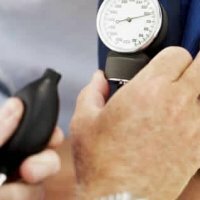
 In order to diagnose pathology, blood pressure should be measured periodically. In this case, it is necessary to take into account the individual characteristics of a person. For one, the indicator 160/110 is familiar and the pressure jump is not too hard to bear, while for the other it can lead to a hypertensive crisis.
In order to assess the severity of the hypertensive crisis and identify concomitant pathologies, the patient is referred to narrow specialists: an ophthalmologist, a neurologist and a cardiologist.
Diagnostic methods:
- daily monitoring of blood pressure;
- echocardiogram;
- ultrasound examination of the heart;
- rheoencephalography;
- electroencephalography;
- analysis of urine and blood (the amount of potassium and creatinine is determined).
How to provide first aid?
A feature of a hypertensive crisis is that it most often manifests itself against the background of good health. This usually happens when the patient makes an independent decision to stop taking antihypertensive drugs prescribed by the doctor.
When a crisis occurs, you should immediately call an ambulance. The patient and loved ones who are nearby need to remain calm and take the necessary measures before the arrival of doctors.
A person experiencing a hypertensive crisis should be put to bed in a half-sitting position and the collar of his shirt should be unbuttoned. On the lower limbs, you need to put a heating pad or cover them with a warm blanket. Mustard plasters placed on the shins warm the legs well. To ensure the flow of fresh air into the room, you need to open the window.
To lower blood pressure, the patient is given a drug that he usually takes. If the patient has a severe headache, then you should give him a diuretic pill. In the case when the symptoms are manifested by pain in the projection of the heart, you need to take validol or put a nitroglycerin tablet under your tongue.
If the hypertensive crisis is uncomplicated, then it is enough to take one or two tablets of Captopril or its analogues. If the tablets do not help, then you need to inject magnesium sulfate, Nimodipine, Obzidan, Dibazol or Pentamin.
Clonidine significantly reduces blood pressure. It is also used if the pathological process is accompanied by tachyarrhythmia. The drug in the form of a 0.01% solution is administered intramuscularly or intravenously in a volume of one milliliter.
In order to eliminate general cerebral symptoms, the drug Droperidol should be used. It lowers blood pressure slightly, but quickly improves the patient's well-being.

In addition to antihypertensive drugs, the patient is given drugs that eliminate the symptoms of concomitant pathologies.
All medications that must be given to a patient in a crisis must be known to the patient and prescribed by the doctor earlier.
When providing first aid to a patient, it must be borne in mind that the pressure should decrease slowly. There is no need to strive to lower it to its normal value.
Arriving doctors, after the introduction of drugs that lower blood pressure, decide on the hospitalization of the patient. Not in all cases he is taken to the hospital. Usually, those persons are hospitalized in whom a hypertensive crisis occurred for the first time or the pathology is complicated.
After providing first aid, the patient undergoes treatment in a hospital or outpatient clinic by his attending physician.
Preparations for stopping an attack:
- Dibazol. The drug eliminates spasms and reduces cardiac output. It lowers blood pressure slightly, so it is usually used in combination with other medicines.
- Anaprilin. Refers to alpha-blockers, which quickly and effectively have an antihypertensive effect. The medicine is administered intravenously. After suffering a hypertensive crisis, it is prescribed in tablet form.
- Rausedil. In addition to the hypotensive effect, it has a sedative effect and has a mild hypnotic effect. It is often used if the attack is accompanied by tachyarrhythmia and increased nervous excitement.
- Droperidol. The drug is used in combination with gangyloblockers in a crisis accompanied by cardiac asthma.
- Arfonad. Designed to quickly lower blood pressure. The effect occurs within a few minutes, but the effect of the drug is short-lived.
- Phentolomin. Used to relieve a catecholomin attack with pheochromecytoma. Tropophene has a similar effect.
For further therapy of hypertension, the doctor may prescribe drugs, the main active ingredient of which is guanfacine or benazepril substance, as well as drug Obzidan and Proglycem.
Crisis treatment with folk methods
Drugs designed to stop hypertensive crises have appeared relatively recently. However, similar attacks occurred before the production of drugs. Therefore, the people have accumulated experience in arresting an attack.
Treatment methods that lower blood pressure are reflex and phytotherapy.
Reflexology treatments include warming compresses and hot baths for the hands and feet. The means that are used for this purpose, promote vasodilation, and, accordingly, reduce pressure. Mustard is added to the baths for better stimulation of skin receptors. Compresses can also be done with mustard or vinegar.
Herbs for the preparation of decoctions must have diuretic properties. Removing excess water from the body helps to lower blood pressure. Beets, pomegranate peels, lingonberries, honeysuckle berries have a diuretic effect.
Why a hypertensive crisis is dangerous: the consequences of an attack and preventive measures
 A hypertensive crisis has a powerful blow to various organs, so it is worth carefully following all the prescriptions of the attending physician. If a person's blood pressure often rises, then you should not wait for the onset of an unpleasant and dangerous attack. It is better to take preventive measures to avoid serious complications.
Many patients suffering from high blood pressure are concerned about the danger of a hypertensive crisis. The consequences of an attack largely depend on the type of hypertensive crisis. If it is complicated, then the consequences will be more severe.
The first aid given to the patient is also important. If the crisis was blocked in a timely manner, then the organs do not suffer much.
Complications of the crisis are manifested in the following pathologies:
- retinopathy (retinal hemorrhage);
- damage to the aorta (ruptures, dissections);
- syndrome of impaired renal function;
- encephalopathy;
- ventricular failure;
- ischemic attack;
- myocardial infarction.
With an attack, the circulatory system is heavily loaded, which is why a hypertensive crisis is dangerous. That is why the brain and heart are affected in the first place. The attack that has occurred gives a person a serious reason to think about the state of his blood vessels. After all, a second crisis can happen at any time. It is very important to adhere to the doctor's recommendations during the recovery period, and then follow the preventive measures.
Recovery from a crisis
The attending physician finds out the reasons that provoked a sharp jump in blood pressure. He adjusts the therapy program, if necessary, directs the patient for additional examinations, and also gives the patient recommendations regarding nutrition and lifestyle.
Recommendations for the recovery period:
- Temporarily give up the use of table salt, and then reduce its amount in food to a minimum. You can not use strong coffee, alcohol, spicy and fatty foods, too sweet drinks.
- Quit smoking.
- Be sure to take medications prescribed by your doctor, even if your blood pressure is normal.
- Measure blood pressure daily. It is advisable to write down the readings, this will help the doctor to adjust the therapy.
- Avoid stressful situations, get more rest.
- Do not self-medicate or adjust the dosage of medicines.
Preventive measures are similar to the recommendations given by doctors to the patient for the recovery period after suffering a hypertensive crisis. They boil down to monitoring blood pressure, maintaining a healthy lifestyle and adhering to a certain diet aimed at limiting the use of fatty, spicy and too salty foods.
The patient should carefully monitor his weight and not allow himself to gain weight. When cooking, you need to use a minimum of salt, as it leads to the accumulation of excess fluid in the body.
It is necessary to treat pathologies that can lead to a sharp increase in pressure. It is important to follow all the doctor's instructions to protect the cardiovascular system from excessive stress.
Smoking and drinking alcohol can also provoke pressure surges, so they should be minimized. Experts recommend to beware of stress and tune in a positive mood.
Partial use of site materials (no more than 30% of the content of the article) is allowed only with a hyperlink on www.med88.ru, full use of the article (more than 30% of the article content) is possible only with written permission edition.