Detachment of a blood clot: symptoms, first aid and reasons why a blood clot came off and a person dies

Content:
- Symptoms
- Prevention
Detachment of a blood clot is a dangerous condition fraught with numerous complications from the cardiovascular, central nervous system and even human death. Normally, the rheological properties of blood and its clotting to stop bleeding are regulated by a number of factors. These are platelets, proteins, biologically active substances that are produced in the liver.
It is in its cells, hepatocytes, that the main factor of blood coagulation, prothrombin, is synthesized. In a healthy person, the coagulation system is activated in case of any, even minor damage to the vessel. Stopping bleeding and thrombus formation occurs in several stages. At the beginning, platelet adhesion, in other words, their adhesion to the vessel wall.
This mechanism is provided by substances that are released during injury. Then platelet aggregation, that is, the formation of a clot from the accumulation of a large number of these shaped elements.
During the first phase, some of the cells are destroyed, releasing certain substances. Under their influence, the blood coagulation system is activated, that is, thin threads of fibrin are attached to the clot.
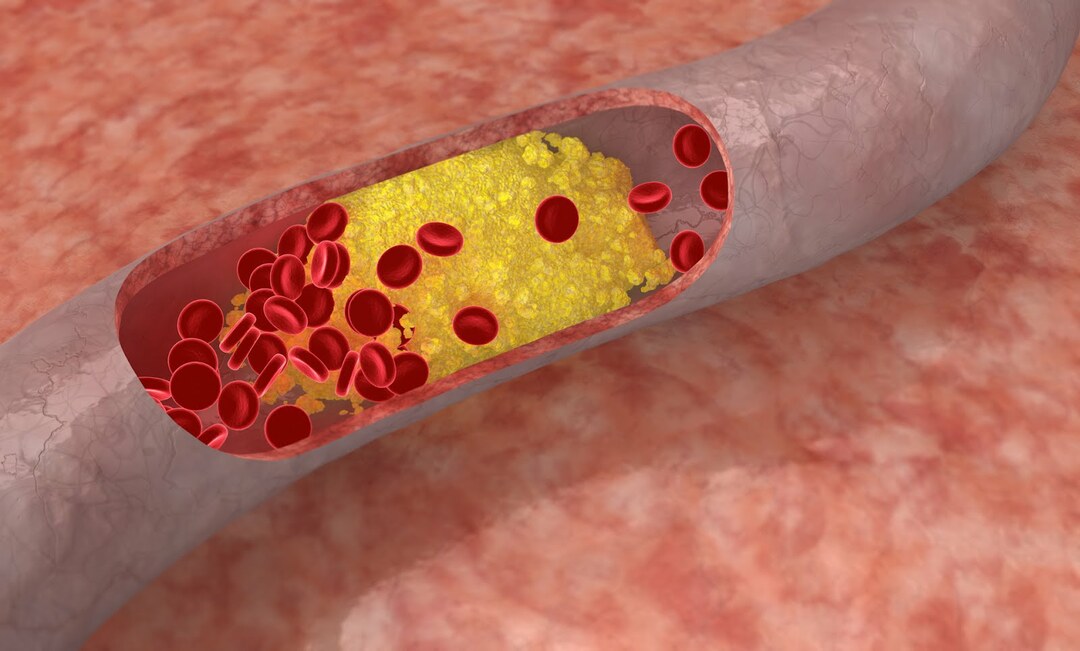
Normally, with the restoration of the integrity of the vascular wall, the thrombus also dissolves. However, in the presence of certain predisposing factors, formed elements (erythrocytes and leukocytes) and other proteins are deposited on the formed accumulation of platelets and fibrin.
Violation of the hemostatic system, which leads to increased blood clotting, is called thrombophilia. A disease accompanied by the formation of blood clots of various localization, experts call thrombosis, and detachment of a blood clot with subsequent complete or partial blockage of the lumen of a blood vessel - thromboembolism.
Thrombogenic risk factors can be permanent, genetic abnormalities, or transient causes, such as:
- age, the risk of blood clot formation and separation is high in older men
45-50 years and in women after the onset of menopause; - hereditary predisposition;
- mutation of genes that determine the synthesis of blood coagulation factors, recently such disorders and the possibility of their correction have been actively studied;
- pregnancy;
- forced physical inactivity associated with the consequences of severe trauma, stroke or other pathologies;
- liver disease;
- diabetes;
- hypertonic disease;
- slowing down the blood flow rate due to arrhythmia and other pathologies of the cardiovascular system;
- violation of the structure of the vascular wall due to varicose veins, aneurysms, inflammation (thrombophlebitis);
- atherosclerosis;
- smoking, alcoholism;
- obesity;
- taking certain medications that increase blood clotting (oral contraceptives, coagulants);
- abdominal operations, surgical interventions on the heart, coronary vessels.
What does it mean the blood clot has come off? Blood clots of this nature are tightly attached to the wall of veins or arteries. Thrombosis-specific symptoms appear due to their partial overlap of the vascular lumen. However, a high blood flow rate, fever in infectious diseases, an increase in blood pressure, physical overstrain become the reasons why a blood clot comes off in a person. This happens suddenly, and often the outcome of such a condition largely depends on the speed of rendering medical assistance to a person.
The most dangerous situation is a complete blockage of the vessel by a clot. With such a pathology, an obstacle is created for normal blood circulation, which often leads to irreversible changes. A detached vagus thrombus (it is also called floating due to the fact that it freely moves through the bloodstream channel) can block the artery, then an obstacle is created to supply the cells with oxygen, this causes them to quickly death. Vein thrombosis is accompanied by congestion.
The consequences of the condition, which is why the blood clot comes off, are:
- Stroke. It occurs when a clot clogs the arteries that feed the brain. The consequences of such an attack depend on the localization zone and the affected area.
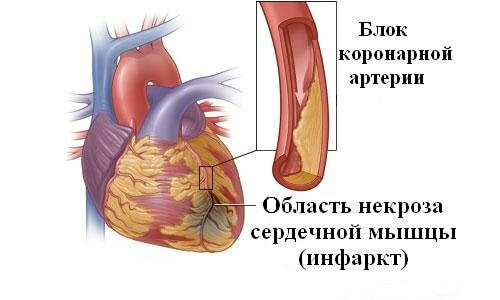
- Heart attack. It develops against the background of circulatory arrest in the coronary vessels. Heart muscle cells die quickly as a result of acute oxygen starvation.
- Lesion of the lower extremities. Vein thrombosis of the legs is a common occurrence with varicose veins. Without appropriate treatment, such a pathology can result in disability.
- Pulmonary embolism. This condition is very dangerous. Disruption of blood flow due to stopping a vagus thrombus in the lung can lead to death, despite prompt resuscitation.
In addition, acute hypoxia as a result of complications of thrombosis can affect every organ, for example, the stomach, intestines, and kidneys. However, in any case, without appropriate medical care, the patient is at risk of death.
A blood clot came off: symptoms, emergency care, types of thrombosis
Drug therapy for thrombosis and the symptoms of a thrombus detachment condition depend on the specific type and location of the blood clot.
 Distinguish them:
- by the location of the thrombus inside the blood vessel: parietal (extended, elongated and lining), central and occluding;
- on the pathogenesis of education: white, coagulation, mixed;
- by localization: arterial, venous, vagus, formed in small vessels.
If a blood clot has come off, the symptoms of a cerebral stroke can manifest itself in different ways, and this is very strong headache, and loss of consciousness, paralysis of one or both sides of the body, speech disorders, dementia
The formation of a blood clot in the coronary arteries without complete blockage of the vessel causes coronary artery disease. Its symptoms are shortness of breath, chest pain, arrhythmia, and fatigue. If the thrombus completely blocks the lumen of the coronary vessels, myocardial infarction develops. Often its signs are acute pain behind the sternum, which is not stopped by nitroglycerin, respiratory failure, and a sharp pallor of the skin.
Pulmonary embolism is usually accompanied by a lack of blood circulation in the entire lobe of the lung. Death of a person can be prevented only if first aid is provided within a few minutes, after the blood clot has come off, the symptoms are noticed and diagnosed. If the patient is at a distance from the hospital, such an attack leads to imminent death.
When a blood clot comes off in the vessels of the legs, symptoms of this condition can be intense pain in the affected leg and blue discoloration of the limb, hyperthermia of the skin area in the area of the blocked vessel.
Intestinal thrombosis is usually a common complication of atherosclerosis. Abdominal pain, nausea, and then vomiting indicate the separation of a blood clot. The formation of foci of necrosis is accompanied by clinical signs of intoxication. The result of this condition is peritonitis, which is dangerous with sepsis and death.
What to do if a blood clot comes off? It must be said that it is impossible to provide adequate assistance to a person with such a clinical picture at home. Therefore, you need to call an ambulance. Emergency medical treatment consists of the use of anticoagulants. Usually heparin or its more effective analogues Enoxaparin, Nadroparin, Dalteparin are administered.
However, the use of these drugs should be carried out only in a hospital setting with an individual selection of dosage due to the risk of internal bleeding. To dissolve the formed clots, the patient is injected with fibrinolytics (Streptokinase, Thromboflux, Fibrinolysin). When an emergency is needed, the blood clot is removed with a catheter.
Why does a blood clot come off and a person dies: is it possible to prevent such a situation
 Currently, drugs have been developed that can act on the reason why a blood clot breaks off and a person dies. For deep vein thrombosis and for the prevention of circulatory disorders after heart surgery, for arrhythmias, Xarelto (Rivaroxaban), Eliquis (Apixaban), Pradaxa (Dabigatran) are prescribed.
To strengthen the vascular wall, doctors recommend drugs such as Ascorutin, Venoruton, Detralex. To prevent clogging with a vagus thrombus, and not to wonder why a thrombus comes off in a person, a special cava filter is installed in the lumen of the artery, which is able to retain clots blood.
If there are predisposing factors why a blood clot comes off, after which a person can die, it is necessary to make adjustments to the diet.
Foods high in vitamin K should be avoided, as this substance is one of the blood clotting factors. It is found in large quantities in cabbage, spinach, herbs, meat offal.
Introduce fruits, vegetables, cereals into the diet, season salads with a mixture of vegetable oils. Eliminate salty, pickled, fried, smoked foods, coffee and alcohol, that is, anything that can increase blood pressure. Cherries, currants, cranberries, garlic, nuts are useful for strengthening the walls of blood vessels.
The daily regimen must necessarily include moderate physical activity, simple exercises. You need to massage your feet regularly. After the operations, the earliest possible rise of patients from the bed and the beginning of exercise therapy are of great importance. Wearing special compression hosiery is also shown. A doctor can recommend a specific model and its density. The listed preventive measures are very important, since if a blood clot comes off, whether it is possible to save a person depends only on the rapid implementation of resuscitation measures.
Partial use of site materials (no more than 30% of the content of the article) is allowed only with a hyperlink on www.med88.ru, full use of the article (more than 30% of the article content) is possible only with written permission edition.