Rehabilitation after stenting of cardiac vessels: diet, sports and changes in life after stenting
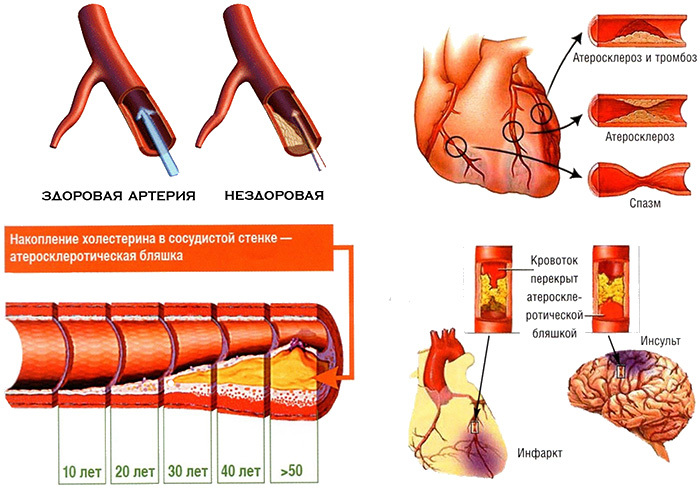
 Atherosclerosis is the accumulation of fatty material in the form of plaque and plaque on the walls of arteries, which constricts the vessels that supply blood to the heart. If the artery is completely blocked, it can lead to a heart attack.
To prevent this from happening, doctors perform percutaneous coronary intervention (also known as stenting of the coronary arteries). This is a medical procedure used to place a stent that keeps the arteries open.
Surgeons often place stents in conjunction with coronary angioplasty, a procedure that opens up arteries and improves blood flow.
Inserting a stent is one of the most common treatments for cardiovascular disease that occurs when an artery is blocked.
Stenting carries a small risk of serious complications such as:
- Bleeding where the catheter was inserted into the skin. If significant bleeding occurs, it is usually noted during the first
12-15 hours after stent placement. - Damage to a blood vessel by a catheter.
- Arrhythmia (irregular heartbeat). This can be due to improved blood flow, which revitalizes the injured areas of the heart.
- Kidney damage caused by the dye used during the procedure.
- Allergic reaction to the dye used during the procedure.
- Infection.
- Excessive growth of tissue in the treated part of the artery. This can cause the artery to narrow or become blocked again. This condition is called restenosis. Using specially coated stents can help prevent this problem. These stents are coated with anti-tissue overgrowth agents.
Many people are interested in the question of how the rehabilitation proceeds after stenting.
After any type of stenting procedure (for arteries that are narrowed due to cholesterol plaques or an aortic aneurysm), the doctor will remove the catheter from the artery. The place where the catheter was inserted will be bandaged. At first, all movement of the patient will be limited.
A small hematoma and sometimes a small, hard "knot" will appear at the site of installation. This place will be sore for a week.
You should inform your doctor if there is persistent or intermittent bleeding at the stent insertion site and cannot be stopped with a small bandage. Any unusual swelling, redness, or other signs of infection at or near the site of stent placement should also be alerted.
After stenting the patient should be monitored by a treating cardiologist for one week after the procedure, and then every three to six months for the first year.
Diet after stenting of cardiac vessels
 Having a stent procedure does not mean that the patient is cured of coronary artery disease. In addition to stent placement, lifestyle changes are an integral part of an overall program to minimize further coronary artery problems. Therefore, rehabilitation after stenting necessarily includes the correct diet.
It is important for the patient to eat foods that are free of partially hydrogenated oils. Foods that are low in sodium and cholesterol are good for you.
Ideally, the weekly post-stenting meals should include:
- meat and / or meat substitutes such as eggs, legumes and nuts;
- not less than 200 gr. oily fish with a high omega-3 content per week (salmon, mackerel, sardines);
- Whole grain breads or crackers, or other foods with brown rice, barley, or oats
- low fat dairy products;
- water, except for sugary carbonated drinks;
- healthy fats from nuts, seeds, avocados, oily fish.
note
Reduce your salt intake to half a teaspoon. This will help lower blood pressure and prevent fluid retention.
Sugary foods should be avoided, as they contribute to the appearance of excess weight, and this increases the load on the blood vessels and the heart.
 With regard to psychological rehabilitation after stenting, the patient's relatives are recommended to provide him with comprehensive emotional support.
For many patients, life after coronary stenting is filled with anxiety. They often ask doctors questions: "Will I be able to drive a car?" “If I work too much around the house, will my chest pain return?”, “Am I at risk of disability?”
More than half of former ICU patients suffer from clinical levels of post-traumatic stress disorder (PTSD), depression, or anxiety symptoms.
If a patient who has undergone stenting answers in the affirmative to one or more of the following questions, he needs to visit a psychologist to receive qualified help:
- Are you often bothered by feeling discouraged, depressed, or hopeless?
- Are you often bothered by a lack of interest or pleasure in doing familiar things?
- Do you often feel that you are unable to stop worrying about your surgery?
- Are you often nervous, want to, but cannot fully relax?
note
To improve psychological well-being during the rehabilitation period after stenting, it is advisable to keep a diary, recording your physical progress after the operation.
Rehabilitation after stenting of cardiac vessels: gymnastics, sports and life after surgery
Doctors not only do not prohibit, but also strongly recommend physiotherapy exercises during rehabilitation after stenting of the heart vessels.

The main benefits of exercise after coronary angioplasty are:
- They help the entire cardiovascular system, not just the stented area. Improves blood circulation in the vessels that have undergone the stenting procedure.
- They help increase the absorption of nitric oxide, which is necessary for the expansion of blood vessels and increased blood flow.
- Mobilizes cells in the body that help repair damaged arteries.
Rehabilitation after cardiac stent placement usually includes the following regular exercises: treadmill walking, jogging, cycling, and swimming. These types of aerobic exercise are aimed at training and improving the functioning of the cardiovascular system.
One of the best means of rehabilitation after angioplasty and stent placement is the terrenkur. This is a limited in time, distance and angle of inclination walking ascent on a specially designed route. They start it with a walk on flat terrain, and gradually increase the angle of inclination when climbing from 5 ° to 30 ° maximum.
Exercise tips:
- Aerobic exercise should be done at least four days a week.
- The duration of the training session is from 30 to 45 minutes.
- Wait at least 90 minutes after eating before starting your workout.
- Warm up for 5 minutes before aerobic activity.
- The activity level rises gradually.
- You do not need to sit down immediately after training, you need to walk for 5 minutes, otherwise heart palpitations may occur.
- If fatigue or shortness of breath appears during physical exertion, the exercise should be stopped. If you experience chest pain, stop exercising immediately and call an ambulance.
 Intense physical activity and heavy lifting for a short time after the stenting procedure are excluded. The doctor will let the patient know when they can return to their normal activities.
Life after stenting of the heart vessels is not much different from the preoperative one.
Metal detectors used in airports and other areas do not interfere with stents.
Most patients are discharged home the day after surgery.
They may return to normal work and sexual activity two or three days after stenting.
After stenting, patients are prescribed Aspirin indefinitely to prevent future blood clots.
Also, the doctor may prescribe a special antiplatelet agent (in most cases it is Clopidogrel, Plavix) in combination with Aspirin for one year.
Lifestyle changes after cardiac stent placement can help reduce the likelihood of developing further coronary artery problems. These include: quitting smoking, controlling weight and eating well, controlling blood pressure and blood sugar, and taking medications to lower blood cholesterol.
Partial use of site materials (no more than 30% of the content of the article) is allowed only with a hyperlink on www.med88.ru, full use of the article (more than 30% of the article content) is possible only with written permission edition.