Amyloidosis of the heart: what is it, symptoms, causes, treatment
Content
- What is cardiac amyloidosis?
- Amyloidosis causes
- Symptoms of cardiac amyloidosis
- How is cardiac amyloidosis diagnosed?
- Treatment of cardiac amyloidosis
- Heart failure treatment
- Treatment of disorders causing amyloidosis
- Conclusion
What is cardiac amyloidosis?
Amyloidosis Is a family of disorders in which abnormal proteins called amyloid proteins are deposited in various tissues of the body. These amyloid deposits can seriously disrupt the normal functioning of body organs.
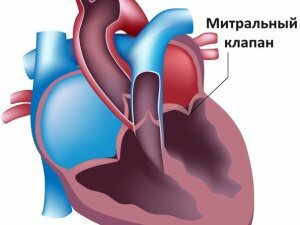
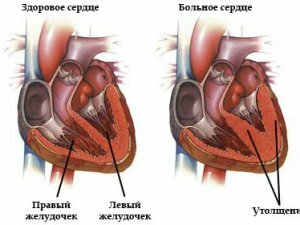
At amyloidosis of the heart these amyloid proteins are deposited in the heart muscle. Amyloid deposits stiffen the muscle walls of the heart, causing both diastolic dysfunction and systolic dysfunction.
In diastolic dysfunction, the heart cannot relax normally between heartbeats, so it refills with blood less efficiently. In systolic dysfunction, amyloid deposits impair the ability of the heart muscle to contract normally.
Thus, amyloidosis of the heart affects the work of the heart both during diastole (phase of relaxation of the heartbeat) and systole (phase of contraction of the heartbeat).
As a consequence of abnormal diastolic and systolic dysfunction, people with heart amyloidosis often have heart failure. They tend to develop rather severe, generalized cardiovascular instability, as well as life-threatening cardiac arrhythmias. Amyloidosis of the heart is a very serious condition that usually significantly shortens the patient's life expectancy.
Amyloidosis causes
There are several conditions that can cause the accumulation of amyloid proteins in tissues, including the heart. They include:
- Primary amyloidosis. The name "primary amyloidosis" originally referred to a type of amyloidosis in which the primary cause cannot be identified. Today it is known that primary amyloidosis is the result of a disorder of plasma cells (plasma cells are white blood cells that produce antibodies), this is a form of multiple myeloma. In primary amyloidosis, the abnormal protein that accumulates is called the "amyloid light chain," or AL protein. About 50 percent of people with heart amyloidosis have primary amyloidosis with type AL amyloid deposits. People with this type of cardiac amyloidosis usually also develop amyloid deposits in the kidneys, liver, and intestines.
- Secondary amyloidosis. Secondary amyloidosis occurs in people who have several forms of chronic inflammatory disease, especially systemic lupus erythematosus, inflammatory bowel disease or rheumatoid arthritis. Under these conditions, chronic inflammation can lead to overproduction of "amyloid type A protein" (also called AA protein). In secondary amyloidosis, amyloid AA protein is deposited most often in the kidneys, liver, spleen, and lymph nodes. However, secondary amyloidosis usually does not affect the heart. Only about 5 percent of cardiac amyloidosis is caused by AA protein deposits.
- Senile amyloidosis. Senile amyloidosis gets its name from the fact that it is almost always seen in older men, most commonly in men over the age of 70. In this condition, there is an excess deposition of a normal amyloid protein that is produced in the liver, called the TTR protein. In senile amyloidosis, TTR protein deposits are often found exclusively in the heart. Senile amyloidosis accounts for about 45 percent of cardiac amyloidosis cases.
Read also:Heart diseases
Symptoms of cardiac amyloidosis

Amyloidosis of the heart affects both filling of the heart (diastole) and heartbeat (systole), so not it should be surprising that overall heart function tends to be significantly impaired in people with this disease.
The most prominent result of cardiac amyloidosis is heart failure. In fact, the symptoms heart failure - mainly severe dyspnea and significant edema (fluid accumulation) is what usually leads to the diagnosis of amyloidosis.
In AL protein amyloidosis (primary amyloidosis), abdominal organs are often affected in addition to the heart. Thus, these people tend to have gastrointestinal symptoms, such as loss of appetite, early satiety and weight loss.
In addition, AL protein deposits also tend to accumulate in small blood vessels, which can cause easy bruising. angina pectoris or lameness (muscle cramps during exertion).
People with amyloidosis of the heart especially prone To fainting (episodes of loss of consciousness) caused by generalized cardiovascular instability. Fainting due to cardiac amyloidosis can be a sign that the cardiovascular reserve is stretched almost beyond its limits. In particular, people with amyloidosis affecting their heart and blood vessels may not be in able to recover from any fainting that seriously threatens the cardiovascular system, even if instant.
So when sudden cardiac death occurs in people with cardiac amyloidosis, usually caused by sudden cardiovascular collapse. This is in stark contrast to people who experience sudden death from other types of heart disease, who usually have cardiac arrhythmias (especially ventricular tachycardia or ventricular fibrillation) is the underlying cause.
Therefore, implanted defibrillators in people with cardiac amyloidosis, even if fainting is likely due to cardiac arrhythmias, often do not prolong survival. When people with cardiac amyloidosis experience fainting, the risk of sudden death over the next few months is high.
In amyloidosis of the heart, amyloid deposits often occur in the electrical conduction system of the heart. In senile amyloidosis, TTR-type protein deposits often lead to significant bradycardia (slow heart rate) and require implantation of a pacemaker. However, in AL-type amyloidosis, bradycardia is rare and usually does not lead to the need for pacing.
People with heart amyloidosis also often easily form blood clots, both in the blood vessels and in the heart, significantly increasing the risk stroke and pulmonary embolism.
Peripheral neuropathy is also a common problem in people with AL amyloidosis.
How is cardiac amyloidosis diagnosed?

Physicians should consider the possibility of cardiac amyloidosis whenever a person has cardiac insufficiency for unexplained reasons, especially if shortness of breath and swelling are most noticeable symptoms.
A person with new-onset heart failure has low blood pressure, an enlarged liver, peripheral neuropathy, or protein in the urine should also indicate a possible amyloidosis of the heart.
Read also:Syndrome (disease) Marfan
Electrocardiogram when ill, it can show a low voltage (i.e., the electrical signal is much weaker than usual), but usually it is the echocardiogram that gives the best information about the correct diagnosis.
Echocardiography often shows thickening of the heart muscle in both ventricles. In addition, the amyloid deposits themselves often give the echo a characteristic “sparkling” appearance within the heart muscle. Blood clots in the heart are also quite common.
While an echocardiogram usually leads to a correct diagnosis, a biopsy of tissue that shows amyloid deposits is needed to make a definite diagnosis. In people with AL amyloidosis, biopsies can often be obtained from the abdomen or from a bone marrow biopsy. However, in TTR amyloidosis (and sometimes in AL amyloidosis), it is the heart biopsy that is required. A cardiac biopsy is usually done by cardiac catheterization.
Treatment of cardiac amyloidosis
In general, cardiac amyloidosis has a poor prognosis. However, in recent years, new therapeutic approaches have been developed, and people with this condition have more hope than a few years ago.
Treatment for cardiac amyloidosis can be considered in two parts: treating heart failure and treating the underlying condition that causes amyloid deposition.
Heart failure treatment

Heart failure treatment, caused by amyloidosis hearts, very different from treating heart failure caused by other conditions. While beta blockers and ACE inhibitors are the mainstay of treatment for most types of heart failure, these drugs (as well as calcium channel blockers) can actually worsen amyloid heart failure.
These limitations make the treatment of heart failure caused by amyloidosis a serious problem.
Use of loop diuretics, such as furosemide, is the basis of medical therapy for cardiac amyloidosis. These drugs are usually quite effective in reducing the severe swelling that often accompanies the condition and can also significantly relieve shortness of breath (another common symptom).
Loop diuretics are often used in high doses and can be given intravenously if needed.
Beta blockers should not be used for cardiac amyloidosis. The ability of the heart to pump blood in this condition is severely limited, therefore, the heart cannot fill with blood efficiently. As a result, an increased heart rate is required to maintain adequate cardiac output in cardiac amyloidosis. This means that beta blockers will only slow down your heart rate, which can lead to sudden cardiac decompensation.
Calcium blockers can also slow your heart rate and should be avoided as well.
In people with type AL amyloidosis ACE inhibitors can cause a deep (and possibly fatal) drop in blood pressure - possibly because deposits amyloid in peripheral nerves do not allow the vascular system to compensate for the pressure drop, which is often caused ACE inhibitors. This severe drop in blood pressure is not usually seen in people with TTR amyloidosis, and ACE inhibitors can be used with caution in these people.
Read also:How to lower blood pressure at home, 7 quick effective ways + recipes of traditional medicine for hypertension
Heart transplants are not suitable for people with AL-type amyloidosis because they tend to have significant diseases in some other organs. While people with TTR amyloidosis tend to have heart disease, they are usually too old to be considered suitable candidates for heart transplants. Transplantation may be a rare case option for young patients who have TTR-type cardiac amyloidosis.
Treatment of disorders causing amyloidosis
Primary AL-type amyloidosis.
This type of amyloidosis is usually caused by an abnormal clone of plasma cells that produce large amounts of type AL amyloid. Consequently, chemotherapy regimens have been developed in recent years to try and kill these abnormal clone cells.
The most commonly recommended treatment is high-dose melphalan followed by bone marrow transplantation.
Unfortunately, people with AL amyloidosis who have heart disease are often not healthy enough to tolerate this aggressive therapy. However, other chemotherapy regimens can be used for these individuals, and in most cases there is at least a partial response.
If AL amyloidosis is diagnosed and treated before it becomes extensive, it is much more likely that the treatment will be positive.
Secondary amyloidosis.
Only a small minority of people with heart amyloidosis have this condition. However, aggressive treatment of the underlying inflammatory disorder can slow the progression of amyloidosis.
Senile amyloidosis.
In people with TTR amyloidosis of the heart, excess protein is produced in the liver. It turns out that TTR-type amyloidosis is of two types. In one of these types, rare for young adults, liver transplantation removes the TTR-type amyloid protein source and stops the progression of amyloidosis. Unfortunately, in older adults with the more typical TTR-type senile amyloidosis, liver transplantation does not appear to affect disease progression.
Drugs are currently being studied to "stabilize" the TTR protein so that it no longer accumulates as amyloid deposits. The first of these drugs, tafamidis, reduced mortality and hospitalization in patients with senile cardiac amyloidosis in study published in 2018 and is currently recommended for the treatment of many people with senile amyloidosis.
Conclusion
Amyloidosis of the heart is a very serious condition that causes dangerous symptoms and significantly shortens life expectancy. There are several major conditions causing amyloidosis, and optimal treatment - and to some extent prognosis - depends on the type of amyloid protein that is deposited in the tissues.
Despite these grim facts, significant progress has been made in understanding the different types of cardiac amyloidosis and in determining the optimal treatment strategies for each.