Heart disease: list and symptoms, treatment, causes, prevention
Content
- Introduction
- The cardiovascular system
- List of heart diseases
- Atherosclerotic disease
- Arrhythmias of the heart
- Heart valve disease
- Heart disease infections
- Heart failure
- Symptoms and Signs
- Causes of Heart Disease
- Diagnostics
- Treatment
- Prophylaxis
- Conclusion
Introduction
Heart disease is a general term used to refer to a wide variety of heart conditions that can affect heart muscle, valves, blood vessels, structure, electrical system, or coronary arteries.
Heart disease includes conditions such as cardiac arrhythmias, high blood pressure, coronary artery disease, valvular disorders, and congenital heart defects. Although each disease affects the heart in a different way, the main problem with all types of diseases is that they can somehow disrupt vital pumping activity hearts.
Heart disease is the leading cause of death in Russia for both men and women.
The cardiovascular system
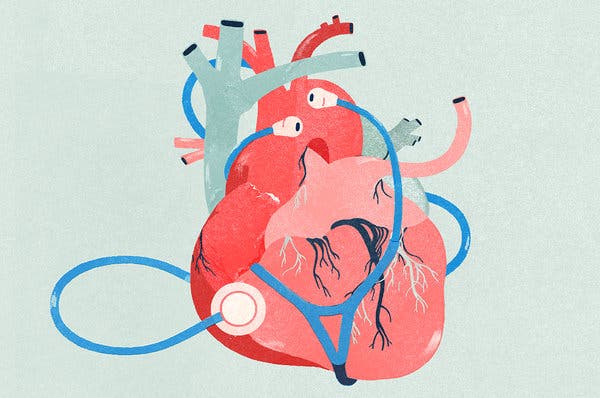
The heart is a powerful and tireless pump. It consists of muscle chambers that compress blood through the vascular system and a series of valves that allow blood to move efficiently in the right direction. There is a self-regulating electrical system that determines the heart rate and coordinates the sequential beating of the various chambers of the heart.
To do all this muscular work around the clock, the heart needs a large and continuous supply of oxygen-rich blood. Coronary arteries are the vessels that supply blood to the heart muscle, so they are extremely important for the heart and life.
List of heart diseases
The normal functioning of the heart and vascular system can be impaired by a large number of different diseases. Several umbrella categories are often used, from which various types of diseases branch out.
Atherosclerotic disease
While many disease processes can affect blood vessels, the term "cardiovascular disease" usually covers disorders of the blood vessels (arteries) that are associated with either atherosclerosis, hypertension, or disease hearts.
Atherosclerosis is a condition in which plaque made of fat, calcium, cholesterol, and other substances builds up and hardens in the arteries, disrupting blood flow.
There are various types of atherosclerotic diseases, including coronary artery disease, carotid artery disease, and peripheral artery disease.
Cardiac ischemia (CHD), which is widespread in most countries of the world, can lead to heart attacks (myocardial infarction) and is the most common type of heart disease. In coronary artery disease, atherosclerotic plaques form in the lining of the coronary arteries, thickening and narrowing the arteries.
Atherosclerosis and high blood pressure (arterial hypertension or hypertension) can lead not only to coronary artery disease, but also to carotid artery disease, which affects the carotid arteries on both sides of the neck, and peripheral artery disease, which can affect almost any other artery in the body.
Read also:Angina pectoris (angina pectoris): causes, symptoms and treatment, first aid
Strokes and transient ischemic attack (TIA) are also often associated with atherosclerotic disease.
Arrhythmias of the heart
Cardiac arrhythmias are disorders of the electrical system of the heart. The heart's electrical system is responsible for setting the heart rate (how fast it beats heart) and coordinates the organized, sequential contraction of the heart muscle in the atria and ventricles.
Disruptions in the electrical system of the heart usually lead to too slow heart rhythms (bradycardia) or too fast heart rate (tachycardia). With slow or fast cardiac arrhythmias, the normal contraction sequence of the heart muscle may also be disrupted.
Heart valve disease
The four heart valves (tricuspid, pulmonary, mitral and aortic) play a critical role in the functioning of the heart. They assure that when the heart beats, blood moves freely through the chambers of the heart and flows in the right direction.
In general, heart valve disease causes two main types of problems. Either the valve becomes partially blocked, making it difficult for blood to flow (called stenosis), or the valve leaks, allowing blood to flow in the wrong direction when the heart muscle contracts (this is called regurgitation).
In any case, if the valve disease becomes severe enough, heart failure. In addition, valvular disease often causes cardiac arrhythmias, especially atrial fibrillation.
Heart disease infections
Although the heart can usually fight off infections, they do occur. These infections are more common in adults aged 60 and over, especially those with previous heart problems.
Types of infections include endocarditis (inflammation in the chamber and valves of the heart), pericarditis (inflammation in the protective sac around the heart) and myocarditis (inflammation in the muscular region of the heart).
Heart failure
Heart failure is an all too common end result of many different types of heart disease. In heart failure, damage to the heart of one form or another makes the heart unable to do all the work it needs to meet the needs of the body. Blood is no longer pumped all over the body and remains in the heart.
It can be chronic or sudden. Numerous symptoms may occur; some degree of disability is common, as is early death.
Treatment for heart failure has advanced significantly in recent decades, and many people with heart failure can now live fairly well for many years.
Symptoms and Signs

Symptoms of heart disease depend on what condition the person is sick with. However, the most common signs that occur during many different types heart diseases include chest pain or discomfortheart palpitations, turbidity or dizziness, fainting, tiredness and shortness of breath.
Read also:Arterial hypertension
Causes of Heart Disease
Since there are many types of heart disease, there are many different causes. Some causes are unclear and some are obvious, such as a genetic abnormality, birth defect, or as a result of certain underlying conditions or medication or drugs.
Many of the risk factors for heart disease are based on a person's lifestyle, for example, nutrition, activity level, weight (obesity), smoking and providing treatment and control of chronic diseases.
Diagnostics
To diagnose heart disease, the doctor will take a complete medical history, perform a detailed physical examination, and choose from a variety of tests. Depending on what the doctor is looking for, these tests may include an electrocardiogram, echocardiogram, outpatient monitoring, computed tomography (CT), magnetic resonance imaging (MRI) of the heart, stress testing, electrophysiology research.
Treatment
Treatment for cardiovascular disease is variable and depends on the type of disease.
For almost all types of heart disease, lifestyle changes such as like healthy eating, daily exercise, weight loss, smoking cessation and stress relief.
In case these changes do not help, the doctor may prescribe medications. There are many options that can be considered, from ACE inhibitors to anticoagulants, from beta blockers to calcium channel blockers and many more.
There are also surgeries, special procedures and medical devices that can be used in severe or special cases.
If you have been diagnosed with any kind of heart disease, rest assured that after a long course of treatment, people live longer than ever. Fighting heart disease means making lifestyle changes, learning about symptoms to watch out for, and possibly taking medication. Lifestyle changes that may be required include quitting smoking, eating a healthy diet, exercising regularly, losing weight, and managing stress.
Prophylaxis

The most common forms of cardiovascular disease can be largely prevent if you pay attention to your heart risk factors and take reasonable steps to their reduction. Ideally, you should work with your doctor to conduct a formal risk assessment, but you can also make a fairly accurate risk assessment yourself. If your risk is low, that's great.
Read also:Atherosclerosis of the vessels of the lower extremities: symptoms, photos and methods of treatment
Just keep in mind what you have to do (and what not) to keep it low. On the other hand, if your risk of heart disease is significantly increased, use it as motivation to target risk factors that you can control.
Reducing or eliminating risk factors as soon as possible is the ideal solution. And often the high-risk people who are most successful at doing this are the ones who truly adhere to the "change everything now" attitude. For example, they quit smoking, take an exercise program, and change their diet right away. Improving their heart health becomes the driving force behind all decisions.
Addressing each risk factor one by one with a more gradual approach to lifestyle changes may not be as effective in this case. For example, when you are working to quit smoking, poor diet and lack of physical exercise can still pose risks that can have a serious impact on health hearts. Likewise, a single focus on changing one habit can eventually push others down the list - or even remove them from the priority list altogether.
Considering the ramifications of heart disease, making as many of the changes you need to make as soon as possible is well worth your time and effort.
Success that comes over time is better than change that never happens at all. Share your approach, your accomplishments, and your struggles with your doctor who can help you with this.
Conclusion
People who educate themselves and are actively involved in clinical decision making tend to have better medical outcomes. There are many different types of heart disease, and they all have different causes, severities, and treatments.
If you have heart disease, you will probably live much longer and healthier if you learn all you can about your specific heart problem. With this knowledge, you can work more closely with your doctor and adopt the treatments that work best for you.