Syncope (fainting): causes, first aid, prevention
While not a separate disease or diagnosis, syncope (fainting) is the end result of one from pathophysiological disorders, a certain part of which leads to serious illness or fatal the outcome.
It is extremely important to understand the causes of loss of consciousness, especially if you have pressure problems.
Fainting, like the accompanying dizziness, is not a disease, but it may indicate the presence of serious pathologies in the human body!
Content
- Fainting concept
- The clinical picture of syncope
- Causes of low blood pressure fainting
- What fainting occurs with low blood pressure
- Causes of high blood pressure fainting
- What are the indicators of high blood pressure that syncope can occur?
- Which people are more likely to faint?
- When to see a doctor
- Actions for fainting (first aid)
- Prevention and recommendations
- Related Videos
Fainting concept
Syncope (fainting or syncope) is a sudden-onset condition characterized by short-term loss of consciousness, occurs as a result of a decrease in cerebral blood flow, and is also accompanied by suppression of reflexes, disorders in the vegetative system. Fainting is a protective reaction of the brain in a situation of a sharp lack of oxygen. Syncope usually lasts up to 5 minutes.
The first description of fainting was given by the ancient doctor Areteus. "Sinkopa" in Greek means "cabin", this name from Cappadocia (the territory of modern Turkey) eventually reached New Orleans, becoming the designation of the rhythm of jazz music.
The clinical picture of syncope
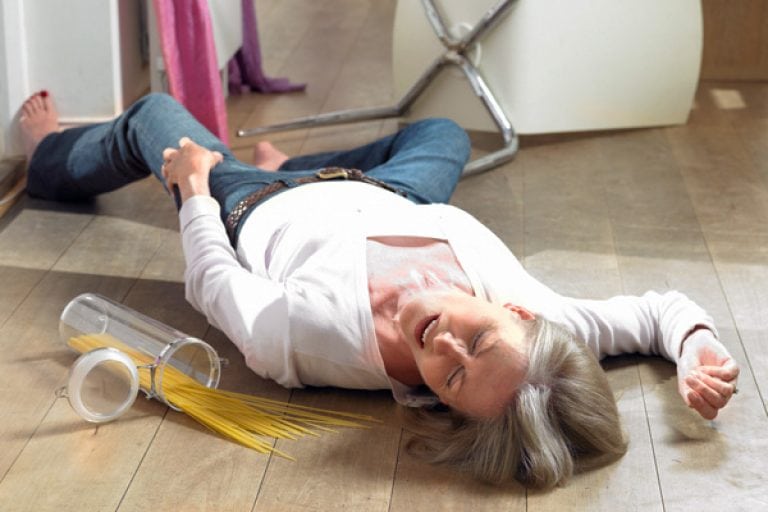
The usual duration of fainting is up to 5 minutes, in rare situations it increases to half an hour.
In all cases, the process is divided in 3 stages, which can be more or less pronounced: a period of precursors, directly fainting, a period of recovery.
-
Light-headedness (precursor period):
- lightheadedness, nausea, a feeling of swaying around objects and the floor;
- flies, dizziness, circles before the eyes;
- lack of air, severe weakness;
- pallor of the epidermis of the face;
- numbness of the limbs;
- increased sweating;
- noise in ears.
-
Fainting:
- lowering blood pressure (BP);
- complete muscle relaxation;
- the pulse is poorly felt, threadlike;
- shallow breathing;
- epidermis of a pale gray, ashy shade;
- a decrease in all stereotypical reflexes, the pupils are dilated, react poorly to light;
- with a deep disorder of consciousness, muscle cramps may develop, as well as spontaneous acts of defecation and urination;
- falling if unconscious may result in injury.
-
Post-syncopal state (recovery period):
- reduced blood pressure remains;
- dizziness;
- moving to an upright position too quickly can provoke a second attack;
- dry mouth, pallor;
- lasts from several minutes to 2 hours, gradually leads to a complete restoration of consciousness;
- weakness, feeling of weakness, lack of confidence in movements.
Read also:Cardiomyopathy
At the first signs of a presyncopal state, you should immediately sit down with your head down, or take a recumbent position. In this way, loss of consciousness and injury from falling can be avoided!
Causes of low blood pressure fainting
Hypotension is the cause of frequent dizziness, loss of consciousness and drowsiness. In people suffering from low blood pressure, the processes of vasoconstriction and dilation occur more slowly than normal.
Due to oxygen starvation, internal organs and systems are not able to function normally. In this case, circulatory disorders and improper vascular tone lead to a weakening of the body.
To what level should blood pressure drop sharply for a person to lose consciousness:
- at normal blood pressure, the tonometer readings are 120/80 mm Hg. Art .;
- slightly lowered blood pressure - 90/60 - 115/70;
- if the lower indicator sharply decreases by more than ten mm Hg. Art., and the top - by twenty mm Hg. Art., fainting may occur.
Loss of consciousness in a situation of low blood pressure is a common phenomenon faced by all categories of the population, regardless of age and diagnosis!
Factors causing syncope with hypotension:
- pain shock;
- severe blood loss;
- a sharp adoption of an upright position;
- taking medications that affect blood pressure;
- diseases of the cardiovascular system;
- brain diseases;
- diabetes;
- dehydration;
- overheating of the body;
- pregnancy;
- stress, overwork, depression;
- infection, allergy;
What fainting occurs with low blood pressure

Low blood pressure contributes to the following types of syncope:
- anemic - occurs due to a significant decrease the content of hemoglobin in the blood with iron deficiency, blood loss, vitamin deficiency;
- situational - caused by physical strain, urination, diving or coughing due to increased intrathoracic pressure;
- vasovagal - is the body's response to stress (fear, pain, hemophobia, etc.). Half of all syncope are of this syncope.
Causes of high blood pressure fainting
Hypertension becomes a common cause of loss of consciousness because the patient's body is in a state of constant oxygen starvation.
In people suffering from hypertension, the walls of blood vessels thicken and lose elasticity, load on the heart, blood circulation and nutrition of the brain deteriorate, the heart muscle begins to work with interruptions.
Factors leading to high blood pressure fainting:
- excessive emotional distress;
- hypertensive crisiswhen a person has chest pain, increased heart rate, disruption of the respiratory system;
- physical overload.
What are the indicators of high blood pressure that syncope can occur?
In the presence of hypertension, loss of consciousness can provoke a sharp jump in blood pressure, both in the direction of increasing and decreasing to normal values.
Read also:Atrial fibrillation: what is it, causes, symptoms and how to treat it?
Pressure rise can provoke the appearance of oxygen deficiency in the brain, this does not always lead to fainting, but affects the deterioration of the body's condition.
With a sharp drop in pressure to the general norm, a hypertensive person can lose consciousness due to the large amount of oxygen that has entered the brain.
Fainting with changes in blood pressure usually lasts up to 8 minutes. As a rule, for the condition to return to normal, it is enough 2-3 minutes. Usually, such a fainting spell does not lead to negative consequences, except for the possible injury from a fall.
Symptoms preceding loss of consciousness:
- increased heart rate;
- nausea, chills;
- sharp increased sweating and redness of the epidermis;
- headache;
- noise in ears;
- darkening in the eyes;
- disorientation in space.
A sudden increase in pressure can lead to fainting and provoke a cerebral hemorrhage or heart attack. Regular monitoring of blood pressure levels and monitoring by specialists will help to avoid risks and unwanted complications!
Which people are more likely to faint?
Oxygen deficiency is extremely acutely perceived by the cerebral cortex, as a result of which syncope occurs.
In addition to low and high blood pressure, there are a number of other causes that lead to fainting:
- pathology of the cardiovascular system, lungs;
- traumatic brain injury;
- painful, infectious toxic shock;
- stomach diseases and 12-duodenum, pancreatitis;
- uremia;
- renal failure;
- pregnancy and menstrual bleeding in women;
- rapid growth in adolescents;
- overdose of certain medications;
- mental illness, excessive impressionability;
- hunger.
Fainting is not a disease, but a signal of a serious malfunction in the body. With the help of specialists, it is necessary to identify the root cause and fight against it, and not with loss of consciousness!
When to see a doctor
As a rule, the reasons for loss of consciousness in many cases are quite understandable and harmless, you can take measures to prevent such situations. However, there are markers indicating the need for immediate medical attention:
- fainting is frequent and lasts more than 2 minutes;
- before loss of consciousness, chest pain, heart rhythm disturbances were noted;
- trauma was sustained during fainting;
- involuntary defecation or urination occurred in an unconscious state;
- the presence of pathologies of the cardiovascular system;
- pregnancy;
- diabetes;
- the first syncope occurred at the age of over 40.
Based on the results of tests and medical examinations, the specialist will identify the cause of the fainting and prescribe adequate treatment. This is the only way to avoid negative consequences!
Actions for fainting (first aid)
Providing first aid in such a situation does not require medical skills, but it will help maintain the health of the victim:
- at the first signs of loss of consciousness, if possible, prevent or soften the fall;
- lay the fallen one so that the legs are above the level of the head to improve blood supply;
- unbutton tight clothing;
- provide access to fresh air;
- bring a cotton swab moistened with a solution of ammonia to the nose;
- spray the face with water;
- monitor breathing and pulse, it is desirable to measure blood pressure;
- when the victim wakes up, he needs to stay in a horizontal position for 10-30 minutes;
- medical attention will be needed when it comes to a child or an elderly person, if the patient does not regain consciousness, but also if others know that a person has a serious illness, or there are convulsions or loss breathing.
Read also:VBN: what is it, causes, symptoms and treatment of the disease
In the event that you yourself feel the symptoms of impending fainting, take a horizontal position with your legs raised higher, or sit with your head bent between your knees.
This will ensure better blood flow to the brain. In addition, you can firmly squeeze a tennis ball or other object of a suitable size with your hand and hold it for as long as possible, this task will support consciousness, not allowing it to get lost.
If syncope cannot be avoided, do not get up immediately after waking up, give yourself time to recover.
Fainting is always a reason for first aid and a mandatory visit to a doctor later!
Prevention and recommendations
Even healthy people can pass out as a result of a surge in pressure, so there are general recommendations for solving the problem:
- avoid emotional stress, stressful situations;
- lead an active lifestyle, but avoid physical overload;
- follow the rules of a healthy diet, maintain water balance;
- to refuse from bad habits;
- be sure to get enough sleep and observe the daily regimen;
- do not change the position of the body too abruptly;
- not to leave the house without medications prescribed by a doctor;
- do not ignore the symptoms of light-headedness.
In a number of measures to prevent syncope, in the first place is the need to avoid situations that can cause it. The timely detection and treatment of diseases - the root causes of the appearance of fainting - leads to good results. It is also necessary to control the level of blood pressure.
Syncopal state is quite dangerous, since it is accompanied by oxygen starvation of all body systems. If you periodically faint, see your doctor for an examination to rule out life-threatening diseases.