Ischemic heart disease: what is it, causes, symptoms, treatment
Ischemic heart disease in medical statistics comes out on top among the main causes of death.
Often people who have not even reached the age of forty die from it.
Ischemic heart disease (IHD) is characterized by pronounced pathological changes in the myocardium resulting from oxygen starvation or cessation of blood supply to its tissues.
Content
- Causes of ischemic heart disease
- Provoking factors of the disease
- Symptoms of ischemic heart disease
- Types and stages
- Diagnostics
- Coronary artery disease treatment
- Drug treatment
- Surgery
- Complementary and alternative home treatments
- Nutrition and Supplements
- Herbs and other folk remedies
- Exercises
- Prophylaxis
- Forecast
- Related Videos
Causes of ischemic heart disease
The disease can be triggered by a variety of factors. The most common among them are:
- atherosclerosis;
- lipid metabolism disorders;
- increased blood viscosity;
- thrombosis;
- embolism;
- cardiovascular diseases;
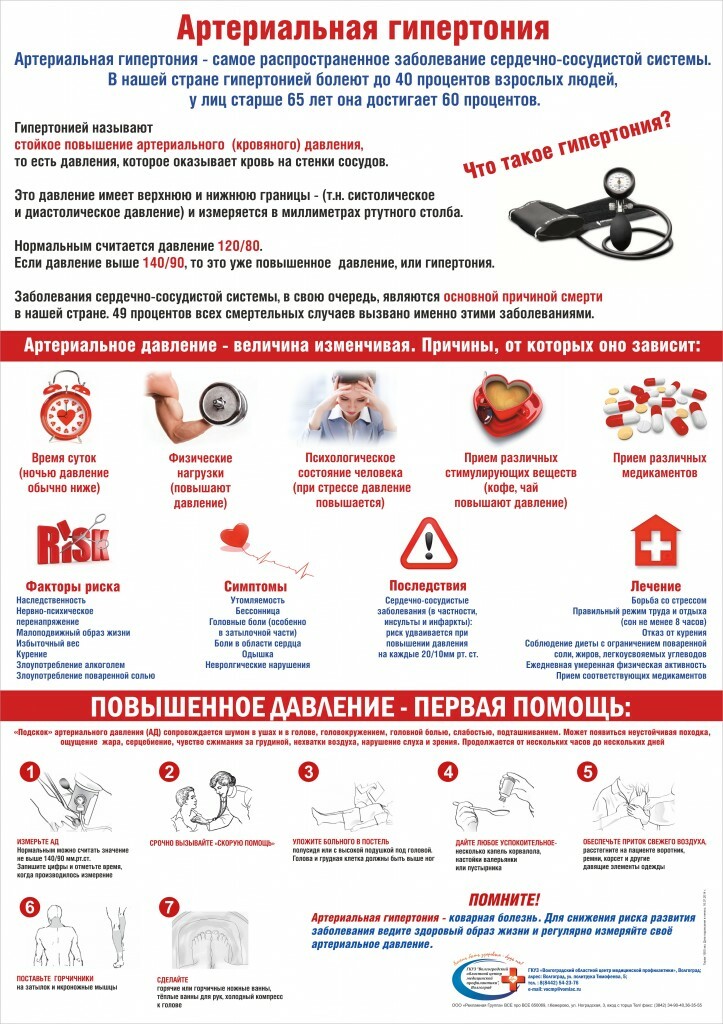
- hypertension;
- some chronic pathologies;
- vascular diseases;
- an increase in the number of platelets in plasma;
- viral infections;
- side effects of certain drugs;
- uncontrolled intake of hormonal contraceptives, etc.
Such reasons can cause blockage of blood vessels of the heart, pronounced disturbances of its rhythm or severe intoxication, which negatively affects the myocardium.
No less significant role is played by the wear and tear of its tissues, violation of metabolic processes in them, as well as stenosis of the arteries and veins.
An increase in blood clotting is a direct danger to the formation of conglomerates that cause blockage of blood vessels, as a result of which a sharp ischemia of the heart muscle develops and heart attack.
Provoking factors of the disease
The risk of coronary heart disease is most at risk for people who lead an unhealthy lifestyle.
Very often, it is long-term bad habits that, as a result, become the main impetus for the development of coronary heart disease. The data are confirmed by statistical information from the World Health Organization.
The main provoking factors of coronary heart disease are:
- genetic predisposition;
- significant excess of normal body weight;
- sedentary lifestyle;
- nervous overload;
- professional harm;
- tobacco smoking;
- alcohol abuse;
- endocrine system diseases;
- age criterion;
- tendency to aggressive behavior;
- chronic depression etc.
With persistent exposure to such factors, ischemia of the heart muscle develops, congestive phenomena, an increased load on the myocardium is created, which significantly accelerates the progression diseases.
The risk is increased by leading an improper lifestyle, frequent strong feelings and changes in the synthesis of various substances that are important for vascular activity.
Symptoms of ischemic heart disease
Pathology does not always give clear symptoms, therefore, it is necessary to accurately imagine its main signs.
The manifestations of ischemic heart disease depend on the characteristics of its course and on the stage at which it is.
- Zero characterized by the fact that provoking factors cause pronounced changes in the heart muscle. There is a stenosis of the coronary artery, which is no more than half of its lumen. At this time, the symptoms are still preclinical and are not striking. The patient usually does not present complaints, and the diagnosis of coronary artery disease is made during a routine examination.
- In the first stage there are already signs of short-term myocardial ischemia with the occurrence of arrhythmias.
- When the disease progresses to the second stage there are signs of tissue dystrophy with partial necrosis. In some cases, atherosclerotic plaques form. There is swelling of the lower extremities, difficulty breathing, chronic fatigue, swelling of the cervical vessels. Dysfunctions of internal organs occur due to insufficient blood supply. The attacks of the disease continue for about half an hour.
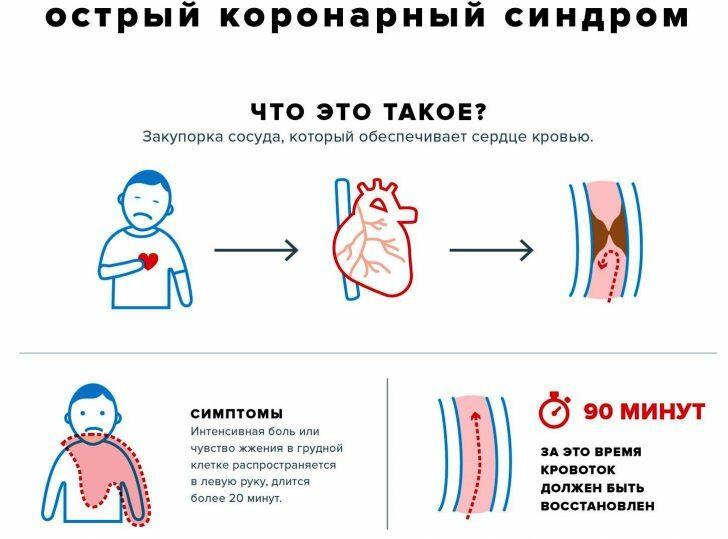
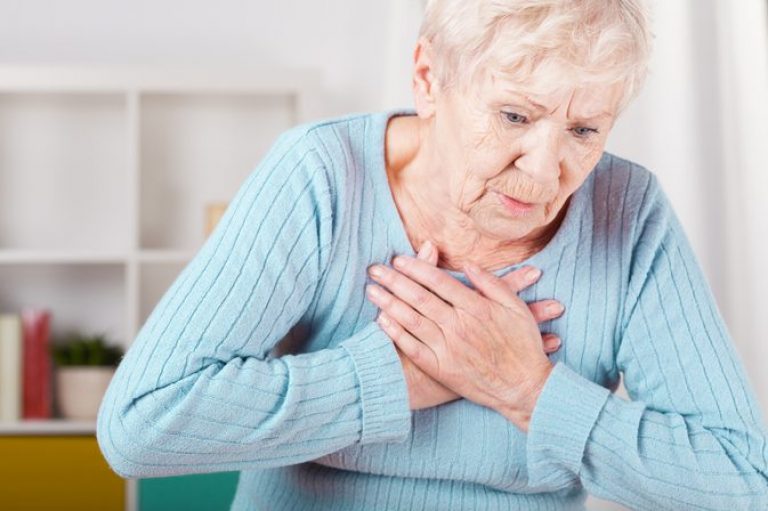
- Third stage called sclerotic. In the myocardium, cicatricial changes are formed that remain after microinfarctions or the formation of a large focus of atherosclerosis. The patient often complains of severe pain in the chest or in the region of the heart. He often experiences surges in blood pressure, a feeling of suffocation, and severe fear. In severe cases, nausea or vomiting occurs. The attacks are stopped by taking nitroglycerin.
Types and stages
Classifies the manifestations of coronary heart disease according to various criteria. To a large extent, this differentiation is caused by the need for an individual approach to each patient with a careful choice of methods of his treatment.
There are the following types of ischemic heart disease:
- acute, which includes a sudden stop heart or heart attack;
- chronic manifesting itself heart failure, tissue sclerosis or angina pectoris.
According to the variety of the course of symptoms, they are distinguished:
- latent form (no clinical signs);
- angina pectoris (manifested by pain behind the sternum and, in turn, is stable, unstable or spontaneous);
- arrhythmic (accompanied by a pronounced violation of frequency and rhythm heart rate);
- coronary death (cardiac arrest occurs due to a sharp decrease in blood entering the ventricles);
- heart attack (complete tissue necrosis as a result of vascular thrombosis).
Read also:Arterial hypertension
There are also:
- FC-1, when chest pain appears after physical or nervous overload;
- FC-2 - the disease makes itself felt during walking or after eating;
- FC-3 - even a slight tension can provoke an attack;
- FC-4 - any stress, even a slight one, causes severe pain, arrhythmia and suffocation. It manifests itself even with the most insignificant emotional upheavals.
Diagnostics
In order to diagnose coronary heart disease, the doctor uses certain methods of examining the patient.
First, he examines the patient, collects a complete history, examines complaints, conducts auscultation and percussion of the heart.
Then hardware studies are carried out, which include:
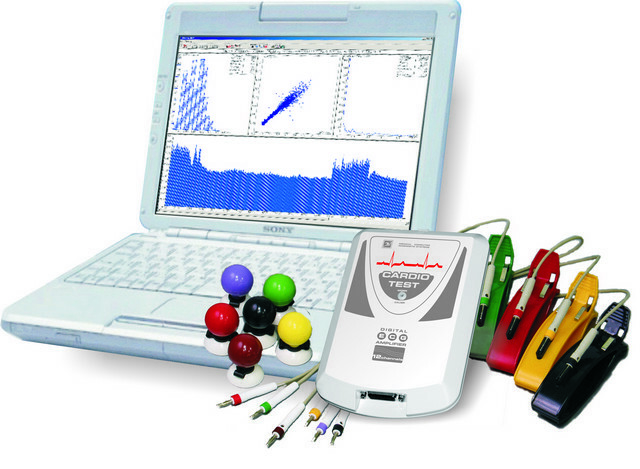
- ECG;
- electrocardiography with stress test;
- Holter monitoring;
- ultrasound scanning;
- Echo-KG;
- dopplerography;
- angiography;
- CT scan;
- scintigraphy;
- ballistocardiography;
- veloergometry.
Various methods make it possible to find irregularities in the work of the heart, to clarify the degree of their intensity, to determine the main trends in the development of the disease.
A careful study of the tissues allows one to determine their structural changes, their loss of functionality, as well as the loss of the normal shape and size of the ventricles.
The doctor also detects foci of development of atherosclerosis and narrowing of the lumen of blood vessels.
With coronary heart disease, the following laboratory tests are prescribed:
- clinical blood test;
- blood chemistry;
- lipid profile;
- determination of blood clotting time;
- clarification of the duration of bleeding.
They make it possible to identify the factors provoking the development of coronary heart disease, determine the degree of existing disorders, and establish the risk of thrombosis.
Coronary artery disease treatment
The fight against the development of the disease involves an integrated approach that depends on many factors. A conservative method is necessarily used, and if it is ineffective, surgical intervention is indicated.
The main treatment is complemented by exercise therapy, the use of a special diet, folk recipes and preventive measures.
Drug treatment
To correct the symptoms and causes of the development of coronary heart disease, the following are used:
- drugs that prevent thrombosis (Acetylsalicylic acid, Warfarin, Clopidogrel, Thrombopol).
- substances that increase the supply of oxygen to the heart muscle (Betalok, Coronal, Metocard).
- drugs that lower blood cholesterol levels (Lovastatin, Rosuvastatin).
- antiarrhythmics (Amiodarone).
- pain relievers (nitroglycerin).
- diuretics (Lasix, Furosemide).
- calcium antagonists (Amlodipine, Anipamil, Verapamil, Diltiazem, Nifedipine, Tiapamil).
- substances that suppress the synthesis of an angiotensin-converting enzyme (Captopril or Enalapril).
- beta blockers (Atenolol, Bucindolol, Metoprolol, Nebivolol, Propranolol, Timolol).
- sedative medicines (Afobazol, Gerbion, Phenibut).
The use of pharmacological drugs can reduce the risk of vascular occlusion, reduce the manifestations of ischemia, improve cardiac conduction and make the patient feel better.
Surgery

With the ineffectiveness of conservative methods, various operations are used to improve the patient's condition.
Indications for this method of treatment are irreversible changes in the inner wall of the vessels of the heart or a pronounced narrowing of their diameter.
It is not recommended to carry out surgical intervention if the recovery period has not yet ended after the heart attack, with severe chronic heart failure or the impossibility of normal contractile activity ventricles.
- The most commonly performed angioplasty is to restore vascular patency.
- Angio-shunting is the creation of collaterals bypassing the coronary artery. Anastomosis is made from the tissues of the large vessels of the patient himself. This method leads to a significant improvement in the general well-being of a person.
- External counterpulsation is also used. It creates the prerequisites for increasing diastolic pressure, which can significantly reduce the load on the left ventricle. This reduces oxygen starvation, increases the intensity of cardiac output and improves the blood supply to the heart muscle.
In case of an extremely serious condition of the patient and the possibility of performing this operation, a heart transplant is performed.
Complementary and alternative home treatments
An integrated approach implies a combination of traditional methods of combating coronary heart disease with a number of special, including non-traditional, measures. They help to reduce oxygen deprivation of the myocardium, reduce the frequency of attacks and significantly improve the patient's well-being.
However, it is worth noting that the use of such treatment methods is allowed only after consultation and full approval of the cardiologist.
Read also:Atherosclerosis of the vessels of the lower extremities: symptoms, photos and methods of treatment
Certain medicinal plants, foods, dietary supplements, and exercise can damage the patient's condition. Therefore, their use should be strictly dosed and timed.
Nutrition and Supplements

Obesity is one of the main factors provoking the onset of coronary heart disease. Therefore, the diet becomes an important point in the patient's treatment.
It is desirable to give preference to low-calorie food, rich in vitamins and minerals.
It is recommended to include in the diet in large quantities foods with a high concentration of ascorbic acid (citrus fruits, cranberries, chokeberry).
You need to eat more plant foods.
Prohibited:
- fat meat;
- canned fish;
- rich broths;
- egg dishes;
- oil;
- caviar;
- seafood soups;
- alcohol;
- coffee;
- strong tea, etc.
Milk and milk products are also subject to restrictions.
Salt intake should be in the limit of ten grams per day.
Lean meats and fish are allowed for consumption, but in limited quantities and only boiled.
In general, it is allowed to include no more than one hundred grams of protein per day in the composition of meals. When the norm is exceeded, various nitrogenous compounds are formed, which significantly worsen the patient's condition. The presence of any fat and carbohydrates in food must be strictly controlled.
It is recommended to use fractional nutrition, since a significant filling of the stomach can provoke an attack.
It is recommended to stew and bake dishes.
The last meal should take place no later than three hours before bedtime.
Only with the special permission of a specialist is it allowed to include biologically active additives in the list of taken substances to stabilize metabolic processes in the myocardium and the body as a whole. A strictly dosed intake of antioxidants, carotenoids, fish oil, flavonoids is recommended.
Reception is especially important B vitamins, C and E, as well as potassium, magnesium, selenium and zinc, which improve heart function.
Herbs and other folk remedies

Herbal medicine can significantly improve the general condition of the patient with coronary heart disease.
It is recommended to receive a collection consisting of hawthorn, valerian, motherwort and chamomile. Take a tablespoon of the mixture of plant materials in a glass of boiling water and insist for three hours. Drink before every meal.
The tool allows you to improve cardiac conduction, reduce the manifestations of arrhythmias and calm the patient.
A collection that includes periwinkle, hawthorn, valerian, calendula, lemon balm, mistletoe, motherwort, caraway and dill. One tablespoon of the herbal mixture is poured into a glass of boiling water. Insist for an hour and take it twice a day. The composition has antiarrhythmic and sedative effects.
With cardiac diseases you need to take half a kilogram of honey and fill it with a bottle of vodka. Heat up until scale forms on the surface. Then they are removed from the heat and sprinkled with half a teaspoon of valerian, highlander bird, motherwort, chamomile and marsh dryweed. Strain and insist for three days in a cool and dark place. Take ten grams twice a day. The tool allows you to expand the lumen of blood vessels, calm the patient and strengthen the defenses of his body.
Promotes dilatation of arteries and stabilizes heart rate regular garlic. In addition, it regulates lipid metabolism and has an antithrombotic effect. It also actively removes toxins and increases resistance. It should be pre-crushed, add the required amount of honey and leave in this form for a week. The released syrup is taken twenty grams three times a day after meals.
Exercises
With ischemic heart disease, therapeutic exercises can be of great benefit. The following motor actions are recommended:
- it is necessary to take a sitting position. The upper limbs are slowly raised above the head, then lowered horizontally, parallel to the floor. Slowly they take in air into the lungs, and when they lower their hands, they exhale it. Performed five times (five times);
- hands rest on the sides while sitting. One upper limb, set wide to the side, slowly rises to the shoulder. An inhalation follows, then it goes down. Then the exercise is carried out with the other hand (five times);
- sit down, connect the upper limbs with your fingers and take them away from you to the maximum distance, keeping them parallel to the shoulder girdle (eight times);
- in a sitting position, put one leg in front of you, and bring the other under the chair. Change their positions slowly (tenfold);
- you need to stand up, bend the upper limbs at the elbow and close in front of the sternum. The body slowly turns in different directions, deep, unhurried breaths in and out (six times) follow at the same time;
- in a standing position, hands must be closed over the head. The lower limb rests on the tips of the fingers, the body bends in the same direction. Then the exercise is carried out in another (five times);
- you need to get up and grab the back of the chair. Slowly bend the knees and inhale. Then they straighten up and exhale (six times);
- you need to get up and slowly bend your whole body in different directions, raising the upper limb above your head (six times);
- you should stand up and put your hands on your sides, and then slowly turn your head in different directions (five times);
- it is required to lie with your back up and straighten the upper limbs at the seams. The lower ones, as far as possible, need to be raised one by one (six times);
- for half a minute, a leisurely walking in place is carried out. After the approval of the cardiologist, as the body strengthens and the general condition improves, the pace is allowed to accelerate somewhat;
- in the future, small jerks alternate with a slowdown in stride for three minutes;
- gradually begin to slowly bend the leg at the knee on the move (half a minute).
Read also:Hypertensive crisis: what is it, causes, symptoms, first aid and treatment
Performing physiotherapy exercises will activate blood circulation, improve tissue supply oxygen, reduce the manifestation of stagnation, stabilize the state of the vascular network and strengthen organism.
Prophylaxis
Ischemic heart disease is a pathology that is better avoided than then long and difficult to treat.
The main measures to prevent it are:
- a ban on the use of alcoholic beverages, strong coffee and tea;
- complete rejection of bad habits;
- daily moderate physical activity;
- taking vitamins and minerals that improve heart function;
- regular measurement of blood pressure and heart rate;
- balanced diet;
- adherence to the daily routine;
- stabilization of professional loads;
- control over body weight;
- prevention of endocrine pathologies, etc.
Preventive measures will make it possible to maintain the health of the heart muscle, reduce overload and improve metabolism in the body.
Constant monitoring of your condition will allow you to identify signs of an impending disease in time. A responsible attitude to your health will help prevent its development and progression in time.
Forecast

Ischemic heart disease is a serious pathology. According to the World Health Organization, it is the leading cause of death, especially among males.
In our country alone, at least several 100 thousand people per year die from it. World statistics point to a figure of 70% of all those who died after 50 years.
IHD is most dangerous due to the occurrence of severe complications, often fatal. The most threatening are heart failure and pain shock, from which about seventy percent of patients die.
People who see a doctor in a timely manner and have received appropriate treatment remain alive in almost a hundred percent of cases. The neglected state reduces the indicator to 70%.
People who neglect the need to see a specialist and do not follow the parameters of the prescribed treatment make up 60 percent all people who have died as a result of a heart attack or a severe attack angina pectoris.
Complete recovery from coronary heart disease is practically not found, but the prognosis for life with early diagnosis and successful correction of the pathology is quite favorable.
Compliance with a diet, a healthy lifestyle and the implementation of therapeutic exercise can significantly improve the patient's condition.
It should be concluded that ischemic heart disease is a severe pathology that requires individual, complex and long-term treatment. An important factor is also its timely detection, prevention of concomitant diseases and factors provoking its occurrence.