Cardiomyopathy: what is it, symptoms, causes, treatment, prognosis
Content
- What is Cardiomyopathy?
- Epidemiology of cardiomyopathy
- Causes and risk factors for cardiomyopathy
- Progression of cardiomyopathy
- Symptoms of cardiomyopathy
- Clinical examination of cardiomyopathy
- How is cardiomyopathy diagnosed?
- How is cardiomyopathy treated?
- Cardiomyopathy prognosis
What is Cardiomyopathy?
Cardiomyopathy Is a disease that affects the heart muscle. Most cardiomyopathies affect the left ventricle of the heart, which is the largest chamber responsible for pumping blood throughout the body.
Although there are many diseases that can cause serious damage to the heart muscle, by definition, cardiomyopathy only causes primary myocardial damage.
Thus, the term does not include acute myocardial ischemia (lack of oxygen), hypertensive or valvular heart disorders.
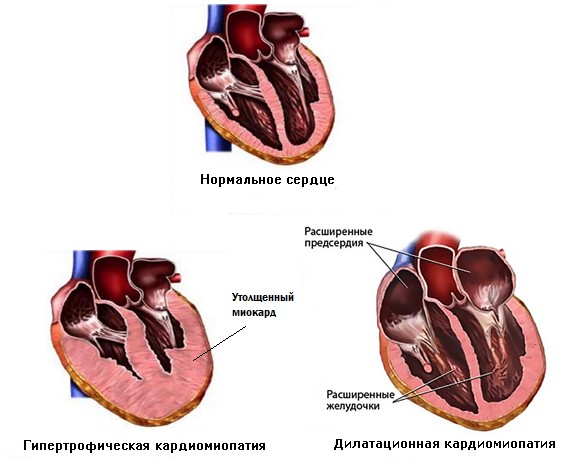
There are four main types of cardiomyopathy:
- Dilated cardiomyopathy (DCMP): expansion of the ventricles;
- Hypertrophic cardiomyopathy (HCM): hypertrophy or thickening of the myocardium.
- Restrictive cardiomyopathy (RCMP): violation of ventricular filling.
- Arrhythmogenic right ventricular cardiomyopathy (AP-KMP). Unlike other types of cardiomyopathy, the right ventricle is mainly affected. This type is usually associated with abnormal heart rhythms.
Epidemiology of cardiomyopathy
Myocardial (heart muscle) dysfunction is very common, usually due to secondary diseases such as coronary heart disease, high blood pressure (arterial hypertension) and heart valve disease. A disease that occurs in the heart muscle itself (cardiomyopathy) is much less common.
It's believed that 1 in 500 people in the world suffers from cardiomyopathy. The disease affects both men and women, adults and children equally. The most common type is dilated cardiomyopathy.
Causes and risk factors for cardiomyopathy
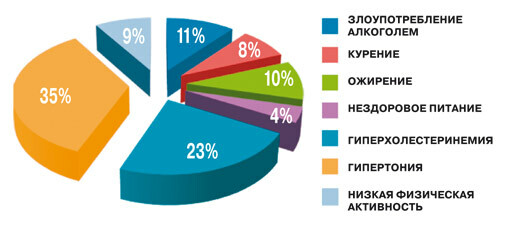
In most cases, the cause of cardiomopathy is not known. However, in some cases, cardiomyopathy can be triggered by the following factors:
Dilated cardiomyopathy:
- Genetics: It is estimated that about 20-30% of cases of dilated cardiomyopathy occur in families. The exact genes involved are unknown;
- Viral infection of the heart muscle (myocarditis) caused by Coxsackie virus and so on;
- Alcohol and other toxins, including the chemotherapy drug Doxorubicin
- Pregnancy;
- Other diseases: hemochromatosis, sarcoidosis, systemic lupus erythematosus (SLE), systemic sclerosis and muscular dystrophy are all associated with dilated cardiomyopathy.
Hypertrophic cardiomyopathy
Near 50% of cases are family (i.e. e. hereditary). The type of inheritance is called autosomal dominant, which means that in order for a child to develop the disorder, the abnormal gene must only be passed on from one parent.
Read also:Acute coronary syndrome (ACS)
The involved genes that provoke the disease are associated with the contractile mechanism of the heart, therefore, when abnormal, the muscles become thick and overactive. HCM can also be caused by other medical conditions, such as Frederick's ataxia and Noonan's syndrome.
Restrictive cardiomyopathy
- Amyloidosis (and other infiltrative diseases): This is the most common form of restrictive cardiomyopathy, in which abnormal proteins accumulate in the heart muscle;
- Sarcoidosis: This is a systemic disease of unknown cause that causes granulomas to form in various tissues, including the heart muscle;
- Radiation fibrosis;
- Endomyocardial fibrosis (a disease that occurs mainly in Africa and tropical regions);
- Loeffler's endocarditis (a disease that causes fibrosis and thickening of the heart muscle).
Progression of cardiomyopathy
As the cardiomyopathy worsens, patients begin to suffer from arrhythmias (abnormal heart rhythms) and heart failure.
Patients are at risk of sudden death as a result of ventricular arrhythmias. Besides, heart failure can progress and also become life-threatening, therefore a heart transplant is required.
Symptoms of cardiomyopathy
Each of the cardiomyopathies is often accompanied by Symptoms of right ventricular or left ventricular heart failure or cardiac arrhythmias (abnormal heart rhythms).

Right ventricular heart failure can cause fatigue, ankle swelling, and nausea. Left ventricular heart failure causes fatigue and shortness of breath on exertion or at night.
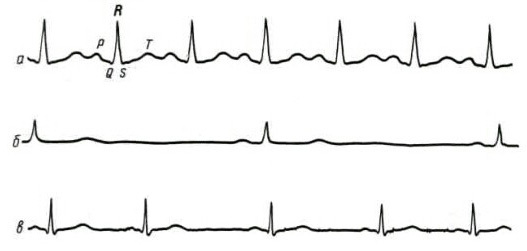
Arrhythmias can manifest as palpitations (tachycardia of the heart) or fatigue, phantom pain and dizziness.
The first symptom dilated cardiomyopathy is often dyspnea, which can be mistakenly attributed to infections and inflammations in the lungs (pneumonia, bronchitis etc.). At hypertrophic cardiomyopathy the first signs in patients are manifested in the form chest painthat can simulate pain when angina pectoris.
Clinical examination of cardiomyopathy
Your doctor will ask you numerous questions about your symptoms and family history to provide information to diagnose this disorder.
Often times, patients with cardiomyopathy may have a close family member with the disorder or a family history of sudden or premature death. If you have a close family member who previously felt well and died suddenly, it may be worth seeing a doctor to find out if these disorders are occurring.
Doctor carefully will study the entire cardiovascular systemto diagnose these disorders. Pulse patterns as well as abnormal and unnecessary heart sounds (tones) are important signs that need to be identified.
Read also:Ventricular tachycardia
The doctor also check the abdomen and lower limbs, to identify swellingthat occurs with right ventricular heart failure. This is because the heart cannot pump blood when the right ventricle of the heart is insufficient, so back pressure leads to the accumulation of blood in the interstitial tissues.
Another important part of the survey is study of the jugular venous pulse (JVP)which is a specific vein in your neck. It also helps the doctor decide if heart failure is present.
How is cardiomyopathy diagnosed?
Usually, examinations are prescribed to study diseases of the heart and blood vessels - these are chest x-ray, electrocardiogram (ECG) and echocardiogram (analysis of the structure and functions of the heart).
How is cardiomyopathy treated?
Although heart failure and other features of cardiomyopathy are treatable, the only real cure for most forms of the disease is heart transplant (transplant).
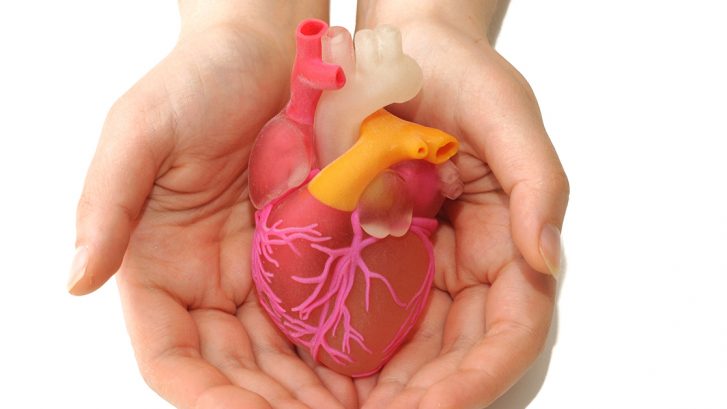
Usually, transplantation is considered only in severe cases, and in some situations, the disease may return after a heart transplant. Treatments for symptoms of cardiomyopathy include therapy for heart failure, arrhythmias, angina pectoris, and embolism standard pharmacological agents.
Treatment will vary depending on the severity of your symptoms. Lifestyle factorssuch as avoiding physical activity, playing sports in patients with HCM, are also other important aspects of managing symptoms of the disease.
Heart failure is treated with drugs that act on the kidneys (diuretics), blood vessels (ACE inhibitors, calcium channel blockers), and the heart (beta blockers, digoxin). In fact, most of these medicines affect many different parts of the body.
Rehabilitation is also important for patients with mild to moderate heart failure. Electrical leg stimulation may be useful for patients with more severe heart failure who are unable to exercise due to severe shortness of breath.
Arrhythmias are treated with medicationaffecting the electrical properties of the heart muscle, or by introducing a pacemaker. Angina pectoris is treated a range of drugs that dilate arteries and improve blood flow to the heart muscle (nitrates, beta blockers, calcium channel blockers). Emboliarising from different parts of the heart are prevented with blood thinners such as Aspirin and Warfarin, in patients at risk.
Read also:Arterial hypertension
In severe cases of DCM and RCMP may need heart transplantbut this is limited by the number of donors available. In the first case, the overall survival results are good. HCM can also be treated partially with surgeryto remove some of the blockage of the muscle septum.
In addition to the above treatments, your doctor will likely suggest testing your close family members to make sure they are not suffering from the same condition. Tests will include physical examination by a cardiologist, ECG, and echocardiography at regular intervals throughout life.
Cardiomyopathy prognosis
Dilated cardiomyopathy
DCMP has a poor prognosis. 50% patients die within 2 years; 25% patients live longer than 5 years. The two most common causes of death are progressive heart failure and arrhythmia.
Hypertrophic cardiomyopathy
The total annual death rate from sudden death is 3-5% in adults and not less 6% in children and young people. However, disease severity and prognosis vary widely depending on the genetic traits involved. Certain genes are associated with a poor prognosis.
Restrictive cardiomyopathy
The worst prognosis of RCM is in patients with heart amyloidosis, in whom the disease may recur after heart transplantation. In general, the disease is poorly diagnosed and many patients die within a year of being diagnosed.
Arrhythmogenic right ventricular cardiomyopathy
Arrhythmogenic right ventricular cardiomyopathy in most cases leads to heart failure and sudden cardiac death (SCD), because people are often unaware that they have this condition, as it is asymptomatic.