Causes of low upper and lower pressure in men
 Hypotension is low blood pressure. It is caused by a variety of causes and is accompanied by a deterioration of well-being due to insufficiently effective work of the circulatory system.
Which pressure indicators are considered to be lower? Normally, blood pressure in a man of 20-40 years is 120/80 mm Hg. Art. But this figure is "universal" and varies with age. Speaking of low pressure, it is meant a reduction of its upper and lower values by more than 20%( e.g., indicators of 90/60 are already reduced).
Table 1 - Norms of pressure by age.
| AGE( YEAR) | INDEXES |
|---|---|
| 20 | 123/76 |
| Up to 30 | 126/79 |
| Up to 40 | 129/81 |
| Up to 50 | 135/83 |
| Up to 60 | 142/85 |
| Older than 70 | 142/80 |
Contents of
- 1 Reasonslow pressure low
- 2 Causes upper and lower pressure
- 2.1 low upper pressure
- 2.2 low pressure lower
- 3 low pressure in the elderly
reasons
low pressure in some cases hypotension is considered and physiological norms for this. It can be observed in tall men with asthenic physique, athletes and people who are constantly engaged in heavy physical labor. In some cases, hypotension is a physiological mechanism of adaptation to climatic conditions, and appears the inhabitants of the tropics, the highlands and the Arctic. This low pressure is not accompanied by a deterioration in well-being and is not felt by a person.
Pathological hypotension may be primary( or idiopathic) and secondary. This condition always causes a number of symptoms, is felt by the patient and worsens the quality of life.
Primary hypotension is an independent disease. The reasons for its development are diverse, but more often than not, they involve a small activity of the autonomic nervous system or intense psychoemotional overstrain.
Secondary hypotension is caused by a complicated course of any underlying disease. The reasons for its development set, and often decrease in pressure caused the following diseases:
- endocrine system disease( adrenal dysfunction, hypothyroidism, diabetes etc.);
- osteochondrosis;
- stomach diseases( eg, peptic ulcer disease);
- liver disease( cirrhosis, some forms of hepatitis, etc.);
- heart disease( arrhythmias, heart failure, stenosis of the aortic valve, etc.);
- severe internal injuries( eg, concussion of the brain);
- bleeding;
- severe poisoning( narcotic drugs, certain medications, etc.);
- acute infections;
- sepsis;
- dehydration;
- nicotine dependence;
- alcohol dependence.
In its current, hypotension can be:
- Acute. This condition requires immediate medical attention and is accompanied by a sharp drop in blood pressure to critical levels. Such hypotension is manifested by collapse( a sharp decrease in vascular tone) or shock( paralytic vasodilation).These conditions can be caused by acute trauma, bleeding, acute circulatory failure, severe poisoning, sudden dehydration, acute infections or sepsis.
- Chronic. This condition requires treatment of the underlying disease and is not accompanied by a drop in blood pressure to critical numbers. Such a course of hypotension is caused by chronic diseases.
Causes of low upper and lower pressure
The reasons for lowering the upper and lower pressure may be different.
Low upper pressure
The upper pressure indicator indicates the force with which the heart ejects blood into the vessels. In norm it corresponds to the indices 120-110 mm Hg. Art.
Decrease in the upper pressure values can be caused by the following reasons:
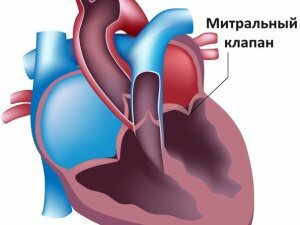
- dysfunction of the heart valves;
- is a rare pulse;
- diabetes;
- climatic conditions;
- mental stress;
- physical activity.
In the absence of deterioration of well-being, a slight and a single decrease in the upper pressure, the condition can be considered a variant of the norm. Anxiety should cause cases of systematic reduction of these indicators, which cause discomfort.
Low lower pressure
The lower pressure indicator indicates the strength of vascular resistance at the time of myocardial relaxation. In norm it is less than the upper pressure by 60-70 mm Hg. Art.(I.e., about 80 mm Hg).
Lower pressure lowering may be caused by the following reasons:
- shock states;
- cardiac or renal insufficiency;
- myocardial dysfunction and heart valves;
- arrhythmia;
- allergy;
- anemia;
- hyperthyroidism;
- peptic ulcer;
- vitamin deficiency;
- cancers;
- blood loss;
- dehydration;
- improper intake of certain medications.
In some cases, lowering the lower pressure is caused by serious illnesses or conditions, and requires urgent medical attention. Reduction of these indicators for other reasons, too, requires mandatory clarification and elimination of factors that cause hypotension.
Low pressure in the elderly
 Hypotension in the elderly is due to illnesses acquired over the course of life. Its course is aggravated by degenerative-dystrophic changes in the target organs - vessels, kidneys, heart, brain, liver and joints that occur in the body. With hypotension, the blood ceases to flow into all parts of the brain and other vital organs, and this state provokes a significant violation of their functions.
In older people with low blood pressure, orthostatic collapse can occur, accompanied by an additional decrease in pressure when trying to move from horizontal to vertical position. This is due to a sharp deterioration in the blood supply to the brain, causing dizziness and worsening of health. A person can lose consciousness or fall down without losing consciousness.
Postprandial hypotension is also characteristic of the elderly. This condition occurs with a sharp attempt to get up after eating, accompanied by a sharp decrease in blood pressure and deterioration of the general condition.
In the elderly, low blood pressure can be complicated by cardiovascular diseases and dementia. And degenerative changes in cerebral vessels in combination with hypotension significantly increase the risk of ischemic stroke.
Cardiologist Petrova Yu.
Recommended for viewing: