NDC for hypertensive type: symptoms, causes, treatment
There is a large group of disorders of the circulatory system in the human body - neurocirculatory dystonia, this group includes the NCD of the hypertensive type.
Cause of occurrence: violation of nervous regulation and vascular tone.
It is diagnosed more often in young people. This is due to dysfunction of the autonomic system.
A group of disorders in which the patient complains of chronic fatigue, lethargy, insomnia, and often feels irritated. Many of these symptoms are not taken seriously.
With neurocirculatory dystonia, a person has an increased systolic and diastolic pressure within the normal range.
Content
- Disease development mechanisms.
- Types of NDCs
- Classification
- Causes of violations
- Symptoms
- Diagnosis of the disease
- Treatment of the disease
- Therapeutic methods
- Medication
- Traditional methods of treatment
- Prophylaxis
- Possible complications
- Forecast
- Related Videos
Disease development mechanisms.
IN. AND. Makolkin developed a classification VSD. It is based on the mechanisms of the appearance of reactions of the human body to disruptions in the work of the autonomic NS.
The autonomic nervous system is responsible for regulating the functioning of internal organs. Consists of parasympathetic, when it is excited, the organs begin to work faster, and sympathetic, it performs the opposite function, slows down the work of organs. Thanks to them, all organs and systems in the body work harmoniously.
Disturbances in the work of this system, and there is neurocirculatory dystonia, when the body does not work well. For example, when a system has to work intensively, braking occurs and vice versa. This is because the regulation of one of the ANS divisions predominates.
neurocirculatory dystonia occurs when the parasympathetic department predominates. The activity of their work depends on the activity of blood flow to the organs. This is how control is carried out. To do this, at the right time, the walls of the vessels expand or narrow, this is how the blood supply to the organs and systems of the ANS is regulated.
Thus, a certain amount of blood circulates to the organ at a certain period of time. But when the parasympathetic system lowers the vascular tone, a malfunction occurs. Therefore, systolic pressure decreases, which is the main symptom of NCD.
The organs do not receive enough nutrients, as a result of which other symptoms of the disease appear. Hypoxia of tissues and dystrophy can frolic.
Such changes in the body are recorded and automated, and neurocirculatory dystonia becomes an independent disease. A pathological reaction occurs after the action of a certain stimulus, it may be stress or a change in weather conditions.
Types of NDCs

The symptomatology of the disease proceeds differently in all patients.
But the essence and the reason is the same, in a person the work of the autonomic nervous system is disrupted and neurocircular dystonia is formed.
There are several types of NDCs, depending on the blood pressure indicator:
- hypertensive type neurocirculatory dystonia - pressure is constantly increasing, changes do not depend on age-related changes;
- hypotonic neurocirculatory dystonia - there is constant lethargy and a feeling of weakness, with low blood pressure and pulse;
- mixed neurocirculatory dystonia - symptoms of the two previous types appear. This happens unexpectedly for the patient, and it is not clear when what symptoms will appear.
Read also:Bradycardia
Classification
Now there are two classifications of NCD, etiological and according to the severity of symptoms.
The etiological classification was developed by S. BUT. Abbakumov and V. AND. Makolkin, they identified the following main factors:
- Essential - manifested due to a hereditary predisposition.
- Psychogenic, occurs against the background of constant stress.
- Infectious toxic.
- Due to constant physical overvoltage.
- Features of the human profession.
There are also three forms of the disease in terms of severity: mild, moderate and severe.
Causes of violations

Hypertensive type neurocirculatory dystonia occurs due to the action of many factors.
One thing can be said for sure, NCD does not arise as a result of organic disorders of the endocrine or NS.
The reasons for the appearance of pathology are:
- constant overwork;
- lack of sleep;
- decreased human activity;
- regular physical activity, and the resulting overstrain;
- negative emotional background;
- severe diseases of internal organs;
- craniocerebral trauma of varying severity;
- acclimatization;
- hormonal malfunctions in the body;
- acute infectious diseases.
Also, the development of the disease is influenced by the hereditary factor and the individual characteristics of the organism. People whose relatives suffer from diseases of the heart and blood vessels are at risk.
Symptoms

NCD for hypertensive type manifests itself in patients in different ways, the following symptoms are more common:
- weakness;
- a person feels tired even after minor exertion;
- frequent light-headedness;
- changes Heart rate;
- headache;
- breathe heavily;
- sleep problems;
- frequent pain in the region of the heart;
- meteosensitivity and meteorological dependence.
An increase in heart rate up to 100 beats per minute is also observed. Man sweats a lot and his palms are cold. Both the whole body and individual areas can sweat.
Also, with this disease, dermographism is manifested when the skin changes color after mechanical action. Therefore, if the patient is touched with something on the skin, there will be white traces that pass very slowly.
The same symptoms are manifested in patients with NCD according to the hypotonic type, only their pressure and pulse are lowered.
Symptoms occur periodically, all symptoms do not appear at the same time, their constant alternation is observed.
Diagnosis of the disease
Since the symptoms are nonspecific, doctors need to do a diagnosis to determine the disease. At the first visit, it is difficult to determine the disease, diseases of the cardiovascular system are more often suspected. To confirm the NDC for hypertensive type, it is necessary to conduct a number of studies.
If symptoms last more than 2 months, the patient periodically notes the manifestation of symptoms of the disease. And they are associated with unpleasant situations, and the time when the hormonal background is unstable, then the disease proceeds in waves, with periods of remission, absence of symptoms, and exacerbations, rapidly is progressing.
To confirm the diagnosis, it is necessary to study the indicators of systolic (upper) and diastolic (lower) blood pressure. It is measured over time and with little physical exertion. Do ultrasound and ECG. More often with an ECG, arrhythmia is diagnosed, and ultrasound does not show changes in the structure and work of the heart and blood vessels.
Doctors use stressful dynamic ECG tests to make an accurate diagnosis.
- Physiological test, implies hyperventilation, you need to breathe actively for 40 minutes, the patient breathes actively, after which an ECG is done. The indicators are compared with the initial ones. If the pulse has become more frequent by 50% or more, and negative T waves appear on the ECG or the amplitude has increased, this indicates NCD.
- Orthostatic ECG test is recorded after changing the position of the patient's body. First, in the supine position, then after the patient has stood for 15 minutes. A positive result, the presence of a disease, is evidenced by the same changes as in the test with hyperventilation.
- Samples using drugs. To do this, the drug is administered and after 60 minutes the ECG readings are taken. The indicators are compared before and after the administration of the drug.
Read also:Sudden cardiac arrest
With NCD of the hypertensive type, there is a lack of potassium in the body, respectively, the symptoms will confirm this. Listen to heart murmur during examination.
In the course of diagnosis, first of all, it is necessary to exclude hypertension. If a person has hypertension in the vessels, pathological changes will be observed, and with VSD, everything is in order with the vessels.
Doctors collect anamnesis, carefully study the symptoms and causes of its occurrence. The circumstances that could cause the development of the disease assess the individual characteristics of the human psyche and the state of his nervous system.
When diagnosing NCD by the hypotonic type, a number of diseases of the digestive and respiratory organs are revealed. These are secondary symptoms of this form. Consequently, those that will directly affect the diseased organs are added to the main drugs and methods.
Treatment of the disease
Hypertensive type neurocirculatory dystonia is treated in a comprehensive manner. The most effective method doctors consider therapeutic. With its help, you can not only improve the patient's condition, but also prevent the recurrence of symptoms. Other methods of treatment are also prescribed, depending on the patient's condition and signs of the disease.
Therapeutic methods
This is the main treatment for NCD. Doctors recommend increasing the body's adaptive ability to environmental conditions that are constantly changing.
People with such a diagnosis are shown to strengthen the body by hardening, go in for sports, it is best to choose swimming or athletics. Group sports are not recommended due to the high level of injury, this can provoke a relapse.
The patient is advised to see a psychotherapist. He must normalize his psychological state.
As additional techniques, the patient is recommended massage, therapeutic acupuncture, electrophoresis with bromine or magnesium. You do not need to self-medicate, even such procedures must be agreed with a doctor. They can do harm, it all depends on the symptoms and their severity.
Medication
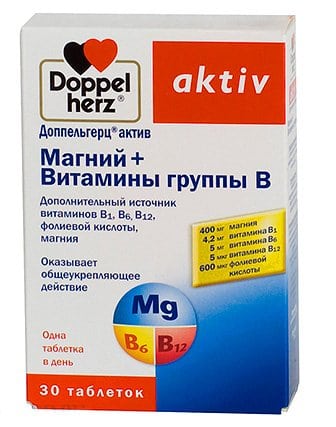
If symptoms bother the patient, he is prescribed drugs.
They act exclusively on the manifestation of the disease, temporarily remove it.
They do not affect the causes of these appearances.
- When a patient has a psychological or emotional disorder, sedatives are prescribed. The symptoms of NCD that have arisen on this basis disappear.
- To normalize the heart rate, it is recommended to take beta-blockers.
- Stabilize the pressure with any drugs with this effect.
- To improve the nutrition of the heart muscles, it is recommended to use B vitamins and riboxin.
Read also:Vein thrombosis of the lower extremities: causes, symptoms and treatment
Traditional methods of treatment
Such funds, as well as medicines, are used symptomatically. The main differences are that drugs give an effect almost immediately, and when using folk remedies, a permanent effect will be only after 4 months.
For treatment in this way, the patient is prescribed a collection of herbs. The composition of these fees depends on patient complaints.
Treatment is aimed at eliminating symptoms, so it is necessary to find out exactly what caused it. If it is an infectious disease, start treatment right away.
If stress is necessary to get rid of the cause that led to it. And if working conditions are the cause of this condition, you may have to choose between health and work.
Mixed type neurocirculatory dystonia is treated mainly in the same way.
In any case, it is necessary to consult with an experienced specialist, he will help to accurately identify the causes and prescribe the correct treatment.
Prophylaxis
To prevent the development of NDCs, a person needs to follow simple rules:
- Give up all bad habits.
- Protect yourself from overload, psychological, emotional and physical.
- Play sports regularly, do exercises.
- Observe the daily routine, alternate work and rest.
- Nutrition should be rational.
- To walk outside.
It is also recommended to regularly attend massage, you can general and therapeutic, manual therapy and other methods that are aimed at improving the body.
Medical prevention consists in timely treatment of infectious diseases, stress, and hormonal regulation in women.
Possible complications
Complications of the NDC are the emergence of crises. They appear suddenly as well as disappear, there are such forms:
- vagoinsular crisis. When it is difficult for a person to breathe, there is not enough air, flatulence and asthenia;
- sympathetic-adrenal. Severe headaches, palpitations, chills are noted. A person has a fear of death, panic attacks, the heart is unstable;
- when mixed, the symptoms of the two previous types are observed.
Long duration of symptoms can trigger depression and other psychological disorders.
Forecast
The disease does not pose a threat to the patient's life, therefore, a favorable course of the disease is predicted.
If a person is constantly exposed to factors that constantly provoke the appearance of symptoms, they go away on their own.
In old age, NCD can cause a decrease in a person's working capacity, and the rate of response to treatment of emerging symptoms also decreases.
The name of the disease speaks of itself neuro (nervous) and circulatory (blood circulation). Therefore, the symptoms of this disorder should not be ignored, because the situation can gradually worsen. And the person gets worse and worse.
NCD by hypotonic type, hypertensive and mixed, these diseases are associated with disruption of the ANS. Therefore, all therapeutic and preventive measures are carried out according to the same principle, but at the same time, the individual characteristics of the patients are taken into account.