Varicose veins of the lower extremities: symptoms, photos and treatment of varicose veins
Varicose veins of the lower extremities Is a pathological condition characterized by the development of deformation of the muscular, serous and mucous membranes of the blood vessels of the venous type. Varicose veins of the lower extremities develops as an independent disease and is accompanied by the development of a number of symptomatic symptoms characteristic of it.
In the complete absence of therapeutic measures, severe health consequences can form, up to the complete loss of the affected limb. Correction of symptoms and pathogenetic treatment are prescribed to each patient individually, depending on the degree of damage and the severity of structural changes in the walls of blood vessels.
Content
- Pathogenetic features of the development of the disease
- Etiological factors provoking the development of varicose veins in the lower extremities
- Disease classification
- The main symptoms and signs of varicose vascular pathology
- Treatment of varicose veins of the lower extremities
- Conservative treatment methods
- Compression treatments
- Surgical intervention
- Preventive measures for the development of varicose veins of the venous vessels
- Related Videos
Pathogenetic features of the development of the disease
As indicated by the anatomical features of the veins of the lower extremities, there are two main types of them - peripheral and deep vascular plexuses. Depending on the localization of the veins of the lower extremities, there is an outflow of blood from the muscle tissues to levels of different depths.
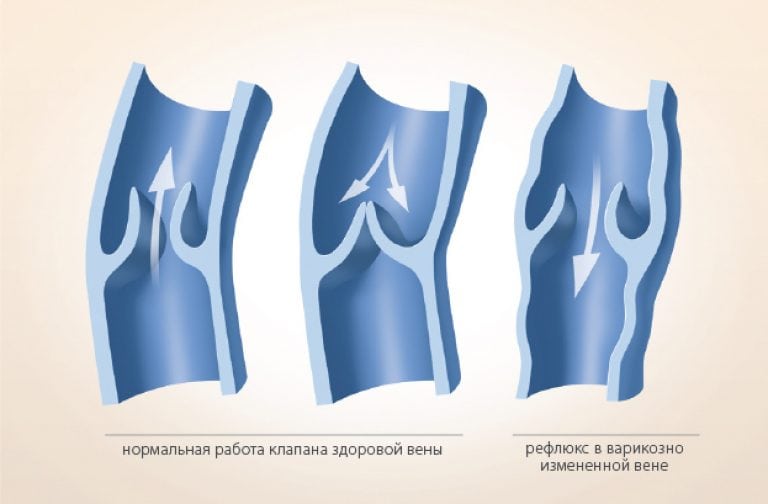
A distinctive feature of venous vessels from arterial ones is the weak intensity of development of the muscle layer and the presence of valve structures in their lumen. The small force of muscle contractions does not allow spontaneous pumping of blood from the lower extremities in the opposite direction. The outflow of blood is produced as a result of muscle contractions, the blood is pushed upward, and the valve structures prevent the reverse regurgitation of blood.
Varicose veins disease develops as a result of a violation of the normal physiological outflow of blood from the muscles of the lower extremities. In the pathogenesis of this condition, a violation of the valve apparatus of the venous vessels is involved. When the valve structure of the veins of the lower extremities is damaged, venous blood is pushed not only upward, but also a reverse flow occurs. This pathological process leads to an increase in pressure in the blood vessels and, as a result, the expansion and deformation of their walls.
The deformed surfaces of the membranes of the venous vessels also develop against the background of increased stimulation of the vasomotor center, which exerts a great load on the veins. If pathogenetic mechanisms are not eliminated and treatment is not carried out at an early stage, it may be necessary surgical removal of damaged vessels as their walls will no longer be functional are able.
Etiological factors provoking the development of varicose veins in the lower extremities
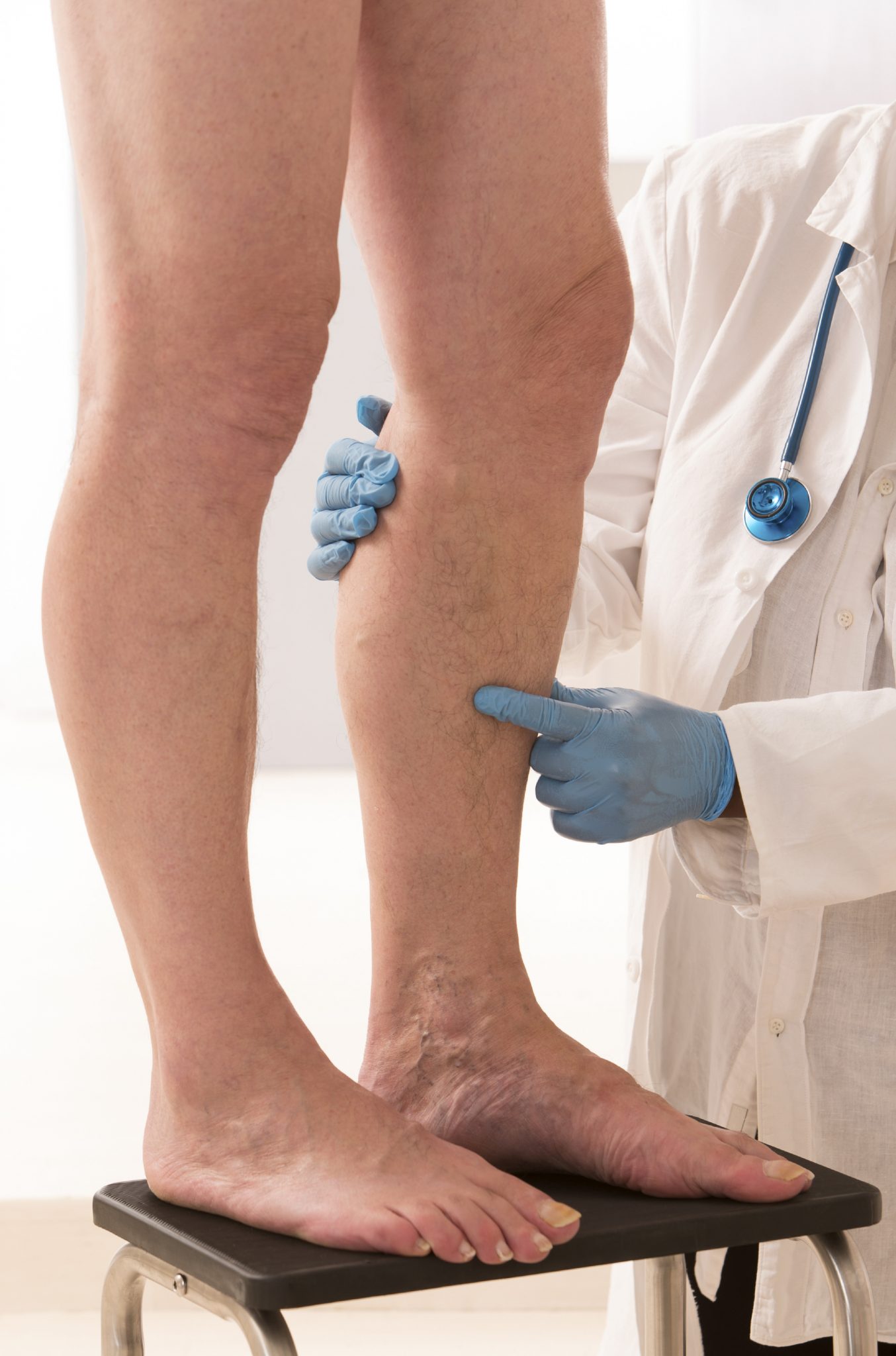
Varicose veins of the lower extremities refers to diseases, the etiology of which can be very diverse, it is mainly associated with increased loads on the lower extremities.
The main predisposing factors for the development of the disease include:
- the presence in the history of life of genetic anomalies of the structure of the vascular bed, the presence of such a pathology in the closest biological relatives;
- during pregnancy, the load on the lower extremities increases and the main branches of the vascular bed are compressed by the enlarged pregnant uterus. During pregnancy, symptomatic signs of puffiness and the appearance of vascular deformities are considered common;
- a sharp or gradual increase in total body weight, obesity of the first, second and third degree. With increased body weight, the risk of developing atherosclerosis of the vessels of the lower extremities and fatty deformation of the venous vessels;
- not adherence to an active lifestyle, prolonged immobility, especially in a standing position, increases pressure on the vascular walls, muscle contractility is minimized, the venous pump in this case stops function;
- the use of tight clothing leads to squeezing of superficial venous vessels and, as a result, an increase in the load on deeply located veins;
- malnutrition also plays a characteristic role in the development of this pathology. Due to the wrong regimen and quality of nutrition, the absorption function of the intestine is gradually disrupted. Disorder of intestinal digestion leads to impaired absorption of nutrients necessary for the body, including vitamins responsible for the active regeneration of the vascular wall;
- hormonal drugs used for the purpose of conducting therapeutic measures and as a method of oral contraception.
Read also:Prinzmetal's angina
Disease classification
A disease such as varicose veins, depending on the severity of clinical symptoms, is usually divided into three main groups:
- First stage absolute compensation is characterized by a complete absence of symptomatic signs, but with an objective examination of the patient, it is noticeable that the vascular wall has undergone structural changes at a slight interval.
- Second stage relative compensation is manifested by a pronounced vascular lesion with protrusion of veins through the skin. Painfully, symptomatic signs of congestion in the lower extremities begin to develop. Symptoms are most intense at night.
- Third stage severe circulatory disorders manifests itself in the form of severe trophic skin disorders integuments that can, after a certain period of time, become infected with bacterial pathogens. Patients complain of intense pain in the lower extremities, swelling and convulsive syndrome that manifests itself at night. As a result of severe thinning and overstrain, the vascular wall ruptures with the formation of large-scale hematomas under the skin and into muscle tissue.
Today, widespread treatment with folk remedies is widespread, but a big problem is independent use of funds without the supervision of the attending doctor, this leads to serious health consequences sick.
The main symptoms and signs of varicose vascular pathology

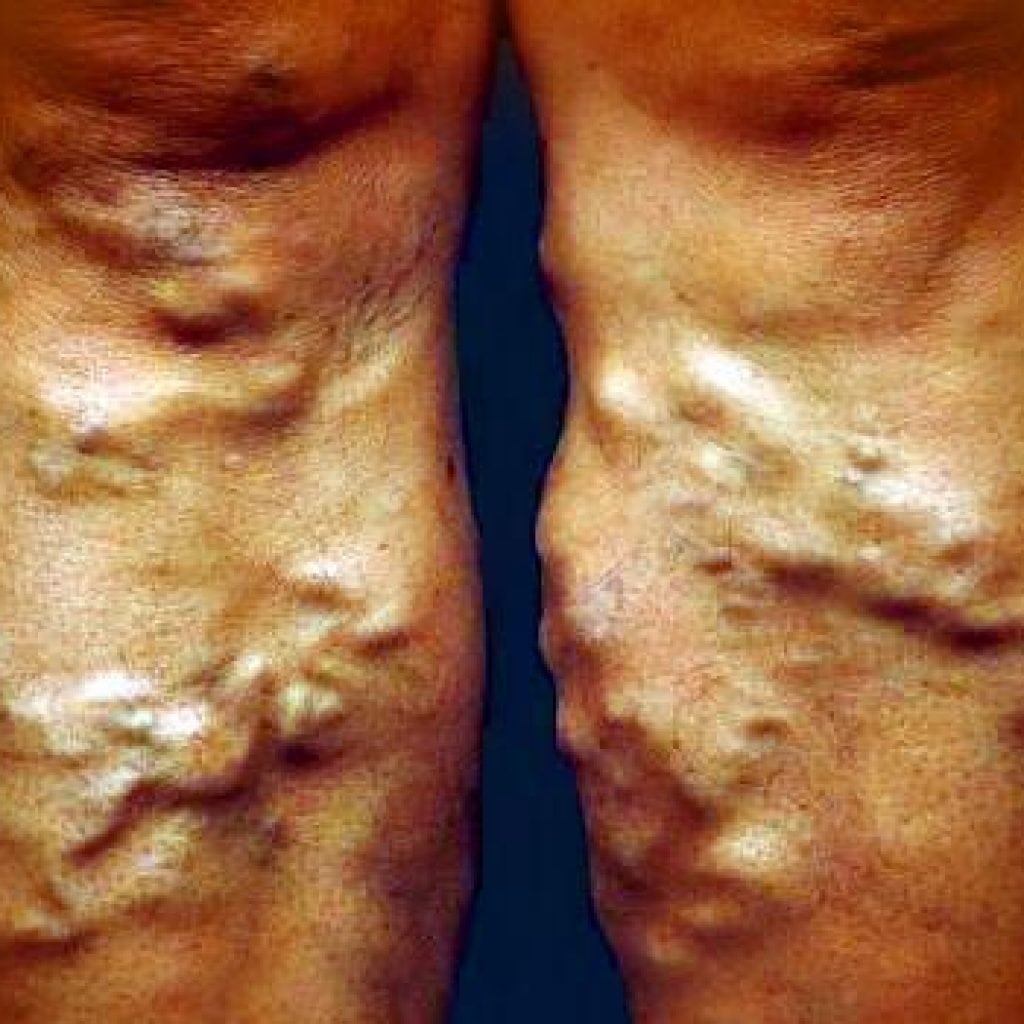


The main symptomatic signs of structural venous disease include:
- painful sensations during prolonged stay in an upright position and when walking;
- regular nocturnal attacks of local convulsive syndrome;
- a feeling of heat and burning of the skin in the calf muscles;
- a pronounced feeling of fatigue and swelling of the lower extremities, with a disorder of superficial and deep sensitivity;
- bursting pain both during the day and at night;
- pathological changes in the color and trophism of the integumentary epithelium are manifested by pronounced dryness of the skin, the appearance trophic ulcers on the leg and areas of hemorrhage in the area of rupture of damaged venous vessels. Educated skin ulcers poorly amenable to regeneration processes and are easily susceptible to bacterial infection;
- severe deformation and expansion of the walls of venous vessels under the influence of increased pressure. Deformed vessels are visible through the skin with the naked eye.
Read also:Syncope (fainting): causes of fainting at high and low pressure, first aid, prevention
In the earliest stages of the disease, diagnosis is almost impossible, since visible lesions of the vascular wall have not yet occurred. The first symptoms characteristic of varicose veins include soreness in the lower extremities, a feeling of heaviness and distention, as well as a mild convulsive syndrome. Gradually, patients begin to feel weakness in the lower extremities with a long stay in an upright position. In the evening, such patients develop edema and convulsions, which gradually intensify over time.
In the early stages of the disease, when there are still no objective signs of vascular pathology, patients undergo differential diagnostics with osteochondrosis in the lumbar spine. These pathologies have very similar clinical symptoms, due to the fact that when osteochondrosis mechanical compression of blood vessels may occur due to deformation of the vertebral bodies. To confirm the main diagnosis, patients are shown to carry out such an instrumental research method as angiography.
Further progression of the disease leads to the fact that muscle fibers under the effect of prolonged hypoxia begin to increase in size, patients are forced to specially select clothes. This pathology is unpleasant not only with uncomfortable sensations, but also accompanied by a pronounced cosmetic effect.
Objective symptoms are especially clearly manifested in men and women with a thin structure of the layers of the integumentary epidermis (see. photo above). The final diagnosis for such a disease is based on the presence of more than two protruding and deformed venous vessels under the skin layers. In the presence of such signs, the diagnosis is not contested.
Treatment of varicose veins of the lower extremities
In modern clinical practice, there are several options for conducting therapeutic measures against varicose veins of the lower extremities. As the statistics show, the female population of the planet is more likely to suffer from this pathology than the male population.
In the treatment of patients with varicose veins, three main methods are used.
Conservative treatment methods
Conservative therapy involves the use of the following treatment methods:
- Normalization of physical activity throughout the day, compensation for work and rest and normalization of physical activity throughout the day.
- Regularly carrying out specially designed, individualized physical exercises.
- Drug treatment is carried out with the use of drugs. The mechanism of action, which is aimed at restoring normal muscle tone in the walls of venous vessels.
To relieve pain, patients are shown the use of non-steroidal anti-inflammatory drugs (for example: Ibuprofen, Diclofenac). Convulsive syndrome is stopped with the use of anticonvulsant drugs (Phenytoin, Carbamazepine), c, tissue edema is eliminated with thiazide diuretic drugs (Acripamide, Indapres). Diuretics will help speed up the process of removing pathologically accumulated fluid from the body.
Compression treatments
Compression therapy means a minimally invasive technique, during which hardening of the affected vascular areas is performed. During this treatment, the doctor inserts a needle into the damaged vessel, a syringe attached to which is filled with a foamy liquid. Under the supervision of a doctor, a foamy liquid is injected into a vein. Foam fills the entire vascular lumen and this leads to a spasmodic contraction of its lumen.
Read also:Hypertensive type neurocirculatory dystonia (NCD)
After carrying out this manipulation, the patient is recommended to wear specialized compression stockings for 3-4 days. After 4 days after the intervention, the vessels stick together. To prevent recurrence of the disease, patients are advised to wear compression bandages, this will not only make it easier the main symptomatic signs of the disease, but also contribute to the formation of dense scars in the damaged vessels.
Surgical intervention
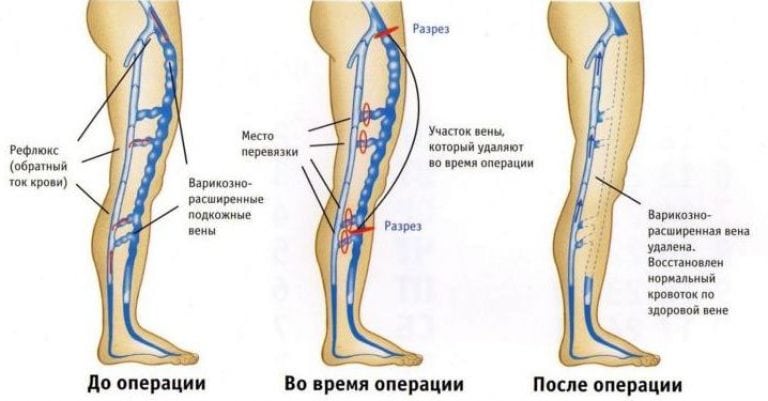
Surgical intervention for varicose veins in the lower extremities is performed in the case of massive vascular lesions and their irreversible structural changes. To date, progress in vascular surgery on the face, there are many methods of surgical intervention in such vascular pathology, including plastic surgery to restore the aesthetic appearance of the skin on the affected area.
Operations on deformed vessels are performed using specialized microsurgical techniques, radiological and laser equipment.
In the early stages of pathology, it is possible to perform operations using phototherapy and laser methods to eliminate defects in valve structures of veins, but further progression of the disease can lead to radical surgical intervention. Radical surgery involves making an incision in the area of the damaged vessel, suturing and removing it.
Some patients with trophic changes in the skin and deep tissues of the lower extremities are recommended to produce in the complex also skin transplantation, if this is not done, infectious and inflammatory complications may occur after an operative interference.
After any surgical and minimally invasive interventions, patients are shown the prophylactic use of antibacterial drugs. Antibiotics are prescribed to prevent infection or spread of infection throughout the body.
Some patients like the use of folk remedies as a correction of vascular pathology, but most often these methods are carried out in addition to the control of the attending doctor and this can lead to serious health consequences sick.
Preventive measures for the development of varicose veins of the venous vessels
Prevention of this pathological condition is important not only for people with burdened heredity, but also for people with difficult working conditions and with an increased body mass index.
As a preventive measure, patients should be provided with an intensive rest regimen, but at the same time it is necessary to carry out specialized therapeutic exercises.
The opinion that patients with varicose veins should stay in a horizontal or sitting position for as long as possible are deceiving, for improve venous outflow it is necessary to allow the muscles to contract periodically.
It is recommended to practice sports such as running, rollerblading or cycling. With such exercises, the muscles of the limbs will regularly contract and ensure the contractility of the muscular wall of the veins. With the timely implementation of the necessary measures to correct the underlying disease, the prognosis for recovery will be favorable. Prevention and treatment of the disease should be carried out in a timely manner.