Increased blood cholesterol: what does it mean, how to treat, diet, folk remedies
In this article, we will tell you about such an organic compound as cholesterol. What does the concept of high blood cholesterol mean, its causes and how to treat it with folk remedies.
Content
- What is cholesterol and what does it do in our blood
- How cholesterol enters the body and how lipid metabolism occurs
- How high cholesterol is diagnosed
- What does bad and good cholesterol mean?
- Norms and reasons for the deviation of indicators
- The norm of cholesterol in the blood in adults (women and men): table by age
- Blood cholesterol levels in men by age
- Norms of cholesterol in the blood in women by age
- Cholesterol and atherosclerosis: is there a connection
- How to lower blood cholesterol levels
- Diets for high cholesterol
- Feature of cholesterol-lowering diet
- What foods lower cholesterol levels and menus for the day
- Treatment of high blood cholesterol with folk remedies
- Prevention and recommendations
What is cholesterol and what does it do in our blood
Cholesterol is an organic compound, it is a fat-like substance, or rather, a natural polycyclic lipophilic alcohol, which cannot be dissolved in water, but easily dissolved in fats that transport it through the body.
Cholesterol is found in cell membranes and gives them elasticity and strength. When the level of cholesterol in the blood is normal, there are no disturbances in the work of internal organs. But as soon as the reference values deviate from the norm, various pathological conditions are noted that lead to severe diseases of the heart and cardiovascular system.
How cholesterol enters the body and how lipid metabolism occurs
Where can cholesterol come from in the human body:
- 60% is generated liver;
- 20% is synthesized by the skin and other organs;
- 20% comes from food.
Cholesterol goes a long way in the body. The synthesis of the substance occurs in the liver, then it is carried through the blood and absorbed in the intestine. In addition to internal synthesis, cholesterol enters the body with complete food. The substance is transported to the tissues in the form of special complexes - lipidoproteins.
The constituent components of lipid proteins are:
- apoproteins;
- cholesterol;
- triglycerides.
How high cholesterol is diagnosed
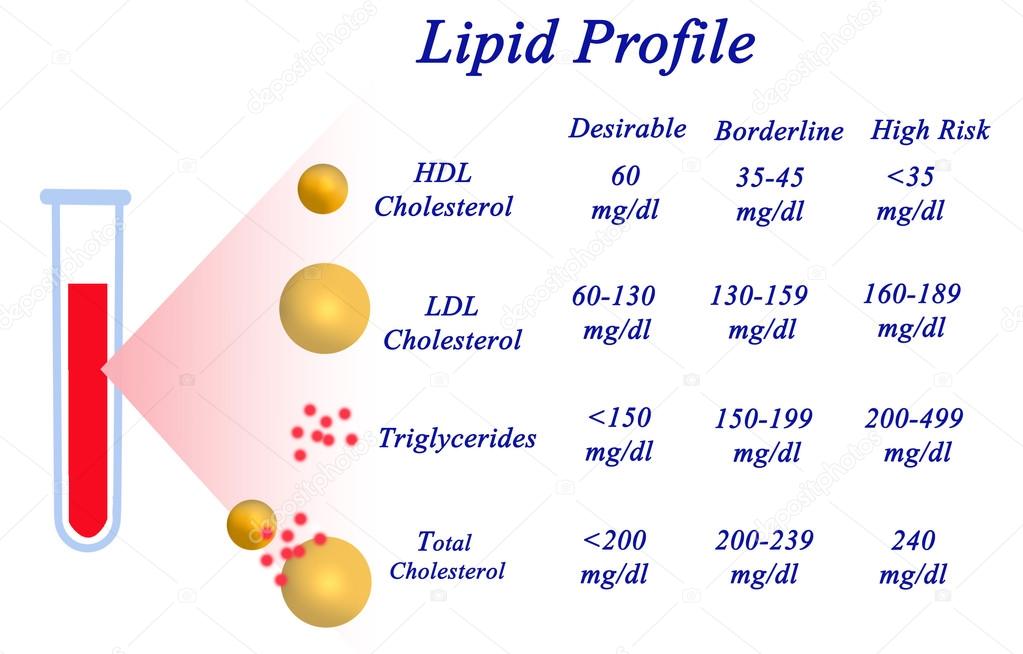
Cholesterol levels in clinics are checked using lipid profiles (or lipid profiles) - this is a comprehensive study that determines the level of lipids. It also helps to identify:
- triglyceride level;
- the concentration of low or high density lipoproteins;
- the level of apolipoproteins A1, B;
- the concentration of cholesterol in the blood.
The indications for a lipid profile are:
- pathology of the heart and vascular system;
- kidney disease;
- liver disease and biliary tract;
- stomach and 12 duodenal ulcer;
- diabetes the first and second type;
- obesity;
- pathology thyroid gland;
- blood diseases;
- malignant neoplasms in the body.
If, according to the results of the study, an excess of the norm is detected, they speak of hypothyroidism, diabetes, kidney pathologies or a tumor in pancreas.
In case of deviations from the norm downward during the study, fasting or cachexia is diagnosed. Also, low rates indicate pathologies of the bone marrow, iron deficiency anemia, blood poisoning or chronic diseases that imperceptibly proceed in the body and cause constant focal inflammation.
What does bad and good cholesterol mean?

The amount of cholesterol (general type of cholesterol) in lipoproteins determines their type. Distinguish between high density lipoproteins (HDL) and low density (LDL).
Both are formed in the liver and contain cholesterol. LDL helps to transport the substance into the vascular walls, as a result of its accumulation, atherosclerotic plaques and atherosclerosis are formed.
Important! The active accumulation of low-density lipids in the walls of arteries contributes to the deposition of calcium salts, the proliferation of connective tissue and a deterioration in the general health of an adult.
The more proteins a person needs to form new cells, the more steroid hormones are needed, and, as a result, less LDL is needed.
High density lipoproteins promote the reverse movement of cholesterol from the walls of blood vessels, tissues and organs. Further, the transformation of LPVN into other lipoproteins occurs, their transport to the liver and excretion with bile.
In simple terms, the level of LDL (low density) and the cholesterol in them is called bad, while the level of HDL (high lipoprotein), on the contrary, is good.
As soon as any of the bonds of lipoproteins fails and the cholesterol level in both the first and second cases fluctuates from higher (LDL) to lower (HDL), atherosclerosis occurs. The risk of developing cardiac ischemia is also significantly increased.
Norms and reasons for the deviation of indicators
To decipher the results, it is necessary to examine the blood taken on an empty stomach. Interpretation of the results gives general indicators of cholesterol (the total level of all components), as well as the level of 3 types of lipoproteins:
- VLDL (very low density lipoprotein);
- LDL (low density lipoprotein);
- HDL (high density lipoprotein).
Read also:Acute coronary syndrome (ACS)
Normal cholesterol levels in adults are as follows:
- less than 5.2 mmol / l is the norm;
- up to 6.5 mmol / l - hypercholesterolemia, permissible excess of the reference value;
- from 6.5 to 7.8 mmol / l - a pronounced excess of cholesterol concentration. With this indicator, mortality from coronary heart disease 5 times higher than in other patients;
- more than 7.8 mmol / l - extremely high hypercholesterolemia, which requires immediate intervention by specialists.
The reference values for cholesterol in HDL cholesterol are 0.77-2.2 mmol / l.
Normal values of the substance in LDL are 2.3-5.4 mmol / l.
The norm of cholesterol in the blood in adults (women and men): table by age
| Index. | The norm in men, mmol / l. | The norm in women, mmol / l. |
| Total cholesterol | 3,6-5,2 | 3,6-5,2 |
| "Bad" cholesterol (LDL) | 2,25-4,82 | up to 3.5 |
| Good cholesterol (HDL) | 0,7-1,7 | 0,9-1,9 |
Blood cholesterol levels in men by age
| Age. | Total cholesterol (mmol / L). | LDL-cholesterol (mmol / L). | HDL cholesterol (mmol / L). |
| <5 years | 2.95-5.25 mmol / L | ||
| 5-10 years | 3.13-5.25 mmol / l | 1.63-3.34 mmol / l | 0.98-1.94 mmol / L |
| 10-15 years old | 3,08-5,23 | 1,66-3,34 | 0,96-1,91 |
| 15-20 years old | 2,91-5,10 | 1,61-3,37 | 0,78-1,63 |
| 20-25 years old | 3,16-5,59 | 1,71-3,81 | 0,78-1,63 |
| 25-30 years old | 3,44-6,32 | 1,81-4,27 | 0,80-1,63 |
| 30-35 years old | 3,57-6,58 | 2,02-4,79 | 0,72-1,63 |
| 35-40 years old | 3,63-6,99 | 1,94-4,45 | 0,88-2,12 |
| 40-45 years old | 3,91-6,94 | 2,25-4,82 | 0,70-1,73 |
| 45-50 years old | 4.09-7,15 | 2,51-5,23 | 0,78-1,66 |
| 50-55 years old | 4,09-7,17 | 2,31-5,10 | 0,72-1,63 |
| 55-60 years old | 4,04-7,15 | 2,28-5,26 | 0,72-1,84 |
| 60-65 years old | 4,12-7,15 | 2,15-5,44 | 0,78-1,91 |
| 65-70 years old | 4,09-7,10 | 2,49-5,34 | 0,78-1,94 |
| > 70 years | 3,73-6,86 | 2,49-5,34 | 0,85-1,94 |
Norms of cholesterol in the blood in women by age
| Age. | Total cholesterol (mmol / L). | LDL-cholesterol (mmol / L). | HDL cholesterol (mmol / L). |
| <5 years | 2.90-5.18 mmol / L | ||
| 5-10 years | 2.26-5.30 mmol / l | 1.76-3.63 mmol / l | 0.93-1.89 mmol / L |
| 10-15 years old | 3,21-5,20 | 1,76-3,52 | 0,96-1,81 |
| 15-20 years old | 3,08-5,18 | 1,53-3.55 | 0,91-1,91 |
| 20-25 years old | 3,16-5,59 | 1,48-4,12 | 0,85-2,04 |
| 25-30 years old | 3,32-5,75 | 1,84-4,25 | 0,96-2,15 |
| 30-35 years old | 3,37-5,96 | 1,81-4,04 | 0,93-1,99 |
| 35-40 years old | 3,63-6,27 | 1,94-4,45 | 0,88-2,12 |
| 40-45 years old | 3,81-6,53 | 1,92-4,51 | 0,88-2,28 |
| 45-50 years old | 3,94-6,86 | 2,05-4,82 | 0,88-2,25 |
| 50-55 years old | 4,20-7,38 | 2,28-5,21 | 0,96-2,38 |
| 55-60 years old | 4,45-7,77 | 2,31-5,44 | 0,96-2,35 |
| 60-65 years old | 4,45-7,69 | 2,59-5,80 | 0,98-2,38 |
| 65-70 years old | 4,43-7,85 | 2,38-5,72 | 0,91-2,48 |
| > 70 years | 4,48-7,25 | 2,49-5,34 | 0,85-2,38 |
High cholesterol manifests itself as symptoms associated with obesity. A person is overweight, usually diabetics.
Low rates often indicate bowel disease and malnutrition, exhaustion.
Cholesterol and atherosclerosis: is there a connection
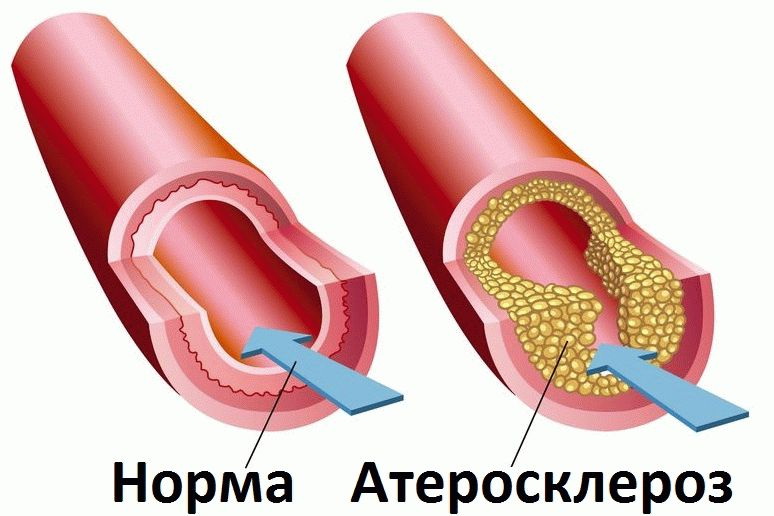
Atherosclerosis is a chronic pathology characterized by specific vascular lesions.
With atherosclerosis, an overgrowth of connective tissue occurs in combination with cholesterol infiltration. inside the choroid, this process is also called the formation of an atherosclerotic plaque in the vessels.
As a result, such plaques narrow the normal lumen of blood vessels, disrupting blood circulation. If the plaque completely closes the vessel, blood will no longer be able to circulate freely throughout the body. In this place, tissue necrosis will occur due to a lack of oxygen, which carries the blood.
But if we talk about a direct connection between cholesterol and atherosclerosis, it should be said that there is no exact information about this.
Many scholars assume that this is just a myth. However, there is also an assumption that some kind of sequence in the detection of high cholesterol levels and the subsequent diagnosis of atherosclerosis in patients is noted.
The main factor in the development of the disease is a violation of the metabolism of proteins associated with fats. Moreover, not all lipidoproteins can contribute to the appearance of atherosclerotic plaques.
The disease is often diagnosed in people whose cholesterol levels are not much higher than acceptable levels.
How to lower blood cholesterol levels
To remove cholesterol from the body, it is necessary to comprehensively address the problem. This requires:
- take medications prescribed by your doctor (statins, fibrates, bile acid sequestrants, cholesterol absorption inhibitors);
- use nicotinic acid (you need to know that the effect develops after taking a few months, there will be no quick effect on lowering cholesterol with the use of this substance);
- follow a special diet, diet (more about it below);
- reduce the consumption of butter, fatty fish and meat;
- reduce the amount of trans fats consumed;
- avoid stressful situations.
With the help of complex treatment, it will be possible to lower cholesterol levels and prevent the development of serious pathologies of internal organs and systems. If you pay attention to your health condition in a timely manner and start leading a healthy lifestyle, it will be possible to significantly reduce the risk of developing atherosclerosis and concomitant diseases of the vascular system.
Read also:Heart attack: symptoms in men, women, causes, treatment
Diets for high cholesterol
A special diet is recommended for people who have a high level of "bad" cholesterol. Nutrition is not aimed at a sharp restriction of calories, but at the transition to healthy foods to eliminate unnecessary risks.
Feature of cholesterol-lowering diet
The main goal is to prevent excessive consumption of saturated fat and dietary cholesterol. Therefore, you need to carefully monitor the amount of animal fats consumed, since they are the most dangerous.

A diet to lower blood cholesterol in women, as in men, implies adherence to the following principles:
- Sandwiches as snacks Is a bad option. It is best to have a snack with fresh fruits or vegetables, salad without heavy use of vegetable oil.
- Consumption of butter should be limited. It is advisable to give preference to vegetable oil, and high-quality olive oil is considered an ideal option.
- You should give up semi-finished products, low-quality sausages, small sausages, sausages. Such foods are hidden sources of saturated fat, which sooner or later lead to the development of atherosclerosis.
- Mayonnaise should be discarded. This product is initially one of the most fatty, and therefore harmful products.
- It is best to include meals in the diet.cooked in the following ways: steaming, stewing, boiling. It is best to forget about frying for a while.
- The menu should include soy products. It is they who guarantee the replacement of animal protein for an optimal supply of all the necessary substances. When choosing soy products, you should take care of their high quality.
- It is recommended to follow closely the amount and frequency of inclusion in the diet of eggs, cheese, sour cream and cream. Otherwise, there is a risk of excess fat, which will lead to an increase in blood cholesterol.
- One of the most dangerous and unwanted foods - lard, regardless of the method of its preparation. To prevent a negative effect on the body, it is advisable to include in the diet marine fish, which has optimal benefits, instead of ordinary lard.
- It is imperative to increase your fiber intake. It is she who is a natural and effective sorbent necessary for removing cholesterol from the body.
- Eat food need in small portions. In this case, the interval between them should be 3 - 4 hours.
- Calorie content also plays an important role.. However, it is undesirable to give up the well-fed state and expose yourself to starvation. The main goal is to prevent weight gain. Gaining 500 grams of weight leads to an increase in cholesterol by 20%.
Correct and thoughtful nutrition provides for the possibility of careful monitoring of the state of health and eliminating the risk of an increase in cholesterol. As a result, it is possible to prevent atherosclerosis and other blood vessel diseases.
What foods lower cholesterol levels and menus for the day
A cholesterol-lowering diet means avoiding fast food and trans fats in favor of:
- polyunsaturated fats omega-3 and omega-6;
- foods with monounsaturated fats;
- pectin (pectin substances);
- protein products;
- fruits, vegetables and legumes;
- foods rich in fiber.
Approximate menu for the day with high cholesterol levels:
- First breakfast: buckwheat porridge 150 gr., apple or orange, black, green tea or coffee without sugar (possible with milk up to 1% fat).
- Lunch: tomato and cucumber salad 250 gr. (seasoned with olive oil and spices to taste), carrot juice 200 ml.
- Dinner: vegetable soup in olive oil 300 ml., steamed chicken cutlets 150 g., grilled vegetables 150 g., wheat bread 1 slice, orange juice 200 ml.
- Afternoon snack: oatmeal 130 gr., apple or or orange juice 200 ml.
- Dinner: low-fat grilled fish 200 gr., stewed vegetables 150 gr., 1 slice bran bread, tomato juice or green tea without sugar.
To lower your cholesterol levels, you must follow the above diet. Include this menu in your diet once a month for 1 week.
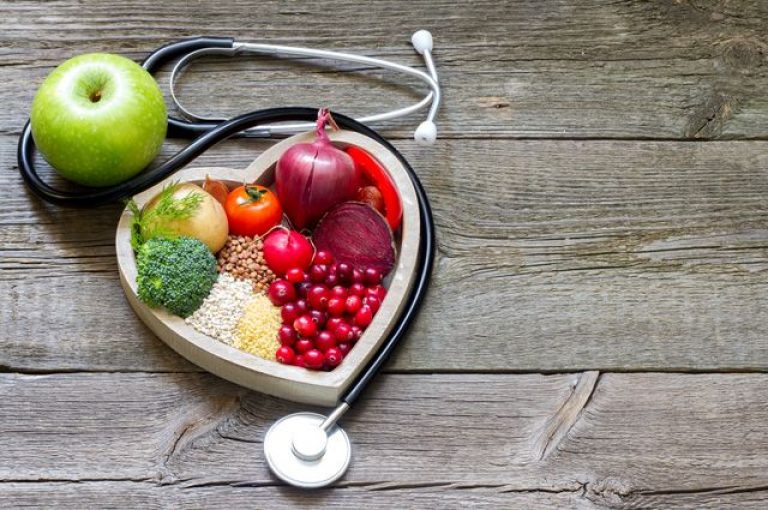
At proper nutrition It is extremely important to regularly include fruits, vegetables and legumes in the diet. These products contain pectin and fiber, with the help of which the content of cholesterol in the body is reduced. In addition, the vitamins in fruits and vegetables are antioxidants, thereby ensuring the ability to neutralize bad cholesterol.
Many fruits and vegetables contain fiber and magnesium. They are also great at fighting bad cholesterol. By including fresh vegetables and fruits in the diet, you can quickly improve the immune system and ensure that complete prevention of atherosclerosis is carried out.
The most useful cereals for fighting bad cholesterol are oatmeal and buckwheat. The effectiveness of both cereals is due to the fact that oatmeal is present in the dishes.
Read also:Myocarditis of the heart - what is it, symptoms, causes and treatment
Treatment of high blood cholesterol with folk remedies
- Linden - one of the most effective recipes involves the use of a powder, which is prepared on the basis of linden flowers. The powder can only be prepared in a coffee grinder, where linden is ground into flour. After that, the remedy is taken in a teaspoon before breakfast, lunch and dinner.
Such therapy is carried out for a month, after which a 2-week break is taken and treatment is continued. To consolidate the optimal results, an additional monthly course is carried out. Without fail, the remedy is washed down with water.
- Propolis tincture - 4% is considered effective propolis tincture, which should be dissolved in a small amount of water. The remedy is taken 3 times a day, counting 7 drops. After each reception of the tincture, it is allowed to eat only after 30 minutes. The optimal duration of treatment is 3 months.
- Beans - This product can effectively lower cholesterol levels. In addition, the method of preparing this folk remedy is easy and fast.
In the evening, pour half a glass of beans or peas with water, leave overnight. In the morning, the water is drained, replacing it with fresh. Then add a pinch of baking soda. The beans are boiled until cooked. The cooked product is eaten in 2 doses. It is allowed to eat up to 100 g per day. beans.
The course of therapy is 3 weeks. Over a given period of time, the cholesterol content can be reduced by 10-15%.
- Sowing alfalfa - one of the most useful tools. It is recommended to use only fresh herb for treatment.
Cooking recipe: juice is squeezed out of alfalfa, after which they drink it 2 tablespoons 3 times a day. In order to guarantee a decrease in cholesterol and to consolidate the achieved result, therapy should be carried out within 1-2 months.
- Flax seed - to lower blood cholesterol and cleanse the whole body from flaxseed, you need to prepare a decoction.
The recipe is as follows: pour a tablespoon of seeds into 0.5 liters of boiling water and keep on low heat for 30 minutes, then wrap in a towel and wait an hour to cool. The broth should be drunk after waking up and before bedtime on an empty stomach, 250 ml.
- Dandelion roots - Many experts advise using dandelion root powder to get rid of excess cholesterol and other harmful substances. Before each meal, you need to drink 1 teaspoon of the powder. Stable results will be achieved after six months of therapy.
- Herbal tincture - products prepared on the basis of medicinal herbs are distinguished by a high level of effectiveness. For the preparation of a healing agent, 100 grams of Sophora fruits and 100 g are used. mistletoe herbs, which are poured with a liter of vodka. This drink is infused in a dark place for 3 weeks, after which it is filtered. The infusion is drunk in a teaspoon three times a day 30 minutes before meals. The remedy removes excess cholesterol and toxic substances from the body.
- Healing cocktail - to maintain optimal cholesterol levels, it is recommended to conduct a special treatment course with a special cocktail every year. This therapy is recommended once every 12 months. To prepare a cocktail, use juice from 1 kg. lemons, 200 g. garlic gruel. The remedy is infused in a cold and dark place for 3 days. After that, drink a tablespoon daily, diluting it in boiled water.
Prevention and recommendations
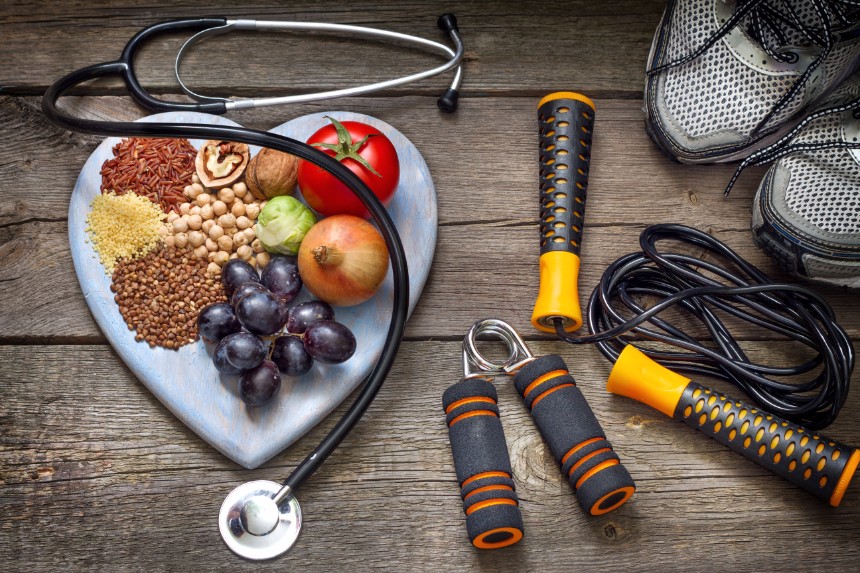
To improve health, it is advisable to take care of regular physical activity. Muscles that are actively working burn excess fat and sugar.
Without fail, sports training is carried out according to the following scheme to improve well-being and normalize cholesterol:
- half-hour warm-up in the morning and evening;
- walking at an average and fast pace - from three kilometers every day.
Thus, no physical overstrain is required. However, being active can still improve health.
In exceptional cases, drug treatment should be started. Taking drugs is required if the cholesterol level exceeds any permissible norms and the development of atherosclerosis is noted. Treatment is allowed at home, but all doctors' recommendations must be followed.
Normalizing blood cholesterol is one of the most important tasks. With a slight excess of the indicators, folk remedies and diets will be effective, with overestimated ones, it is worth contacting a specialist for identifying specific reasons.