Atrial fibrillation: what is it, symptoms, treatment, causes, prognosis
Content
- What is atrial fibrillation?
- What happens when fibrillation occurs?
- Atrial fibrillation symptoms
- Frequent symptoms
- Heart palpitations
- Symptoms of atrial contraction
- Rare symptoms
- Complications
- Causes of atrial fibrillation
- Diagnostics
- Classification
- Atrial fibrillation treatment
- Life forecast
What is atrial fibrillation?
Atrial fibrillation (AF) or atrial fibrillationIs a defect characterized by rapid and very irregular heartbeats. Although AF itself is not life-threatening, it often causes significant symptoms, including rapid heart rate (tachycardia), shortness of breath, and mild fatigue. This can lead to more serious problems, especially to stroke, and - in people with heart disease, worsening heart failure.
There are several treatment options for atrial fibrillation, but choosing the best one is not always easy. If you have atrial fibrillation, you should try to find out everything you can about this heart diseasesso you can work with your doctor to decide which therapy is right for you.
What happens when fibrillation occurs?
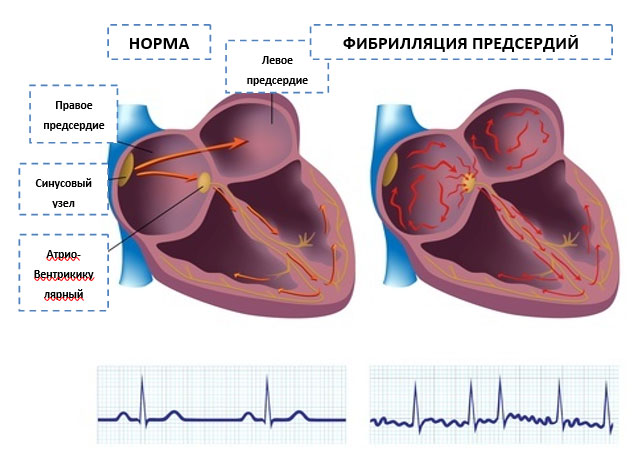
Atrial fibrillation (AF) is a heart rhythm disorder characterized by rapid and irregular contractions, caused by extremely fast and chaotic electrical impulses arising in the atria of the heart (the two upper chambers hearts). This type of rapid, chaotic electrical activity in the heart is called fibrillation.
When the atria begin to fibrillate, 3 things can happen:
- The heart rate becomes fast and irregular. The AV node is exposed to frequent, irregular electrical impulses from the atria. Many of these impulses - up to 200 per minute or more - are transmitted to the ventricles. This leads to a fast and very uneven heartbeat and alarming symptoms.
- When the atria fibrillate, they no longer beat efficiently. Thus, normal coordination between the atria and ventricles is lost. As a result, the heart works less efficiently and can begin to fail over time.
- Since the atria no longer effectively contract, blood clots may form after a while (usually about 24 hours or so). These blood clots can rupture over time and travel to various parts of the body, such as the brain.
While atrial fibrillation often causes significant symptoms on its own, its real danger is that it exposes the patient to the risk of diseases that can lead to disability or cardiac arrest, and therefore to of death.
Atrial fibrillation symptoms

Symptoms of atrial fibrillation can vary greatly from person to person and even in the same person at different times. Heart palpitations are the most common symptom. Although AF itself is not a life-threatening arrhythmia, it can lead to complications (particularly stroke) that can lead to disability or death.
In most cases, at least until atrial fibrillation is adequately treated, it causes significant anxiety, if not outright intolerance.
Frequent symptoms
The most common symptoms of AF are:
- fast heartbeat;
- easy fatigue;
- shortness of breath;
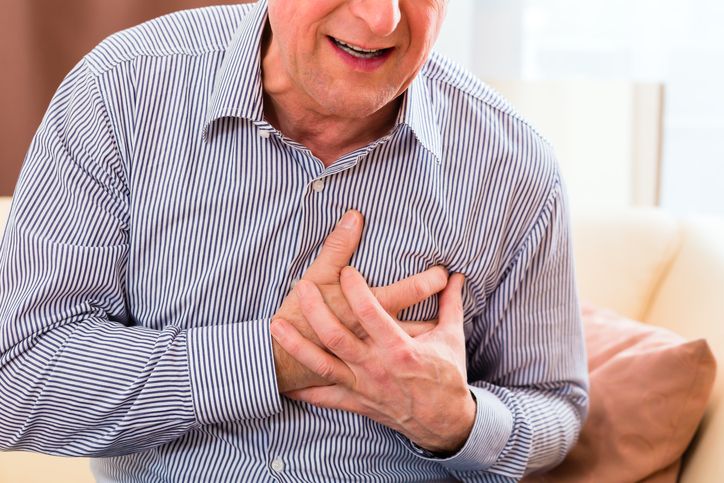
- chest discomfort;
- episodes of mild dizziness.
Heart palpitations
Heart palpitations are most often associated with this pathology. These are unusual and hectic moments of heartbeat awareness. In AF, heart palpitations are caused by the fast, irregular heart rate that is commonly seen with this arrhythmia.
People who experience rapid heartbeat with atrial fibrillation usually complain of a sensation "Fluttering" in the chest, often accompanied by a feeling of "missed" beats, and sometimes for short episodes dizziness. The palpitations associated with this arrhythmia can cause not only a slight fear of the patient, but also develop into severe anxiety. Their severity may worsen or decrease.
Read also:Vasovagal syncope
In some cases, the severity of the heartbeat may depend on the emotional state, whether it is sitting or lying down. a person, from a state of hydration, from lack of sleep, or from a number of other factors associated with daily life. However, in most cases, there are no specific associations.
Symptoms of atrial contraction
With atrial fibrillation (AF), decreased exercise tolerance, fatigue, dyspnea and even dizziness at almost any level of physical activity. These symptoms are usually associated with loss of heart function, which occurs when the atrial chambers can no longer beat effectively.
With a loss of atrial contraction, the amount of blood that the ventricles can expel with each heart beat can decrease. Limited cardiac output reduces a person's exercise tolerance. In addition, when the atrial chambers stop beating effectively, blood tends to "return" to the lungs, causing shortness of breath.
For many people with AF, cardiac performance may be perfectly adequate at rest, but with physical exertion, when the heart needs to work harder, the symptoms can become quite serious.
Rare symptoms
Vasovagal syncope, or episodes of loss of consciousness, are not common with atrial fibrillation. When fainting occurs, it is a serious sign that the patient may also have an underlying sinus node disorder or sick sinus syndrome (SSSU, sinus node dysfunction).
Some people with atrial fibrillation have no symptoms at all, and arrhythmia is only detected when a doctor takes a pulse or an electrocardiogram (ECG).
Complications
Symptoms caused by the loss of effective atrial contractions tend to be much more problematic in people who which, in addition to atrial fibrillation, there are heart diseases in which the ventricles are relatively "Tough". Conditions that usually lead to the formation of rigid ventricles include hypertrophic cardiomyopathy, diastolic dysfunction, aortic stenosis, and even chronic high blood pressure (arterial hypertension).
In people with these conditions, the onset of atrial fibrillation usually causes complications that are especially serious.
Angina pectoris.
People with ischemic heart disease heart palpitations with AF can cause angina pectoris(chest discomfort).
Sick sinus syndrome.
Sick sinus syndrome (SSS) is a generalized disorder of the electrical system of the heart, manifested by a slow heart rate (bradycardia).
AF is common in patients with SSS. In a sense, fibrillation "protects" patients with CVD, so it usually causes an increase in heart rate. contractions that are necessary enough to suppress symptoms of bradycardia such as dizziness and weakness.
However, AF often occurs and resolves intermittently. When the arrhythmia suddenly stops, there is often a very long delay before the diseased sinus node starts working again. A long pause before the heartbeat is what leads to fainting.
Treatment of SSS requires the use of a permanent pacemaker. For people with both CVD and AF, it is usually best to have a pacemaker inserted before taking aggressive treatment for atrial fibrillation (as this treatment often slows the heart rhythm).
Heart failure.
For people with heart failure, the additional decrease in heart function caused by AF can significantly worsen symptoms - mainly shortness of breath, weakness, and swelling in the legs.
Read also:High pulse: reasons how to reduce the pulse at home with drugs and folk remedies
In rare cases, atrial fibrillation itself can cause heart failure. Any arrhythmia that can cause heart palpitations (tachycardia) over several weeks or months can weaken the heart muscle and cause heart failure.
Fortunately, this condition (heart failure caused by tachycardia) is a relatively rare consequence of AF.
Stroke.
AF increases the risk of stroke fivefold. The increased risk of stroke is the main reason why it is always important to think carefully optimal treatment for AF - even when the condition is well tolerated and does not appear to cause special problems.
Some people have recurring episodes of AF without any symptoms until they finally have a stroke. It is only after a stroke that they are found to be experiencing atrial fibrillation.
Available evidence suggests that "subclinical" atrial fibrillation is more common than previously thought experts, and that unrecognized AF may be an important cause of cryptogenic stroke, i.e. stroke without obvious causes.
Causes of atrial fibrillation
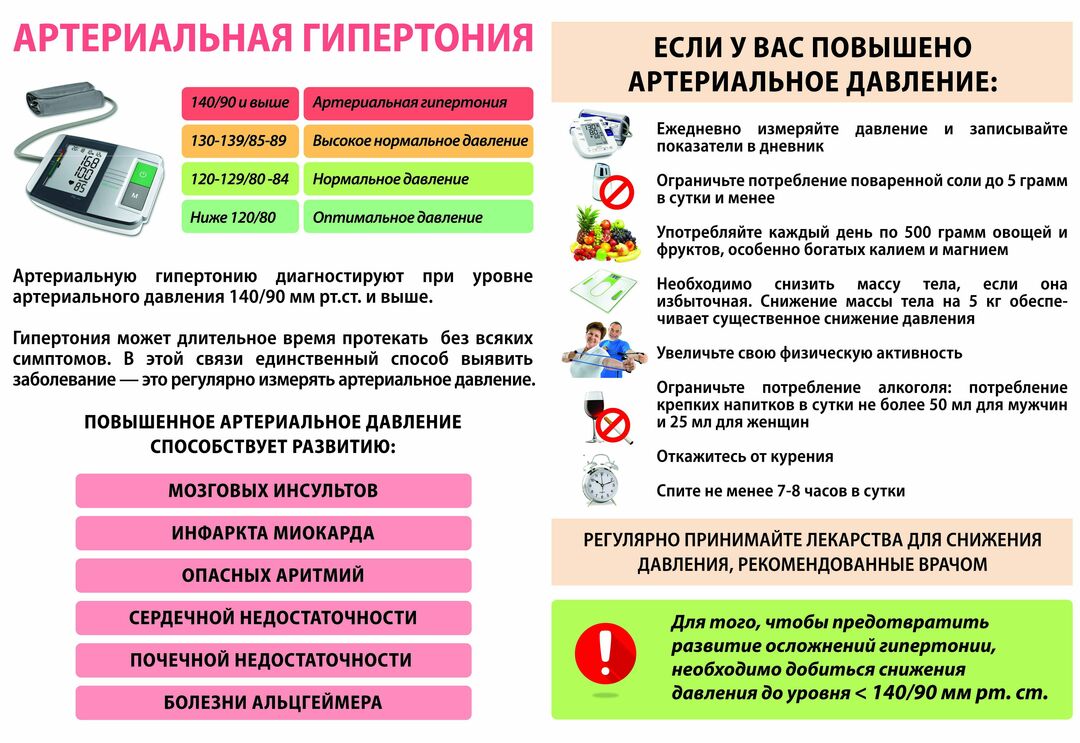
Atrial fibrillation (AF) can be caused by several heart conditions, including coronary artery disease, mitral regurgitation, chronic hypertension, pericarditis, heart failure or virtually any other heart problem. This arrhythmia is also quite common with hyperthyroidism, pneumonia or pulmonary embolism.
Taking amphetamines or other stimulants (such as cold medicines containing pseudoephedrine) can cause AF in some people, and drinking as little as one or two alcoholic beverages, a condition known as holiday hearts ". While doctors traditionally say that caffeine also causes AF, recent clinical studies indicate that this is not the case in most people.
Most people with atrial fibrillation also do not have a specific cause. This, called idiopathic atrial fibrillation, is often a condition associated with aging. Although AF is rare in patients younger than 50, it is quite common in people in their 80s or 90s.
Newer research has shown that this type of arrhythmia is lifestyle-related in many cases. For example, overweight and sedentary people have a much higher risk of AF. In people with lifestyle-related AF, an intensive lifestyle modification program can help eliminate the arrhythmia.
Diagnostics
Diagnosis of atrial fibrillation is usually straightforward. It simply requires an electrocardiogram (ECG) during an episode of AF. This requirement is not a problem for people with chronic or persistent AF, who may have arrhythmias every time an ECG is done.
However, in people whose arrhythmias occur intermittently, long-term ambulatory ECG monitoring may be required to make a diagnosis. This can be especially helpful for people who have had cryptogenic strokes, as treating atrial fibrillation (if present) can help prevent the stroke from recurring.
Classification
Doctors classify atrial fibrillation into different types. In fact, several confusing FP classification systems have been used. To help you decide which treatment approach is right for you, it is useful to group the types of AF into only two groups:
- Re-onset or intermittent atrial fibrillation. Here, arrhythmia is either a new problem, or arises only intermittently. Intermittent AF is often referred to as paroxysmal atrial fibrillation. People in this category have a normal heart rate in the vast majority of cases, and their episodes of atrial fibrillation tend to be relatively short and usually infrequent.
- Chronic or persistent atrial fibrillation. Here, the arrhythmia is either present all the time or occurs so frequently that periods of normal heart rhythm are relatively rare or short-lived.
Read also:Hypertensive type neurocirculatory dystonia (NCD)
Atrial fibrillation treatment
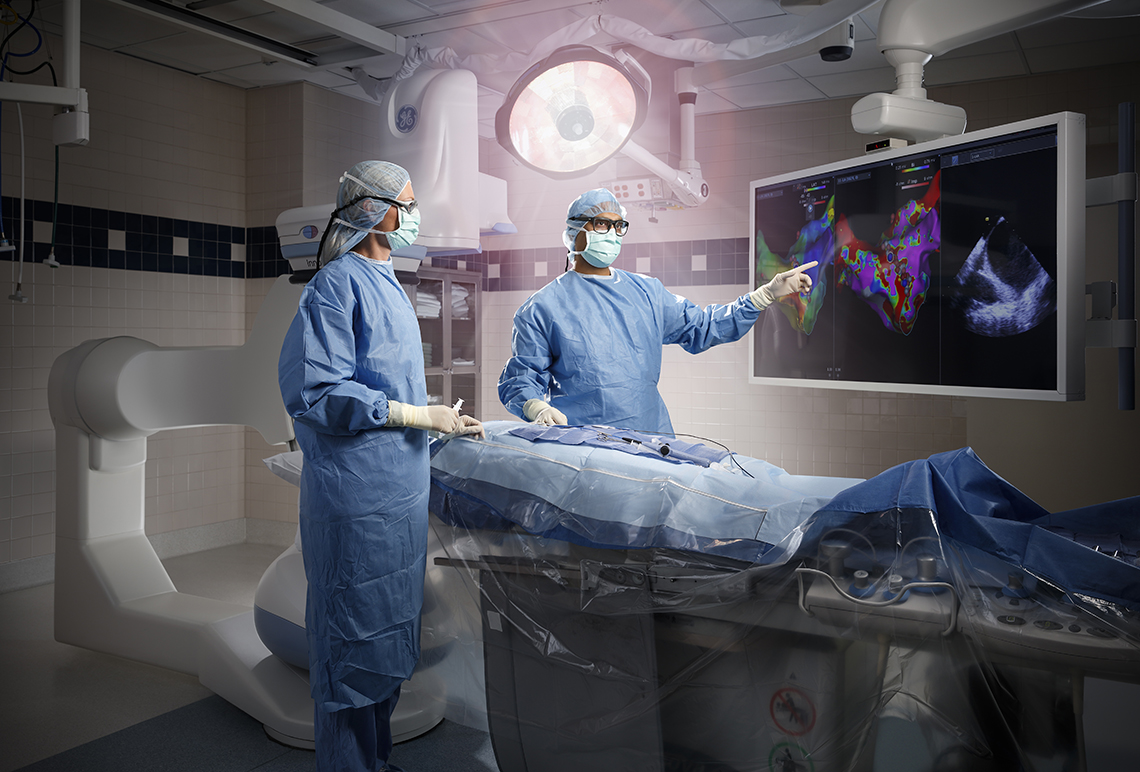
If it were very easy and very safe to do, it seems obvious that the best treatment for atrial fibrillation would be to restore and maintain a normal heart rate. Unfortunately, in many cases this is not easy to achieve.
Especially if AF is present for several weeks or months, it is extremely difficult to maintain a normal rhythm for several hours or days. This unfortunate fact required two different general approaches to the treatment of atrial fibrillation:
- Rhythm Control Approach aims to restore and maintain a normal heart rate. It is more likely to work in people with restorative or intermittent atrial fibrillation, and is much less effective in people with chronic or frequent AF. Rhythm control usually requires either antiarrhythmic drugs, ablation therapy, or both.
- Heart rate regulation approach allows you to abandon attempts to restore and maintain a normal heart rate. Atrial fibrillation is perceived as “normal,” and therapy aims to regulate the heart rate to minimize any symptoms caused by this arrhythmia. Treatment includes drugs to control heart rate such as digitalis, beta blockers, and calcium channel blockers.
Long-term studies have shown that clinical outcomes with a frequency controlled approach are generally as favorable as with a heart rate controlled approach.
Whichever therapeutic approach is chosen, an important additional feature of the treatment of atrial fibrillation is taking the necessary steps to minimize the risk of stroke. This usually requires taking anticoagulant drugs, but there are other alternatives. treatment, including surgery or catheter procedure to isolate the left epididymis atria.

Lifestyle changes are an important component of treatment to reduce both the signs and risks of stroke or cardiovascular disease.
It is natural and normal to feel fear, anxiety, anger, or sadness as you adjust to your diagnosis and start making tough decisions about your treatment plan.
Reducing stress, losing excess weight, eating a healthy heart, and other lifestyle changes can help cope with the diagnosis and reduce symptoms. If you or someone close to you who has AF, make all the changes in life at once - this will give the best chance of success.
Life forecast
Millions of people live perfectly normal lives despite AF. While making the right treatment decision can be challenging, and although managing therapy may take some time and effort, you should be able to return to normal as soon as will happen. When discussing treatment options with your doctor, make sure they expect the same of you.