Hyperlipidemia: what is it, causes, symptoms, treatment, prognosis
Content
- What is hyperlipidemia?
- Symptoms of hyperlipidemia
- Causes and risk factors for hyperlipidemia
- Diagnostics
- Hyperlipidemia treatment
- Conclusion
- Forecast
What is hyperlipidemia?
High cholesterol - or hyperlipidemiais, as a doctor would call it, a very common condition that occurs when too much fat (called lipids) builds up in the blood. Cholesterol is a type of fat that can accumulate in the arteries, restricting blood flow and increasing the risk of heart disease. stroke or other health problems.
Many factors can increase your risk of high cholesterol levels. While some cannot be helped (for example, with a family history of illness), others can be helped, for example, with diet and exercise. Many people diagnosed with hyperlipidemia can lower their cholesterol levels by eating healthy foods, exercising, and maintaining a healthy weight.
Symptoms of hyperlipidemia
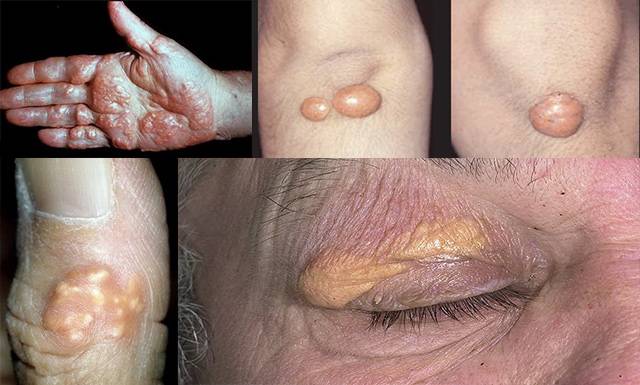
High cholesterol alone won't make you feel bad, so many people don't know that their cholesterol levels are too high until a doctor can diagnose them with routine laboratory tests analyzes.
In rare cases, high cholesterol levels can lead to the formation of yellowish fatty nodules under the skin near the eyes, elbows, or knees. photo above), called xanthomas.
Other unusual manifestations include enlargement of the liver (hepatomegaly) or enlargement of the spleen (splenomegaly) and the appearance of pale rings around the iris.
However, if left unchecked, high cholesterol levels can lead to other serious problems that are more noticeable, such as high blood pressure (arterial hypertension), heart attack and blood clots.
Hyperlipidemia doubles the risk of heart disease.
Causes and risk factors for hyperlipidemia
Cholesterol is a waxy fat that the body makes in the liver or that a person absorbs from food. Cholesterol is an essential building block for cells in the body and is important for various functions such as the production of hormones and digestive fluids. However, excess blood cholesterol can be an important risk factor for heart disease.
In particular, when too much circulating cholesterol is attached to low-density lipoprotein (LDL, known as "bad cholesterol"), The risk of heart disease increases significantly. Excess LDL cholesterol can be deposited in the lining of the arteries - along with calcium, inflammatory cells and other substances - forming atherosclerotic plaques, which can restrict blood flow to arteries.
On the other hand, cholesterol attached to high-density lipoprotein (HDL, known as "good cholesterol") Is excess cholesterol that is removed from the tissues.
Hyperlipidemia occurs when there is too much LDL cholesterol in the blood. Excess "bad cholesterol»Binds to calcium and other substances in the walls of arteries, forming plaque that can obstruct blood flow.
Over time, a build-up of cholesterol plaques can lead to heart attacks (myocardial infarction), strokes, or blood clots (blood clots).
High cholesterol does not only depend on how much cholesterol a person takes. It also has a lot to do with how the body processes and releases cholesterol over time, and this can be influenced by a wide range of factors. These risk factors include family history, age, health conditions, medications, and health behaviors.
Family history.
We share a lot with our family members. In particular, our genetic makeup is passed down from generation to generation and can influence our risks of certain diseases that are known to contribute to hyperlipidemia, such as obesity or diabetes.
Read also:Arterial hypertension
Families can also inherit many habits, behaviors and choices, especially when it comes to diet and exercise.
As a result, people whose relatives have high cholesterol levels are also more likely to get sick. Certain genetic conditions can also make a person predisposed to high cholesterol, including:
- Familial combined hyperlipidemia. Familial combined hyperlipidemia is the most common genetic disorder that can lead to an increase in body fat. It causes high cholesterol and triglyceride levels and is exacerbated by other chronic conditions such as alcoholism, diabetes and hypothyroidism.
- Familial hypercholesterolemia: this inherited disorder prevents the body from removing LDL cholesterol from the blood, resulting in abnormally high levels "bad»Cholesterol in the body.
- Familial dysbetalipoproteinemia. Patients with familial dysbetalipoproteinemia have a genetic defect that leads to the accumulation of cholesterol and triglycerides in the blood. Like familial combined hyperlipidemia, certain health problems can exacerbate familial dysbetalipoproteinemia.
Age and gender.
Some risk factors are under our control and others are not. As we age, it becomes more difficult for the body to eliminate excess cholesterol from the blood, and the level of risk also increases. Someone's gender can also play a role. Men, on average, have less "good" cholesterol than women, while women (especially those under the age of 55) often have less "bad" cholesterol.
The older a person gets, the more likely they are to be diagnosed with hyperlipidemia, but young people are also not immune.
In some cases, children with a sedentary lifestyle and poor nutrition may develop hyperlipidemia. Approximately 7.4 percent of all children aged 9 to 10 met the criteria for hyperlipidemia between 2011 and 2014. The prevalence was higher among obese children and adolescents: 11.6 percent.
Diseases.
Many people already know that the presence of certain diseases increases the risk of abnormal cholesterol levels:
- diabetes;
- kidney disease;
- pregnancy;
- polycystic ovary syndrome (PCOS);
- disorders of the thyroid gland.
In particular, having diabetes can affect your risk of developing high cholesterol levels. While it is not entirely clear why this is the case, some studies show that high insulin levels can negatively affect cholesterol levels, increasing the amount of "bad" and decreasing the amount of "good" cholesterol. This is especially true for people with type 2 diabetes.
Medications.
Medication can also increase your chances of developing high cholesterol levels. Taking medications such as beta blockers, diuretics (diuretics), certain birth control pills or certain antidepressants may increase levels cholesterol in the blood.
Lifestyle.
Certain lifestyle decisions can affect the amount of good and bad cholesterol in your blood, including what you eat, how often you exercise, and whether you smoke.
- Food: While the liver produces most of the cholesterol in the body, you also absorb cholesterol from certain foods, including foods high in saturated fat. Foods high in saturated fat include red meat, poultry and fatty dairy products. While there is some controversy over this issue, most experts still recommend limiting the amount of saturated fat in your diet. However, all experts agree that eliminating trans fats from the diet (mainly from processed foods), eating a large fruits and vegetables, and other sensible dietary changes can reduce LDL levels and the risk of cardiovascular diseases.
- Physical activity: regular exercise can help maintain a healthy weight as well as lower cholesterol levels. Low physical activity can lead to weight gain and higher LDL cholesterol levels.
- Body weight. Being overweight or obese can change how the body uses cholesterol, leading to higher blood levels.
- Smoking: Smoking will not cause your LDL cholesterol to spike, but it can cause your HDL (good) cholesterol levels to drop and damage your arteries and speed up their hardening.
- Alcohol consumption: drinking alcohol greatly increases levels of cholesterol and triglycerides, another type of fat found in the blood.
Read also:Brugada syndrome
Diagnostics

Hyperlipidemia does not cause any physical signs or symptoms of the disease, so doctors must rely on blood tests to determine if it is present. The most common way to diagnose high cholesterol is lipid profile.
Lipid profile.
A simple blood test called a lipid profile (lipid profile) can be used to check blood cholesterol levels. The test uses a blood test taken after fasting for about 12 hours.
Blood levels that can lead to a diagnosis:
- Total cholesterol is over 200 mg / dL (milligrams per deciliter).
- Low density lipoprotein (LDL) is over 100 mg / dL.
- High density lipoprotein (HDL) is less than 40 mg / dL.
- Triglycerides over 150 mg / dL.
If the blood count returns to normal, the doctor may run tests periodically - every 4 to 6 years or so - to watch for any changes that signal an increase in cholesterol levels.
Although a total cholesterol level of more than 200 mg / dL usually indicates hyperlipidemia, a doctor may take attention to other factors (such as age and medical history) before making a diagnosis based on results. The doctor will then use the results to set goals for cholesterol levels as well as formulate a treatment plan.
Hyperlipidemia treatment

Some people can lower their cholesterol levels by making some lifestyle changes, such as better nutrition and more physical activity. Others may need medication. What your doctor recommends will depend largely on your lab results, medical history, and any other risk factors that may affect your cardiovascular health.
Lifestyle changes.
Many people can lower their cholesterol levels on their own by making some lifestyle changes:
- Diet: Since some of the cholesterol is thought to come from food, healthcare professionals recommend that people with hyperlipemia reduce their intake certain animal products, tropical vegetable oils (such as palm oil), cheese, and other foods high in saturated or trans fat. You should stick to foods that are low in fat and unsaturated fat, such as fruits, vegetables, lean proteins (such as fish), and nuts. However, most of the cholesterol in the blood is produced by the liver, not food, so it is important to make other lifestyle changes as well.
- Activity: Physical activity can help lower blood cholesterol levels. Cardiology recommends doing at least 40 minutes of moderate to high intensity aerobic exercise 3-4 times per day. week, and some research suggests that exercising as little as 10 minutes at a time can help lower overall cholesterol. This can include walking during your lunch break, cycling, or participating in group exercise - anything that gets you moving.
- Weight loss: Being overweight or obese can raise blood cholesterol levels. Moving to a healthy body mass index (BMI) can improve body condition to release and process lipoproteins more efficiently and prevent them from accumulating in the bloodstream. Fortunately, the best way to lose weight is through a healthy diet and frequent exercise, which will also help lower your cholesterol levels.
- To give up smoking. Quitting smoking does not necessarily reduce the risk of hyperlipidemia, but it can reduce the risks of other serious health problems, such as heart attack or stroke.
Read also:Supraventricular tachycardia
Cholesterol-lowering drugs.
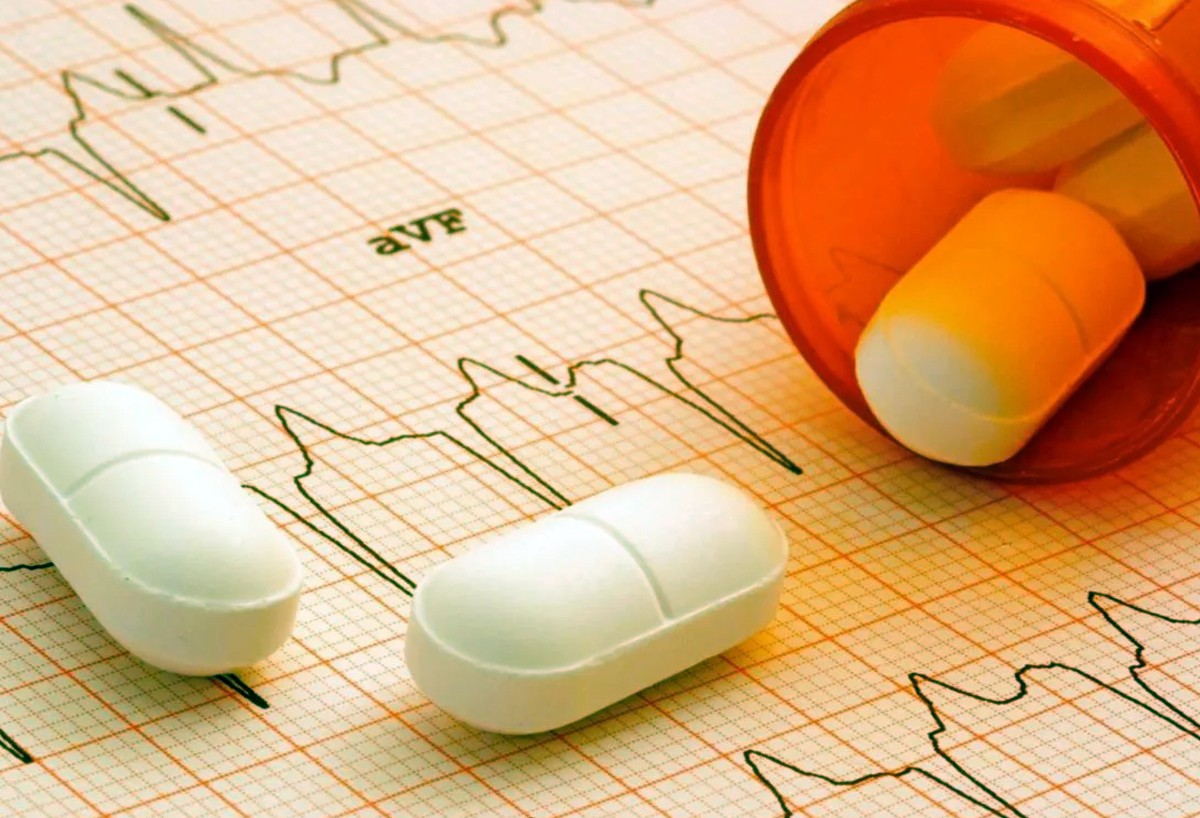
If your cholesterol isn't getting lower as a result of lifestyle changes, your doctor may prescribe medication. These drugs often need to be taken for a long time and only used as directed by a doctor. The most common medicines used to treat hyperlipidemia are:
- Statins: Statin drugs are the most important drugs used to lower LDL cholesterol and lower cardiovascular risk. These drugs lower LDL levels by decreasing the amount of cholesterol secreted by the liver. In addition, they have other important properties that reduce the risk of cardiovascular disease, regardless of their ability to lower cholesterol levels. In fact, statins are the only class of drugs that have been shown to be effective in clinical trials in reducing cardiovascular risk.
- Bile acid sequestrants: The drugs remove bile acids from the body. When the liver tries to make up for the lack of bile, it consumes some of the cholesterol from the blood.
- Niacin (nicotinic acid): Some prescription forms of this vitamin B increase the level of HDL, and also lower the level of LDL and triglycerides. However, recent research suggests that niacin may not significantly reduce cardiac risk in in combination with statins, and, in addition, pharmaceutical niacin can cause serious side effects effects. Most doctors no longer prescribe it to people on statins.
- Fibrates. These drugs mainly reduce the amount of triglycerides in the blood.
- PCSK9 inhibitors: An injection drug, this type of medication is a relatively new option available to treat people with familial hypercholesterolemia, which causes high LDL cholesterol levels.
In general, these drugs are usually only prescribed to people who have already had or are at an increased risk of a heart attack or stroke, very high LDL levels (190+ mg / dL), or certain risk factors such as diabetes in combination with higher LDL levels 70 mg / dl.
Conclusion
Hyperlipidemia can significantly increase the risks of serious heart problems, including heart attacks and strokes. While some risk factors (such as genes or family history) are beyond your control, there are several things you can do to lower your risk of hyperlipidemia or lower your cholesterol if already high.
Since people with hyperlipidemia often do not have any symptoms, it is important to ask your doctor about regular check-ups. and how often to get tested for high cholesterol based on your current or past history disease.
Forecast
With early diagnosis, the prognosis is favorable. The disease can go on for years without pronounced symptoms until complications appear. Even so, the chances of recovery are high.