Myocardial infarction and its treatment, including with the help of leeches
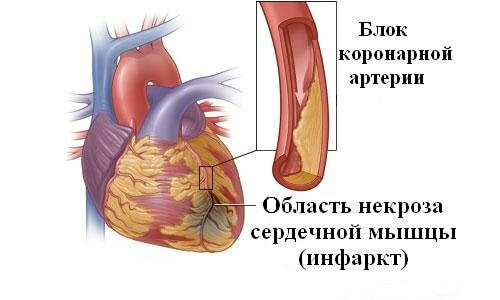
 Myocardial infarction is an acute heart disease caused by the development of foci of necrosis of the heart muscle due to a violation of its blood supply.
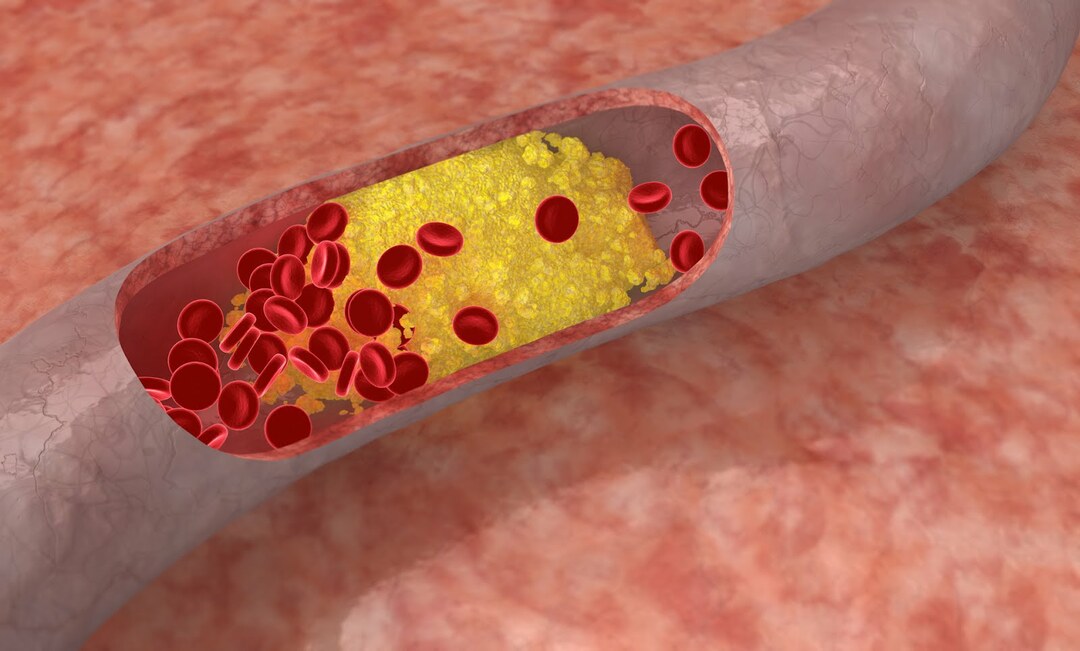
The disorder occurs due to a malfunction in the functioning of the coronary artery, due to the formation of thrombi or a sharp narrowing of this vessel by atherosclerotic plaques.
Coronary circulation may also be impaired by spasm of unaffected coronary arteries. This type of heart attack is most common among people of young age.
The reasons why a heart attack can occur are very numerous. Often, one defeat complements the other, because of which the infarct - the end result of pathological disorders in the body - occurs with complications.
It is generally believed that the most frequent causes of heart attack are constant stress, prolonged nervous overstrain of the patient, which was aggravated by an unhealthy lifestyle.
Frequent neuroses are the causes of prolonged coronary spasm, which leads to a narrowing of the lumens of blood vessels. Moreover, in most patients who lead an unhealthy, and also a sedentary lifestyle, the vessels are already afflicted with atherosclerosis and blood flow is slowed in them.
If angina is accompanied by a short disturbance of the coronary circulation in the case of a heart attack, it is persistent and prolonged.
The oppressive state of blood vessels, stagnation of blood in them lead to active formation of fibrin and clots form in blood vessels.
The infarction is also characterized by the defeat of the ventricles of the heart, most often the left one, and significant changes in the atrium, where the necrosis of the heart muscle begins.
Due to the fact that the thrombus or spasms in the cardiac artery stop the blood flow, the development of myocardial ischemia, which then goes on to necrosis, begins. This condition is called a chemical infarction. After about a week, the necrotic area of the heart muscle resolves and a connective tissue is formed in place of the dead cells.
In the last 50 years, doctors have ascertained the fact that the infarct has grown younger, more and more often young people suffer from it, mostly men aged between twenty and thirty-five. And this despite the fact that another 3-4 decades ago this ailment was considered to be more inherent in older people.
Cardiologists divide the infarction into two types: large-focal and small-focal. In the first case necrosis affects a fairly large area of the heart, with a small-focal infarction a small area dies.
You can recognize the onset of a heart attack due to severe pain in the heart and behind the sternum. As a rule, the attack of pain in most cases lasts a fairly long time, there is pain in the heart unexpectedly and soon acquires a pronounced character. Remember that pain can be given to the left arm, the lower jaw, to the area between the shoulder blades and the shoulder blade.
Often a painful condition is accompanied by vomiting and nausea. Sometimes the disease makes itself felt by an unexpected attack of suffocation, and pain in the heart initially may not be felt. In some cases, myocardial infarction is characterized by acute cardiac rhythm disturbance and cerebral circulation disorder. In the elderly, the infarction sometimes begins painfully, while only heart failure is noted.
During an attack of pain or suffocation, the patient suddenly pales, his face becomes covered with a cold sweat, in a number of cases there is a fear of death. A characteristic sign of the onset of a heart attack is a sharp drop in blood pressure or a complete inability to determine it. With the onset of the second day after the onset of the disease, there is a rise in temperature - this can last up to thirty-five days.
If a patient is over sixty years old and his health is weakened, an increase in temperature may not be observed. In this case, in the first ten, there may be heart rhythm disturbances, heart failure accompanied by pulmonary edema and attacks of cardiac asthma, a sharp drop in blood pressure.
There are cases when patients with a heart attack categorically refuse hospitalization. This behavior is extremely imprudent, at home, the infarction is not treated, urgent hospitalization is needed.
Complications that are threatened with a heart attack are weakening of the heart muscle, scars and scars on it, a predisposition to angina attacks and the threat of a second infarction. However, in general, the forecast doctors often give a favorable, because there is the possibility of diagnosing this disease in the early, that is, in an acute period.
Prevention of myocardial infarction is of no small importance. The patient needs to reduce the physical and mental stress at the first symptoms, avoid worrying, if necessary, change the habitual way of life, style of work, if they to some extent have a harmful effect on his condition.
In case of increased blood viscosity, it is necessary to drink at least two liters of liquid per day, taking into account liquid dishes. The patient in the pre-infarction state strongly recommends complete rest, a low-calorie diet, bed rest and vasodilating and sedative medications.
Treatment of myocardial infarction
Treatment of myocardial infarction combines two therapeutic complexes.
The first is used in an acute period, when the therapy of acute heart failure is performed. Recall that during this period, it is strictly forbidden to disturb the patient, you should provide him peace and during transport to the clinic.
It is necessary to deliver the patient to the clinic on time, as delay can lead to serious problems, namely, melting of the necrotic focus. If the connective tissue is not enough, it can cause complications of the disease and worsening of the patient's condition.
Concerning the course of a heart attack, it is fair to say that sleep is the best medicine. For this reason, patients with myocardial infarction should sleep as much as possible.
From medications, doctors recommend nitroglycerin in this case. Many patients complain that this drug does not bring any apparent relief. They are right that this medicine does not actually give an analgesic effect, but it improves blood circulation in the affected area of the heart muscle.
Diet in the subacute period should be gentle, its purpose is to regulate the digestive system.
Subject to the normal course of the recovery process, the patient is allowed to remain in the semi-position after approximately four weeks of treatment. In a number of cases, if there is no tachycardia and dizziness attacks, it is possible to hang from the bed of the foot. And only a month later, in the absence of complications, the patient is allowed to sit and walk.
Therapeutic and prophylactic agents, which are recommended for myocardial infarction, are many. Very well proven anticoagulants are substances that slow down the process of blood coagulation.
If indicated, then anticoagulants are administered to patients every day under the control of prothrombin time, that is, given the rate of biochemical reactions that occur in the plasma and lead to the conversion of prothrombin to thrombin. At the same time, it is necessary to strictly adhere to the diet, refuse to eat foods that are rich in substances that help increase blood clotting, for example, cream.
Previously widely used anticoagulant was dicumarin. To date, it is universally ousted funds that are obtained from the secretion of the salivary glands of a medical leech.
Treatment of myocardial infarction with leeches
Direct hirudotherapy is also a very effective method of treating a heart attack and its consequences.
Patients with a heart attack and a pre-infarction state note that these procedures significantly alleviate even sharp pains and significantly improve the overall condition, both physical and psychological. Leeches should be planted on the area above the heart, that is, on the left side of the chest. The line on which to orientate when planting leeches, runs from the chest to the side of the large pectoral muscle. Next to the nipple, it turns and again reaches the sternum parallel to the diaphragm.
It is necessary to take into account that the leech landing line passes through several ribs, and the impact directly on them is not the task of hirudotherapy. In this regard, doctors advise to plant leeches on the third, fourth and fifth intercostal spaces. For one session you need to take two to eight leeches. The course of treatment is thirty-four days, provided daily sessions.
Be Healthy!