Sick sinus syndrome: what is it, symptoms, treatment, prognosis
Content
- General information about the disease
- Epidemiology
- Causes of sick sinus syndrome
- Symptoms of sick sinus syndrome
- Sick sinus syndrome and atrial fibrillation
- When to see a doctor?
- Diagnostics
- Treatment of sick sinus syndrome
- Prophylaxis
- Conclusion and prognosis
General information about the disease
Sick sinus syndrome (SSS, sinus node dysfunction) is a pathology in which the sinus node is too slow electrical impulses are generated and conducted, resulting in sinus bradycardia and possible cardiac arrest.
Normally, the sinus node provokes 60-80 electrical impulses per minute, the autonomic nervous system regulates this process by changing the number heart rate according to the needs of the body: an increase in heart rate during exercise and a slowdown at rest and the period sleep.
With sick sinus syndrome, a sufficient number of electrical impulses are not produced, which leads to the fact that blood does not fully flow to the organs.
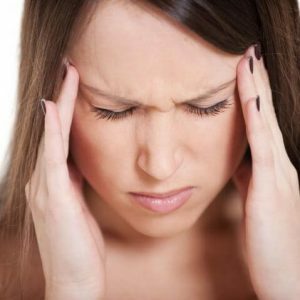
The brain is the first to react to a lack of blood. Due to an inadequate supply of oxygen, severe weakness, dizziness, darkening of the eyes and loss of consciousness for a few seconds occur.
Syndrome of weakness of the sinus node can be caused by organic damage, autonomic and medication disorders of its function. In the absence of serious complaints, treatment of sick sinus syndrome begins with the elimination of the main trigger (i.e. pathology).
In case of complaints, the main method of treatment is the installation of a pacemaker.
Epidemiology
Sinus node dysfunction is a disease of the elderly, although it can occur at any age. The average age of a patient with sinus node dysfunction is 68 years. Sick sinus syndrome develops in one in every 600 patients with heart failure aged 65 and over. Men and women suffer from SSSU in the same way.
Causes of sick sinus syndrome
The most common reason sinus node dysfunction is age-related fibrosisthat affects the sinus node (a tiny structure in the right atrium that generates an electrical impulse from the heart). «Fibrosis"Means that normal tissue is being replaced by a form of scar tissue. When fibrosis affects the sinus node, bradycardia. And when the bradycardia is caused by a sinus node problem, it's called "sinus bradycardia."
The same age-related fibrosis affecting the sinus node can also affect the atrial muscle itself. This generalized atrial fibrosis leads to atrial fibrillation, which often accompanies sick sinus syndrome.
Read also:Impaired venous outflow of the brain
In addition, this fibrosis can also affect the AV node. If this happens, sinus bradycardia may be accompanied by episodes of heart block (a violation of the conduction of an electrical impulse through the conducting system of the heart). Thus, with SSS, there can be two causes of bradycardia - sinus bradycardia and heart block.
In some cases, other diseases can affect the sinus node, causing sinus bradycardia. These diseases include:
- amyloidosis(a condition in which a protein called amyloid is deposited in tissues or organs);
- sarcoidosis;
- Chagas disease;
- hemochromatosis (excess iron in the blood);
- muscular dystrophy (a hereditary condition in which the muscles of the body are damaged and weak);
- hypothyroidism;
- diphtheria (an infection that can damage the heart muscle);
- blunt trauma to the heart.
However, fibrosis associated with aging is the most common cause of sick sinus syndrome.
Symptoms of sick sinus syndrome

The most noticeable symptoms are usually those associated with a slow heart rate, and these include:
- easy fatigue;
- dizziness;
- heart palpitations (abnormal heart rhythms);
- slow heart rate (bradycardia);
- syncope;
- chest pain;
- sleep disorders;
- memory problems;
- shortness of breath;
- confusion, changes in logical thinking, personality and behavior.
For some people with sick sinus syndrome, these symptoms only occur when they try to exert themselves (increase activity) and feel great at rest. In these cases, the main problem is the inability to increase the heart rate appropriately during activity, a condition called “chronotropic incompetence».
Sick sinus syndrome and atrial fibrillation
People with sinus node disease who also have episodes of atrial fibrillation (atrial fibrillation arrhythmias), often experience symptoms caused by sinus bradycardia, and, in addition, they may have tachycardia symptoms (increased heart rate), especially rapid heart rate. People with episodes of both slow and fast heart rates are said to have bradycardia-tachycardia syndrome, or “bradi-takhi syndrome"(Ie alternating periods of tachycardia and bradycardia).
The most unpleasant symptom associated with bradi-takhi syndrome is fainting. Loss of consciousness usually occurs immediately after the sudden cessation of atrial fibrillation, resulting in a prolonged pause in heart rate.
This long pause occurs because when the sinus node is already "sick", the episode of atrial fibrillation tends to suppress its function even more. Thus, when atrial fibrillation suddenly stops, it may take a few seconds for the sinus node to "wake up" and start generating electrical impulses again.
Read also:Hyperlipidemia
During this interval, there may be no heartbeat for 10 seconds or more, resulting in confusion or fainting.
When to see a doctor?
It is important to see your doctor immediately if you experience any of the following symptoms, especially if you have a personal or family history of heart disease. These could be symptoms heart attack or early cardiac arrest. Signs to watch out for include:
- constant fatigue;
- chest pain;
- labored breathing;
- profuse sweating;
- constant dizziness;
- pain or discomfort in the upper body;
- confusion or panic is common;
- abdominal pain;
- nausea and vomiting;
- frequent fainting.
See your doctor as soon as possible if you experience any of the above signs of SSS.
Diagnostics
Diagnosing sick sinus syndrome is usually not difficult. The correct diagnosis is most often fairly obvious when a person who complains of typical symptoms has significant sinus bradycardia on electrocardiogram (ECG). Weak sinus syndrome is also diagnosed with brady-tachy syndrome, when a patient with sinus node disease also has episodes of atrial fibrillation (atrial fibrillation).
Because the fibrosis that causes sinus node disease sometimes affects the AV node, people with brady-tachy syndrome can also there is a partial heart block and, therefore, a relatively low heart rate when in a state atrial fibrillation.
Thus, whenever a relatively slow heart rate is found in a person with atrial fibrillation (in the absence of medication, slowing the heart rate), this should give the doctor a clear clue that sick sinus syndrome is probably also is present.
Doctors can also diagnose chronotropic incompetence simply by observing a patient's heart rate during exercise, such as during a stress test. Because chronotropic incompetence is a fairly common condition in the elderly and is easily treatable (with a frequency-responsive pacemaker).
For older adults who experience mild to moderate fatigue, it is important to ensure that their doctors are assessing correctly.
Treatment of sick sinus syndrome
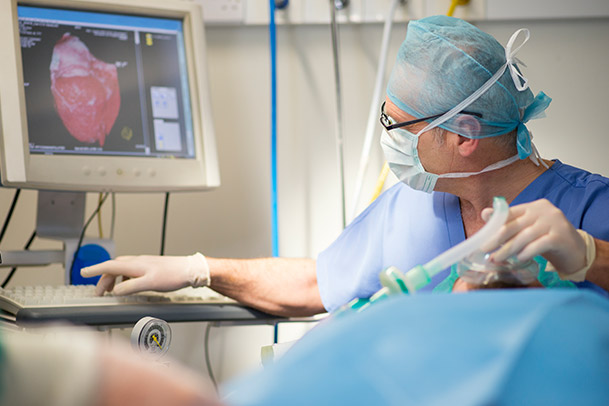
Almost all people with sick sinus syndrome should be treated with a permanent pacemaker.
Read also:Presses in the middle of the sternum, it is hard to breathe like a lump in the throat, reasons
Pacemaker (pacemaker) is a very small machine that is surgically implanted in the chest or abdomen to regulate the heartbeat. It does this by sending electrical impulses to the heart.
Almost half of pacemaker implants are performed due to problems associated with sinus node dysfunction. Pacemaker implant surgery is generally well tolerated by people and most people do not experience complications.
A pacemaker is especially important for people with sick sinus syndrome for two reasons. Firstly, these people have a relatively high risk of fainting (from those long pauses when atrial fibrillation ends). AND, Secondly, many medicines that are often used to treat atrial fibrillation are beta blockers, calcium channel blockers and antiarrhythmic drugs - can significantly aggravate the disease sinus node.
Advances in pacemaker technology have greatly improved the outlook for patients with sinus node dysfunction. Pacemakers deliver missing electrical impulses from a faulty sinusoidal assembly. Pacemakers are not a cure, but they are a very effective treatment for SSS.
The insertion of a pacemaker will prevent fainting and allow the doctor to treat atrial fibrillation much safer.
Prophylaxis
In many cases, sick sinus syndrome cannot be prevented. However, preventing diseases that lead to sick sinus syndrome (see above), can lead to an improvement in the general condition of the cardiovascular system and, possibly, prevent the syndrome.
Good nutrition, exercise, maintaining a healthy weight, and quitting tobacco can prevent many heart problems. Medicines to prevent heart disease can also help.
Conclusion and prognosis
In sick sinus syndrome, sinus node disease causes sufficient bradycardia, which leads to symptoms - most often mild fatigue or absent-mindedness. This condition can also be accompanied by atrial fibrillation, which, when combined with sinus node disease, makes episodes of fainting likely. The syndrome is treated with an implanted permanent pacemaker.
The prognosis for a person with this syndrome varies greatly, depending on the type of arrhythmia, the person's age, and any other heart problems that are present. In general, the syndrome gets worse over time. However, people who have pacemakers implanted to control their heart tend to do well.