Pterygium in the eye: what is it, causes, symptoms, photos, treatment
Pterygium (pterygoid hymen), commonly known as meat in the eye, is a disease that affects up to 25% of the population in some countries. Its main feature is the growth of fleshy, pink tissue in the eye. photo below), which in some cases can cause vision problems, discomfort, dryness, inflammation, irritation and trouble due to the presence of flesh, which, of course, is not part of the eye, and also be a significant aesthetic problem for people suffering from this disease.
Next, we will talk in detail about the pterygium of the eye so that readers better understand what it is, the reasons for its occurrence, and also about the methods of treating this problem. In addition, we will also share some prevention tips.
Content
- What is pterygium in the eye?
- Causes
- Symptoms
- Diagnostics
- Treatment
- Relapses
- Tips for preventing pterygium in the eye
- Finally
What is pterygium in the eye?
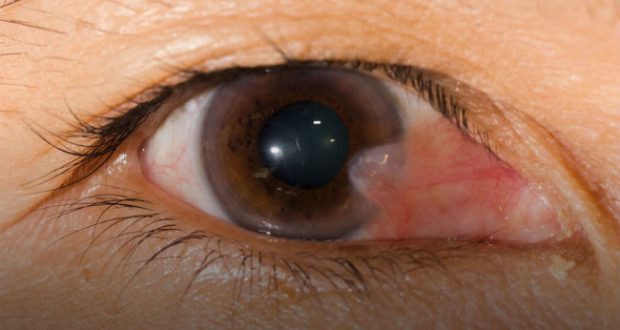
A pterygium (pterygoid hymen) is an outgrowth of tissue on the conjunctiva or mucous membrane that covers the white of the eye near the cornea. Although it may seem intimidating, this tissue is benign and usually does not cause problems and does not require treatment unless it interferes with vision in any way.
Usually, the pterygoid hymen forms on the side closest to the nose and grows towards the pupil, and growth can be gradual and slow over many years. At some point in time, it may stop growing. Pterygium occurs both in one and in both eyes, when the disease affects both eyes, it is called bilateral pterygium.
This pathology is not classified as a serious illness, but it can cause unpleasant symptoms. Some people sometimes require medical or surgical intervention, especially when the pterygium covers the entire eye, causing vision problems.
Causes
What exactly causes pterygium in the eye is not yet known, but it is believed to be the result of overexposure to ultraviolet (UV) light. The incidence is more common in people living in hot climates who spend a lot of time outdoors in sunny or windy weather - that is why many people abroad call the disease "the surfer's eye".
However, it also affects people whose eyes are exposed to certain elements that increase the chances of developing this condition. These elements are: pollen, sand, smoke and wind.
Symptoms
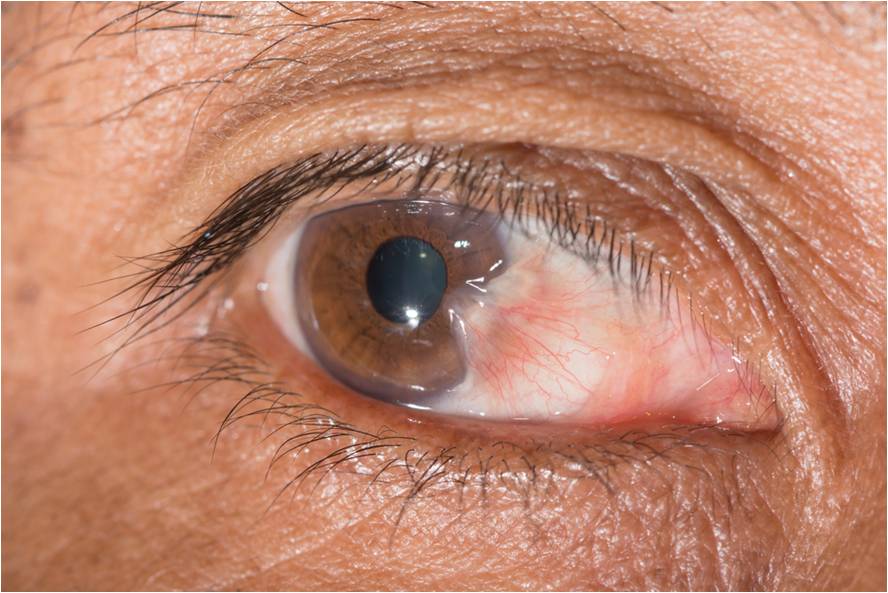
Having a pterygium in the eye does not mean you will experience any symptoms, but some people may show signs:
- burning sensation in the eye;
- itching;
- blurred vision;
- redness of the eyes;
- irritation.
Read also:Amblyopia (lazy eye)
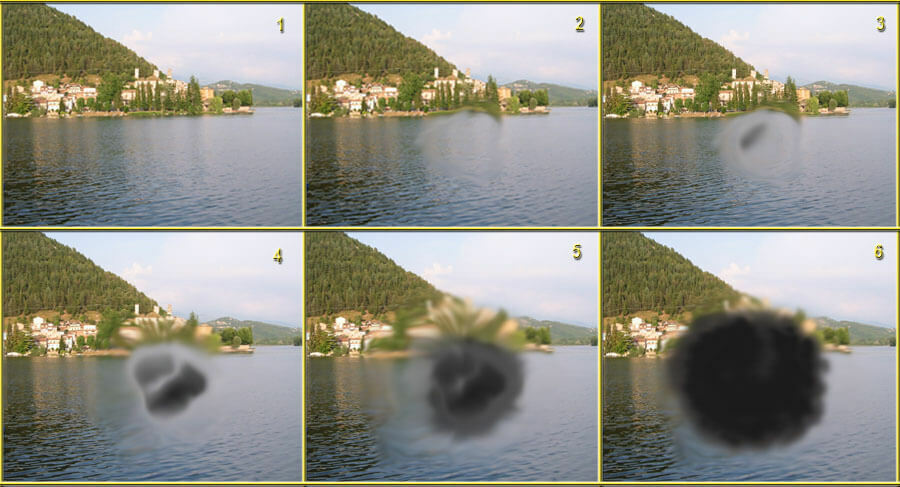
If the growth reaches the pupil of the eye (cornea), it can cause cloudiness or double vision (diplopia). If the pterygoid hymen is thick or large, it can be disturbing and cause feeling that something is in the eyenot to mention, the hymen can also interfere with the use of contact lenses due to the resulting discomfort.
Diagnostics
Pterygium in the eye can be diagnosed without difficulty. During the consultation, the ophthalmologist may perform a physical examination using a special lamp that allows the doctor to see the eye in a wider and more illuminated manner. However, if in any doubt, the ophthalmologist can perform additional tests such as:
- Visual acuity test: reads the table from a certain distance under standardized lighting.
- Corneal topography: is a medical mapping technique used to measure changes in the curvature of the cornea.
- Photo documentation: This is a procedure that involves photographing the eye to track the growth rate of the pterygium.
Treatment
Pterygium of the eye with mild symptoms is unlikely to need treatment, and the ophthalmologist will monitor it from time to time to see if there is growth and if the disease is causing vision problems. Already in cases where the pterygoid hymen will interfere with vision or cause serious discomfort, a different approach may be required. Cm. main treatment options:
1. UV protection.
If the pterygium in the eyes is small, painless, and does not cause vision problems, the ophthalmologist may simply recommend wearing large sunglasses and a hat outside. This can work because UV protection of the eye prevents pterygium growth.
If this care is sufficient to prevent the development of pterygium in the eyes, follow-up will be done every one to two years to make sure the pterygoid hymen is not growing.
2. Ophthalmic drugs.
Some people experience severe irritation or redness of the eyes because of the pterygium. In this case, the doctor will prescribe the use of eye drops or ointments containing corticosteroids. This drug is able to reduce inflammation, which significantly reduces symptoms.
3. Surgery.
If treatment with eye drops or ointments does not have the expected effect, your doctor may recommend a more invasive treatment, namely surgery. It can also be done if the pterygium has caused vision loss or a condition called astigmatism, due to which vision deteriorates.
Read also:Barley on the eye, what is it, causes, symptoms and how to treat
Before performing the operation, the ophthalmologist will discuss all the risks associated with this procedure. For example, the eye may become permanently dry and irritated after surgery, and in some cases the pterygium may return after surgery. Given these possibilities, the doctor usually prescribes medications to reduce and reduce the growth of the pterygium.
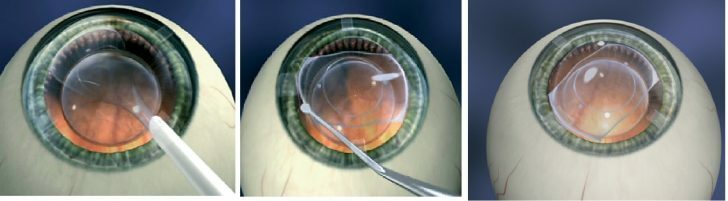
The operation usually lasts 30 to 45 minutes and is performed on an outpatient basis with local anesthesia. During the procedure, the pterygium is removed from the eyes and the doctor fills the empty space with conjunctival tissue or placenta after the lesion has disappeared. While the latter process may seem unpleasant, it will significantly reduce the chances of pterygoid hymen regrowth.
After surgery, you should use a tampon for one or two days, as well as corticosteroid eye drops, which should be used for several weeks or months.
It is recommended that you wear sunglasses every time you go outdoors after your procedure. You should also have frequent follow-ups with an ophthalmologist, as most pterygiums usually return 12 months after surgery.
There is also the possibility of performing an operation only for aesthetic reasons, however, the doctor will analyze all the possibilities in a timely manner in order to take into account the risks.
Relapses
Some studies show that the relapse rate is as high as 40%, others report that it is 5%, and this percentage is considered very low. The research results also showed that the highest rates of relapse were observed in those who were removed. pterygium during the summer months, and this may be due to relatively higher levels of solar exposure Sveta.
It has been proven that operations using the autologous technique of conjunctival autotransplantation, which includes sticking a piece of the surface tissue of the eye to the affected area, safely and effectively reduce the risk of recurrence pterygium in the eye.
Also, a drug that can help limit abnormal tissue and scar growth during wound healing, such as Mitomycin Ccan also be applied topically during surgery or later, and has been shown to reduce the risk of pterygium recurrence.
Important!
If you are already suffering from pterygium in the eye, you should avoid or limit exposure to certain factors to slow tissue growth. Basic Precautions:
- avoid too strong wind;
- avoid contact with dust;
- protect yourself from pollen, especially during periods when it is most active in the environment;
- do not rub your eyes;
- protect your eyes from sunlight.
Applying these guidelines can also help prevent the pterygium from returning if you have had surgery to remove it.
Tips for preventing pterygium in the eye
Pterygium in the eye can be avoided. Taking some simple precautions will already be enough to avoid this kind of problem.
Read also:Conjunctivitis
- Wear sunglasses.
The sunglasses are sold in a wide variety of models and colors, and are also an indispensable accessory to complement image of many people. And, as we said, this, of course, can help not only treat, but also prevent the occurrence of pterygium in the eye.
However, keep in mind that in order to achieve these effects, the selected glasses must provide 100% protection from UVA and UVB rays. When shopping, review the descriptions or contact your retailer to ensure that your chosen product provides this protection.
Another important aspect is that the glasses cover the entire eyes, including the sides, so avoid purchase of those glasses that protect only the front part, and leave "holes" for sunlight Sveta.
If you work outside or are exposed to the sun most of the day, glasses should be a staple accessory given that the risks are even greater.
- Avoid chemical contaminants, cigarettes, dust and wind.
As we mentioned, in addition to the sun, exposure to certain environmental irritants can cause pterygium in the eye. Smoke, dust and chemical pollutants enter the eyes and result in irritation and pterygium growth. Therefore, be sure to protect your eyes from these pollutants and, if possible, avoid places that could expose you to these irritants.
Finally
Most of the time, pterygium in the eye does not cause serious problems, but if it grows, it can significantly affect vision. In such cases, you should consult with an ophthalmologist to find out if eye drops alone are sufficient or a more invasive approach is recommended to treat your case.
If you don't have this problem and you want to avoid it, wear sunglasses when you go outside, and avoid exposure to pollutants that can stimulate the growth of the pterygoid hymen.