Sudden Infant Death Syndrome (SIDS): Causes, Symptoms
Syndrome sudden infant death (SIDS) is sudden death that occurs due to apnea (respiratory arrest) in children under one year of age or newborns. After death, autopsy does not reveal the root cause. To date, scientists do not know what exactly is the cause of death.
SIDS is also called "death in the cradle", as a child can die in a dream for no obvious reason. Not only premature babies are at risk of sudden death, but also apparently healthy babies that do not have any pathologies. Most often, death occurs in a dream, at night or in the morning.
Content
- Suspected causes of death
- Provoking factors for sudden death
- Symptoms of SIDS
- Diagnosis of SIDS
- Treatment for Sudden Infant Death Syndrome
- Methods for preventing sudden infant death at home
- Prevention of Sudden Infant Death Syndrome
- SIDS prognosis
- Related Videos
Suspected causes of death
There are certain factors and causes of Sudden Infant Death Syndrome (SIDS) leading to this poorly understood phenomenon. Parents should try to eliminate all risk factors in order to keep their child alive.
There are theories that explain the mechanisms behind the onset of SIDS. Possible causes of Sudden Infant Death Syndrome are:
- Breathing disorder. It can be considered the norm only during sleep. Due to an unexpected cessation of breathing, hypoxemia (lack of oxygen) begins, therefore the body immediately awakens and the resumption of breathing occurs reflexively. If this does not happen, death occurs. Sudden Infant Death Syndrome (SIDS) appears due to the fact that the newborn's regulatory mechanisms are immature and do not fully function;
- Violation of the activity of the heart. Some experts insist that the cause of death is not apnea (respiratory arrest), but asystole (cessation of the heart). The reasons are considered: disturbed rhythm, bradycardia (low number of heart contractions) and too often changing atrial rate;
- Brain disorders. The respiratory and vasomotor centers are located in the posterior part of the brain. There are cases when violations of enzymatic synthesis and the formation of acetylcholine receptors provoke the appearance of SHSM. In children affected by sudden death, microstructural lesions and cell disorders in brain stem, which arose during the period of intrauterine development due to hypoxia (lack of oxygen);
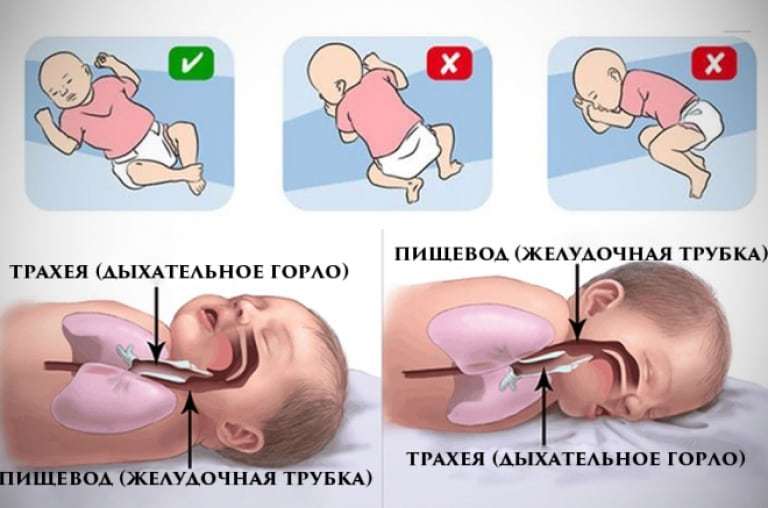
- Circulatory disorders. It occurs due to the clamping of the artery in the wrong position of the head of the newborn. Since the muscular system in infants is not sufficiently developed, he cannot turn his head on his own. Only four months after birth is a newborn able to turn its head. You should not put the child to sleep on his side or on his stomach, since in this case the flow of arterial blood to the brain deteriorates greatly, breathing rapidly slows down and the pulse weakens;
-
Stress. Very often, victims of sudden death experience many pathological changes due to severe stress. The changes are as follows:
- minor hemorrhages in the lungs and thymus gland;
- manifestations of the mucous membrane of the gastrointestinal tract;
- wrinkled lymphoid neoplasms;
- low blood viscosity.
Clinical signs of stress include lacrimation, runny nose, enlargement of some internal organs (liver, spleen, etc.), sudden weight loss, skin rashes (urticaria), etc. According to statistics, in 90% of children, these signs appear three weeks before death.
- Infectious nature of SIDS. In children who died suddenly, various kinds of infections were found. Many studies have shown that the spiral-shaped gram-negative bacterium Helicobacter pylori, which is the causative agent of stomach ulcers, can be the cause of death. After conducting a postmortem examination, it turns out that the release of this microorganism most often occurs in the glands of the stomach and the respiratory system of the deceased. There is an assumption that when the food is thrown out of the esophagus, the infant may inhale a small amount of bacteria harmful to the body contained in the vomit. Cessation of breathing causes the absorption of ammonium into the blood.
Read also:Shereshevsky-Turner syndrome - causes, symptoms, diagnosis and treatment
Provoking factors for sudden death
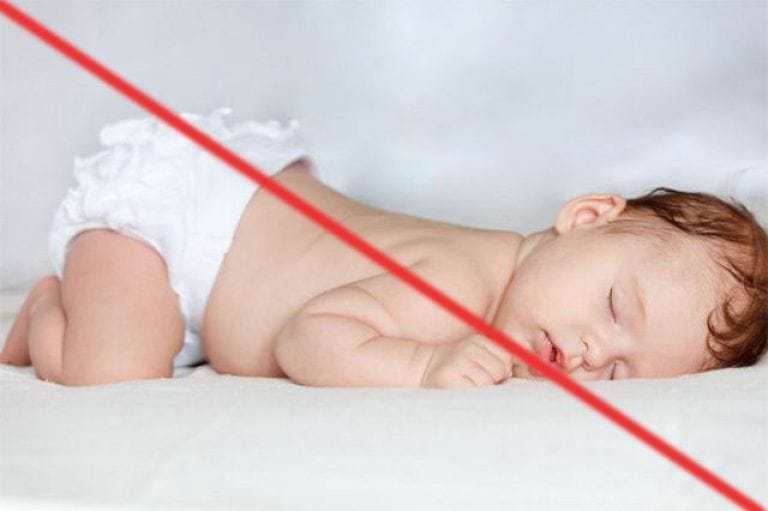
During the study of sudden infant death syndrome, certain provoking factors were identified. The provoking factors are as follows:
- the child sleeps on its side or stomach;
- too soft mattresses and pillows for sleeping;
- overheating of the child (heavy blankets, high room temperature);
- low birth weight children;
- pregnancy with more than one child;
- frequent pregnancies and too short a time interval between them;
- previous sudden death of a child in the family;
- stillbirth;
- complete absence or lack of consultation with a doctor during pregnancy;
- hypoxia or anemia in the fetus;
- too young age of a pregnant woman;
- tobacco smoking, the use of alcoholic beverages and psychoactive substances by a pregnant woman;
- poor family conditions (a large crowd of people in the room, irregular ventilation, smoking of other family members, not knowing how to care for a baby);
- postpartum depression.
It should be noted that sudden infant death syndrome provokes frequent smoking of parents. It has been proven that if women did not smoke during pregnancy, the number of sudden deaths of babies decreased by 42%. Not only active smoking is considered dangerous, but also passive smoking. Therefore, if there is a small child in the family, then you need to completely abandon this addiction.
One of the provoking factors is the swaddling of the baby. Some experts argue that swaddling a baby is necessary because it will not be able to roll over into the wrong position, which means that the risk of death is reduced.
Other experts believe that swaddling stops the physical development of the child. Too tight swaddling restricts the baby's movements, therefore, thermoregulation processes are disrupted (there is an increase in heat transfer in an even position).
Swaddling disrupts the normal breathing process, which is the cause of pneumonialeading to SHSM. It should also be borne in mind that tight swaddling limits physical contact with the mother, and this is an important part for the subsequent development of the child.
Symptoms of SIDS
There are no symptoms of sudden infant death syndrome. The child looks good on the outside and does not show any negative emotions. Therefore, it is impossible to know for sure whether death may occur.
Diagnosis of SIDS
Children who have experienced SIDS are assigned a comprehensive examination. To begin with, the child is examined by a pediatrician, pediatric neurologist, cardiologist, pulmonologist, ENT doctor and etc. The following are used as instrumental examinations:
- electroencephalography (EEG) - a study of the electrical activity of the brain;
- polysomnography - analysis of the patient's sleep using special computer systems;
- transcranial dopplerography (TCDG) - ultrasound examination of the vascular system of the brain;
- electrocardiography (ECG) - functional diagnostics based on the study and registration of electric fields generated during the work of the heart;
- ultrasound examination of the heart;
- daily monitoring of electrocardiography - electrophysiological instrumental diagnostics;
- chest x-ray.
Read also:Vesicoureteral reflux (VUR) in children
In addition to instrumental studies of SIDS, infectious diagnostics is used. The methods include:
- enzyme immunoassay (ELISA) - a laboratory method that determines various low molecular weight compounds, macromolecules, viruses, etc.;
- polymerase chain reaction (PCR) - methodallowing to increase the low concentration of special nucleic acid fragments in the sample;
- microbiological research - long-term diagnosis of various infectious diseases. Collection of biological materials is performed - smear, scraping, puncture and biopsy;
- biochemical blood test - a method that allows you to assess the work of all internal organs (kidneys, gallbladder, liver, pancreas, etc.), receive information about metabolism and find out the need for certain trace elements:
- acid-base state of the blood.
Treatment for Sudden Infant Death Syndrome
As such, there is no cure for SIDS, as the causes of sudden infant death are unknown. The only thing that can be done is to closely monitor the child's condition during sleep, monitor the position and consult a specialist in time.
Treatment of sudden infant death syndrome with medications is impossible, since it is not known what exactly needs to be treated. There are no drugs that would fight this pathology. The death of an infant occurs suddenly and is almost impossible to prevent.
Methods for preventing sudden infant death at home
Many researchers argue that using a pacifier while sleeping can help reduce the risk of sudden infant death syndrome. This theory is based on the fact that the nipple circle promotes better air penetration into the respiratory system. You need to start using a pacifier from 1 month of age, since the baby has already worked out the breastfeeding process. But do not persist if the baby does not want to take the pacifier. It is necessary to engage in weaning from a pacifier gradually, starting from a year. Up to what age parents decide to use the pacifier, but it is better to wean the child in a timely manner.
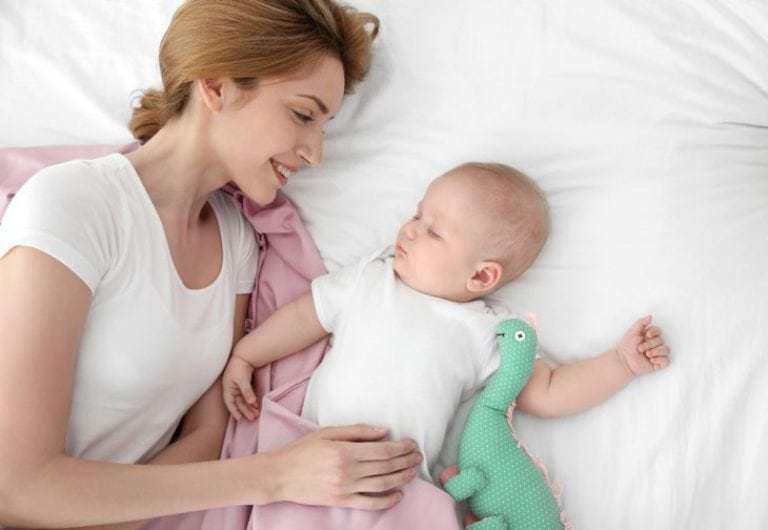
It is recommended to combine the sleep of the mother with the baby. It is known that co-sleeping reduces the risk of infant death to minimal levels, but only if the parents are nonsmokers. In a dream, a woman at a subconscious level controls the sleep of a child nearby
The risk of SIDS occurs after the child screamed and cried loudly, and then immediately fell asleep. In this case, it is unsafe to leave the child alone in the crib, but it is better for him to be near parents who can notice the abnormal state of health of the child and at the right time help.
There is another opinion about sleeping together. Parents who smoke, without realizing it, cause irreparable harm to their child. When smoking, components hazardous to the health of the child are released. Also, do not overuse perfumes before bed.
It is not recommended to sleep with a child if the parents feel excessive fatigue or are taking medication that makes them sleepy. In this case, it is necessary after the child has eaten to put him in a crib, which should be in the parents' bedroom, near the adult's bed.
An important role in the prevention of SIDS is played by the child's bed and proper bedding. It is better to move the crib to the parents' bedroom, but in no case next to a radiator or heater. The mattress should be chosen moderately firm and even. If necessary, you can lay an oilcloth, and on top - a well-straightened, ironed and clean sheet. It is advisable to completely abandon the pillow, but if this is not possible, then the pillow should not be soft. It is also not recommended to wash bedding with detergents and rinses with a strong odor. In addition to bed linen for the child, you need to carefully monitor the bed of the parents.
Read also:Down syndrome: what does the extra chromosome carry?
You don't need to use a cotton blanket, a woolen blanket is the best option. Also, do not choose a thermal blanket. Covering a child with a blanket is shoulder-length so that he cannot accidentally cover himself with his head. The main thing is not to allow overheating, since overheating greatly impairs the control of the brain over the functioning of the respiratory center.
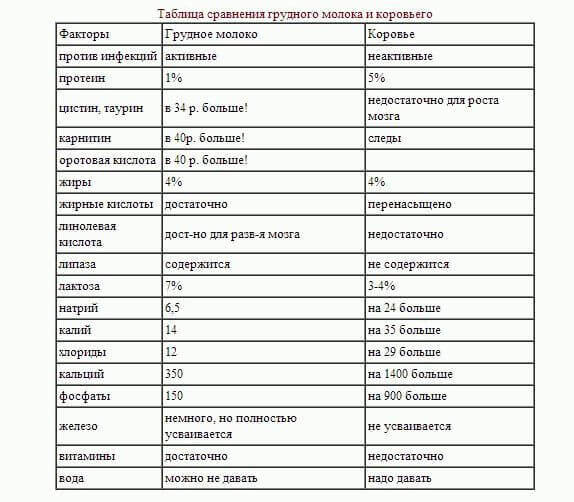
Breastfeeding significantly reduces the risk of sudden infant death. The positive effect of breast milk is due to the fact that it contains not only immunoglobulins, but also useful fatty acids that stimulate the maturation of the child's brain and all the most important body systems.
Breastfeeding helps to strengthen the baby's immune system and prevents respiratory diseases that can trigger sudden death. If the child is not breastfeeding and the mother also smokes, then the risk of SIDS increases dramatically, which will lead to the death of the infant.
Prevention of Sudden Infant Death Syndrome
If parents notice that the behavior and condition of the child is non-standard, you need to immediately take it, stir it up, gently massage the ears, feet and hands, pat it on the back along the spine. Usually, such manipulations are enough to resume breathing, but if this does not help, you need to urgently call a doctor.
Cardiopulmonary resuscitation (CPR) should be performed immediately to restore the child's vital functions and bring him out of his dying state.
Prevention includes primary and secondary measures:
- Primary measures imply a complete refusal of parents from smoking, drinking alcohol, drugs, proper nutrition, moderate physical loads, preventive measures for premature birth, timely registration and the entire period of pregnancy is under control doctor. It is also necessary to optimize the sleeping conditions of the newborn: sleeping only in the supine position, using sleeping bag, comfortable bed, elimination of overheating, access to fresh air, temperature control and etc.;
- To secondary measures prevention includes the prevention and timely detection of an infectious disease. What kind of disease is it that specialists should find out. It is necessary to carry out restorative therapy, massages, home cardiorespiratory monitoring, etc.
SIDS prognosis
Childhood death is a terrible thing. It is difficult to prevent the sudden death of a child, since no clear reasons have been established. It is impossible to talk about a favorable prognosis, you can only carefully monitor the state of the child's health, take care, exclude all unfavorable factors for development and life. It should be remembered that SHSM is not subject to either medication, surgical or traditional methods of treatment.