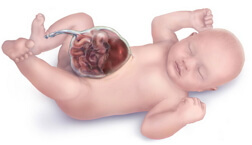
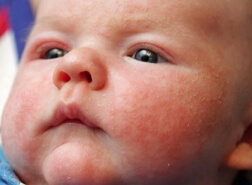
Rickets in infants: signs, photos, causes and treatment
Rickets in infants, what is it, the causes, signs and symptoms, diagnostic methods, treatment and prevention, we will consider today in this article.
Rickets is not a single disease, but a range of disorders caused by low calcium levels in the bone tissue. Signs of rickets in infants appear in the first months of life.
Violations arise from a lack of vitamin D, which is responsible for the absorption of the necessary calcium by the body.
A child who falls ill with rickets may significantly lag behind in growth, possibly a non-standard deformation of the skeleton, etc. Today, the disease is extremely rare, but in any case, the prevention of rickets is mandatory.
It is very important to identify the disease in the early stages of its development. At first, the symptoms of the disease are very similar to other disorders, so it is necessary to diagnose and begin treatment for any signs.
Content
- The causes of rickets
- Provoking factors for the development of the disease
- Symptoms of rickets
- Rickets stages
- Diagnostics
- Rickets treatment
- Medication treatment
- Surgical intervention
- Additional methods of treating rickets at home.
- Nutrition
- Folk remedies
- Physical exercise
- Prevention of rickets in infants
- Recovery prognosis
- Related Videos
The causes of rickets
The development of the disease is completely related to the intake of vitamin D. Signs of rickets in children under 1 year old can significantly worsen their health.
During scientific research, about seven types of the element have been identified. Calcium enters the human body with food or through synthesis in the integument of the skin.
Vitamin D has a positive effect on the functioning of internal organs, contributes to the normal absorption of the element, significantly accelerates the absorption of mineral salts by the bones. Against the background of poor absorption or calcium deficiency, a problem may appear in the work of digestion, immunity and the development of rickets.
The main reasons for the development of rickets in children are:
- there is evidence that the disease is genetically related. Mutating genes that adversely affect calcium absorption and lead to disease. In this case, boys are more susceptible to illness. In girls, the manifestations of the disease occur much less frequently and pass in a mild form;
- nutritional deficiencies. More often babies who are fed artificially are prone to rickets. Even special powders and mixtures are not able to give the child the required amount of nutrients;
- deficiency of enzymes that are responsible for the normal absorption of calcium;
- obesity in a child or congenital allergies.
Provoking factors for the development of the disease
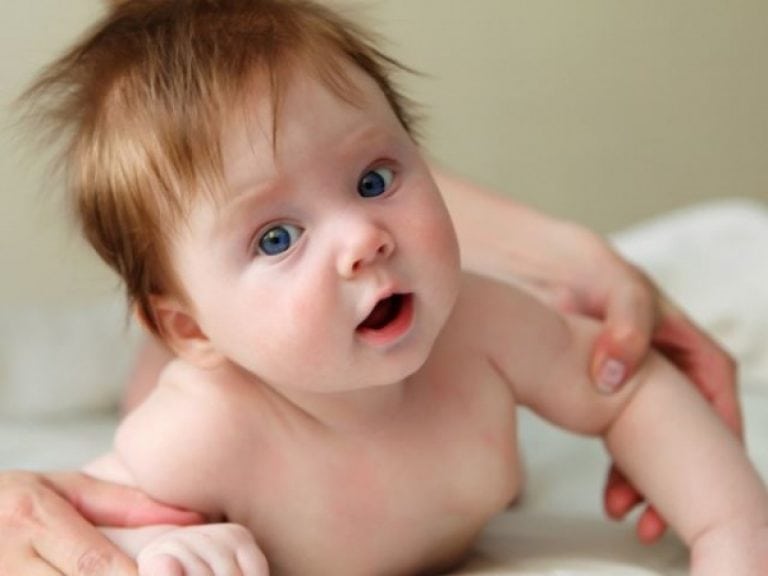
In official medicine, experts have identified several reasons that aggravate the situation. Rickets can be caused by a combination of many provoking factors. These include:
- late children or, conversely, those who were born at an early age;
- multiple pregnancy. If a woman bears more than one or even two children, then her body cannot adequately provide them with the necessary nutrients. Only one child receives a correct and healthy diet;
- premature babies more prone to rickets than others;
- improper nutrition women while carrying a baby or breastfeeding. During pregnancy, the diet of the expectant mother should be rich in useful trace elements. If there are few nutrients, then there is a high probability that the baby will be born with pathologies;
- rare stay pregnant woman in the open sun. With a newborn baby, it is also necessary to go for walks so that the baby can stay in the sun a little;
- short temporary the interval between pregnancies. In this case, the woman's body in all physical parameters does not have time to recover normally and the child does not receive useful microelements to get enough. For this reason, health problems begin to appear at an early age.
Read also:Amniotic fluid embolism
Symptoms of rickets
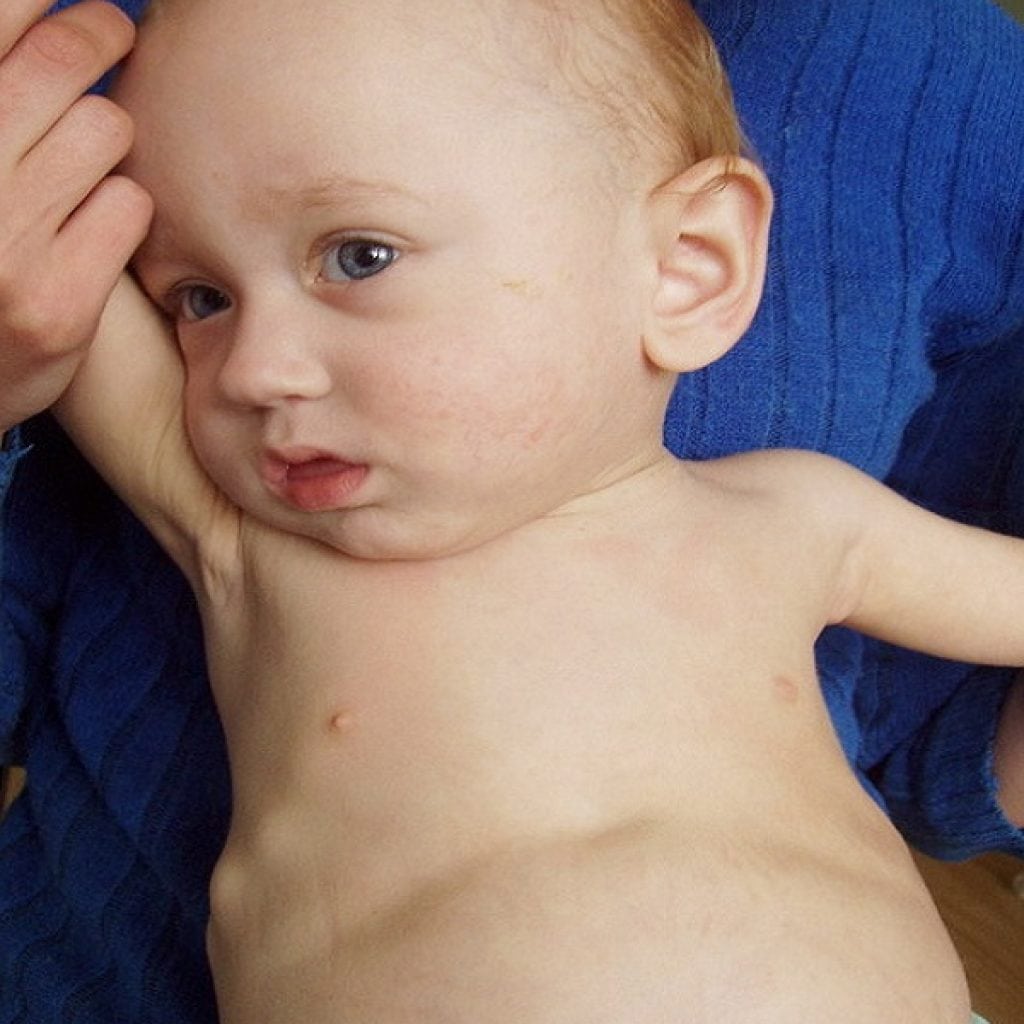


The main primary symptoms of rickets in infants (see. photo) can appear at 3-4 months, less often in children under one year old. Parents should be responsible for the health of the child and carefully monitor him. The symptoms of rickets in infants are as follows:
- increased sweating. After sleeping, the parents notice that the pillow is wet. Also, sweating occurs when the baby is playing, eating, etc.
- gradual baldness in the occipital region;
- high reaction to sounds. The child can react aggressively to the usual everyday sounds and wake up, shuddering;
- the edges of the large fontanelle soften and the formation of tubular bones is noticeably slowed down;
- bones are gradually deformed. Curvature of the clavicles occurs, neoplasms are formed on the wrists, ankles and sternal joints. The sternum is depressed or, conversely, becomes too convex. The head has an angular shape, the forehead is too convex, the jaw arches are deformed. Late and crooked teething;
- the disease also damages the central nervous system. The child has excessive excitability and irritability. Sleep is disturbed. The kid loses previously acquired skills and poorly perceives new information in the future;
- weakening of the immune system. Immunity becomes weak and unable to protect the child's body from other diseases, therefore, in addition to rickets, other acute diseases may occur.
Rickets stages
Rickets in infants is divided into three stages:
- 1. with rickets of the first stage (mild), several manifestations occur on the limbs, head and chest. There is also muscle hypotonia, but psychomotor development is not impaired;
- 2. with rickets of the second stage (moderate condition), pronounced bone deformities, disturbances in the central nervous system and other organs are noted. The child's psychomotor development is impaired;
- 3. at the third stage (severe), multiple and persistent bone changes were noted. The kid is significantly behind in development, digestion is disturbed, the central nervous system is affected.
Diagnostics
To establish the correct diagnosis, an X-ray examination and laboratory tests are required.
After receiving the results, the attending physician will be able to make the correct diagnosis, prescribe treatment and prevention of rickets.
To diagnose rickets, the following methods are used:
- biochemical analysis of blood and urine;
- radiography and computed tomography of tubular bones;
- densitometry.
With the help of radiography, you can identify changes characteristic of rickets. Thanks to computed tomography and densitometry, it is possible to assess the structure of bone tissues and get a more complete clinical picture of the disease.
The main laboratory signs indicating disease are:
- hypocalcemia;
- hypophosphatemia;
- increased level of alkaline phosphatase activity;
- low calcitriol levels;
- acidosis.
Rickets treatment
If a child has rickets, you should not immediately fall into despair, because the disease is being treated. Timely referral to specialists will help identify the causes and symptoms of rickets.
Medicine will help get rid of any complications and further progression of the disease.
The first thing to do is contact your pediatrician. It is the doctor who will be able to establish an accurate diagnosis, study the symptoms and prescribe an effective treatment.
Medication treatment

Medical treatment is not excluded. There are special medications that can compensate for vitamin D deficiency. These tools include:
- Aquadetrim. It is an aqueous solution containing vitamin D drug easily absorbed, does not accumulate, excreted by the kidneys. This is what allows you to use the drug without fear of overdose in treatment and prevention. All the same, the dosage for the child should be prescribed by the attending physician, gradually increasing;
- The use of oil solutions with vitamins D3, such as: Videin, Vigantol, Davisol. For example, Davisol will not cause any allergic reactions in the child. Oil solutions are not suitable for children who have suction problems;
- Ergocalciferol. Also, an oil solution with vitamin D2, used as a prophylactic agent, but the drug has its own side effects. Prescribed only by a doctor.
Read also:Bart's Syndrome
Surgical intervention
The advanced stage of rickets cannot be cured by taking medications, exercises, massages, etc. In this case, only surgery will help.
The operation is extremely rare and only in advanced cases.
Postoperative rehabilitation and prevention of rickets are long and painful for the child, which means that it is impossible to ignore the disease in the early stages. At the first sign, you need to see a doctor.
Additional methods of treating rickets at home.
Even if rickets has passed into a severe stage, hospitalization of the child is not always required. More often, special procedures are prescribed, which can be carried out at home.
Such procedures will help make up for the lack of calcium and neutralize the disorders that have occurred in the body.
Treatment of rickets requires a complex of procedures to adjust the daily regimen, activity of movements and nutrition of both the child and the mother. It is necessary to walk with the baby more often in the fresh air. Air baths and hardening procedures are also effective.
The most effective are sunbathing, but it is worth remembering that in the heat you need to beware of overheating, and especially for children.
Nutrition
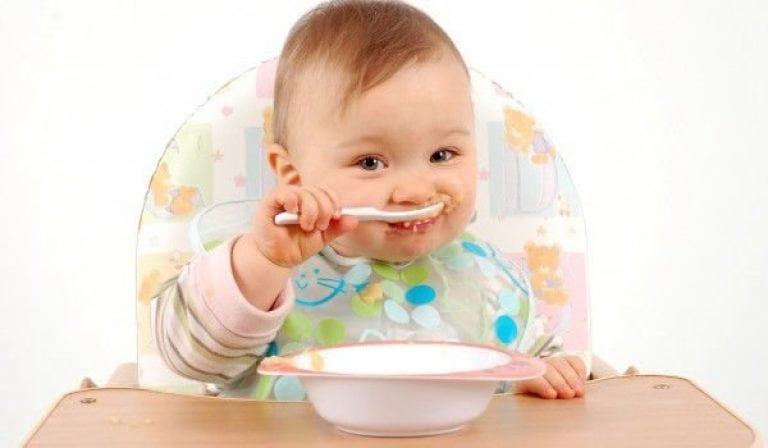
The child's diet should contain the required amount of vitamins, minerals (calcium, phosphorus) and proteins. The best food that contains a lot of nutrients is breast milk.
Mother's milk contributes to the complete absorption of vitamin D and other beneficial microelements by the child. Nursing mothers need to carefully monitor their own diet.
A woman should eat fish, dairy products, fresh natural fruits and vegetables, not smoke or drink alcohol.
Also, a woman should avoid any stressful situations and emotional stress, since due to stress, breast milk can disappear.
Read also:Nursing mother's menu by month - Komarovsky table.
Folk remedies

To cure rickets, not only medicines are used, but also traditional medicine.
If the child is too aggressive and agitated, then baths with the addition of various medicinal herbs are used to calm down.
For example, for 10 liters warm water at room temperature is added a teaspoon of pine needles. Such a bath will have a positive therapeutic effect on the child.
Also, for overly excitable children, they do water procedures with sea salt. Also add two tablespoons of salt to 10 liters.
To support the weakened body of the child and help to increase immunity, it is recommended to give various herbal infusions and decoctions. Decoction recipes are as follows:
- Pour boiling water over one tablespoon of chopped burdock root, cover the container with a lid and leave to infuse. After that, strain and water the child for a quarter of a glass three times a day;
- A decoction of vegetables. You must first rinse the vegetables well (cabbage, beets, carrots), then boil them. Take out the vegetables and give the decoction to the child several times a day;
- Peppermint. Add a spoonful of dried leaves to a glass of hot water, close the lid and leave for 30 minutes. After giving the child a teaspoon one hour before meals, three times a day;
- Walnut. Pour a tablespoon of dried walnut leaves with boiling water, leave to infuse for 1 hour. After giving the child one teaspoon of the broth 3 times a day.
Do not self-medicate rickets. In any case, it is necessary to consult and voice your own plans for the treatment of the child. Only after the advice of a specialist can you use various decoctions and recipes.
Physical exercise
The health of the child is favorably influenced by massage and therapeutic physical exercises. Such a complex includes special breathing techniques, massage of the limbs, back and chest.
Read also:Heiloschisis (cleft palate, cleft lip): what is it, causes, symptoms, photos of children before and after surgery
To help strengthen the muscles, it is necessary to make turns of the child from the back to the stomach, strengthen the gait reflexes, provide assistance and support in taking the desired position.
Prevention of rickets in infants
Prevention of rickets implies the exclusion of recurrence of the disease or primary development. Disease prevention is:
- Antenatal, carried out during the period of bearing a child;
- Postnatal - is carried out after the birth of the child.
Nevertheless, preventive measures are much more often used, which are due to the correct organization of the lifestyle, diet of both the mother and the child. But sometimes specific prevention of rickets may be required.
In the first days of a newborn's life, it is necessary to pay attention to everything, not forgetting about the daily routine.
Walking with your child in the fresh air should be mandatory, as ultraviolet rays promote synthesis vitamin D in the skin. But you need to avoid overheating the child in hot weather.
In summer, the sun can be aggressive even for an adult, but for a baby it is extremely dangerous.
Recently, it is not recommended to swaddle babies after two months. Until this age, you need to use free swaddling, that is, not completely swaddle, but leave your hands free and not cover your head.
Air baths are useful for the child, you can leave him naked for a while. But it is worth neutralizing all drafts and preventing hypothermia or overheating of the child.
The kid should move freely - crawl, get up, sit down and roll over.
Parents need to build the correct sleep pattern for their child. Sleep should be long and at least 2 times a day. The room where the child sleeps should be ventilated and clean.
It is necessary to eliminate all unnecessary sounds when the baby is sleeping, his sleep should not be disturbed.
Recovery prognosis
With timely access to medicine, started diagnostics and treatment, the prognosis of rickets is favorable. If the course of the disease is severe, then in the future changes are possible that cannot be changed:
- too short stature;
- kyphosis - violation of posture;
- curvature of the teeth;
- malocclusion;
- undeveloped or underdeveloped skeletal muscles;
- narrow pelvis. This pathology brings more problems to girls, since in the future there will be difficulties during childbirth.
The disease does not pose a particular danger to life, but without doing anything, the symptoms will pass, and the consequences will remain. Children who have had rickets in the future may have advanced caries of both milk and permanent teeth, curvature of the limbs and other parts of the body, and a clear developmental delay.
Due to the deformation of the skeletal system in children under one year old, scoliosis, deformation of the pelvic bones and anemia. Due to low immunity, the baby can often get sick bronchitis, bronchial asthma or pneumonia. In adults, against the background of rickets, osteoporosis and other complications.
Rickets in infants violates the immune system, which is why a lag in normal development begins. The main task is to find out the cause of the occurrence, the appointment of effective therapy and prevention. Refusal of treatment or non-compliance with all the recommendations of specialists will lead to complications.