Psoriatic arthritis: symptoms, treatment, photo
Content
- What is psoriatic arthritis?
- Different types of PA
- Who can be affected by the disease?
- Causes
- Photos of patients with psoriatic arthritis
- Symptoms of psoriatic arthritis
- Diagnostics
- Treatment for psoriatic arthritis
- Treatment with folk remedies
- Life expectancy for patients (prognosis)
- Related Videos
What is psoriatic arthritis?
Psoriatic arthritis (psoriatic arthropathy or PA for short) is a form of arthritis (joint disease) resulting from a skin disorder scaly lichen (a common ailment characterized by scaly red and white patches / skin rash, also called psoriasis).
Psoriatic arthropathy can affect any joint in the human body, including the spine.
Different types of PA
There are 5 types of psoriatic arthritis known to medicine. It is important to know what type of disease you are and to understand the characteristic in order to properly cure it later.
- Symmetrical psoriatic arthropathy: The disease affects paired joints on opposite sides of the body. Symmetrical PA can affect the active participation of a person in labor, cause varying degrees of progressive, destructive diseases and loss of function. Symmetrical psoriatic arthropathy resembles rheumatoid arthritis.
- Asymmetric psoriatic arthritis: The disease usually affects 1-3 joints in the human body - large or small (knee, hip and one or more fingers). Asymmetric PA does not affect paired joints on opposite sides of the body.
- Distal interphalangeal predominant (DIP): Distal interphalangeal psoriatic arthritis predominantly affects the small joints in the fingers and toes, closer to the nail. DIP psoriatic arthritis is often confused with osteoarthritis, a chronic disease that causes degradation of articular cartilage and bone, and also affects bone spurs in the joints.
- Ankylosing spondylitis (ankylosing spondylitis): spondyloarthritis affects the spinal column and can cause inflammation and stiffness in the neck, the lower back, spine, or sacroiliac region (pelvis), making it difficult traffic. Ankylosing spondylitis can also affect connective tissue (ligaments) and cause arthritis in the joints of the arms, thighs, and legs.
- Deforming arthritis: is a severe, deforming and destructive form of PA. The disease primarily affects the small joints in the fingers and toes closest to the nail, resulting in a change in the size, shape, and loss of function of the affected joints. It is also a common cause of lower back and neck pain. This type of disease is extremely rare.
Who can be affected by the disease?
Anyone can get psoriatic arthropathy, but it is more common in Caucasian (also called Caucasian or Caucasian) than African Americans or Asians Americans.
Psoriatic arthritis most often appears between the ages of 30-50, but it can also begin in childhood.
According to the US Centers for Disease Control and Prevention (CDC), 10-20% of people with lichen scaly ultimately develop psoriatic arthritis.
Read also:Osteoporosis: what it is, causes, symptoms, diagnosis, treatment and prevention, prognosis
In general, in Russia, arthropathic psoriasis was at the level of 12.3 per 100 thousand. population, or 5.7%.
Causes

The cause of psoriatic arthritis is not clearly known to medicine; however, doctors believe it is a combination of genetic and environmental factors.
Studies show that people with psoriatic arthropathy have family members with psoriasis or arthritis. In susceptible individuals, infection can activate the immune system, causing PA to develop.
Risk factors.
To better understand what causes psoriatic arthritis, with the ultimate goal of stopping it, scientists are studying factors that predict the risk of arthritis among people with psoriasis.
One study found that people with psoriasis who reported being obese at age 18 had arthritis develops more often and begins at an earlier age than people with a normal body mass index (BMI). Other studies have shown that more severe skin disease predicts an increased risk of developing joint disease.
Photos of patients with psoriatic arthritis
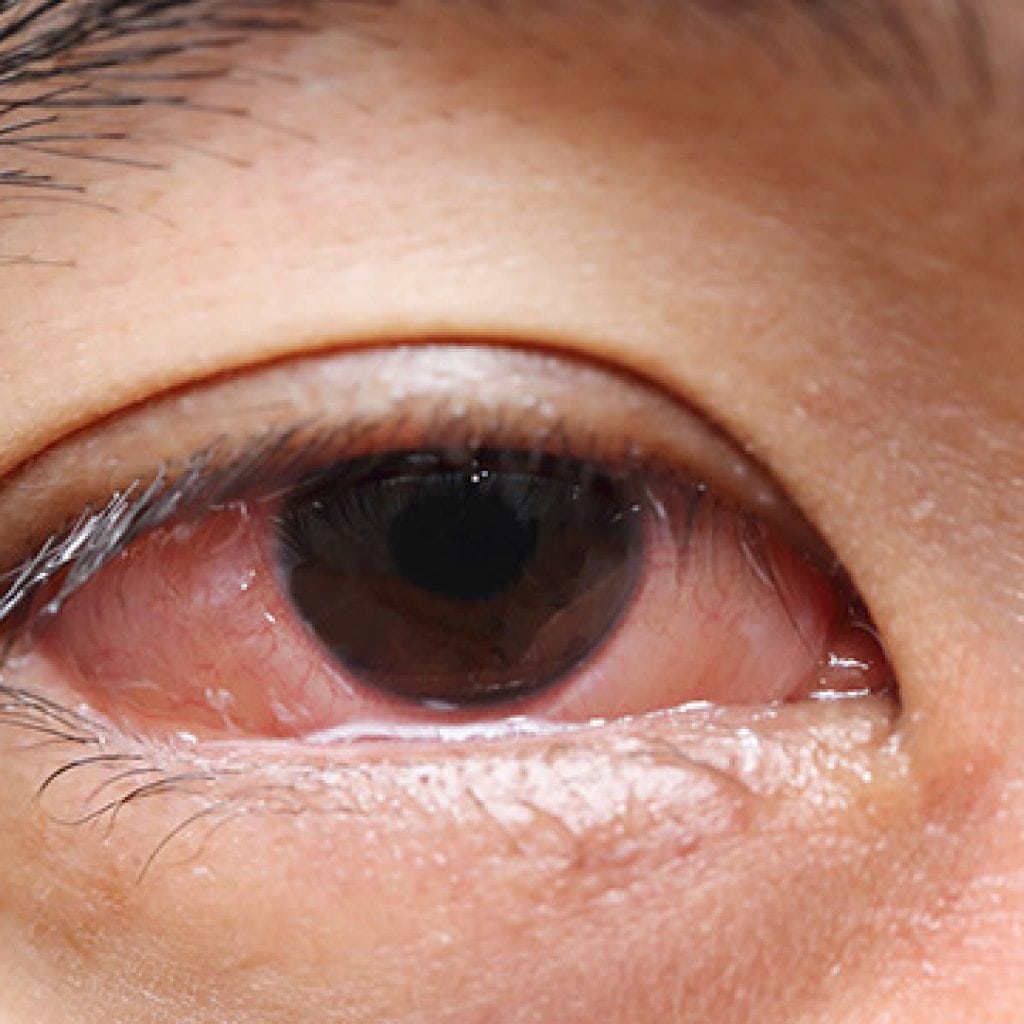
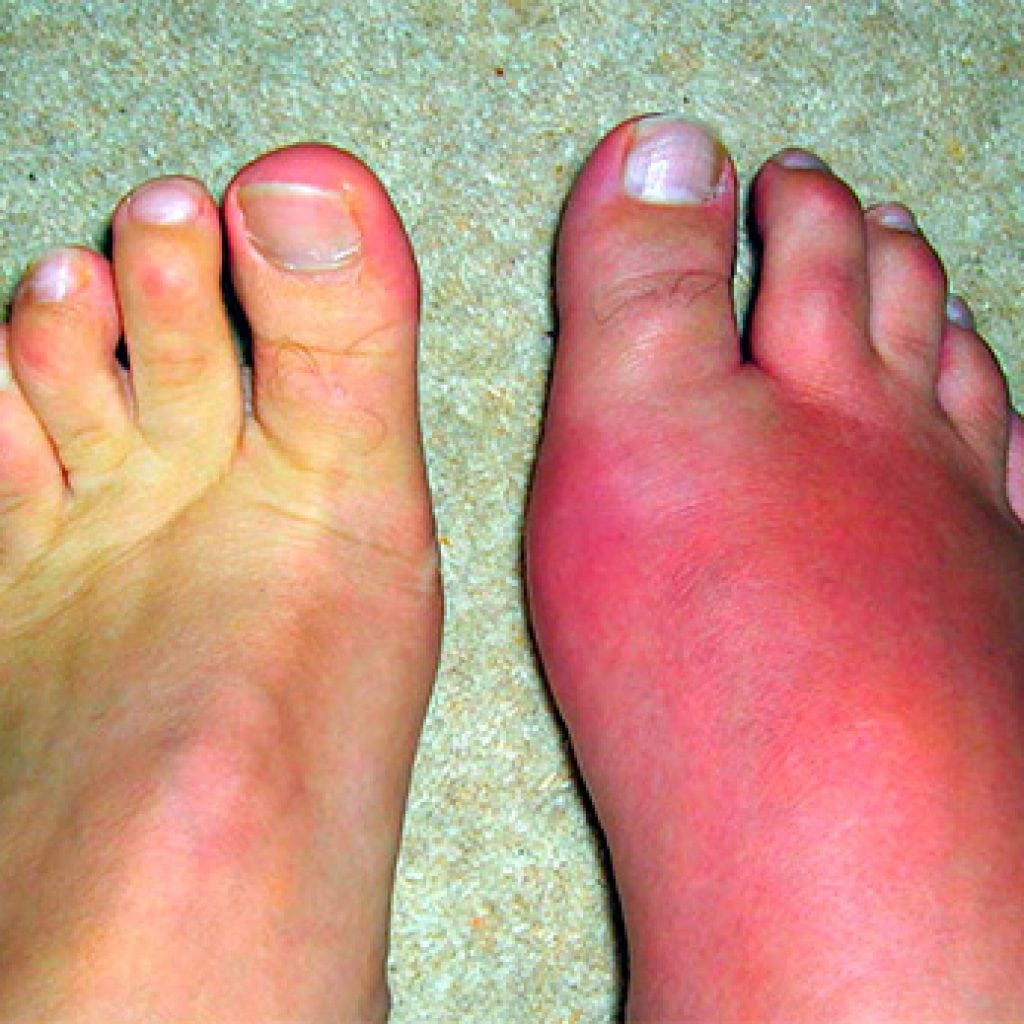
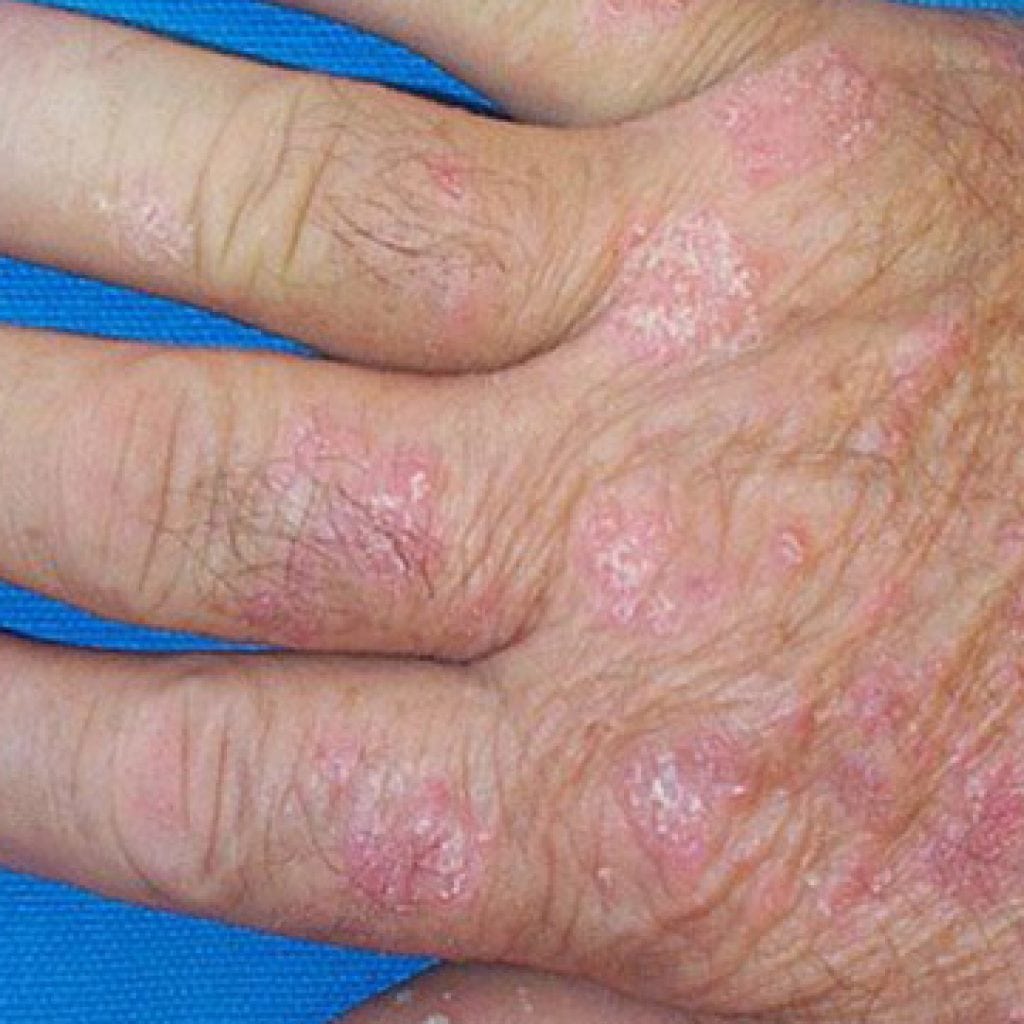
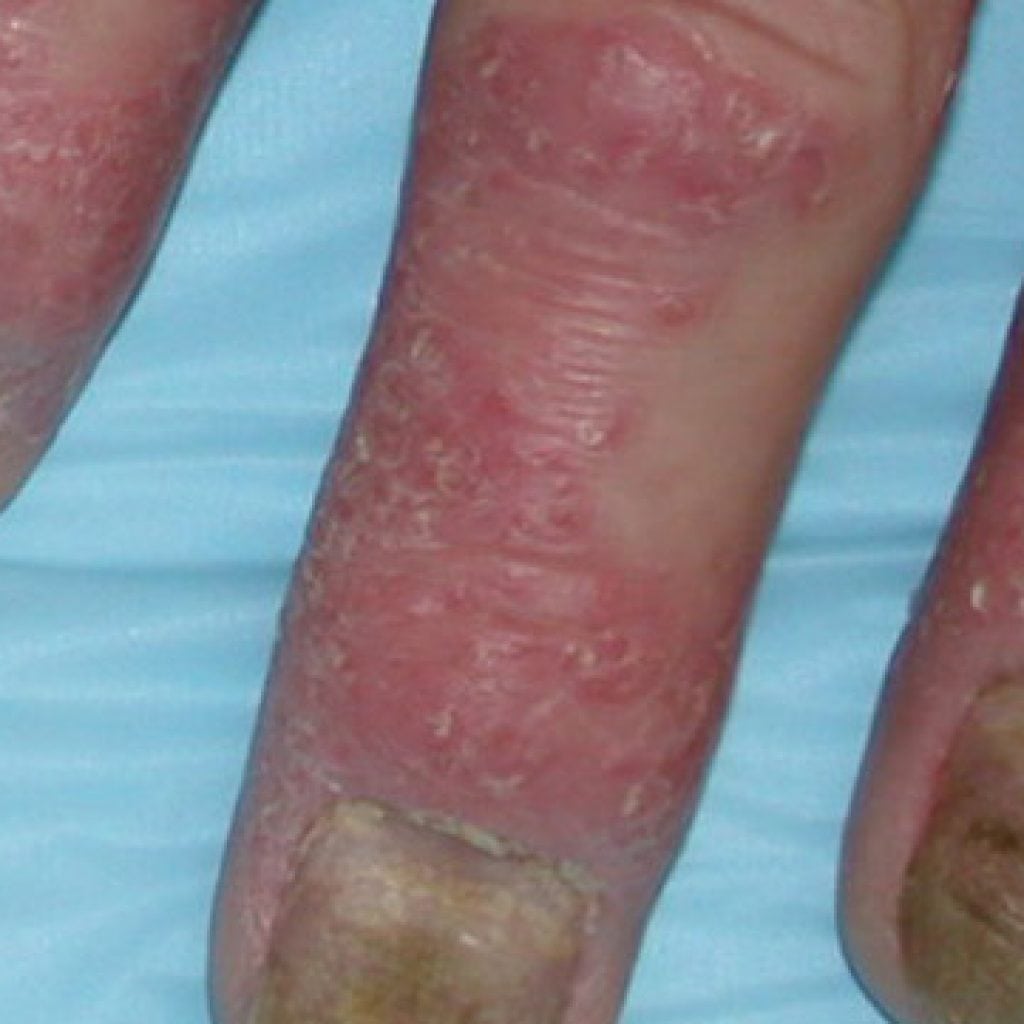
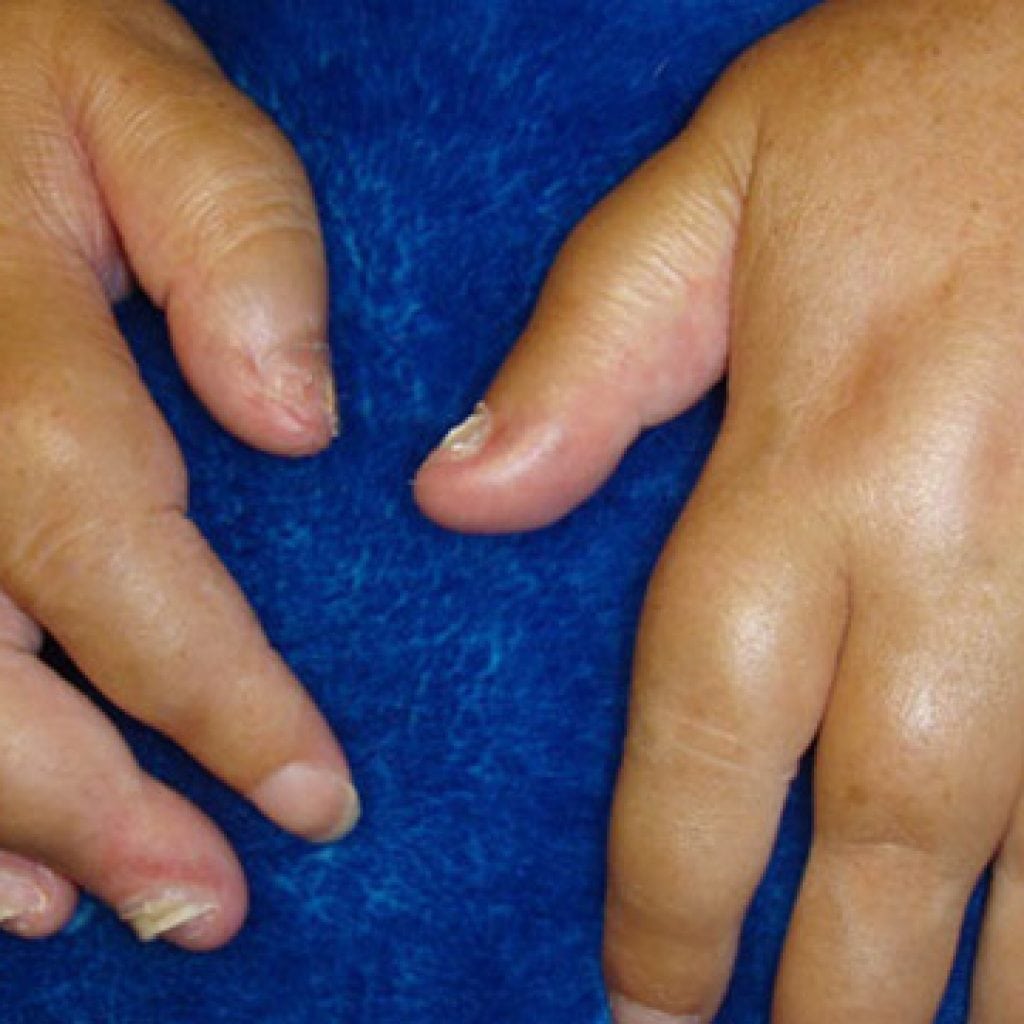
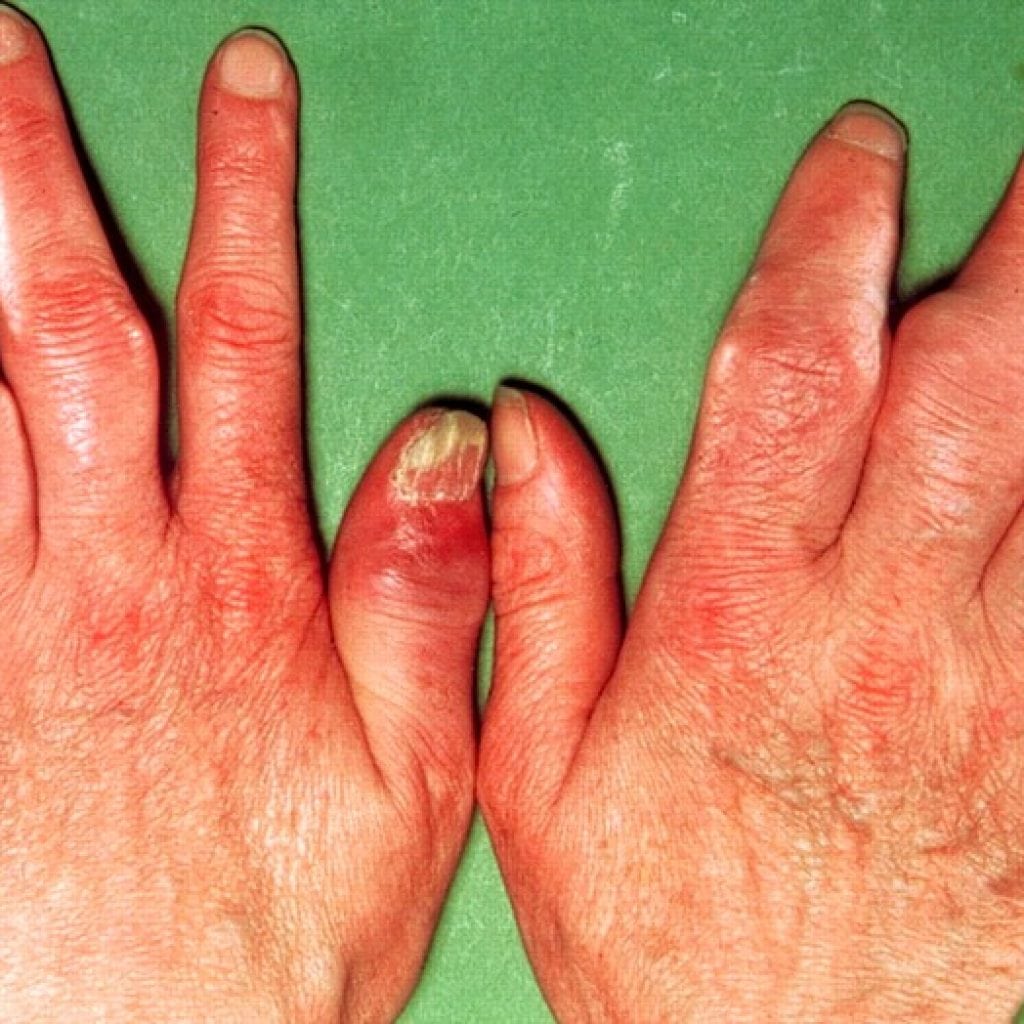
The disease affects both the skin and the musculoskeletal system. The most commonly affected joints are the distal joints (those closest to the nail) of the fingers or toes, as well as the wrists, knees, ankles, and the lower back (see picture). photo below).
Symptoms of psoriatic arthritis
Signs of damage to the musculoskeletal system:
- Coming and going joint pain and swelling, accompanied by redness and a sensation of heat.
- Soreness in the area where muscles or ligaments come into contact with bone, especially in the heel and bottom of the foot.
- Painful process, accompanied by fever, swelling of the spine, caused by spondyloarthritis.
- Tendinitis (edema/ tendon inflammation)
- Morning stiffness.
- Restriction of movement in the joints.
- Painful, sausage-like swelling of the fingers / toes.
Skin manifestations:
- Tight and reddened skin with flaky, silver patches called scales.
- Pitting of nails or separation of the nail from the nail bed.
Other symptoms:
- General fatigue and malaise.
- Conjunctivitis (also known as pink eye), an inflammation or infection of the membrane lining the eyelid and part of the eyeball.
There may be times when symptoms improve (doctors call this remission) and times when they get worse (doctors usually call this a flare-up or relapse). It is very difficult to predict when an illness recurs, but an outbreak is often managed with medication.
Diagnostics
Diagnosis of psoriatic arthritis begins with a medical and family history and physical examination of the patient, as well as radiography or magnetic resonance imaging (MRI) of the affected joints.
Although there are no laboratory tests to diagnose PA, the doctor may refer to blood analysis or Analysis of urineto rule out other forms of arthritis with similar symptoms.
The similarities between psoriatic arthritis and other inflammatory forms of arthritis can delay an accurate diagnosis, especially when arthritis precedes a skin disorder.
Read also:Ankylosing spondylitis in women: symptoms, prognosis for life, treatment
Researchers looking for better ways to diagnose the disease have found that a technique called contrast-enhanced MRI can help doctors distinguish rheumatoid arthritis and psoriatic arthritis in the hand and wrist, allowing them to target therapy for each condition.
Treatment for psoriatic arthritis
Treatment for psoriatic arthritis will largely depend on its severity. If the disease is mild and affects only a couple of joints, treatment with a group of drugs that have analgesic, antipyretic and anti-inflammatory effects (NSAIDs) may be sufficient to relieve symptoms of pain and inflammation.
For acutely inflamed joints, corticosteroid injections may be helpful. A more persistent disease involving multiple joints will require stronger disease-modifying antirheumatic drugs (DMARDs) and / or tumor necrosis factor inhibitors (TNF inhibitors).
There are several biological medications available to treat psoriatic arthritis by infusion or injections, let's take a closer look at which drugs from different categories will be useful for ailment.
- TNF inhibitors such as Humira (adalimumab), Etanerceptum (Etanerceptum), SIMPONI (golimumab), Simzia (certolizumab pegol), and Infliximab (Remicade).
- Cosentix (Secukinumab), a new type of biological injection, has recently been approved for the treatment of psoriatic arthritis. The price of the medicine varies in the aisles 130-150 thousand rubles.
- Stelara (Stelara) - a biological injection, prescribed only by a doctor, is very effective in the treatment of PA and psoriasis. Drug price 220-230 thousand rubles.
List of non-steroidal anti-inflammatory drugs:
- Diclofenac;
- Indomethacin;
- Etodolac;
- Aceclofenac;
- Piroxicam.
Non-Steroidal Anti-Inflammatory Drugs /agents (NSAIDs) are often used to treat PA. This type of medication helps relieve pain, joint swelling, and reduce stiffness. However, drugs in this group do not prevent the further development of the disease.
Sometimes, an injection of cortisone into the affected joint or tendon provides short-term relief.
Cortisone is a steroid that reduces inflammation and swelling.
For severe pain and inflammation, doctors may inject a powerful anti-inflammatory drug called a corticosteroid directly into the affected joint. Cortisone is a steroid that reduces inflammation and swelling, a hormone naturally produced by the body.
Corticosteroids are artificial drugs that closely resemble cortisone. The injection can bring almost immediate relief to a sensitive, swollen, and inflamed joint.
However, therapy is rarely used because corticosteroids can weaken cartilage and remove minerals, and therefore weaken bone, leading to further weakening of the joints.
Treatment with folk remedies
Treatment of psoriatic arthritis with folk remedies involves a number of recipes that can affect the symptoms of the disease.
It is necessary to carry out therapy independently at home in parallel with inpatient treatment and only after consulting a doctor.
Below are recipes and ways you can relieve pain and inflammation.
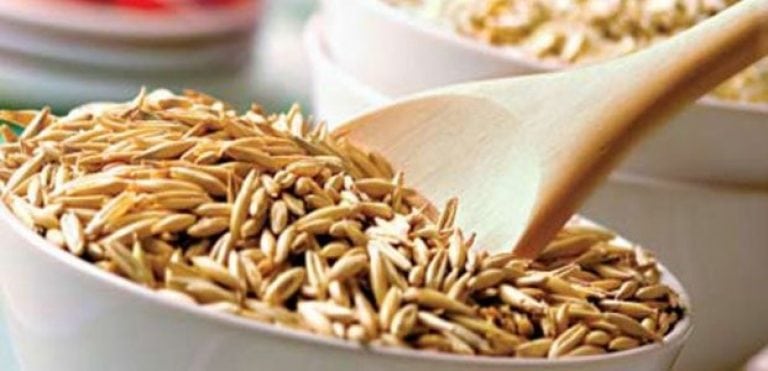
- Oats - pour 1 liter of warm boiled water into 1 faceted glass with a border (200 ml) of washed oat grains. Insist for 8 hours, then cook for 35 minutes. Let the broth stand for another 10 hours. Pass the broth through a sieve and pour 1 liter of boiling water. Consume ½ cup 3 times a day half an hour before meals. The course of treatment is 30 days.
- Burdock juice - for joint swelling, drink burdock leaf juice annually. Consume 1 tbsp. spoon 3 times a day 35 minutes before meals and eat 1 tsp. a spoonful of honey (if you do not suffer from diabetes and are not sensitive to the waste products of bees). The drink can be prepared for 2-3 days. The drink must be prepared from fresh leaves, stored at a cold temperature.
- Birch buds - pour 10 g into an iron container. kidneys, fill them with 2 cups of boiled water and bring the mixture over low heat to a full boil. After 20-25 minutes of boiling, the container must be covered and wrapped with a towel for an hour. Take the drug in 0.20 glasses before meals 3 times a day. In folk medicine, this method is often recommended.
Read also:Shoulder-scapular periarthritis
Life expectancy for patients (prognosis)
Doctors know that people with PA may be at risk for other diseases that can shorten their life expectancy. The disease can be accompanied by such diseases as:
- diabetes;
- cardiovascular disease;
- chronic fatigue syndrome (asthenic syndrome) and mood changes;
- depression and anxiety.
Some studies have shown that people with psoriatic arthropathy have a slightly increased risk of developing cancer. Another study found that the increased risk of cancer was not associated with any of the drugs used to treat the disease. This means that the risk of developing cancer may be related to the disease itself, and not to the treatment.
However, more recent research shows that experts are now unsure if the disease affects life expectancy. This study also does not suggest an increased risk of cancer in patients with PA.
It is important for people with psoriasis and psoriatic arthropathy to maintain a healthy weight and be regularly screened for cancer and cardiovascular disease. A quick response to illness, high blood pressure, and high cholesterol levels can help minimize the risk of further complications.
Life for people with psoriatic arthropathy is pain and discomfort. Without proper treatment, the disease will be debilitating and disabling.