Still's disease in adults: what is it, symptoms, treatment
Content
- What is Still's disease in adults?
- Signs and symptoms
- Causes
- Affected populations
- Similar disorders
- Diagnostics
- Standard treatments
- Treatment
- Exploratory therapy
What is Still's disease in adults?
Still's disease in adults is a rare inflammatory disorder that affects the entire body (i.e. e. systemic disease). The cause of the disease is unknown (idiopathic). The victims may develop episodes of high fever, a pink or salmon-colored rash, pain in joints, muscle pain, sore throat and other symptoms associated with systemic inflammatory diseases.
The specific symptoms and frequency of episodes vary from person to person, and the progression of the disease is difficult to predict. For some people, the disorder appears suddenly, disappears almost as quickly, and may not return. In other people, Still's disease is a chronic, potentially disabling condition. Different medications are used to treat the disease, and patients may respond differently to therapy. In adults, Still's disease does not appear in families.
Adult Still's Disease Is a form of adult systemic juvenile rheumatoid arthritis (juvenile Still's disease). These disorders are named after the British physician who first described systemic juvenile rheumatoid arthritis in the medical literature in 1896. The term "adult Still's disease" was first used in the medical literature in 1971, but cases that fit the description of the disorder appear in the medical literature as early as the late 1800s.
Signs and symptoms
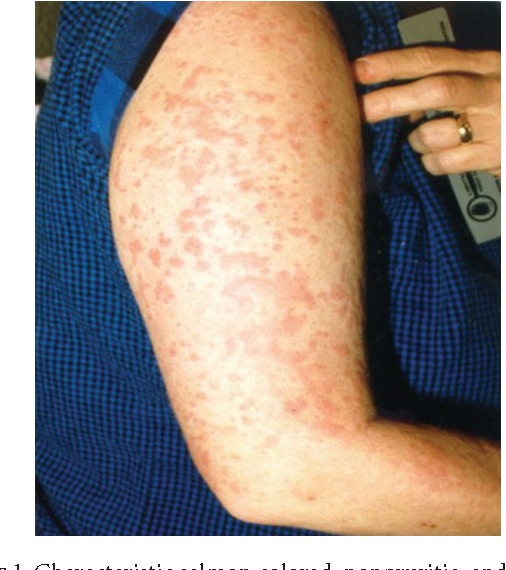
Symptoms, progression, and severity of illness in adults still vary greatly from one person to another. Some people may develop only one occasional episode that responds to treatment and resolves within one year. In some cases, a new episode does not arise or occurs many years later. Other people may develop chronic a disease in which episodes come and go, often several years apart and without any symptoms between episodes. However, other people may experience frequent episodes that occur every few weeks or months.
In people with chronic adult onset, Still's disease can be predominantly characterized by fever, or a form predominantly characterized by joint disease (chronic arthritis). Chronic adult onset can potentially cause long-term, severe and disabling complications.
Most people with Still's disease develop some combination of symptoms commonly associated with systemic inflammatory disease. Such signs include spasmodic fever exceeding 102.2 degrees Fahrenheit (39 degrees Celsius), joint pain (arthralgia) and inflammation (arthritis), muscle pain (myalgia), and skin rashes (see. Photo).
Read also:X-linked myopathy with excessive autophagy
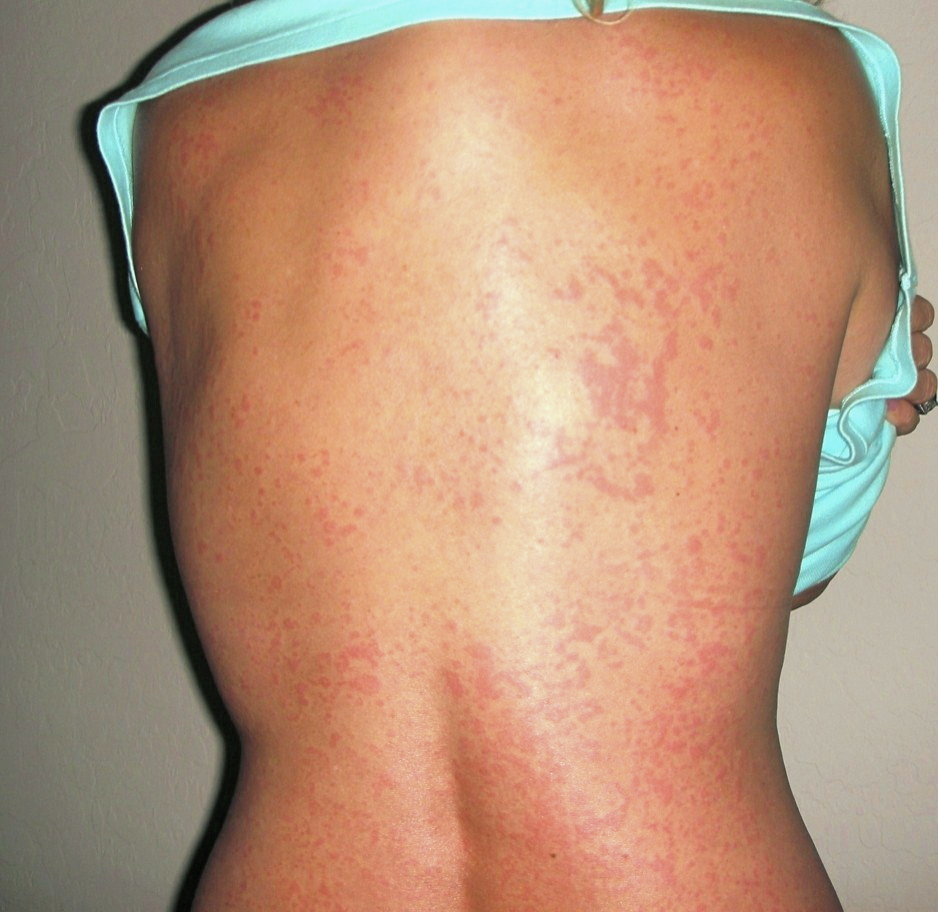
In some cases, fever is a daily occurrence and usually peaks or bursts in the late afternoon or early evening. On rare occasions, some people develop two outbursts of fever in one day. The rash is pink or salmon colored and usually develops during a fever. The chest and thighs are most often affected by the rash. Hands, feet, and face are less likely to be affected. The rash may or may not itch and tends to disappear quickly.
The affected joints can become swollen, stiff, and inflamed and persist for several weeks. Knees, wrists, and ankles are most commonly affected. Muscle and joint pain can be intense and is often worse during a fever. If adult Still's disease is left untreated, chronic joint inflammation can worsen and destroy the affected joints.
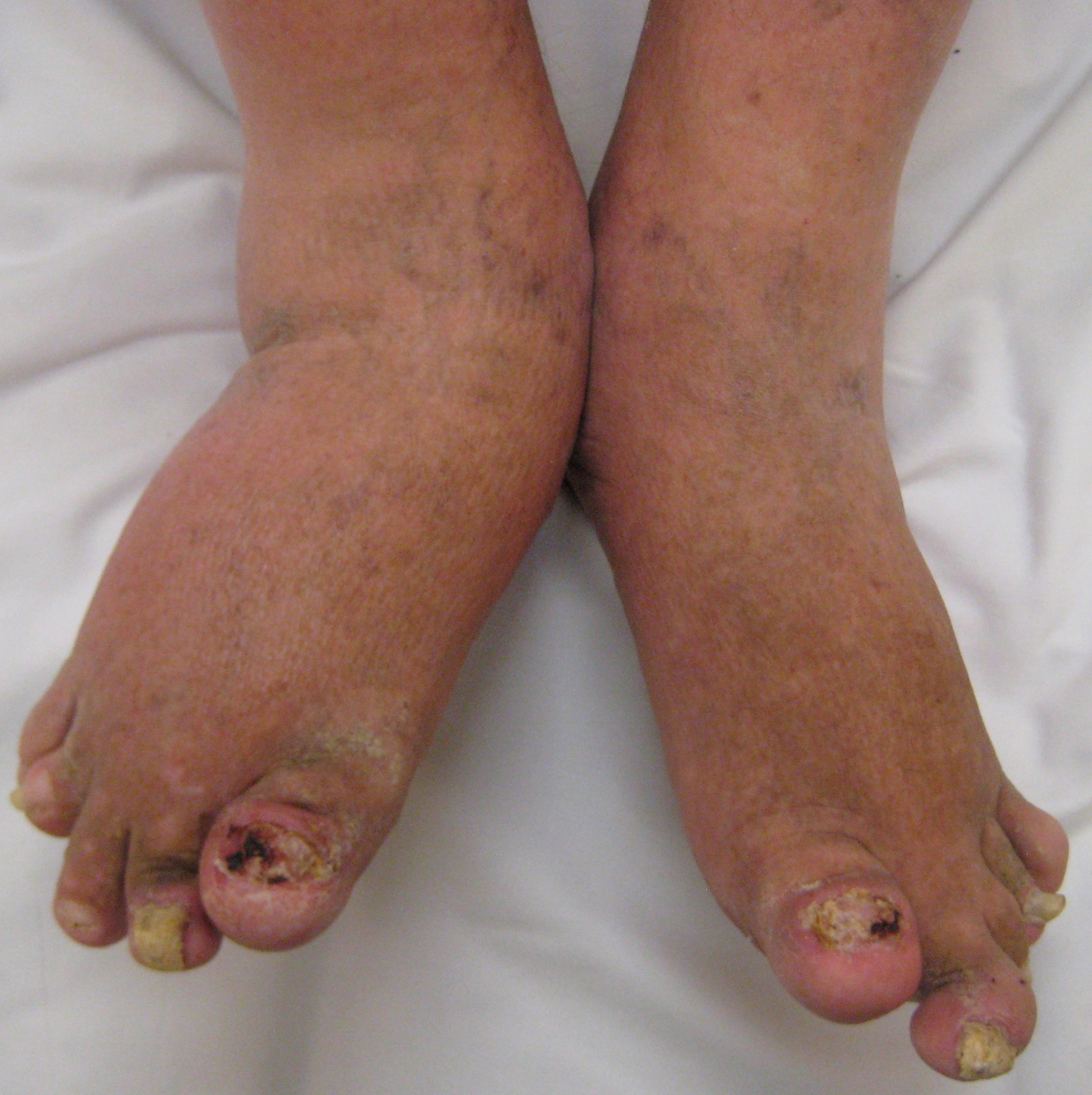
In some cases, additional symptoms may appear, including a sore throat, an increase in spleen (splenomegaly), increase liver (hepatomegaly) and enlarged lymph nodes (lymphadenopathy).
In some cases, the thin saccular membrane that surrounds the heart (pericardium) or heart muscle (myocardium) may become inflamed (i.e. e. will arise pericarditis or myocarditis). The membrane lining the chest cavity can also become inflamed and cause buildup fluid in the lungs (pleural effusion). Involvement of the heart and lungs can cause difficulty breathing and chest painbut in most cases it is usually not strong enough to be obvious and is often only detected during a physical examination by a doctor.
Causes
The cause of Still's disease in adults is unknown (i.e. idiopathic). Researchers believe the disorder could trigger an abnormal or exaggerated response to an infection or toxic substance.
Some researchers believe that Still's disease is an auto-inflammatory syndrome in adults. Auto-inflammatory syndromes are a group of disorders characterized by recurrent episodes of inflammation due to an abnormality of the innate immune system. This is not the same as autoimmune diseasesin which the adaptive immune system disrupts and attacks healthy tissue by mistake.
Researchers also believe that cytokines (specialized proteins secreted by certain cells of the immune system that either stimulate or inhibit the function of other cells of the immune system), may also play a role in the development of the adult form of the disease Still. Interleukin-1 (IL-1) cytokine, which is known to mediate the cellular response to inflammation, may play a role in the development of Still's disease in adults.
Normal clinical manifestations involving interleukin-1 have been found in some patients with Still's disease, and therapy with an activity-blocking drug is currently under study interleukin-1. Additional cytokines, including interleukin-6 (IL-6) and tumor necrosis factor alpha (TNF-alpha), are also thought to play a role in the development of Still's disease in adults.
Read also:What is CMT physiotherapy (amplipulse therapy), which diseases are treated
Affected populations
The adult form of Still's disease affects men and women in equal numbers. Some medical literature states that the disorder affects women more often than men. This primarily applies to young people aged 16 to 35 years. The incidence of the disease in adults is still unknown. Because of the highly variable symptoms and rarity of the disorder, it is often misdiagnosed or misdiagnosed, making it difficult to determine its true frequency in the general population.
Similar disorders
Symptoms of the following disorders may be similar to those of Still's disease in adults. Comparisons can be useful for differential diagnosis.
Auto-inflammatory syndromes are a group of disorders characterized by recurrent episodes of inflammation due to an abnormality of the innate immune system. Symptoms of the syndromes often include recurrent fevers, rashes, abdominal pain, joint pain, bone pain, and other characteristic signs associated with chronic inflammation. These disorders include recurrent cryoprin-related syndromes (chronic infant neurological skin-articular syndrome and Macle-Wells syndrome), hyperimmunoglobulin D syndrome, familial Mediterranean fever, TRAPS syndrome, Schnitzler syndrome and deficiency mevalonate kinase.
Autoimmune Disorders are a group of disorders in which disorders that affect the adaptive immune system are composed of cells and proteins (antibodies) that are supposed to protect the body from infection. These antibodies mistakenly attack healthy tissue and may be called autoantibodies. Symptoms common to many autoimmune disorders include repeated episodes of fever, rash, abdominal pain, joint pain, and other symptoms associated with chronic inflammation. Autoimmune disorders that may resemble Still's disease in adults include systemic lupus erythematosus, dermatomyositis and rheumatoid arthritis.
A wide variety of complementary disorders may resemble the onset of Still's disease in adults, including Reiter's syndrome, inflammatory bowel disease (IBD), sweet syndrome (acute febrile neutrophilic dermatosis), some cancers such as lymphoma and leukemia, and some infections such as tuberculosis, mononucleosis and toxoplasmosis.
Diagnostics
The diagnosis of Still's disease in adults is difficult because there are no specific tests or distinctive laboratory (histopathological) results that would clearly distinguish the disorder from similar disorders. The diagnosis of Still's disease is usually made on the basis of a thorough clinical assessment, a detailed history patient, identifying characteristic signs and excluding other possible violations (differential diagnostics).
For diagnostics can be used various tests including blood tests and x-rays that show changes in bones or joints, or enlargement of the spleen or liver. An echocardiogram, which uses sound waves to create a picture of the heart, can reveal inflammation of the pericardium or myocardium.
Read also:Osteoporosis: what it is, causes, symptoms, diagnosis, treatment and prevention, prognosis
Blood tests can detect characteristic changes in blood cell levels commonly associated with Still's disease in adults. Affected people often have elevated levels of white blood cells and / or platelets or low levels of red blood cells. A complete blood count for persons with suspected inflammatory disease is erythrocyte sedimentation rate. The sedimentation rate (sedimentation rate) measures how long it takes red blood cells (red blood cells) to settle in a test tube over a specified period. Many people with Still's disease have an increased settling rate, which is a sign of inflammation. Another commonly used blood test is serum ferritin, which is often disproportionately increased in this condition.
Standard treatments
Treatment
Many different therapies have been tried to treat people with Still's disease. No treatment has been consistently effective in all cases. A variety of medicines, taken alone or in combination, can be used to treat affected individuals.
Non-steroidal anti-inflammatory drugs (NSAIDs) are often used to treat the symptoms of inflammation. Fever, joint pain, and bone pain responded positively to treatment with these drugs. Other painkillers (analgesics) such as acetaminophen and paracetamolcan also be used.
Corticosteroid drugs, such as prednisonecan be used to treat systemic symptoms. Affected people may receive high doses of corticosteroids initially, with a gradual dose reduction over time.
Long-term use of corticosteroids is associated with many side effects, and researchers at this time are exploring drugs that can replace corticosteroids or allow lower doses to be used corticosteroids.
One drug commonly used in combination with corticosteroids to treat people with onset is an immunosuppressant methotrexate. Methotrexate is commonly used to treat arthritis and other rheumatic conditions. When used in individuals with Still's disease, methotrexate may be known as a "steroid-sparing agent" because it allows the use of lower doses of corticosteroids, thereby reducing the associated risk of side effects effects.
Additional treatment is symptomatic and supportive.
Exploratory therapy
Several promising treatments for Still's disease in adults have been explored in recent years, including drugs known as biological response modifiers. These drugs block the activity of substances (cytokines) believed to play a role in the development of the disorder.