Sjogren's syndrome what is it, symptoms and treatment
This publication provides general information about Sjogren's syndrome. It describes what Sjogren's syndrome is and what the symptoms are.
You will also find out why and who has this disease and how it is diagnosed and treated.
If you have any further questions after reading this publication, please discuss them with your doctor.
Content
- What is Sjogren's Syndrome?
- What are the symptoms of Sjogren's syndrome?
- Who gets dry syndrome?
- What Causes Sjogren's Disease
- How is the disease diagnosed?
- Which doctor diagnoses and treats Gugereaux syndrome?
- How is Sjogren's Syndrome Treated?
- Other diseases associated with Sjogren's syndrome
- Related Videos
What is Sjogren's Syndrome?
Sjogren's syndrome (Sjogren's disease, Gugereau's syndrome, dry syndrome, or PSS) - autoimmune disease; that is, a disease in which the immune system turns against the body's own cells.
Typically, the immune system works to protect the human body from disease by destroying harmful viruses and bacteria.
In the case of Gugereau's syndrome, cells fighting the disease attack various organs of the patient, primarily the tonsils (tonsils, glands), which produce tears and saliva. Damage to these glands leads to a decrease in the quantity and quality of secretion, which
causes symptoms such as: dry eyes and dry mouth.Sjögren's syndrome is also rheumatic disease. Diseases characterized by inflammation (signs include: redness, burning, swelling, or pain) and loss of one or more connective or supporting structures of the body.
They especially affect joints, tendons, ligaments, bones and muscles.
Primary and secondary PSSh
Sjogren's syndrome is classified as either primary or secondary.
The main form occurs in people who do not have other rheumatic disorders.
The secondary form occurs in people who already have another rheumatic disease, most often rheumatoid arthritis (RA) or systemic lupus erythematosus (SLE).
Soon, people with these conditions develop symptoms of dry eyes and dry mouth.
What are the symptoms of Sjogren's syndrome?
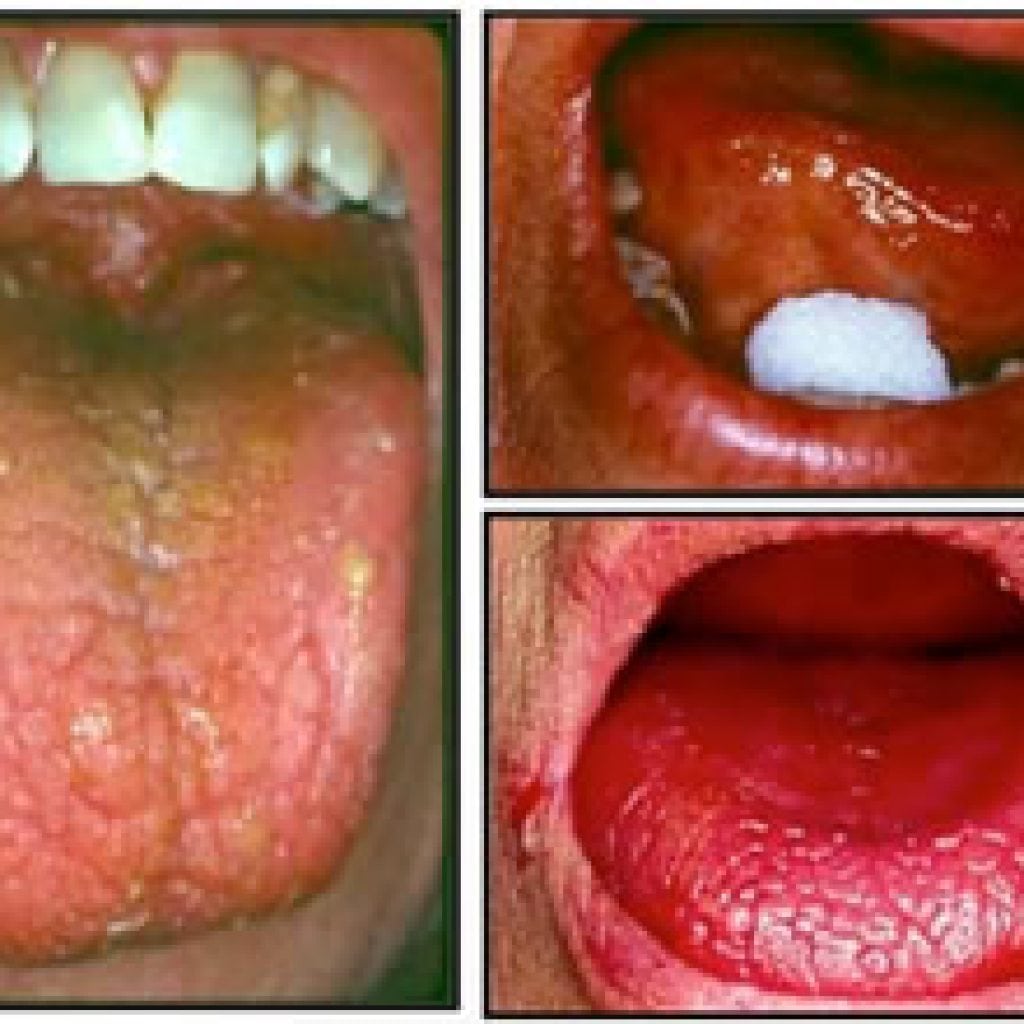
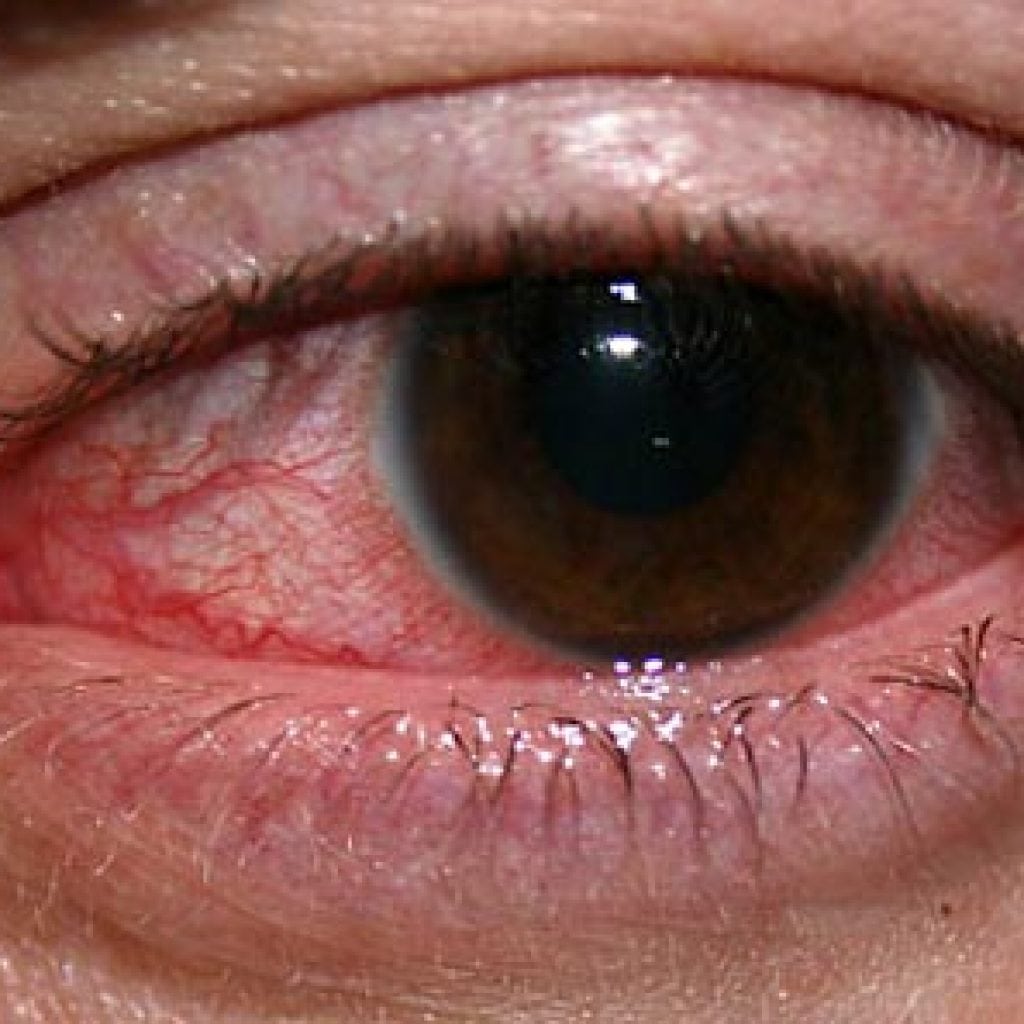

Guzhero-Sjogren syndrome can cause many symptoms. The main ones are:
- Dry eyes. The eyes with the syndrome may burn or itch. There is grit in the eyes, vision is blurred or disturbed by bright light, especially fluorescent lighting.
- Dry mouth. Dry mouth (xerostomia) makes it difficult to swallow, speak, or eat. Feels like my mouth is full of chalk. Since there is no protective saliva, an infection can develop in the mouth.
Read also:Temporal arteritis
Sjogren's syndrome can also affect other parts of the body, causing symptoms such as:
- Joint and muscle pain;
- Constantly dry skin;
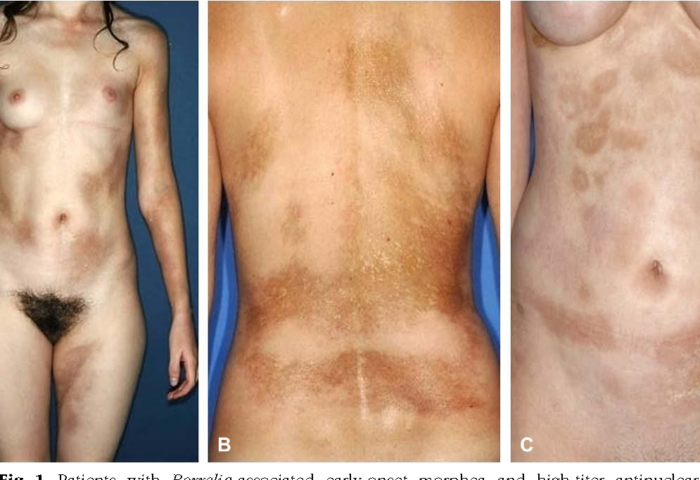
- Skin rash;
- Lingering dry cough;
- Dryness in the vagina;
- Numbness or tingling in the extremities;
- Constant fatigue that interferes with daily life.
Who has dry syndrome?
Sjogren's syndrome can occur in people of any gender and age, but in most cases it occurs in middle-aged women (35-40 years old), rarely diagnosed in children.
What causes disease Sjogren
Scientists speculate that Sjogren's disease is caused by a combination of genetic and environmental factors. Several different genes appear to be involved, but scientists don't know which ones are associated with the disease.
Scientists believe the trigger could be a viral or bacterial infection. The possibility is also being explored that endocrine and the nervous systems play a role in this disease.
How is the disease diagnosed?

Diagnoses Sjogren's syndrome based on the patient's medical history, physical examination, and clinical or laboratory test results.
During diagnosis, your doctor will check for clinical signs of Sjogren's syndrome, such as dry mouth or connective tissue disease.
Since there are many reasons for dry mouth and eyes (medication, other diseases or previous treatment, such as radiation), the doctor may require additional research.
Blood tests can detect the presence of antibodies common to PSS, including anti-SSA and anti-SSB antibodies, or rheumatoid factor. A biopsy of the salivary glands and other specialized tests will also help confirm the diagnosis.
Which doctor diagnoses and treats Gugereaux syndrome?
Since the symptoms of Sjogren's syndrome develop gradually and are similar to the symptoms of many other diseases, it can take a long time to diagnose the disease. A person will be helped by a number of doctors who can diagnose and participate in the treatment of the disease. This includes:
- rheumatologists (doctors specializing in diseases of the joints, muscles and bones);
- primary care physician, therapist;
- ophthalmologists (eye specialists);
- otolaryngologists (ear, nose and throat specialists).
Usually, all specialists are coordinated by a rheumatologist during treatment.
How is Sjogren's Syndrome Treated?

Sjogren's syndrome is being successfully treated today.
Therapy can be different depending on the person and which parts of the body are affected.
Dry eye treatment.
There are many treatments that can be taken if a doctor detects dry eyes caused by the syndrome. Here is some of them:
- Eye drops. Available with or without prescription, there are many brands, the product keeps the eyes moist. Some drops contain preservatives that can irritate the retina. Drops without preservatives usually do not bother the eye (Defislez, Bestoksol, Oksial).
- Ointments. Ointments are thicker than eye drops. Moisturizes and protects the eyes for several hours, but blur the vision, therefore it is most effective during sleep (Oftagel).
- Other treatments. In more severe cases, other treatments may be required, such as a blockage or blockage of the tear ducts, anti-inflammatory drugs, or surgery.
Medicines have side effects. Some side effects can be more serious than others. Please consult your doctor or pharmacist before purchasing medicines.
General Eye Care Tips
- Do not use eye drops that irritate the eyes. If one remedy doesn't work, try another. Eye drops that do not contain preservatives are usually needed for long-term use.
- Practice blinking. When reading, watching TV or a computer, you tend to blink less, try to follow this and blink 5-6 times a minute.
- Protect your eyes from drafts and wind.
- Install humidifiers in rooms where you spend the most time, including your bedroom.
- Do not smoke or come into contact with smoke.
- Apply mascara only to the ends of your lashes to avoid getting into your eyes.
- Ask your doctor if there are any medications you are taking that make the dryness worse.
Read also:What is CMT physiotherapy (amplipulse therapy), what diseases is it used for?
Treating dry mouth.
There are many remedies for dry mouth. You can try some of them yourself at home. Here are some helpful tips:
- Chewing gum and caramel. If your salivary glands are still producing some saliva, you can stimulate the glands with chewing gum or sucking candy to increase saliva. However, the gum and candy must be sugar-free.
- Water. Consume water or other non-carbonated, sugar-free drinks throughout the day to keep your mouth moist, especially when you eat or speak. Note that drinking plenty of fluids throughout the day will not make your mouth less dry or cause you to urinate more often. You should drink the water in small sips and not too often. Drinking water frequently can reduce or remove the mucus lining in your mouth, increasing the feeling of dryness.
- Other treatments. The doctor may prescribe other treatments, such as medications that stimulate the salivary glands to produce saliva in the mouth.
Treating symptoms in other parts of the body.
If you have an extragranular procedure, that is, there is a problem that goes beyond the moisture-containing glands of your eyes and mouth, a doctor or an appropriate specialist can treat these problems with non-steroidal anti-inflammatory drugs (NSAIDs or immunomodulatory drugs).
A warning: side effects of NSAID use may include:
- stomach problems;
- skin rash;
- high blood pressure;
- fluid retention;
- liver problems, kidneys and heart.
The longer a person takes non-steroidal anti-inflammatory drugs (NSAIDs), the more likely it is that side effects will appear. Many other medications should not be taken while a patient is being treated with NSAIDs. Check with your doctor before taking NSAIDs.
People with Sjogren's syndrome may develop hoarseness when the vocal cords become inflamed as part of an illness or become irritated from a dry throat or cough.
Read also:X-linked myopathy with excessive autophagy
Take a sip of water to prevent further stress on your vocal cords.
Other diseases associated with Sjogren's syndrome

These are others autoimmune diseases connective tissue associated with Sjogren's syndrome:
- Polymyositis. Inflammation of the muscles, causing weakness, pain, in some cases, trouble breathing and swallowing. If the skin also becomes inflamed, it is called dermatomyositis.
- Rheumatoid arthritis (RA). A form of arthritis characterized by severe joint inflammation. The inflammation can damage the surrounding bones (fingers, hands, knees). Rheumatoid arthritis can also damage muscles, blood vessels, and major organs.
- Scleroderma. A disease in which the body builds up too much collagen, a protein commonly found in the skin. The result is thick, tight skin and possibly damage to muscles, joints, and internal organs (esophagus, gastrointestinal tract, lungs, heart, kidneys, and blood vessels).
- Systemic lupus erythematosus (SLE). The disease causes joint and muscle pain, weakness, skin rashes and, in more severe cases, problems with the heart, lungs, kidneys, and nervous system.